Side-by-Side Cognitive Profile
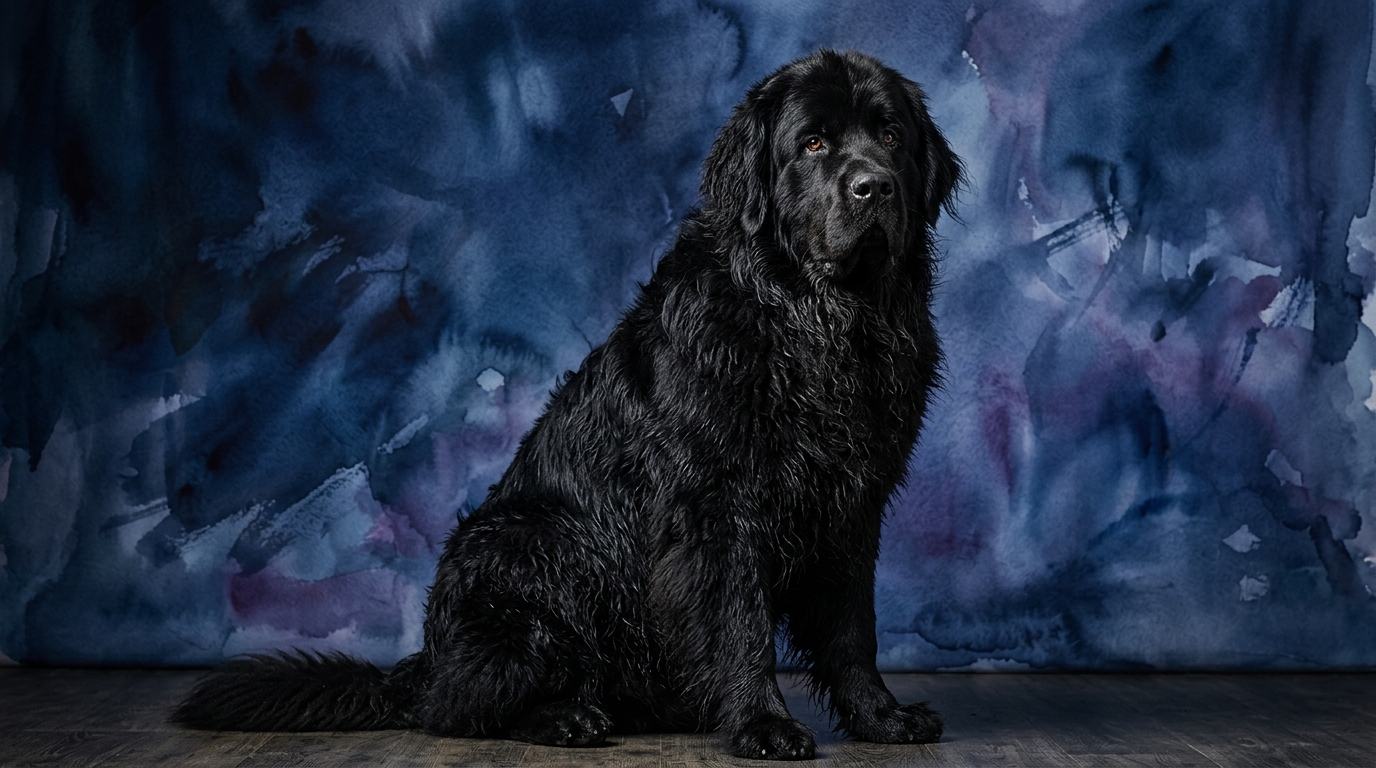
The Cosmic Pet Pet IQ Lab employs a five-dimensional framework to assess canine cognition, offering a granular view of each breed's intellectual landscape. For the majestic Newfoundland, problem-solving registers at a 3 out of 5, indicating they approach challenges with perseverance rather than intricate strategic planning. Their training speed is a commendable 4 out of 5, reflecting their responsiveness and willingness to learn. Social intelligence is a standout at a perfect 5 out of 5, showcasing an exceptional ability to understand human cues and emotions. Their instinctive drive is also a dominant 5 out of 5, rooted in their historical roles as water rescuers and guardians. Finally, memory is strong at 4 out of 5, allowing them to retain learned behaviors and social connections.
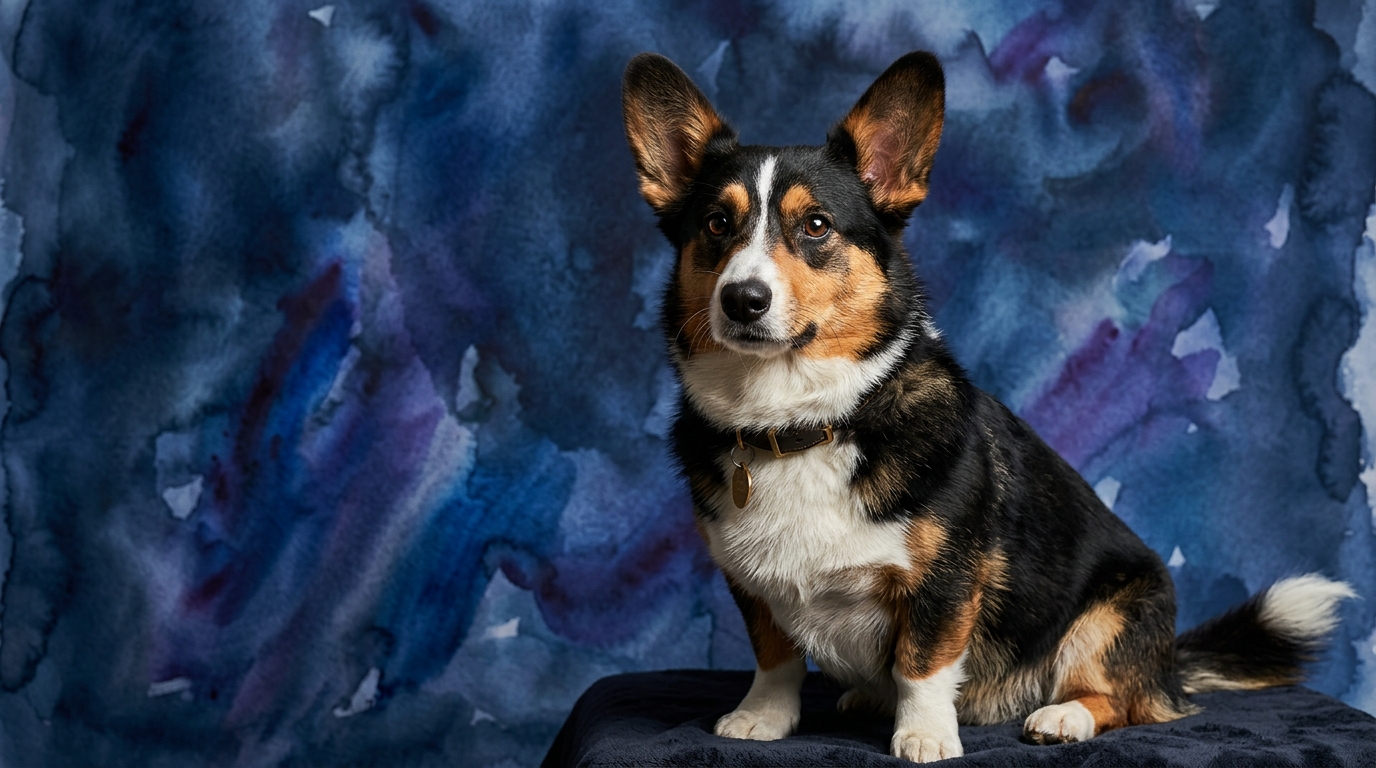
The Cardigan Welsh Corgi, in contrast, presents a different cognitive blueprint. Their problem-solving capacity scores a solid 4 out of 5, demonstrating an aptitude for navigating complex situations and devising solutions. Training speed matches the Newfoundland at 4 out of 5, highlighting their quick uptake of new commands. Social intelligence for the Cardigan stands at 3 out of 5, suggesting a more independent nature, less overtly focused on human emotional states than their larger counterpart. Their instinctive drive is rated 3 out of 5, primarily manifesting as a strong herding impulse. Memory, like the Newfoundland, is a robust 4 out of 5, crucial for remembering patterns, boundaries, and learned tasks.
Where the Newfoundland Excels Cognitively
The Newfoundland's cognitive zenith lies squarely in its social intelligence and powerful instinctive drives. Scoring a perfect 5/5 in social intelligence, these dogs possess an extraordinary capacity for empathy and understanding human emotional states. This isn't just about reading body language; it's an intuitive grasp of distress, comfort, and need, making them exceptional companions in therapeutic roles or simply as family members who seem to 'just know.' Their historical role as water rescue dogs and 'nanny dogs' is not merely a testament to their strength but to their profound ability to assess situations, identify vulnerability, and act with a profound sense of purpose driven by a connection to humanity.
Paired with a 5/5 in instinctive drive, the Newfoundland's intellect is channeled into profound acts of loyalty and guardianship. This drive is less about complex strategy and more about unwavering dedication and self-initiated action when their 'flock' is perceived to be in danger. Whether it's pulling a drowning person from water or gently guiding a child, their cognitive processes are geared towards protective intervention, relying on a deep-seated understanding of their role within a social unit. This makes their problem-solving, while rated 3/5, highly effective in contexts where perseverance, strength, and social awareness are paramount over intricate mental puzzles.
Where the Cardigan Welsh Corgi Excels Cognitively
The Cardigan Welsh Corgi's cognitive strengths shine particularly in problem-solving, where they score a 4 out of 5. This aptitude stems directly from their heritage as herding dogs, where they needed to independently assess dynamic situations involving livestock, anticipate movements, and strategize to control the flock. This isn't just about following commands; it's about making on-the-spot decisions and adapting tactics, often outsmarting animals much larger than themselves. Their intellect manifests in a cleverness that allows them to figure out how to open gates, retrieve hidden toys, or navigate complex agility courses with remarkable ingenuity.
While their social intelligence is lower than the Newfoundland's, the Cardigan's cognitive abilities are geared towards independent thought and task-oriented focus. Their problem-solving skills make them adept at learning complex sequences of commands and excelling in dog sports that require strategic thinking, such as obedience, rally, or even scent work. They enjoy mental challenges and thrive when given opportunities to use their brains to achieve a goal. This cognitive profile means they are often seeking ways to engage their minds, sometimes even devising their own 'entertainment' if not provided with sufficient mental stimulation.
Training: Nuance in Speed and Style
Both the Newfoundland and the Cardigan Welsh Corgi share a training speed rating of 4 out of 5, suggesting they are both quick to pick up new commands. However, the *why* and *how* of their trainability differ significantly, stemming from their underlying cognitive profiles. The Newfoundland's high social intelligence (5/5) means they are inherently eager to please and deeply motivated by positive human interaction and connection. Training a Newfoundland often feels like a cooperative effort, where their responsiveness is driven by their desire to maintain harmony and receive affirmation from their beloved family. Their strong instinctive drives can be channeled into specific tasks, making them highly trainable for roles aligned with their natural predispositions, such as water work or therapy.
The Cardigan Welsh Corgi, while equally quick to learn, brings a different dynamic to the training arena. Their higher problem-solving (4/5) and slightly lower social intelligence (3/5) mean they can be more independent thinkers. They might question the 'why' behind a command or attempt to find a more efficient (in their view) way to complete a task. This isn't stubbornness in a negative sense, but rather a manifestation of their strategic mind at work. Training a Cardigan requires engaging their intellect, making lessons fun and challenging to prevent boredom, which can lead to them devising their own, sometimes inconvenient, solutions. Consistency, clear communication, and varied training methods are crucial to keep them engaged and prevent their independent streak from becoming counterproductive.
Lifestyle Match: Active Engagement vs. Calm Companionship
Considering their cognitive makeup and energy levels, the Newfoundland and Cardigan Welsh Corgi appeal to different owner lifestyles. The Newfoundland, despite its impressive size, generally suits owners seeking a presence that combines calm companionship with moderate activity. Their high social intelligence means they thrive on being part of the family unit, often content with a good walk, a swim, and plenty of quality time indoors. They are not dogs that demand constant, high-intensity physical exertion; rather, they appreciate a steady routine and the opportunity to engage their empathetic nature. Owners who value a gentle, watchful companion who integrates seamlessly into family life, perhaps with occasional outdoor adventures, will find a Newfoundland a fulfilling match.
The Cardigan Welsh Corgi, conversely, is better suited for more active owners who can provide consistent mental and physical stimulation. Their problem-solving aptitude and herding instincts mean they flourish when given a 'job' or regular opportunities to use their brains and bodies. While their small stature might suggest otherwise, a Cardigan requires more than just a casual stroll; they benefit from engaging activities like agility, obedience trials, or extended play sessions that challenge their quick minds. Owners who enjoy dog sports, consistent training, and a spirited companion eager to participate in daily activities will find the Cardigan's zest for life and cleverness a rewarding experience. They are not content to be mere couch ornaments.
The Verdict
Choose the Newfoundland if you seek an empathetic, devoted companion who excels in social understanding and gentle guardianship, valuing deep connection over complex trick mastery.
Opt for the Cardigan Welsh Corgi if you enjoy engaging with a clever, independent thinker, eager for mental challenges and consistent activity, appreciating a dog with a strong sense of purpose.
🧠 Find Your Pet's IQ Score
Our Pet IQ Lab assessment covers 25+ tests across 5 cognitive dimensions — personalized to your breed.
Take the Full IQ Test →Frequently Asked Questions
Are Newfoundlands good apartment dogs?
While their size is substantial, Newfoundlands are generally calm indoors and adapt well to apartment living if they receive adequate daily exercise and mental stimulation. Their quiet nature and strong bond with their family make them suitable as long as space isn't overly cramped.
Do Cardigan Welsh Corgis bark a lot?
Cardigan Welsh Corgis, with their herding heritage, can be prone to barking as a communication tool or when alerting to perceived threats. Consistent training and early socialization can help manage excessive barking, but they are naturally vocal.
Which breed is better with children?
Newfoundlands are renowned for their gentle, patient disposition with children, often referred to as 'nanny dogs' due to their high social intelligence and protective instincts. Cardigan Welsh Corgis can also be good with children, but their herding instincts might lead to playful nipping at heels, requiring supervision and training.