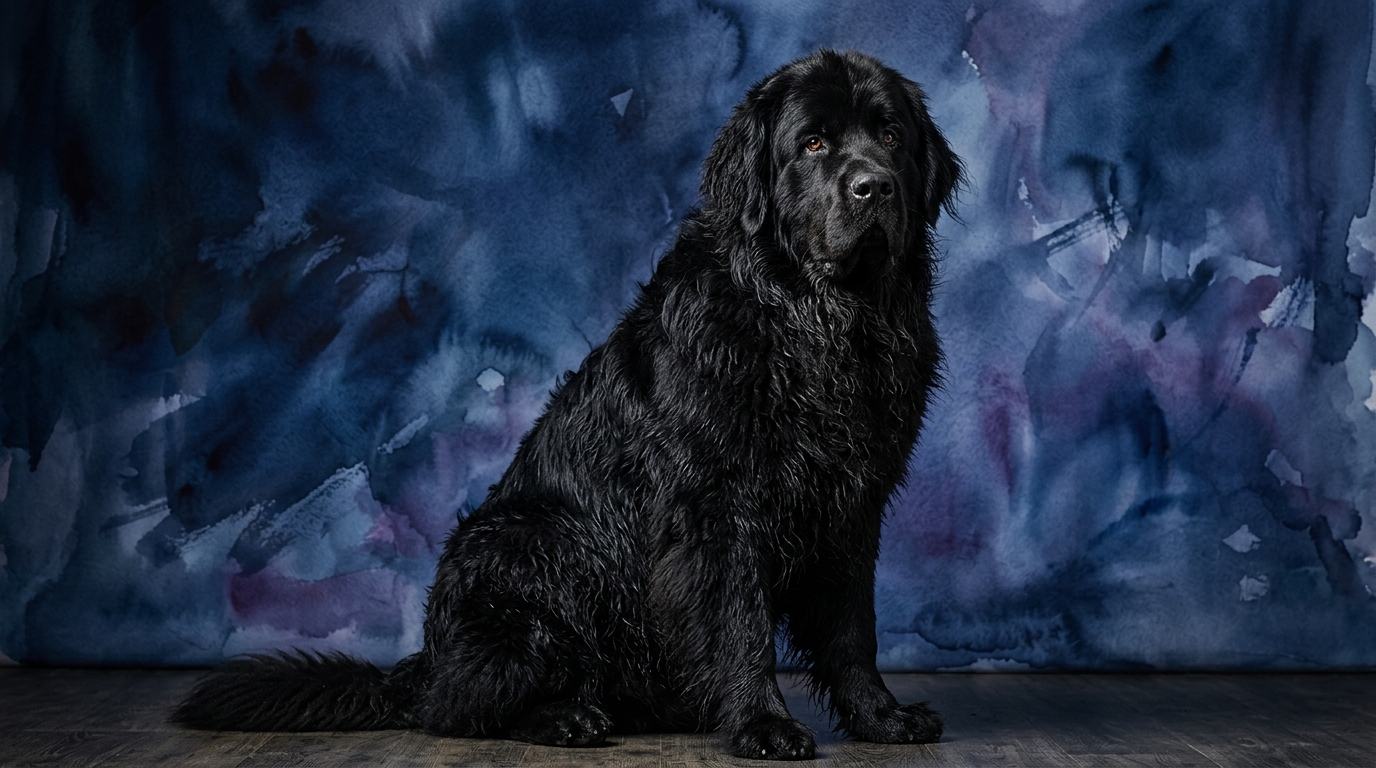
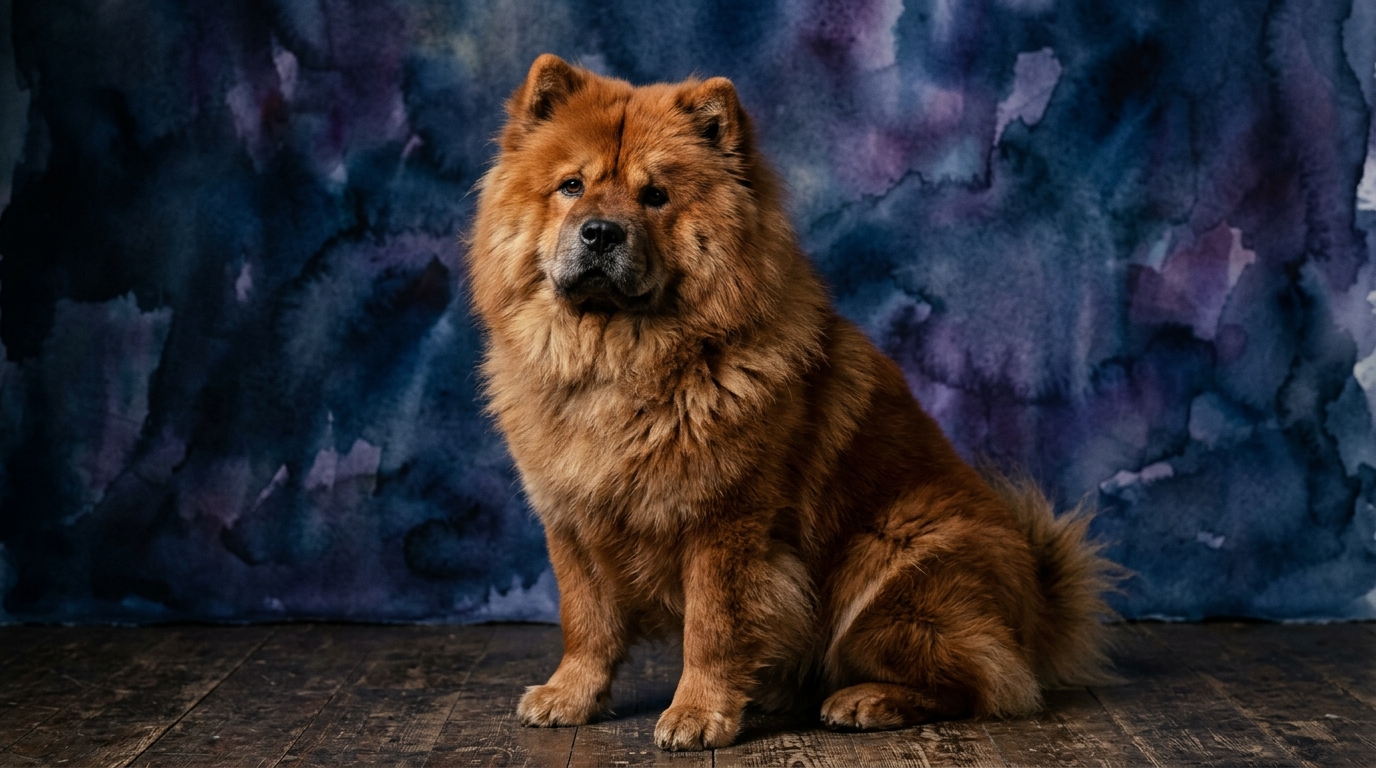
Side-by-Side IQ Profile: Newfoundland vs. Chow Chow
The Cosmic Pet Pet IQ Lab categorizes canine intelligence across five crucial dimensions, offering a granular view beyond simple 'smart' labels. For the Newfoundland, a Working breed, its profile reflects its heritage: Problem Solving at 3/5, Training Speed at 4/5, Social Intelligence at an impressive 5/5, Instinctive Drive at 5/5, and Memory at 4/5. This suggests a dog adept at practical application and deeply connected to its human partners.
In contrast, the Chow Chow, from the Non-Sporting group, presents a more reserved cognitive blueprint: Problem Solving at 3/5, Training Speed at 3/5, Social Intelligence at 3/5, Instinctive Drive at 3/5, and Memory at 3/5. This consistent scoring across dimensions points to a balanced, self-reliant cognitive style, distinct from the Newfoundland's more outwardly driven intellect.
Breaking down the Newfoundland's scores, its Problem Solving (3/5) indicates a practical ability to navigate challenges, often applying learned solutions to new situations rather than inventing novel approaches. Their problem-solving typically aligns with their historical role, such as finding the safest path through water or reacting effectively in rescue scenarios, showing competence in real-world application. Training Speed (4/5) highlights their notable receptiveness to instruction, picking up new commands and routines with relative swiftness, aided by an eagerness to please. Social Intelligence (5/5) is a standout, showcasing an exceptional ability to understand human cues, intentions, and emotional states, making them deeply empathetic companions who integrate seamlessly into family dynamics. Their Instinctive Drive (5/5) is powerful, rooted in their water rescue heritage, manifesting as a strong inclination to help, protect, and engage in purposeful activities. Finally, Memory (4/5) reflects a robust retention of commands, routines, and experiences, contributing to their reliability.
For the Chow Chow, a Problem Solving score of 3/5 means they are equally capable of figuring out solutions to practical obstacles as the Newfoundland. However, their independent nature might lead them to solve problems in their own way, not always seeking human guidance, demonstrating a self-reliant approach. Training Speed (3/5) suggests they require more repetition and patience; their independent spirit means they learn at a steady pace, but their willingness to comply is often contingent on their own assessment of the command's value. Social Intelligence (3/5) denotes a more reserved form of social understanding, often remaining aloof or indifferent to strangers, preferring a close, selective circle. Their Instinctive Drive (3/5) is moderate, primarily focused on guarding and companionship within their chosen family, without the intense working drive seen in many other breeds, manifesting as a calm, watchful demeanor. Memory (3/5) indicates a competent retention for routines and commands, though perhaps not as sharp or consistent in recall as breeds with higher training speeds, influenced by their independent temperament.
Where the Newfoundland Wins Cognitively
The Newfoundland clearly outshines the Chow Chow in several key cognitive domains, particularly in areas critical for active human partnership. Their superior Training Speed (4/5 vs. 3/5) means they assimilate new commands and behaviors with greater efficiency, making training a more fluid and rewarding experience. This breed's exceptional Social Intelligence (5/5 vs. 3/5) allows them to deeply interpret and respond to human emotions and intentions, fostering an almost intuitive bond that is unparalleled. Furthermore, the Newfoundland's powerful Instinctive Drive (5/5 vs. 3/5) provides an innate motivation for purposeful work and engagement, translating into a dog that actively seeks to participate in family life and tasks. Their Memory (4/5 vs. 3/5) is also stronger, ensuring that once skills are learned, they are retained with impressive consistency, contributing to their reliability in various situations, from household routines to complex water rescues.
Where the Chow Chow Wins Cognitively
While the Chow Chow's cognitive profile might not boast the same scores in every category, its strengths lie in areas that cater to a different kind of companionship. Notably, both breeds share an equal Problem-Solving score (3/5), indicating that the Chow Chow is equally capable of navigating practical challenges in its environment. However, the Chow Chow's lower Social Intelligence and Instinctive Drive (both 3/5) can be interpreted as a cognitive advantage for owners seeking a more self-sufficient and less demanding companion. This breed's independent nature means it is less prone to separation anxiety, less reliant on constant human validation for motivation, and generally content with its own company. Its moderate scores across the board suggest a balanced, albeit not excelling, cognitive profile that promotes an admirable self-reliance. This independence, while sometimes perceived as stubbornness in training, is a cognitive trait that allows the Chow Chow to be a remarkably calm and composed presence, requiring less intense mental stimulation focused on human interaction.
Which is Easier to Train and Why
Without a doubt, the Newfoundland presents a significantly easier training experience compared to the Chow Chow, a difference rooted deeply in their cognitive structures. The Newfoundland's Training Speed of 4/5, coupled with its outstanding Social Intelligence of 5/5, means it is inherently wired to learn from and please its human companions. These dogs eagerly seek direction, quickly grasp new concepts, and are highly motivated by positive reinforcement and the desire to strengthen their bond with their owners. Their high instinctive drive also means they thrive on having a purpose, making task-oriented training highly effective and enjoyable for them.
In contrast, the Chow Chow's Training Speed of 3/5 and Social Intelligence of 3/5 indicate a different learning approach. While capable of learning, their independent and sometimes aloof nature means they are less inclined to automatically defer to human commands. Training a Chow Chow often requires immense patience, consistency, and a deep understanding of their motivations, as they tend to comply only if they perceive the command as logical or beneficial to them, rather than simply out of an eagerness to please. Their moderate instinctive drive means they are not driven by a strong desire for 'work' or constant engagement, which can make sustained training efforts more challenging without the right approach.
Which Suits Active Owners vs. Relaxed Owners
The distinct cognitive profiles of the Newfoundland and Chow Chow naturally align them with different owner lifestyles. The Newfoundland, with its high social intelligence, strong instinctive drive, and excellent memory, is an ideal fit for active owners who desire a deeply engaged and purposeful canine companion. These dogs thrive on participation, whether it's through water sports, hiking, therapy work, or simply being an integral part of all family activities. Their need for mental and physical engagement means they flourish with consistent interaction, training, and a 'job' to do, however simple.
Conversely, the Chow Chow, characterized by its more reserved social intelligence, moderate instinctive drive, and independent problem-solving approach, is better suited for more relaxed owners. This breed appreciates a calm, predictable environment and is content with moderate exercise and less intensive social demands. While they bond deeply with their family, they don't require constant attention or a demanding work schedule, making them excellent companions for those who prefer a dignified, self-possessed presence that is less overtly 'needy' in its cognitive and social requirements.
The Verdict
Opt for a Newfoundland if you seek a highly engaged, empathetic companion eager to participate in family life and training, thriving on purpose and deep social connection.
Choose a Chow Chow if you prefer a dignified, independent companion who offers a more self-sufficient presence, requiring less constant social validation and intense activity.
🧠 Find Your Pet's IQ Score
Our Pet IQ Lab assessment covers 25+ tests across 5 cognitive dimensions — personalized to your breed.
Take the Full IQ Test →Frequently Asked Questions
Is the Chow Chow truly less intelligent than the Newfoundland?
While the Newfoundland excels in social intelligence, training speed, and instinctive drive, the Chow Chow demonstrates equal problem-solving ability. Their differences lie in how they express and apply their cognitive skills, with the Chow Chow leaning towards independence rather than eager cooperation.
Do Newfoundlands require a lot of mental stimulation?
Yes, Newfoundlands, with their high social intelligence and instinctive drive, benefit greatly from consistent mental stimulation. This can include regular training, puzzle toys, and engaging in activities that tap into their natural desire to work and interact with their family.
Can a Chow Chow be trained for advanced obedience?
Absolutely, a Chow Chow can achieve advanced obedience, but it requires exceptional patience, consistency, and a deep understanding of their independent nature. Their training journey is often slower and more challenging than with breeds eager to please, focusing on building trust and making commands appealing to them.