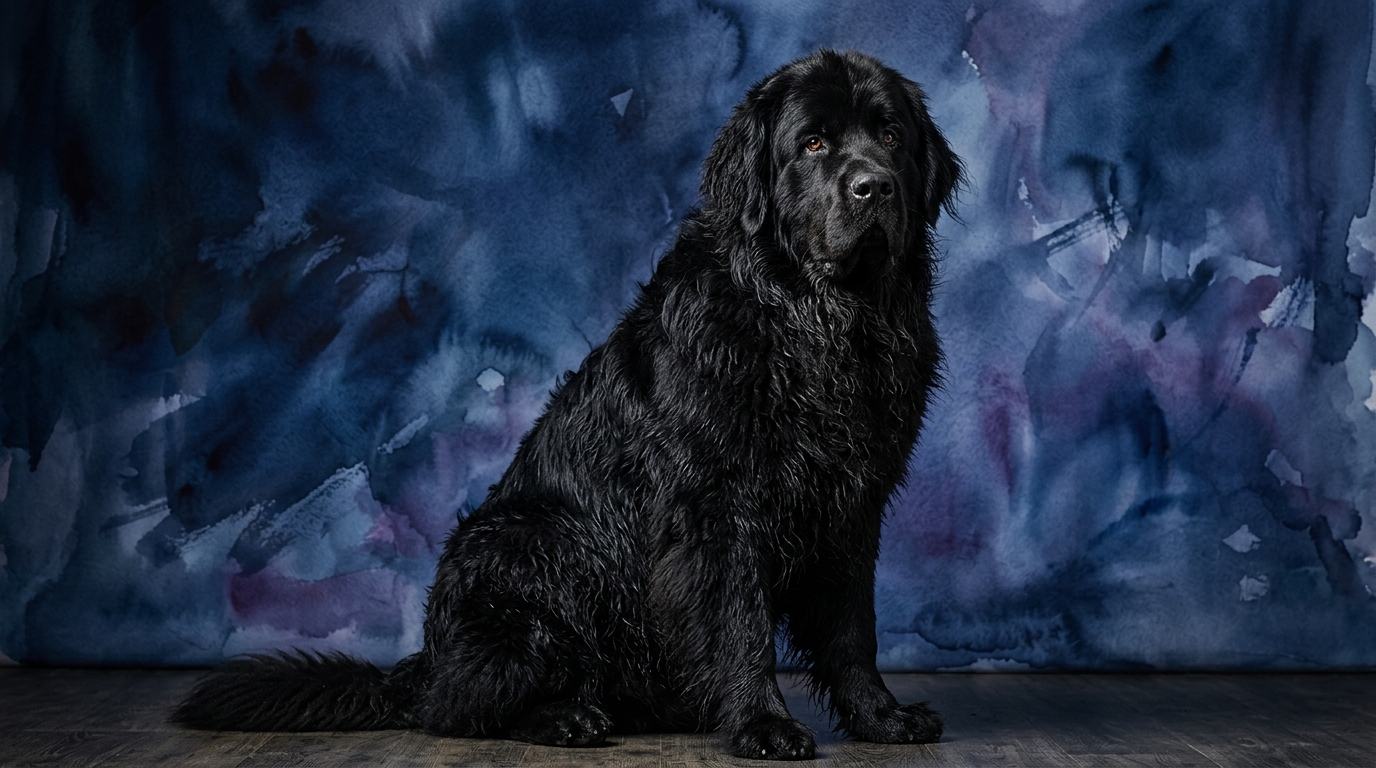
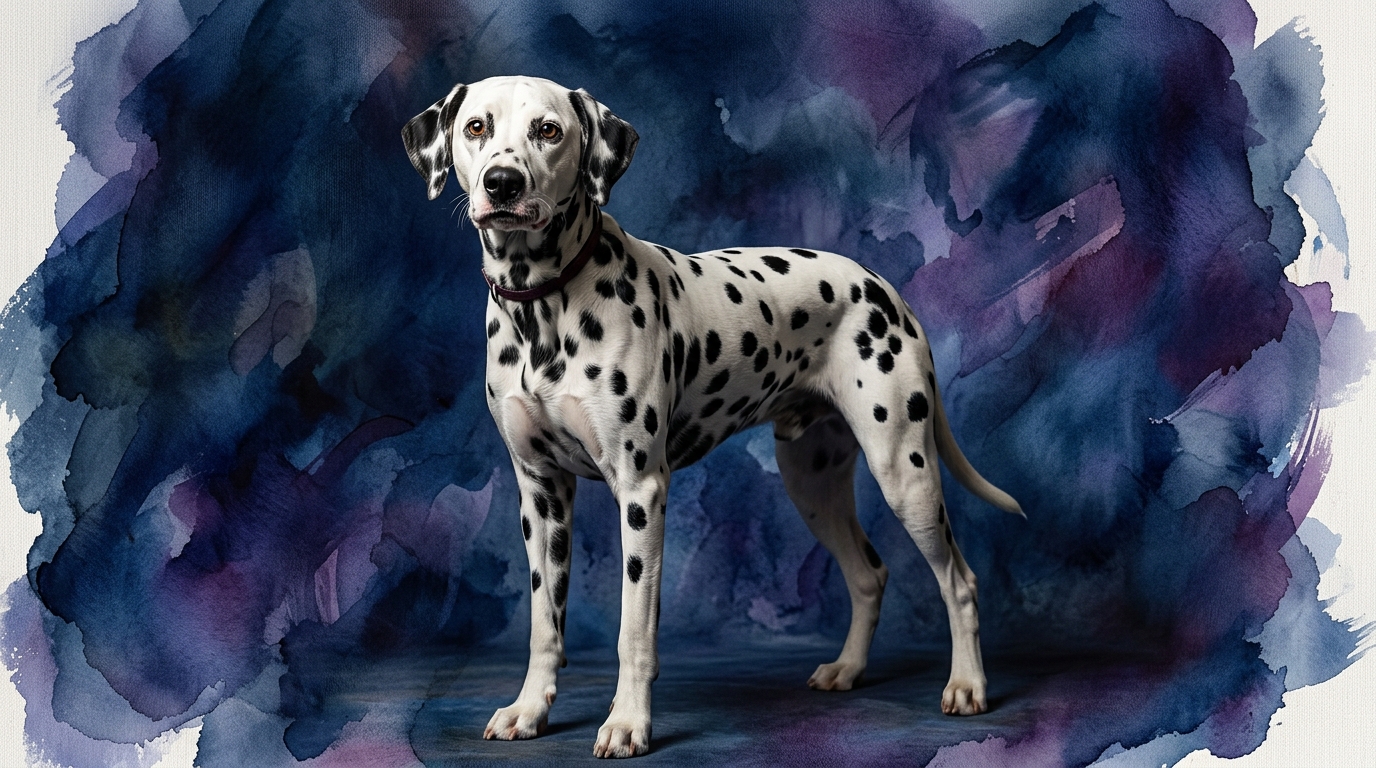
Side-by-Side Cognitive Profile
To truly understand the Newfoundland and Dalmatian, we first explore their individual cognitive strengths across five key dimensions. These insights from The Cosmic Pet Pet IQ Lab offer a granular view of their mental landscapes.
**Newfoundland Cognitive Dimensions:**
**Problem Solving (3/5):** Newfoundlands tackle novel situations with a practical, often physically direct mindset. They excel at tasks demanding strength and persistence, like retrieving from water, focusing on direct solutions rather than abstract puzzles.
**Training Speed (4/5):** These gentle giants are highly receptive to training, picking up new commands and routines with relative ease. Their eagerness to please and strong handler bond make positive reinforcement highly effective.
**Social Intelligence (5/5):** Newfoundlands exhibit exceptional empathy, accurately reading human emotions and intentions. This strong social awareness underpins their role as natural caregivers and their seamless integration into family dynamics.
**Instinctive Drive (5/5):** Deeply rooted in their water rescue heritage, this drive manifests as an innate desire to protect, retrieve, and assist, often without direct command, making them reliable in emergent situations.
**Memory (4/5):** They retain learned commands, routines, and social connections over long periods, remembering people, places, and experiences, contributing to consistent behavior and strong attachments.
**Dalmatian Cognitive Dimensions:**
**Problem Solving (3/5):** Dalmatians demonstrate problem-solving often tied to navigating complex environments and maintaining focus over long durations, a legacy of their coach dog history. They excel at figuring out how to overcome obstacles during a journey rather than intricate puzzle toys.
**Training Speed (3/5):** Capable of learning, Dalmatians can exhibit an independent streak, necessitating consistent and engaging training methods. They respond best to clear, firm, and varied instruction, as repetition without purpose might lead to disinterest.
**Social Intelligence (4/5):** Dalmatians form strong bonds and are generally perceptive of human moods, enjoying companionship. Their affection might be less overt than a Newfoundland's, showing a balanced yet distinct social awareness.
**Instinctive Drive (4/5):** Their drive is strongly linked to endurance and companionship on the move, historically meaning keeping pace with carriages for miles. This shows stamina, protective instincts towards their charge, and a desire for purpose-driven activity.
**Memory (4/5):** Dalmatians possess a good memory for commands, routes, and experiences, recalling training cues effectively and remembering social interactions once behaviors are firmly established.
Where the Newfoundland Shines Cognitively
The Newfoundland’s cognitive strengths distinctly lean into their role as a compassionate, protective companion. Their perfect 5/5 in social intelligence sets them apart, offering an unparalleled ability to gauge human emotion and offer comfort. This deep understanding of social dynamics makes them exceptional therapy dogs or gentle guardians who instinctively respond to family needs. Their 5/5 instinctive drive for water rescue means they often act with incredible decisiveness and self-initiation in aid situations, a profound, ingrained cognitive program for intervention and care.
Where the Dalmatian Excels Cognitively
While the Dalmatian’s numerical scores are sometimes lower, their cognitive profile showcases a unique combination of endurance and focused independence. Their problem-solving (3/5) is often tied to navigating complex, dynamic environments over long periods, like maintaining position alongside a moving carriage. This requires specific spatial awareness and sustained focus. Their instinctive drive (4/5) is a powerful engine for prolonged activity and watchful companionship during travel. This capacity for self-directed engagement and stamina-based cognitive function is a distinct advantage, appealing to owners valuing a resilient and self-possessed canine partner.
Training Aptitude: Which is Easier and Why?
When comparing ease of training, the Newfoundland generally offers a more straightforward path. Their training speed (4/5) and exceptional social intelligence (5/5) mean they are highly motivated by pleasing their humans and forming cooperative bonds. Less prone to distraction, their empathetic nature makes them responsive to positive reinforcement. A key behavioral difference is their strong desire for proximity and connection, translating into an eagerness to engage in training as a form of bonding.
The Dalmatian, with a training speed of 3/5 and social intelligence of 4/5, requires a different approach. Their historical independence can lead to less immediate compliance if a task isn’t stimulating. They might test boundaries or become bored with repetitive drills. Owners find Dalmatians need varied, engaging methods, consistent expectations, and clear purpose. Their independence means they might make their own decisions without clear leadership.
Matching Cognitive Profiles to Lifestyles
For owners seeking a more relaxed, gentle companion thriving on deep emotional connection, the Newfoundland is often preferred. While requiring regular exercise, their social intelligence makes them adaptable to family life, excelling in roles demanding patience and empathy. Their innate desire for proximity and capacity for quiet companionship align well with a less intensely active lifestyle, provided moderate physical and mental stimulation needs are met.
Conversely, the Dalmatian is an ideal match for active owners who relish regular, vigorous activity and structured mental engagement. Their coach dog history imbued them with exceptional stamina and a need for purpose-driven movement. An owner enjoying long runs, hiking, or canine sports will find a Dalmatian an enthusiastic, tireless partner. Their cognitive profile, emphasizing endurance and independent focus, means they are happiest with a "job" or consistent energy outlet, less suited for a sedentary lifestyle.
The Verdict
Opt for a Newfoundland if you seek a deeply empathetic, highly responsive companion with an innate desire to protect and nurture, thriving in a family setting that values connection and gentle cooperation.
Select a Dalmatian if you are an active individual or family looking for an enduring, spirited partner who excels in sustained physical activity and appreciates a clear, consistent routine with plenty of outdoor adventure.
🧠 Find Your Pet's IQ Score
Our Pet IQ Lab assessment covers 25+ tests across 5 cognitive dimensions — personalized to your breed.
Take the Full IQ Test →Frequently Asked Questions
Are Newfoundlands good with children due to their social intelligence?
Yes, Newfoundlands often excel with children due to their exceptional social intelligence and patient temperament. Their empathy allows them to be gentle and understanding, though supervision is always recommended with any dog and child interaction.
Do Dalmatians require a lot of mental stimulation given their independence?
Dalmatians do benefit greatly from consistent mental stimulation to keep their independent minds engaged. Puzzle toys, training sessions, and varied exercise routines are crucial to prevent boredom and channel their energy constructively.
How do their memory scores impact training consistency?
Both breeds have a 4/5 memory, meaning they retain learned information well. For Newfoundlands, this reinforces their cooperative nature, while for Dalmatians, it means once a behavior is firmly established through consistent training, it is likely to be remembered.