
Side-by-Side Cognitive Profiles
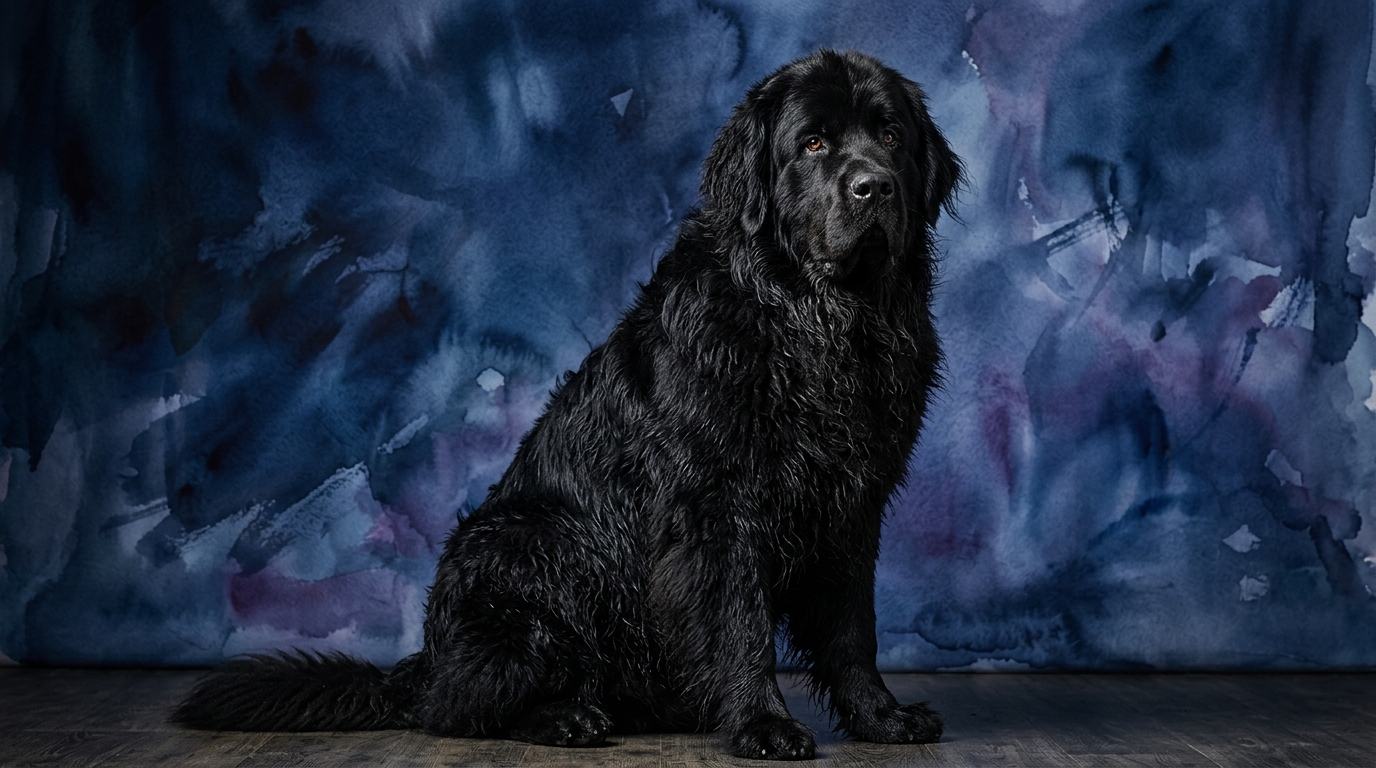
The Cosmic Pet Pet IQ Lab assesses canine intelligence across five key dimensions, providing a granular view of each breed's mental architecture. For the Newfoundland, a Working breed ranked #34 by Coren, their profile highlights strengths in areas directly tied to their historical roles. Their Problem Solving is rated 3/5, indicating a capacity to figure out tasks, particularly those involving cooperation or human interaction. Training Speed is 4/5, reflecting their willingness and ability to absorb new commands efficiently. Social Intelligence stands out at a perfect 5/5, showcasing exceptional empathy and understanding of social dynamics. Instinctive Drive is also 5/5, demonstrating a powerful, innate urge to assist and protect, especially in water. Finally, their Memory is strong at 4/5, allowing for excellent retention of learned behaviors and social experiences.
The Dandie Dinmont Terrier, a Terrier breed without a specific Coren rank, presents a different cognitive blueprint, shaped by its independent hunting heritage. Its Problem Solving is 3/5, similar to the Newfoundland, but often applied with a tenacious, self-directed focus on overcoming physical obstacles. Training Speed is 3/5, suggesting a moderate pace of learning, often influenced by their independent spirit. Social Intelligence is 3/5, indicating strong bonds within their immediate family but a more discerning approach to strangers. Instinctive Drive is 3/5, manifesting as a focused prey drive and a desire to explore and dig rather than broad assistance. Their Memory is also 3/5, providing good retention for routines and specific tasks within their established territory.
Where the Newfoundland Excels Cognitively
The Newfoundland's cognitive strengths are deeply rooted in its heritage as a water rescue dog and companion. Its perfect 5/5 Social Intelligence score means it possesses an extraordinary ability to read human emotions and intentions, often anticipating needs before they are voiced. This profound empathy allows them to form incredibly strong, intuitive bonds, making them exceptional companions in family settings or as therapy animals, where responding to subtle human cues is paramount. They don't just follow commands; they seem to understand the 'why' behind them, acting as true collaborators.
Complementing this is their 5/5 Instinctive Drive, which translates into an innate, powerful urge to help and protect. This isn't merely learned behavior; it's a deep-seated desire to intervene in perceived danger, particularly involving water. This drive, combined with their 4/5 Training Speed, allows them to quickly grasp complex commands and apply them in real-world scenarios, such as retrieving a person from water or providing steady companionship to someone in distress. Their memory (4/5) ensures these vital life lessons and social interactions are retained for a lifetime, building a reliable and consistent relationship with their human counterparts.
Where the Dandie Dinmont Terrier Excels Cognitively
While both breeds share a 3/5 rating for Problem Solving, the Dandie Dinmont Terrier's ingenuity shines in its independent, persistent approach to tasks. Their problem-solving isn't about human collaboration in the same way as a Newfoundland's; instead, it's about navigating tight spaces, uncovering hidden scents, or finding ways to access an interesting burrow, a testament to their earthdog heritage. This self-directed cognitive effort requires a unique blend of determination and cleverness to achieve a goal, often without direct human guidance.
Their 3/5 Instinctive Drive, while not for rescue, is a powerful force for focused action. This drive enables them to pursue specific tasks with remarkable tenacity, demonstrating an unwavering commitment once they've set their minds to something. This inherent drive for independent investigation and pursuit means they excel in activities that tap into their natural instincts, such as scent work or agility challenges. Their memory (3/5) is robust enough for mastering complex terrier-specific tasks and retaining knowledge of their territory and routines, crucial for their self-reliant nature and ability to operate effectively within their chosen environment.
Training Dynamics: Newfoundland vs. Dandie Dinmont Terrier
When it comes to trainability, the Newfoundland generally presents a more straightforward experience for owners, largely due to its 4/5 Training Speed and unparalleled 5/5 Social Intelligence. Newfoundlands are deeply attuned to their human companions, eager to please, and thrive on positive reinforcement and collaborative effort. Their strong desire to work alongside people means they absorb new commands relatively quickly, especially when the training is engaging and purpose-driven. They respond well to gentle guidance and consistent routines, viewing training as an opportunity for connection and partnership. Their strong memory helps solidify these learned behaviors over time, making them highly reliable.
The Dandie Dinmont Terrier, with its 3/5 Training Speed and 3/5 Social Intelligence, requires a different approach. Their independent terrier spirit means they might not always be as intrinsically motivated to comply as a Newfoundland. Dandies are clever and capable of learning, but their strong will and self-directed instincts mean they might choose to comply only if they perceive a clear benefit or if the training is sufficiently engaging to override their impulses. Owners will find success with patience, consistency, and making training sessions fun and varied, often incorporating their natural prey drive through games. Real behavioral differences, such as the Newfoundland's innate desire to collaborate versus the Dandie's self-reliance, significantly impact the training journey.
Lifestyle Suitability: Active vs. Relaxed Owners
For owners considering an active lifestyle, the Newfoundland offers a unique blend of calm presence and purposeful engagement. Despite their large size, they are not typically hyperactive indoors, often content to be a placid, watchful companion. However, they do require moderate, consistent exercise, and their heritage makes them particularly fond of swimming and water activities. Owners who enjoy regular walks, hiking, or opportunities for water-based recreation will find a willing and capable partner. They suit owners who appreciate a dog that is 'active' in terms of consistent, purposeful engagement rather than frantic energy, valuing a serene presence indoors coupled with robust outdoor adventures.
The Dandie Dinmont Terrier, while not requiring vast amounts of space, thrives with owners who can provide regular mental and physical stimulation to satisfy their terrier instincts. Daily walks, engaging play sessions, and opportunities for scent work or digging (in designated areas) are crucial. They are sturdy, spirited, and enjoy exploring, making them suitable for owners who are 'active' in terms of committing to consistent daily engagement, training games, and perhaps even participation in earthdog trials or agility. While spirited, they are not overly demanding indoors if their needs are met, making them a good fit for active individuals or families who appreciate a tenacious and curious companion.
The Verdict
Choose a Newfoundland if you seek a deeply empathetic, protective, and collaborative companion willing to engage in purposeful activities, especially those involving water or service roles, and desire a serene presence indoors.
Choose a Dandie Dinmont Terrier if you appreciate a spirited, independent, and tenacious companion, are willing to invest in consistent, engaging training, and can provide outlets for their distinct terrier instincts.
🧠 Find Your Pet's IQ Score
Our Pet IQ Lab assessment covers 25+ tests across 5 cognitive dimensions — personalized to your breed.
Take the Full IQ Test →Frequently Asked Questions
Do Newfoundlands bark a lot?
Newfoundlands are not typically excessive barkers; they often use their voice purposefully to alert or communicate rather than out of boredom or anxiety. Their barks tend to be deep and resonant.
Are Dandie Dinmont Terriers good with children?
Dandie Dinmont Terriers can be good with respectful children, especially when raised together, though their independent nature means supervision is always wise. They appreciate boundaries and gentle interactions.
How much grooming do these breeds require?
Newfoundlands require significant grooming due to their thick double coat, needing regular brushing several times a week to prevent mats and manage shedding. Dandie Dinmont Terriers also need regular brushing and occasional hand-stripping to maintain their unique coat texture and appearance.