Side-by-Side Cognitive Profile
To understand the nuanced cognitive differences between these two breeds, let's break down their Pet IQ Lab scores across five critical dimensions:
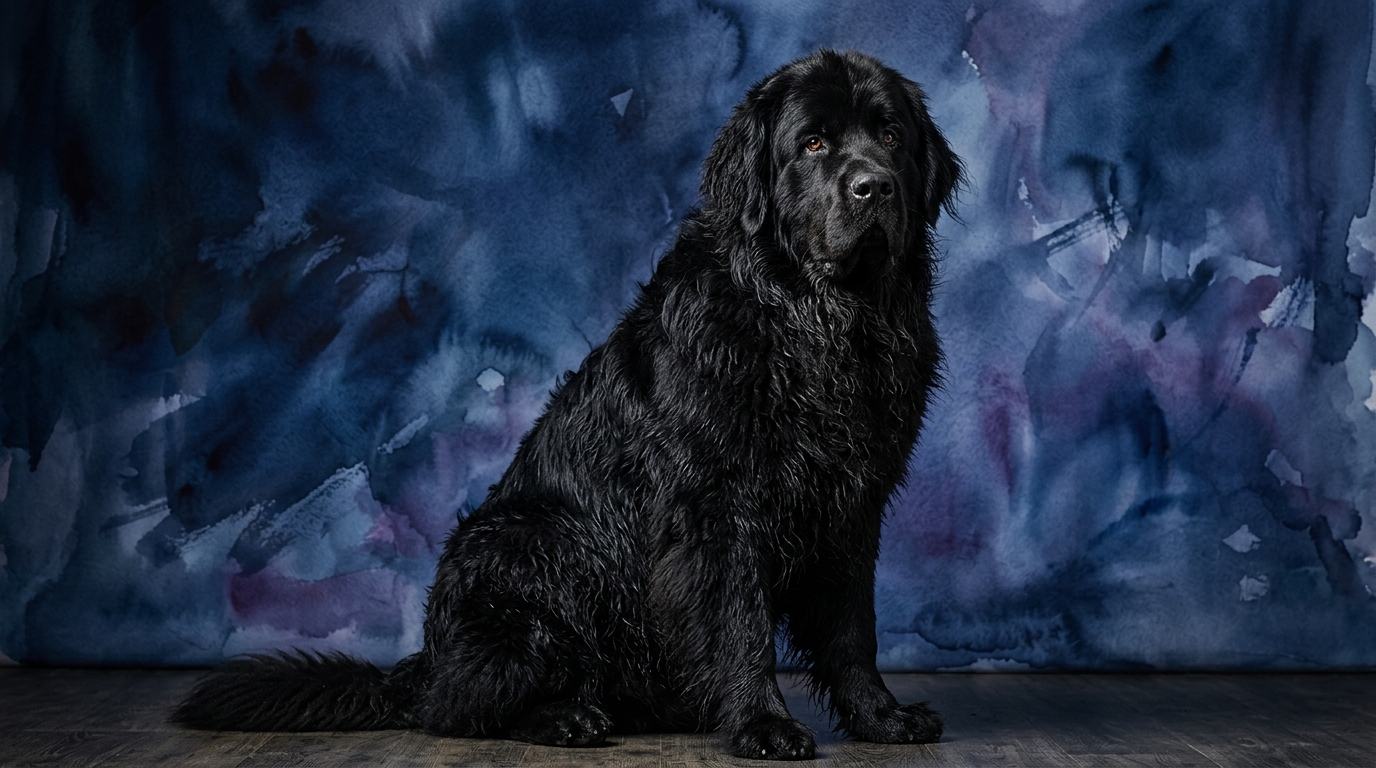
**Newfoundland (Coren Rank #34):**
**Problem Solving (3/5):** Newfoundlands can navigate familiar obstacles or figure out simple sequences, often relying on learned patterns rather than rapid, innovative strategizing. Their approach to challenges is typically methodical, less about spontaneous ingenuity.
**Training Speed (4/5):** These dogs absorb new commands and routines with efficiency. Their desire for cooperation and connection often translates into quick learning, making them responsive students in structured environments.
**Social Intelligence (5/5):** This is a hallmark trait, indicating an exceptional capacity to understand human emotions, intentions, and social cues. Newfoundlands often anticipate needs, offer comfort, and integrate seamlessly into family dynamics with a profound empathetic awareness.
**Instinctive Drive (5/5):** Their strong natural inclinations are primarily directed towards benevolent actions, notably water rescue and guarding. This drive manifests as a deep-seated need to protect and nurture, often acting independently when they perceive a need for intervention.
**Memory (4/5):** Newfoundlands retain commands, learned behaviors, and past experiences reliably. They remember routines and social interactions, contributing to their consistent and dependable nature.
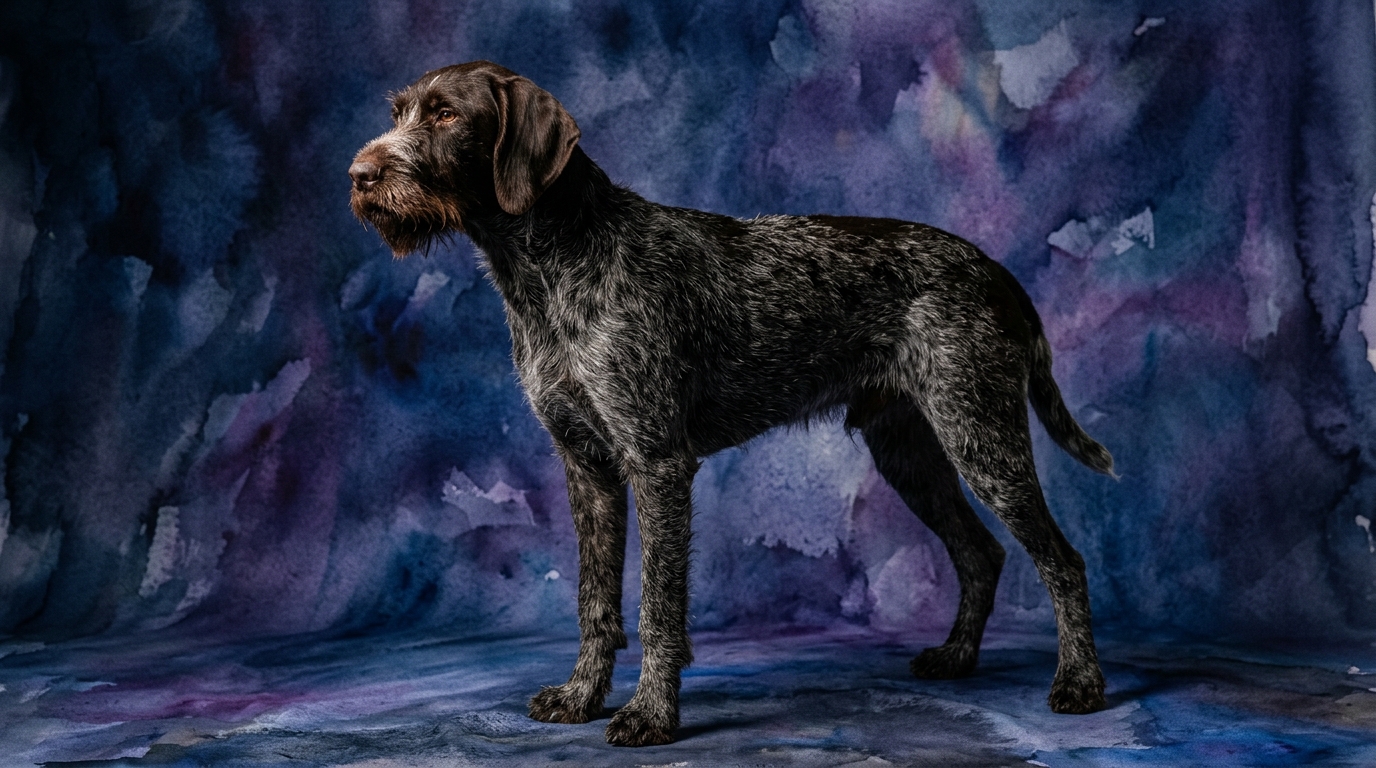
**German Wirehaired Pointer (Coren Rank #28):**
**Problem Solving (4/5):** German Wirehaired Pointers demonstrate a strong aptitude for analyzing situations and devising effective solutions, particularly in practical, task-oriented scenarios. They excel at figuring out how to overcome physical barriers or locate hidden objects.
**Training Speed (4/5):** Similar to Newfoundlands, GWPs learn new commands and skills at a good pace. Their focus and eagerness to engage in purposeful activities contribute to their receptiveness during training sessions.
**Social Intelligence (3/5):** While capable of forming bonds and understanding basic human communication, their social processing is more direct and less nuanced than the Newfoundland's. They respond to commands and overt cues but may not display the same depth of emotional attunement.
**Instinctive Drive (3/5):** Their natural drives are geared towards hunting and retrieving, manifesting as a persistent desire to track, point, and work in the field. This drive is moderate but focused, requiring outlets for its expression.
**Memory (4/5):** GWPs show good retention of training, routes, and past experiences. This reliable memory is crucial for their working roles, allowing them to recall complex sequences and apply them effectively.
Where Newfoundland Wins Cognitively
The Newfoundland's undeniable cognitive strength lies in its exceptional Social Intelligence (5/5) and its potent, benevolent Instinctive Drive (5/5). Their capacity to read human emotions is unparalleled; a Newfie can often sense distress or joy before it's verbally expressed, responding with comforting nudges or shared excitement. This isn't just about being 'friendly'; it's a sophisticated empathetic processing that allows them to integrate deeply into the emotional fabric of a family. Their powerful instinctive drive, inherently geared towards protection and rescue, means they often act with a self-directed purpose to ensure the safety and well-being of their loved ones, especially around water. This combination creates a companion uniquely attuned to human needs, often displaying proactive, nurturing behaviors that stem from a profound understanding of their social environment.
Where German Wirehaired Pointer Wins Cognitively
The German Wirehaired Pointer shines brightest in its Problem Solving ability (4/5) and its practical application of intellect in varied environments. With a Coren rank of #28, they demonstrate a keen ability to analyze a situation and formulate a strategy, particularly when faced with a task requiring initiative. Whether it's navigating dense underbrush to pinpoint game, figuring out how to retrieve an object from a tricky spot, or quickly adapting to changing scent patterns, their cognitive strengths are rooted in efficient, goal-oriented thinking. This breed's problem-solving isn't about emotional connection; it's about effective execution and independent decision-making in complex, dynamic settings, making them highly capable working partners.
Which Is Easier to Train and Why
Both breeds share a Training Speed score of 4/5, indicating they learn commands and routines efficiently. However, the *experience* of training them can differ significantly due to their other cognitive dimensions. The Newfoundland's superior Social Intelligence (5/5) and strong, cooperative Instinctive Drive (5/5) often translate into an inherent desire to please and work *with* their human. They are highly motivated by positive reinforcement and the opportunity for connection, making them generally biddable and responsive to training for obedience and family integration. Their empathy means they often try to understand what is being asked of them from a social perspective.
The German Wirehaired Pointer, while also learning quickly, possesses a more independent Problem Solving (4/5) and a task-focused Instinctive Drive (3/5). Training a GWP often requires channeling their strong work ethic and providing clear, consistent purpose. They might challenge a command if they perceive a more efficient way to achieve a goal, or if their hunting instincts are pulling them in a different direction. Their training benefits from structure, consistency, and engaging their practical intelligence, often thriving in task-based learning environments where they can apply their cognitive skills to a 'job.'
Which Suits Active Owners vs. Relaxed Owners
For individuals seeking a companion with a profound emotional connection and a more relaxed, gentle presence in the home, the Newfoundland is often a fitting choice. While they require regular exercise to maintain health, their daily physical demands are typically moderate, making them suitable for owners who enjoy consistent, leashed walks and yard play rather than intense, prolonged exertion. Their high social intelligence means they thrive on interaction and being an integral part of family life, making them ideal for owners who prioritize companionship and empathetic engagement over rigorous outdoor adventures.
In contrast, the German Wirehaired Pointer is unequivocally suited for active owners. Their robust physical and cognitive needs demand an owner dedicated to providing substantial daily exercise, mental challenges, and a sense of purpose. This breed excels with activities like hunting, competitive dog sports, long-distance running, or extensive hiking. Owners who lead an active outdoor lifestyle and are prepared to channel a GWP's focused energy and problem-solving drive into constructive outlets will find a dedicated and enthusiastic partner.
The Verdict
Choose a Newfoundland if you seek a deeply empathetic companion who offers unwavering social connection and a gentle, protective presence, thriving on family integration and moderate activity.
Opt for a German Wirehaired Pointer if you are an active individual or family ready to provide substantial daily exercise, mental challenges, and a purposeful outlet for a clever, task-oriented partner.
🧠 Find Your Pet's IQ Score
Our Pet IQ Lab assessment covers 25+ tests across 5 cognitive dimensions — personalized to your breed.
Take the Full IQ Test →Frequently Asked Questions
Do Newfoundlands and German Wirehaired Pointers learn at the same rate?
Both breeds score 4/5 for Training Speed, indicating efficient learning of commands. However, Newfoundlands often appear more eager to please due to their high social intelligence, while German Wirehaired Pointers learn quickly when the training aligns with their task-oriented problem-solving and work drive.
Which breed is better at understanding human emotions?
The Newfoundland significantly excels in social intelligence (5/5), displaying an exceptional capacity to read and respond to human emotions and subtle social cues, often anticipating needs and offering comfort. The German Wirehaired Pointer (3/5) understands basic cues but lacks the same depth of empathetic attunement.
Can a German Wirehaired Pointer be a good family dog like a Newfoundland?
A German Wirehaired Pointer can be a devoted family member, especially with active families who can meet its high exercise and mental stimulation needs. However, its social intelligence is more direct, meaning it won't typically display the same nuanced empathy or inherent nurturing behaviors as a Newfoundland, which excels as a gentle family companion.