The Cosmic Pet Pet IQ Lab: Newfoundland vs. Harrier Cognitive Profiles
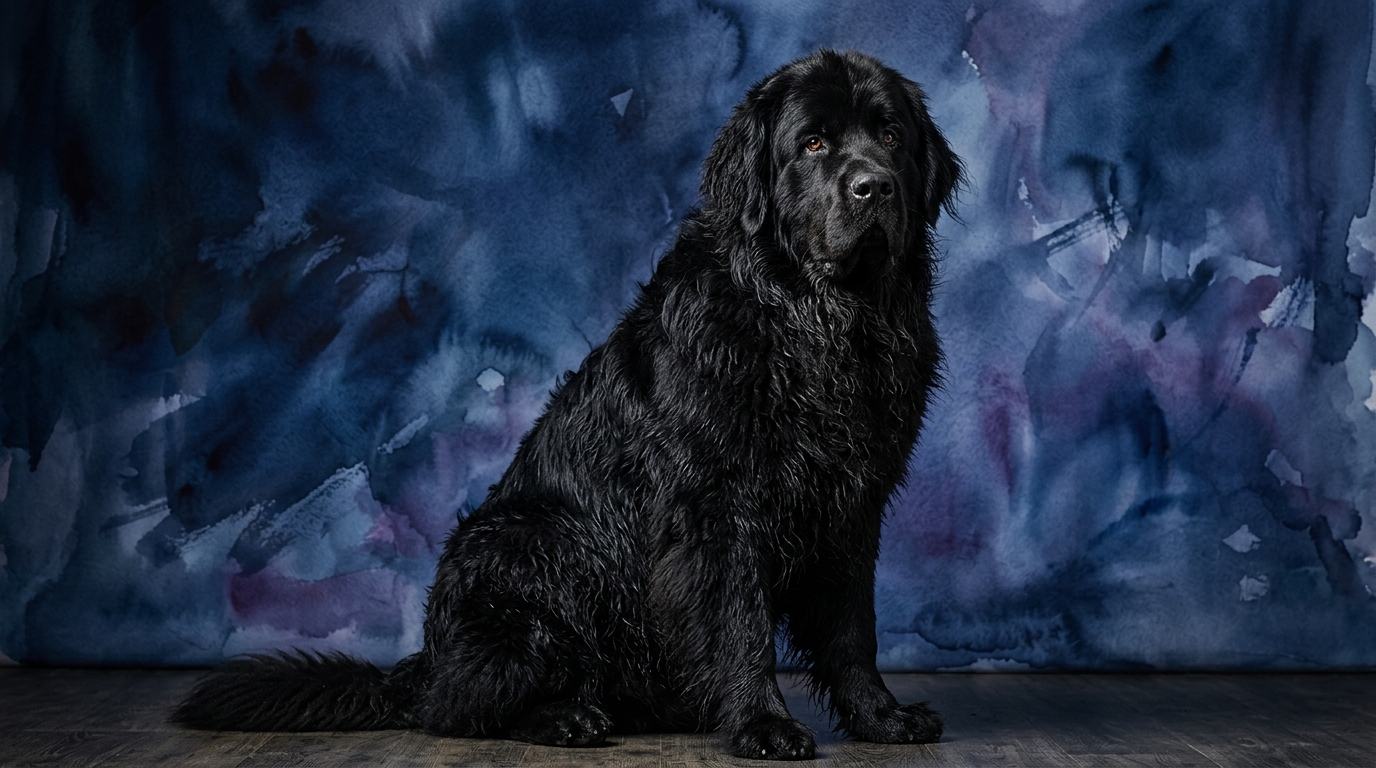
At The Cosmic Pet, we delve beyond general observations to quantify canine intelligence across five critical dimensions. For the Newfoundland, a dog from the Working Group, we observe a nuanced cognitive landscape: Problem Solving at 3/5, indicating an ability to navigate moderately complex situations often involving their human companions or rescue scenarios; Training Speed at 4/5, suggesting a generally eager and responsive learner; Social Intelligence at an exceptional 5/5, reflecting a deep attunement to human emotions and social cues; Instinctive Drive at 5/5, representing a powerful inherent desire for guardianship and water rescue; and Memory at 4/5, signifying a strong capacity for retaining learned commands and past experiences.
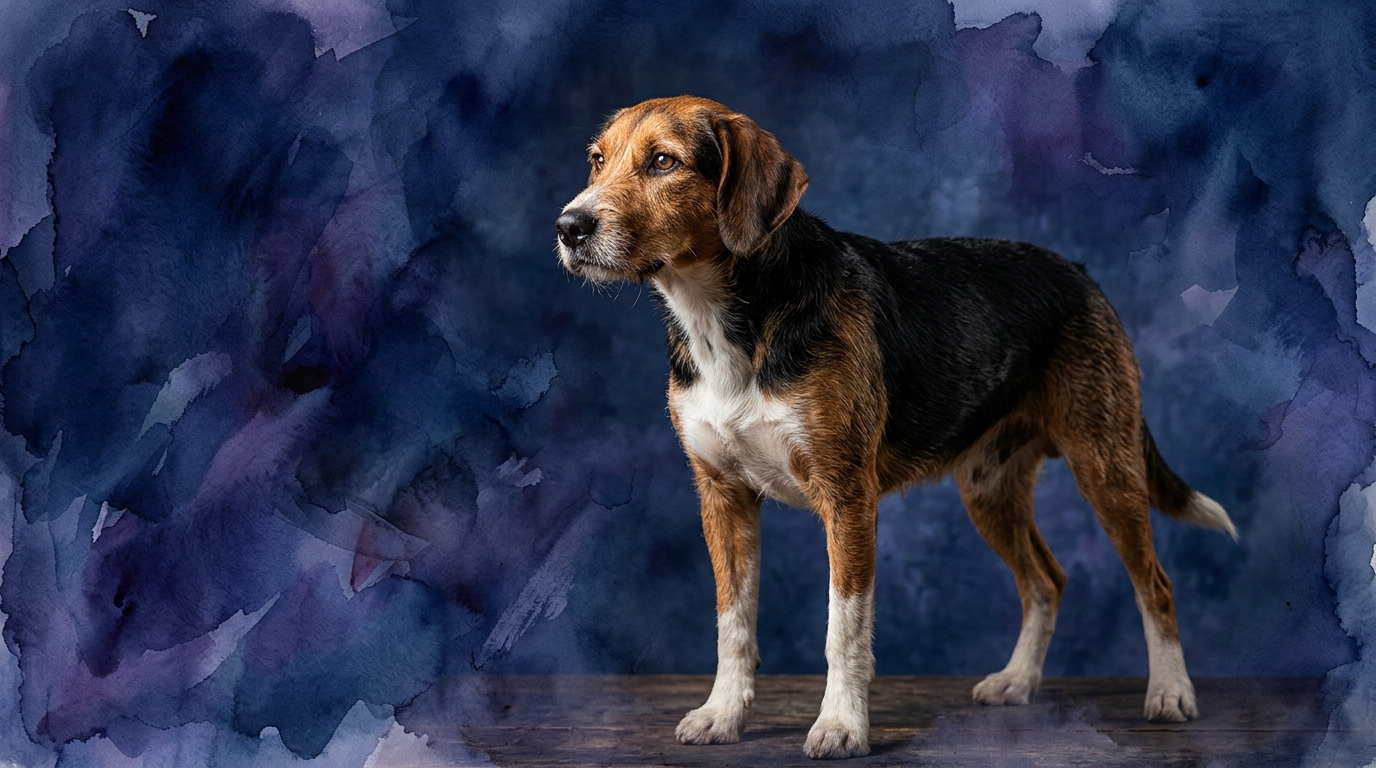
The Harrier, a member of the Hound Group, presents a distinct profile shaped by its hunting heritage. Its Problem Solving stands at 3/5, demonstrating proficiency in challenges related to tracking scent but potentially less application to generalized human-centric tasks; Training Speed is 3/5, indicating that while capable of learning, their independent nature may require more patience; Social Intelligence is 3/5, showing they form bonds with their pack but are less overtly expressive of empathy compared to some companion breeds; Instinctive Drive is 3/5, characterized by a focused, relentless pursuit of quarry; and Memory is 3/5, capable of retaining commands and scent trails, though these might be overridden by a compelling scent stimulus.
Where the Newfoundland Excels Cognitively
The Newfoundland's cognitive strengths are deeply rooted in its historical role as a companion and water rescue dog, manifesting particularly in its superior social intelligence and purposeful drive. With a perfect 5/5 in Social Intelligence, these gentle giants possess an extraordinary capacity for empathy and connection. They are acutely aware of human emotions, often anticipating needs and offering comfort without direct prompting, making them intuitive companions and exceptional therapy candidates. This isn't just about being friendly; it's a sophisticated cognitive ability to read and respond to subtle social cues.
Furthermore, their 5/5 Instinctive Drive isn't merely about brute strength; it's a deeply ingrained desire to help and protect, especially in water. This cognitive predisposition means they are often self-motivated to engage in tasks that align with their protective nature, demonstrating a proactive rather than reactive intelligence in crisis situations. Coupled with a 4/5 Training Speed and 4/5 Memory, Newfoundlands grasp and retain complex commands with relative ease. Their desire to please and their strong social bond with humans mean they are highly receptive to instruction, making advanced obedience or specialized rescue training a more straightforward and rewarding endeavor.
Where the Harrier's Cognition Shines
While the Harrier's general cognitive scores might appear lower across some categories, its true brilliance lies in a highly specialized form of intelligence honed over centuries for a singular purpose: scent tracking. Its Problem Solving score of 3/5, when viewed through the lens of its heritage, represents an unparalleled ability to navigate complex olfactory landscapes. A Harrier's brain is exquisitely wired for scent discrimination, allowing it to process a myriad of smells, identify a specific target scent, and follow it relentlessly across varied terrain, ignoring countless other environmental distractions. This specialized problem-solving, though narrow in scope, is a testament to highly evolved cognitive processing within its domain.
The Harrier's 3/5 Instinctive Drive, while not as broadly expressed as the Newfoundland's, is characterized by an enduring, self-motivated pursuit of a goal – the quarry. This independence, often perceived as stubbornness in general obedience, is a significant cognitive advantage in tasks requiring prolonged, self-directed effort without constant human input. It reflects a mental fortitude and focus that allows the Harrier to persevere where other breeds might falter. Their memory, also 3/5 generally, is particularly robust for scent trails and geographical features, enabling them to effectively navigate and recall successful hunting patterns in complex outdoor environments, demonstrating a specialized spatial and olfactory memory.
Training Dynamics: Newfoundland vs. Harrier
When it comes to ease of training, the Newfoundland generally presents a more straightforward path for the average owner. Their Training Speed of 4/5, combined with an outstanding 5/5 Social Intelligence, means they are typically eager to please and highly responsive to human guidance. They thrive on positive reinforcement and value the connection forged through shared learning experiences. Their strong social bond translates into a desire to understand and comply with commands, making them highly amenable to various forms of training, from basic obedience to advanced tasks. Their excellent memory further solidifies learned behaviors, leading to reliable long-term retention.
The Harrier, with a Training Speed of 3/5 and Social Intelligence of 3/5, presents a different training challenge. Their independent nature and formidable instinctive drive for scent can often override their willingness to follow commands, especially if a compelling scent is present. A Harrier's brain is often prioritizing the thrilling pursuit of a trail over a human request. Training a Harrier demands immense patience, unwavering consistency, and often requires creative methods that leverage their natural drives rather than attempting to suppress them entirely. They may not be as overtly interested in pleasing their human as a Newfoundland, instead finding satisfaction in fulfilling their inherent tracking instincts. This isn't a lack of intelligence, but rather a different cognitive prioritization that requires a specific training approach.
Lifestyle Suitability: Active vs. Relaxed Owners
The Newfoundland, despite its impressive size, often projects an image of a relaxed indoor companion, yet it is fundamentally a working dog that requires thoughtful engagement. While they possess a calm demeanor inside, they still need regular, moderate exercise, benefiting greatly from activities like swimming, long walks, or carting. Their strong social intelligence means they thrive on companionship and structured interaction, making them suitable for owners who appreciate a gentle giant ready for moderate daily activity and significant grooming commitments. They are best suited for individuals or families who can provide consistent attention and integrate them fully into their daily lives, offering both physical and mental stimulation that aligns with their historical purpose.
The Harrier, conversely, is unequivocally suited for highly active owners. Their relentless stamina and profound drive for scent work necessitate significant daily exercise, often requiring off-leash opportunities in secure environments where they can run freely and engage their powerful noses. A Harrier's cognitive architecture is geared towards persistent outdoor exploration and tracking; a sedentary lifestyle would lead to profound frustration and potential behavioral issues. They are ideal for individuals or families who embrace outdoor adventures, perhaps even participating in dog sports like scent work or agility, and are prepared to provide consistent, challenging physical and mental engagement to satisfy their tenacious, independent spirit.
The Verdict: Choosing Your Canine Companion
The Verdict
Opt for a Newfoundland if you seek a deeply empathetic, highly trainable companion who thrives on social connection and has a strong, protective instinct for their family. They are ideal for those who appreciate a gentle giant ready to engage in moderate activities and form an unbreakable bond.
Select a Harrier if you are an exceptionally active individual or family, passionate about outdoor pursuits, and prepared to channel a tenacious, independent spirit driven by an insatiable desire to explore the world through scent. They flourish with consistent, challenging physical and mental engagement.
🧠 Find Your Pet's IQ Score
Our Pet IQ Lab assessment covers 25+ tests across 5 cognitive dimensions — personalized to your breed.
Take the Full IQ Test →Frequently Asked Questions
Are Newfoundlands good at learning tricks?
Yes, with a training speed of 4/5 and excellent memory, Newfoundlands generally excel at learning a variety of tricks and commands. Their social intelligence also means they often enjoy the interactive process of learning with their human companions, making it a rewarding experience for both.
Do Harriers need a lot of mental stimulation?
Absolutely. While their problem-solving is specialized, their instinctive drive to track requires significant mental engagement. Scent games, puzzle toys, and ample opportunities to follow natural trails are crucial to satisfy their cognitive needs and prevent boredom or destructive behaviors.
How do their social intelligence scores impact their family life?
A Newfoundland's 5/5 social intelligence means they are deeply attuned to family dynamics, often acting as sensitive, intuitive companions and guardians who thrive on close interaction. A Harrier's 3/5 social intelligence means they form strong bonds but are often more independent, focusing more on their immediate environment and activities than on overt expressions of empathy, though they are loyal to their pack.