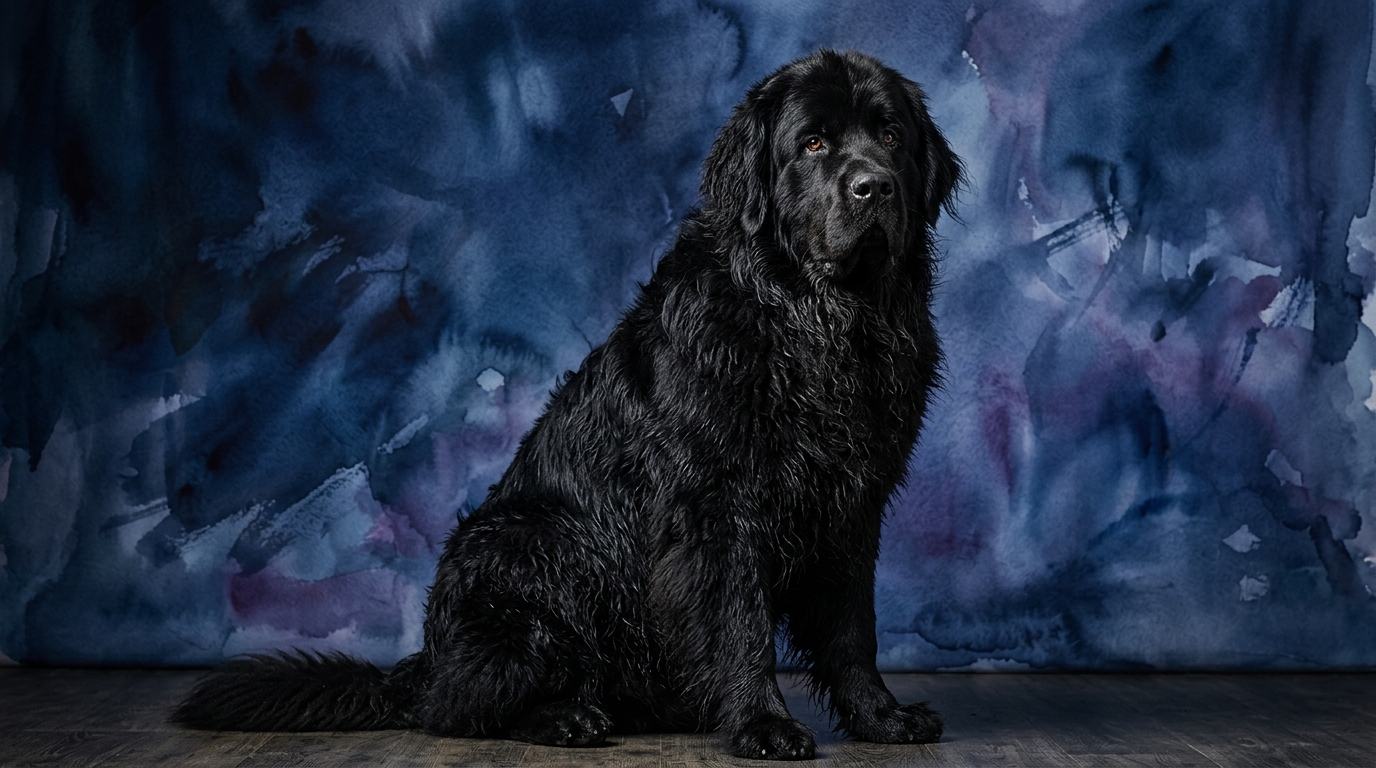
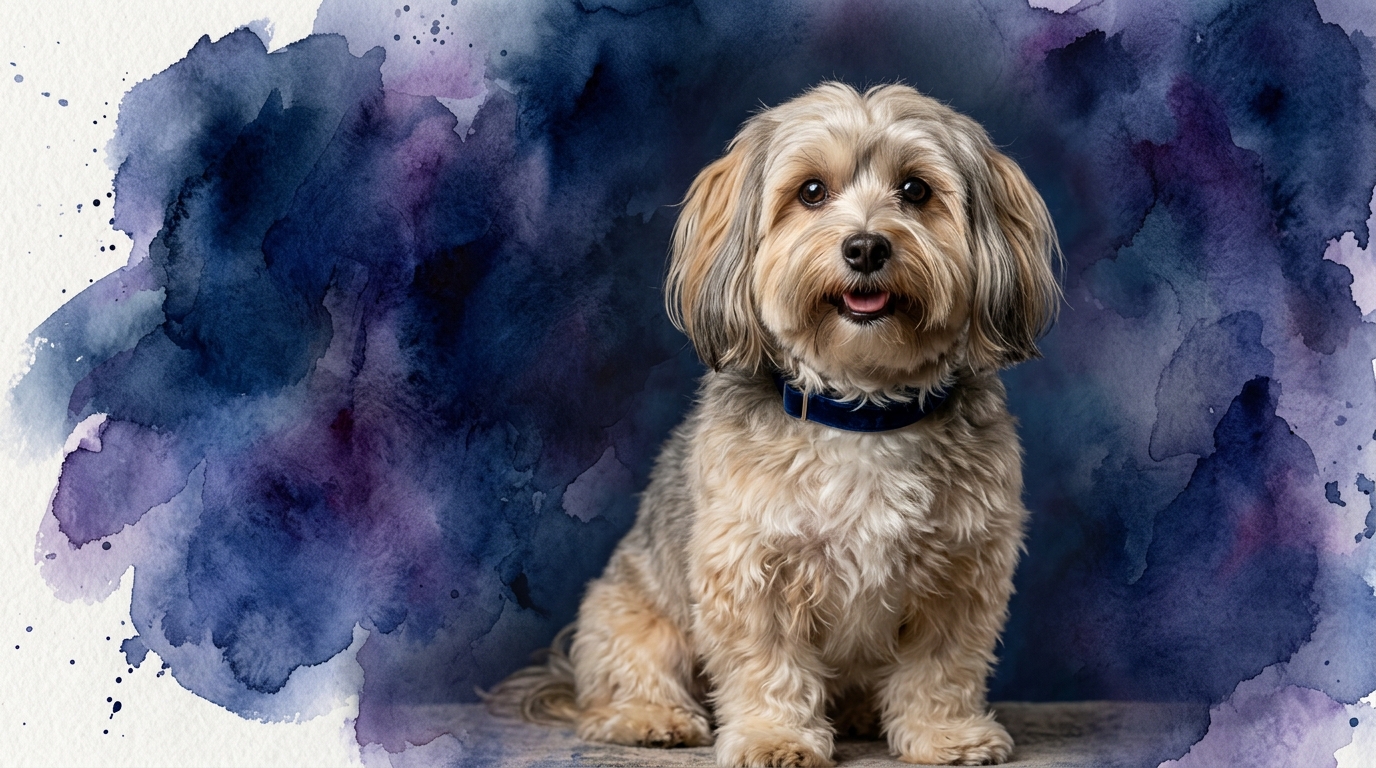
Side-by-Side IQ Profile: Newfoundland vs. Havanese
To truly appreciate the distinct cognitive strengths of these two breeds, we delve into their specific IQ dimensions, provided by The Cosmic Pet Pet IQ Lab, revealing how their mental makeup supports their inherent roles and temperaments.
**Newfoundland (Working Group, Coren Rank #34):**
**Problem Solving (3/5):** Newfoundlands demonstrate competent problem-solving skills, capable of navigating moderate environmental challenges or learning multi-step sequences for tasks like retrieving objects from water, though they may not consistently devise novel solutions to complex, abstract puzzles without prior training.
**Training Speed (4/5):** Possessing a strong desire to please and a robust work ethic, Newfoundlands generally pick up new commands and routines with impressive speed, especially when the training involves collaboration and a clear purpose.
**Social Intelligence (5/5):** Their exceptional social intelligence allows them to keenly interpret human moods and intentions, making them incredibly empathetic companions and highly responsive partners in working roles, often anticipating needs without explicit commands.
**Instinctive Drive (5/5):** The Newfoundland's powerful instinctive drives are rooted in their heritage as working dogs, particularly for water rescue and drafting, manifesting as a strong natural inclination to assist, protect, and engage in purposeful physical activity.
**Memory (4/5):** Newfoundlands exhibit a solid memory, retaining learned commands, routines, and social cues over long periods, which contributes to their reliability in both companionship and specialized working roles.
**Havanese (Toy Group, Not Coren-Ranked):**
**Problem Solving (3/5):** Havanese show a moderate capacity for problem-solving, capable of figuring out how to get a favorite toy from under furniture or learning complex trick sequences, but their focus tends to be on tasks directly related to human interaction rather than independent environmental manipulation.
**Training Speed (3/5):** While eager to learn, Havanese typically require consistent, positive reinforcement and may take a moderate amount of repetition to fully grasp and reliably perform new commands, thriving on engagement rather than sheer speed.
**Social Intelligence (5/5):** Havanese possess a profound social intelligence, making them extraordinarily perceptive of human emotions and highly attuned to their owners' moods, often seeking to comfort or entertain with an innate understanding of social dynamics.
**Instinctive Drive (2/5):** Their instinctive drives are comparatively low, primarily geared towards companionship and interaction rather than independent hunting or herding, which makes them highly adaptable to various living situations and less prone to strong prey drives.
**Memory (3/5):** Havanese exhibit a competent memory for familiar routines and frequently used commands, though less frequently practiced cues might require occasional refreshers, reflecting a memory geared towards immediate social relevance rather than extensive procedural tasks.
Where the Newfoundland Wins Cognitively
Newfoundlands truly shine in cognitive domains tied to their historical working purpose, notably their robust instinctive drive and the application of their social intelligence within a collaborative framework. Their 5/5 instinctive drive isn't just a label; it manifests as an intrinsic motivation for purposeful activity, whether it's pulling a cart, retrieving objects from water, or vigilantly overseeing their family, making them highly responsive to tasks that leverage these natural inclinations.
This drive, coupled with their 4/5 training speed, means they often master complex, multi-step sequences for real-world applications with impressive efficiency, remembering not just individual commands but the entire context of a rescue simulation or a long walk on a leash with specific stops. Their social intelligence, rated 5/5, is particularly adept at understanding human directives and anticipating needs within a working partnership, allowing them to fluidly adapt their actions based on subtle cues from their handler, a critical trait for a dog entrusted with life-saving tasks. This capacity for deep, task-oriented partnership sets them apart, as their memory excels at retaining the intricate details of procedural knowledge and the specific roles they play within a human team.
Where the Havanese Wins Cognitively
The Havanese, despite their lack of a Coren ranking, demonstrates distinct cognitive strengths that align perfectly with their role as devoted companions, particularly in the realm of nuanced social interaction and emotional attunement. Their 5/5 social intelligence is arguably their crowning cognitive achievement, enabling them to read human emotions with remarkable precision and respond with comforting or playful behaviors, creating an almost telepathic bond that few breeds can match.
Unlike the Newfoundland's task-oriented social intelligence, the Havanese's social acumen is finely tuned for emotional support and dynamic interpersonal engagement, allowing them to adapt their behavior fluidly across diverse social settings and personalities. Their moderate problem-solving (3/5) is often directed towards figuring out how to gain attention or manipulate their environment for social gain, like "accidentally" dropping a toy for you to pick up. Furthermore, their lower instinctive drive (2/5) means they are less distracted by environmental stimuli like prey or strong territorial urges, allowing them to focus almost entirely on their human companions and making them exceptionally adaptable housemates. This focused social processing and low distraction threshold are significant cognitive advantages for a breed designed purely for companionship.
Which is Easier to Train and Why
Determining which breed is "easier" to train depends heavily on the training goals and methods employed, though their cognitive profiles suggest differing approaches and outcomes. The Newfoundland, with its 4/5 training speed and powerful 5/5 instinctive drive for purposeful work, often learns complex commands quickly when the tasks align with their natural inclinations for collaboration and utility.
They respond well to consistent, clear instruction and thrive on having a "job," whether it's carrying a backpack or participating in water work, making them eager partners in structured learning environments. Their robust memory (4/5) ensures that once a command is mastered, it is retained effectively, reducing the need for constant refreshers for core behaviors. In contrast, the Havanese, with a 3/5 training speed and a 2/5 instinctive drive, might require more patience and creativity from their trainers.
They are highly motivated by positive reinforcement, praise, and treats, but their learning curve for novel commands might be slightly longer, and their attention can be more easily diverted if the training isn't engaging and fun. Their social intelligence (5/5) means they are exquisitely sensitive to their owner's tone and body language, making harsh corrections counterproductive; instead, they flourish with gentle, reward-based methods that foster their desire for connection. While both are trainable, the Newfoundland offers a more straightforward path for task-oriented training, while the Havanese requires a more nuanced, relationship-focused approach to achieve consistent results.
Matching Cognitive Profiles to Owner Lifestyles
The cognitive and physical demands of each breed create clear distinctions in their suitability for different owner lifestyles. Active owners who enjoy outdoor adventures, participate in dog sports like drafting or tracking, or simply seek a robust companion for long hikes will find the Newfoundland's cognitive profile exceptionally rewarding. Their 5/5 instinctive drive means they thrive on physical and mental challenges that fulfill their natural desire for purpose and activity, making them excellent partners for owners who can provide consistent engagement and room to roam.
Their strong memory and training speed enable them to excel in structured activities, making them ideal for owners committed to ongoing training and skill development. Conversely, relaxed owners or those living in smaller spaces will discover the Havanese's cognitive makeup to be a perfect fit. Their lower instinctive drive (2/5) means they are content with moderate exercise, often satisfied with indoor play and short walks, but their 5/5 social intelligence demands significant human interaction. These owners will appreciate a companion whose primary cognitive need is deep emotional connection and interactive play, rather than demanding physical tasks, making them ideal for individuals or families who prioritize companionship and indoor activities over strenuous outdoor pursuits.
The Verdict
Choose a Newfoundland if you seek a robust, purpose-driven companion eager for collaborative tasks, outdoor adventures, and a deep partnership forged through shared activities and a strong working bond.
Opt for a Havanese if your lifestyle prioritizes an adaptable, emotionally attuned companion who thrives on close social interaction, indoor comfort, and brings joy through playful engagement and devoted affection.
🧠 Find Your Pet's IQ Score
Our Pet IQ Lab assessment covers 25+ tests across 5 cognitive dimensions — personalized to your breed.
Take the Full IQ Test →Frequently Asked Questions
Are Newfoundlands better at learning complex tricks than Havanese?
Newfoundlands often excel at learning complex, multi-step commands, especially those tied to their working instincts, due to their higher training speed and robust memory for procedural tasks. While Havanese can learn many tricks, their pace might be slower, and their motivation is more centered on social engagement than task completion.
Which breed is more adaptable to apartment living based on their cognitive traits?
The Havanese is generally more adaptable to apartment living due to their lower instinctive drive, meaning they have fewer inherent needs for extensive outdoor work or large territories. Their high social intelligence makes them content as long as they receive ample human interaction and mental stimulation indoors.
Does the Havanese's high social intelligence mean they are more prone to separation anxiety?
While their 5/5 social intelligence makes Havanese deeply bonded with their owners and highly attuned to their presence, it can indeed predispose them to separation distress if not properly managed. Consistent training for independence and a secure environment are crucial to prevent anxiety in these highly social dogs.