Side-by-Side IQ Profile: Gentle Giant vs. Alert Herder
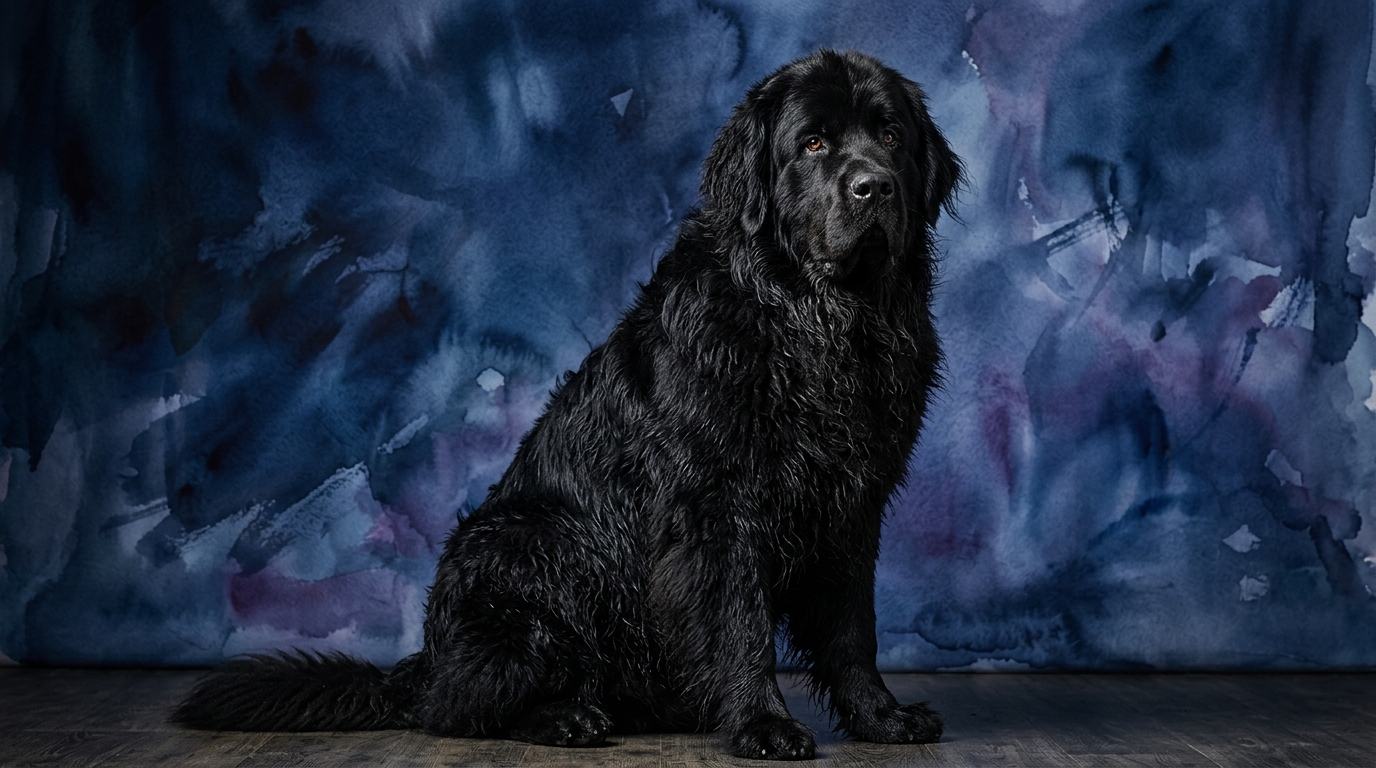
At The Cosmic Pet Pet IQ Lab, we evaluate canine intelligence across five key dimensions, providing a nuanced understanding of each breed's cognitive architecture. The Newfoundland, a Working breed, is renowned for its strength and gentle nature, securing a Coren rank of #34, indicating its solid capacity for understanding and obeying new commands. Its IQ profile includes a Problem Solving score of 3/5, suggesting a practical intelligence capable of navigating complex tasks, often related to its heritage in water rescue. Training Speed is rated 4/5, reflecting an eagerness to please and a responsive nature that facilitates learning. Where the Newfoundland truly shines is in Social Intelligence, scoring a perfect 5/5, showcasing exceptional empathy and an intuitive grasp of human emotions. Its Instinctive Drive is also a dominant 5/5, channeling its powerful energies into purposeful, often life-saving, work. Finally, its Memory stands at 4/5, enabling consistent recall of learned behaviors and experiences.
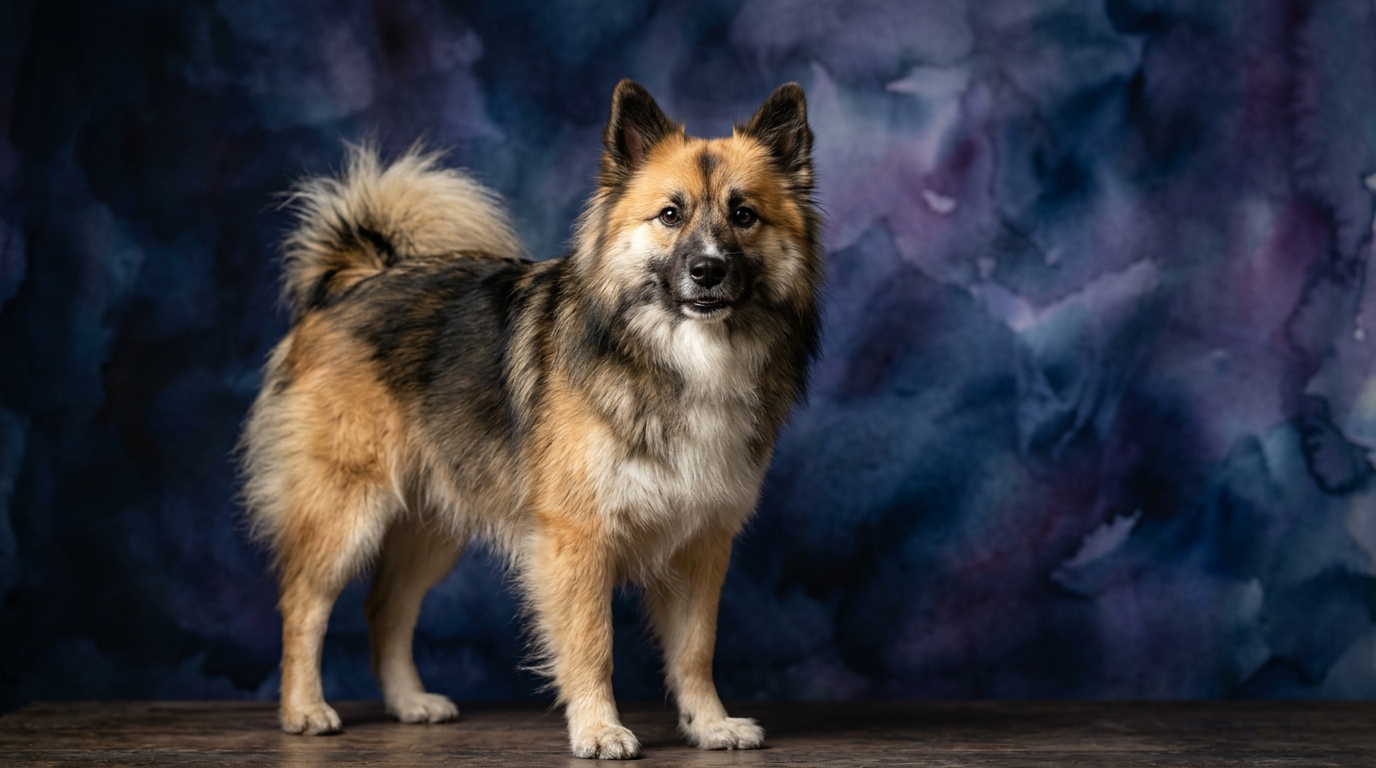
In contrast, the Icelandic Sheepdog, a Herding breed, though not Coren-ranked, presents a different cognitive blueprint, tailored for vigilance and flock management. Across all five IQ dimensions—Problem Solving, Training Speed, Social Intelligence, Instinctive Drive, and Memory—the Icelandic Sheepdog consistently scores 3/5. This indicates a competent, practical intelligence suited to its pastoral duties. Its Problem Solving at 3/5 suggests an ability to make on-the-spot decisions in dynamic environments, typical of herding work. A Training Speed of 3/5 means it learns at a moderate pace, often requiring engaging and consistent methods to maintain focus. Social Intelligence at 3/5 points to an awareness of its environment and pack, geared towards communication and coordination rather than deep emotional attunement. Its Instinctive Drive of 3/5 highlights a persistent, yet manageable, herding instinct, manifesting as barking and a desire to keep its 'flock' together. Lastly, a Memory score of 3/5 signifies its capacity to retain routines and commands necessary for its daily tasks.
Where Newfoundland Wins Cognitively
The Newfoundland's cognitive strengths are particularly evident in its social acumen and strong drive. With a Social Intelligence score of 5/5, it possesses an unparalleled ability to read and respond to human emotions, making it an exceptionally empathetic companion. This high social intelligence translates into a profound understanding of family dynamics and an intuitive ability to offer comfort or support when needed. Its Instinctive Drive, also 5/5, is a powerful motivator, not just for physical tasks but also for focused mental engagement in its working roles, such as water rescue. This intense, purposeful drive means Newfoundlands are highly motivated by opportunities to 'work' alongside their humans, fostering a deep, collaborative bond. Furthermore, its 4/5 Training Speed, coupled with its social intelligence, makes it remarkably receptive to learning, absorbing new commands and complex routines with relative ease, especially when positive reinforcement and a strong bond are present. This cognitive profile allows the Newfoundland to excel in roles requiring patience, reliability, and a deep connection with people.
Where Icelandic Sheepdog Excels Cognitively
While the Icelandic Sheepdog's raw scores are moderate, its cognitive profile represents a finely tuned intelligence perfectly adapted to its herding heritage and suited for specific lifestyles. Its Problem Solving at 3/5, combined with its Instinctive Drive at 3/5, means it excels at dynamic, real-time decision-making in ever-changing environments. This isn't about abstract puzzles, but about practical, agile thinking required to manage livestock or navigate varied terrain efficiently. Its social intelligence, though rated 3/5, is highly effective for communication within a 'flock' or family unit, manifesting as alert barking and a keen awareness of its surroundings, making it an exceptional watchdog. The Icelandic Sheepdog’s cognitive strengths lie in its sustained vigilance and ability to process environmental cues rapidly, allowing it to act as a constant, alert companion. This breed's intelligence is expressed through its quick reflexes, sharp senses, and an inherent ability to monitor and respond to its environment, making it a highly engaging and alert partner for those seeking an active, watchful companion.
Which is Easier to Train and Why
When considering ease of training, the Newfoundland holds a distinct advantage. Its Training Speed of 4/5, significantly higher than the Icelandic Sheepdog’s 3/5, indicates a quicker grasp of new commands and routines. This is largely amplified by its exceptional Social Intelligence (5/5), which translates into a strong desire to please its human companions and a deep understanding of their expectations. Newfoundlands are highly motivated by positive interaction and the opportunity to forge a cooperative bond, making them very responsive to consistent, reward-based training. They tend to focus intently on their handler, eager to understand and execute tasks, which reduces training friction and accelerates the learning process. Their memory (4/5) also aids in retaining learned behaviors over the long term, making commands reliable once established.
The Icelandic Sheepdog, with a 3/5 in Training Speed and Social Intelligence, requires a different approach. While capable of learning, they can exhibit a more independent streak, typical of herding breeds whose historical role often demanded self-reliance. Their focus might be more easily diverted by environmental stimuli, requiring engaging and varied training sessions to maintain their attention. Training an Icelandic Sheepdog demands patience, consistency, and creativity to tap into their moderate drive and ensure they remain mentally stimulated. While they form strong bonds, their social intelligence is more geared towards communication for task execution than an overarching desire to please, meaning trainers must find ways to make learning intrinsically rewarding and relevant to their natural instincts.
Which Suits Active Owners vs. Relaxed Owners
The choice between these breeds for active versus relaxed owners often comes down to the *type* of activity and the *frequency* of engagement required. Despite its high Instinctive Drive (5/5), the Newfoundland, often referred to as a 'gentle giant,' can surprisingly suit more relaxed owners who appreciate bursts of intense, purposeful activity rather than constant motion. Their drive is often channeled into specific tasks like water rescue, long walks, or carting, and once these needs are met, they are typically content to relax indoors with their family. They require consistent, moderate exercise to maintain their physical health and mental well-being, but their calm demeanor and strong social bond mean they thrive on companionship and are not constantly seeking an outlet for restless energy. An owner who can provide dedicated, quality exercise sessions and ample companionship will find a Newfoundland fits well into a relatively relaxed home life.
Conversely, the Icelandic Sheepdog, despite a moderate Instinctive Drive (3/5), is generally better suited for active owners. As a herding breed, their intelligence is geared towards constant vigilance, monitoring, and engagement with their environment. Their energy levels are typically higher, and they require consistent, varied mental and physical stimulation to prevent boredom and potential behavioral issues. They thrive on activities that engage their herding instincts, such as agility, herding trials, or even long, exploratory hikes where they can 'work' by keeping track of their human 'flock.' Their inherent alertness and tendency to bark as a form of communication also mean they are always 'on,' making them a more demanding companion for an owner seeking a truly relaxed, low-key dog. Active owners who enjoy daily outdoor adventures and can provide consistent mental challenges will find the Icelandic Sheepdog a tireless and rewarding partner.
The Verdict
Choose the Newfoundland if you seek a deeply empathetic, highly trainable companion who excels in social interactions and purposeful tasks, and who will happily relax indoors after fulfilling its exercise needs.
Opt for the Icelandic Sheepdog if you are an active owner looking for a vigilant, agile, and communicative partner for outdoor adventures, herding-related activities, and a constant, engaging presence.
🧠 Find Your Pet's IQ Score
Our Pet IQ Lab assessment covers 25+ tests across 5 cognitive dimensions — personalized to your breed.
Take the Full IQ Test →Frequently Asked Questions
Do Newfoundlands make good family dogs?
Yes, their exceptional Social Intelligence (5/5) and gentle nature make Newfoundlands outstanding family dogs. They are patient, protective, and form deep bonds with all family members, especially children, often acting as diligent guardians.
Are Icelandic Sheepdogs prone to barking?
Yes, Icelandic Sheepdogs are known for their vocal nature, often using barking as a primary form of communication due to their herding instincts. This vigilance makes them excellent watchdogs but requires consistent training to manage excessive barking.
Which breed is better for first-time dog owners?
The Newfoundland, with its higher Training Speed and Social Intelligence, is generally more forgiving and easier for first-time dog owners to train and manage, provided they can handle its size and grooming needs. The Icelandic Sheepdog's consistent energy and independent streak may require more experienced handling.