Side-by-Side IQ Profile: Newfoundland vs. Irish Terrier
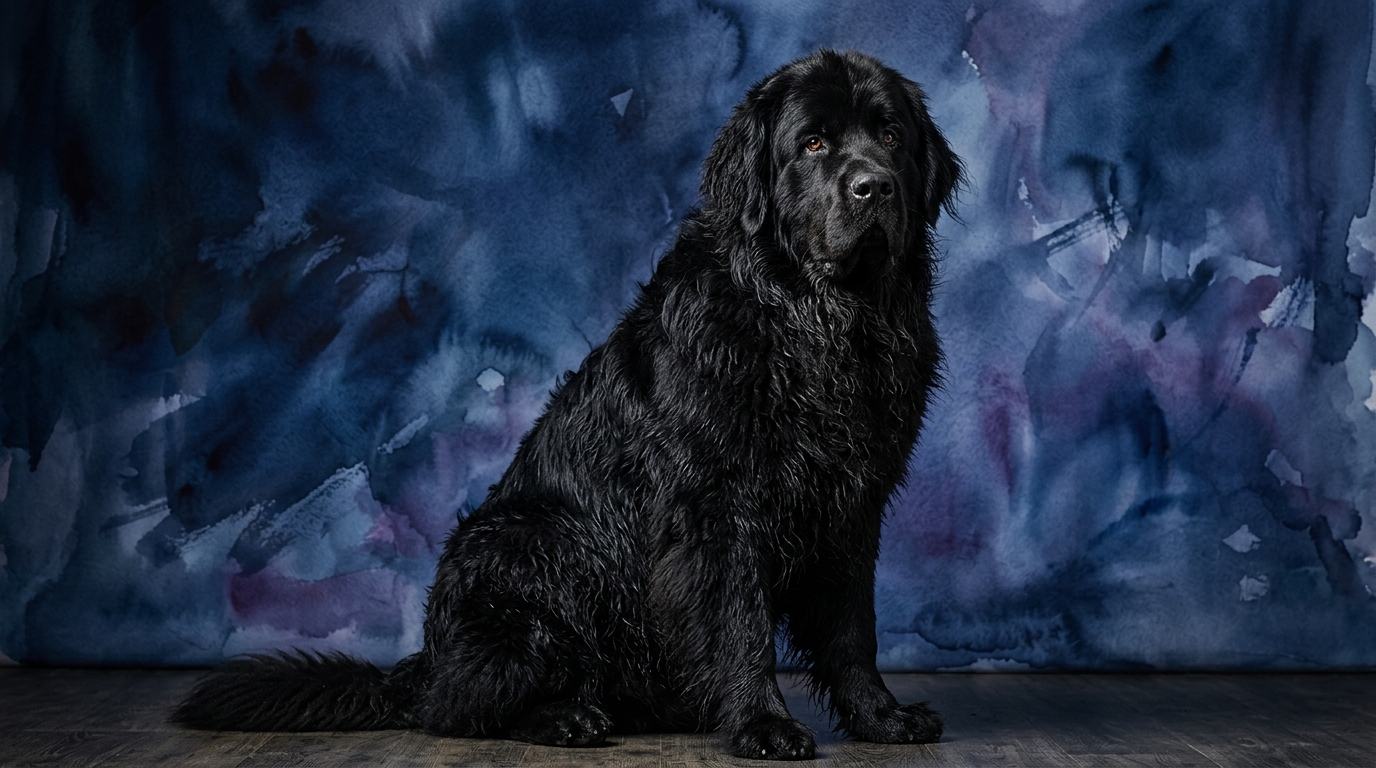
The Cosmic Pet IQ Lab assesses five key dimensions of canine intelligence, painting a detailed picture of each breed's cognitive strengths and inclinations. For the Newfoundland, a Working Group dog ranking #34 on the Coren scale, we observe a Problem Solving score of 3/5, indicating a solid capacity to navigate novel situations and figure things out, though perhaps not with lightning speed. Their Training Speed shines at 4/5, suggesting a strong willingness and ability to grasp new commands and routines effectively. Social Intelligence is a remarkable 5/5, highlighting their exceptional empathy and ability to connect with humans and other animals. An Instinctive Drive of 5/5 speaks to their profound natural instincts, particularly for water rescue and companionship, while their Memory at 4/5 means they retain lessons and experiences with good consistency.
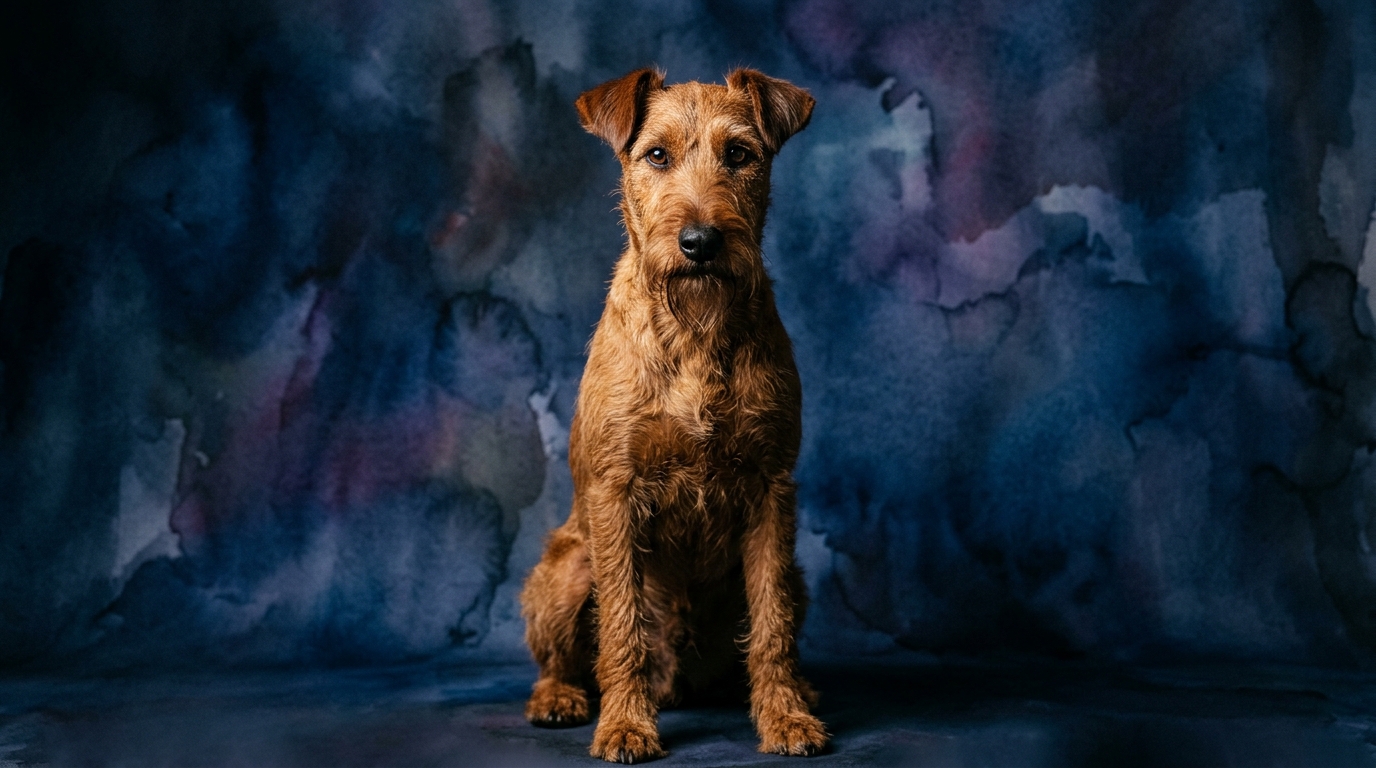
In contrast, the Irish Terrier, a member of the Terrier Group and not Coren-ranked, presents a different cognitive landscape. Their Problem Solving is rated 3/5, mirroring the Newfoundland, signifying a capable but not necessarily groundbreaking approach to new challenges. Training Speed for the Irish Terrier is 3/5, indicating an average pace for learning commands, often requiring patience and consistent methods. Social Intelligence stands at 3/5, meaning they are generally amenable but might be more selective or independent in their interactions compared to the Newfie. Their Instinctive Drive is also 3/5, reflecting a typical terrier's drive for independent exploration and prey pursuit rather than human-directed work. Finally, their Memory is scored at 3/5, suggesting an average recall and retention of information.
Where the Newfoundland Wins Cognitively
The Newfoundland's cognitive profile showcases several standout strengths, particularly in areas of social engagement and purposeful work. Their unparalleled Social Intelligence (5/5) means they possess an exceptional capacity for understanding and responding to human emotions and social cues. This isn't just about being friendly; it's a deep-seated empathy that allows them to form incredibly strong bonds, making them intuitive companions who often anticipate needs. This high social acumen, combined with a robust Instinctive Drive (5/5), manifests in their historical role as water rescue dogs, where their natural inclination to help is a powerful cognitive force. They are driven by an innate desire to serve and protect, displaying remarkable self-motivation when a task aligns with their protective and nurturing instincts. Furthermore, their superior Training Speed (4/5) is directly linked to their eagerness to please and strong social bond with their handler, enabling them to quickly internalize commands and complex routines, making them highly receptive to instruction and cooperative in learning environments.
Where the Irish Terrier Wins Cognitively
While the Irish Terrier's overall scores might appear modest compared to some breeds, their cognitive strengths lie in their self-reliant application of intelligence, perfectly suited to their terrier heritage. Their Problem Solving (3/5) is often driven by a tenacious, independent spirit, allowing them to figure out solutions to challenges on their own terms, sometimes with a stubborn determination that can be both frustrating and admirable. They excel at finding creative ways to achieve their objectives, whether it's outsmarting a puzzle toy or navigating a complex environment. Their Instinctive Drive (3/5), though not as broadly applied as the Newfoundland's, is highly focused on traditional terrier roles: keen observation, quick reaction to small movements, and a persistent drive to investigate and 'solve' environmental puzzles related to scent or perceived intruders. This focused cognitive energy, coupled with a robust Memory (3/5) for specific locations or patterns related to their independent pursuits, allows them to navigate their world with a distinctive, self-assured competence.
Which is Easier to Train and Why?
When comparing ease of training, the Newfoundland holds a distinct advantage, primarily due to their higher scores in Training Speed (4/5), Social Intelligence (5/5), and Instinctive Drive (5/5). Newfoundlands inherently possess a strong desire to please their human companions, making them highly responsive to positive reinforcement. Their exceptional social intelligence allows them to quickly understand what is being asked of them and to form a deep, cooperative bond with their trainer. Coupled with their powerful instinctive drive for purposeful work, often involving carrying or water activities, they are highly motivated to engage in tasks that align with their natural predispositions, translating into consistent and enthusiastic training participation. A Newfie's gentle and patient demeanor also means they are less likely to become frustrated or resistant during training sessions, preferring collaboration.
The Irish Terrier, with a Training Speed of 3/5, Social Intelligence of 3/5, and Instinctive Drive of 3/5, presents more of a training challenge. While certainly capable of learning, their independent and tenacious terrier nature often means they require more patience, creativity, and consistency from their owner. An Irish Terrier might understand a command but choose to obey only if they perceive a compelling reason or if it aligns with their current interest. Their instinctive drive is geared towards independent hunting and exploration, not necessarily human-directed tasks, which can translate into a lower intrinsic motivation for obedience work. Training an Irish Terrier often involves harnessing their spirited energy and channeling their intelligence through engaging, varied sessions that prevent boredom and capitalize on their problem-solving skills, rather than relying solely on a desire to please.
Suits Active Owners vs. Relaxed Owners
The Newfoundland, despite its imposing size and often calm demeanor indoors, is best suited for owners who can provide purposeful activity rather than simply 'relaxed' companionship. Their 5/5 Instinctive Drive means they thrive when given a job, whether it's swimming, participating in carting, or engaging in simulated rescue scenarios. While they aren't typically frantic or hyperactive, their mental and physical well-being depends on outlets for their deep-seated working instincts. Owners who enjoy long walks, water sports, or structured training will find a highly engaged companion. Once their needs are met, they are indeed relaxed, gentle giants, making them excellent family dogs who appreciate quiet time indoors, but this relaxation is earned through meaningful engagement. A truly 'relaxed' owner who provides minimal stimulation might find a Newfie becomes bored or listless.
The Irish Terrier, with its spirited personality and moderate scores across the board, generally thrives with active owners who can match their zest for life. Their Instinctive Drive (3/5), while lower than the Newfie's, manifests as a persistent curiosity and a need for regular physical and mental engagement. They are often described as 'daredevils' and require consistent exercise, engaging playtime, and challenging training to prevent boredom and potential mischief. Owners who enjoy hiking, agility, long walks, or interactive games will find a willing and enthusiastic partner. Their independent problem-solving (3/5) and average social intelligence (3/5) mean they benefit from structured activities that challenge their minds and bodies, making them less ideal for owners seeking a purely sedentary companion. An active lifestyle and a willingness to engage in consistent, stimulating activities are key to a harmonious relationship with an Irish Terrier.
The Verdict
Choose the Newfoundland if you seek a highly social, empathetic, and trainable companion with a strong desire for purposeful work, particularly well-suited for families or those interested in water activities or service roles.
Opt for the Irish Terrier if you appreciate an independent, spirited, and tenacious companion who thrives on consistent activity, mental challenges, and an owner who enjoys a dog with a distinct personality and a zest for life.
🧠 Find Your Pet's IQ Score
Our Pet IQ Lab assessment covers 25+ tests across 5 cognitive dimensions — personalized to your breed.
Take the Full IQ Test →Frequently Asked Questions
Are Newfoundlands good for first-time owners?
Yes, Newfoundlands are often considered good for first-time owners due to their high social intelligence and strong desire to please, which makes them highly trainable and cooperative. Their gentle nature and patience are also significant advantages, though their size and need for purposeful activity should be considered.
What kind of 'work' does an Irish Terrier excel at?
Irish Terriers excel at 'work' that taps into their terrier instincts, such as earthdog trials, agility, and scent work, where their tenacity and problem-solving skills shine. They are also excellent watchdogs and active companions for outdoor adventures, thriving on tasks that require quick thinking and independent action.
How do their memory scores impact daily life?
A Newfoundland's 4/5 memory means they retain commands, routines, and experiences very well, leading to consistent behavior and easier reinforcement of good habits. An Irish Terrier's 3/5 memory suggests average retention, meaning they might require more frequent refreshers or consistent practice to solidify learned behaviors, particularly if not intrinsically motivated.