Side-by-Side IQ Profile: Newfoundland vs. Komondor
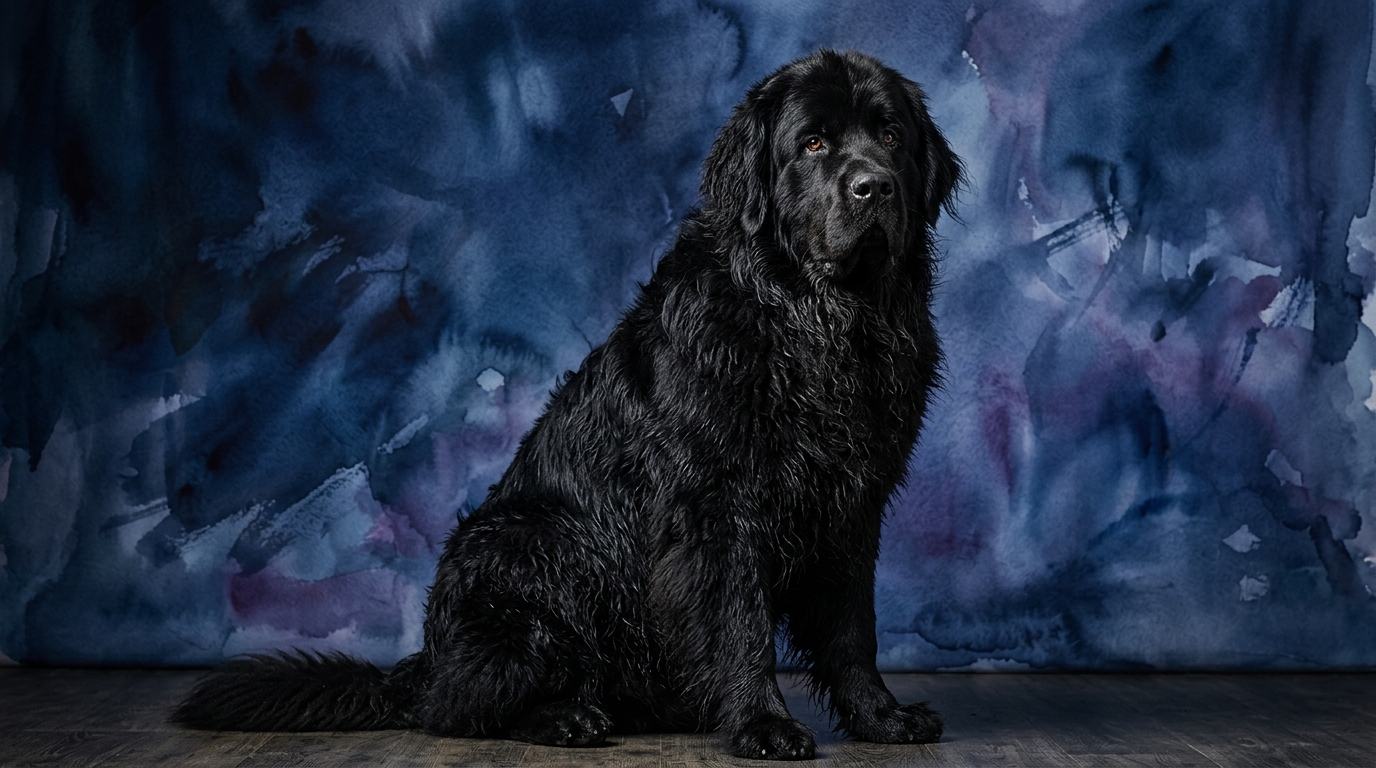
The Newfoundland, ranking #34 on Coren's scale, presents a cognitive profile geared towards cooperative endeavors and empathetic connection. Their Problem Solving is rated 3/5, indicating competence in practical tasks, particularly water rescue or retrieving, where they demonstrate effective solutions. Training Speed is a strong 4/5, reflecting their eagerness to learn and respond quickly to instruction, driven by an innate desire to please. Social Intelligence stands at an exceptional 5/5, showcasing a profound ability to understand human emotions and intentions, fostering deep bonds and harmonious interactions within a family or community. Their Instinctive Drive, also 5/5, is powerfully channeled towards rescue, protection, and companionship, compelling them to assist and guard. Finally, their Memory is solid at 4/5, allowing them to retain learned behaviors, recognize individuals, and recall experiences over time.
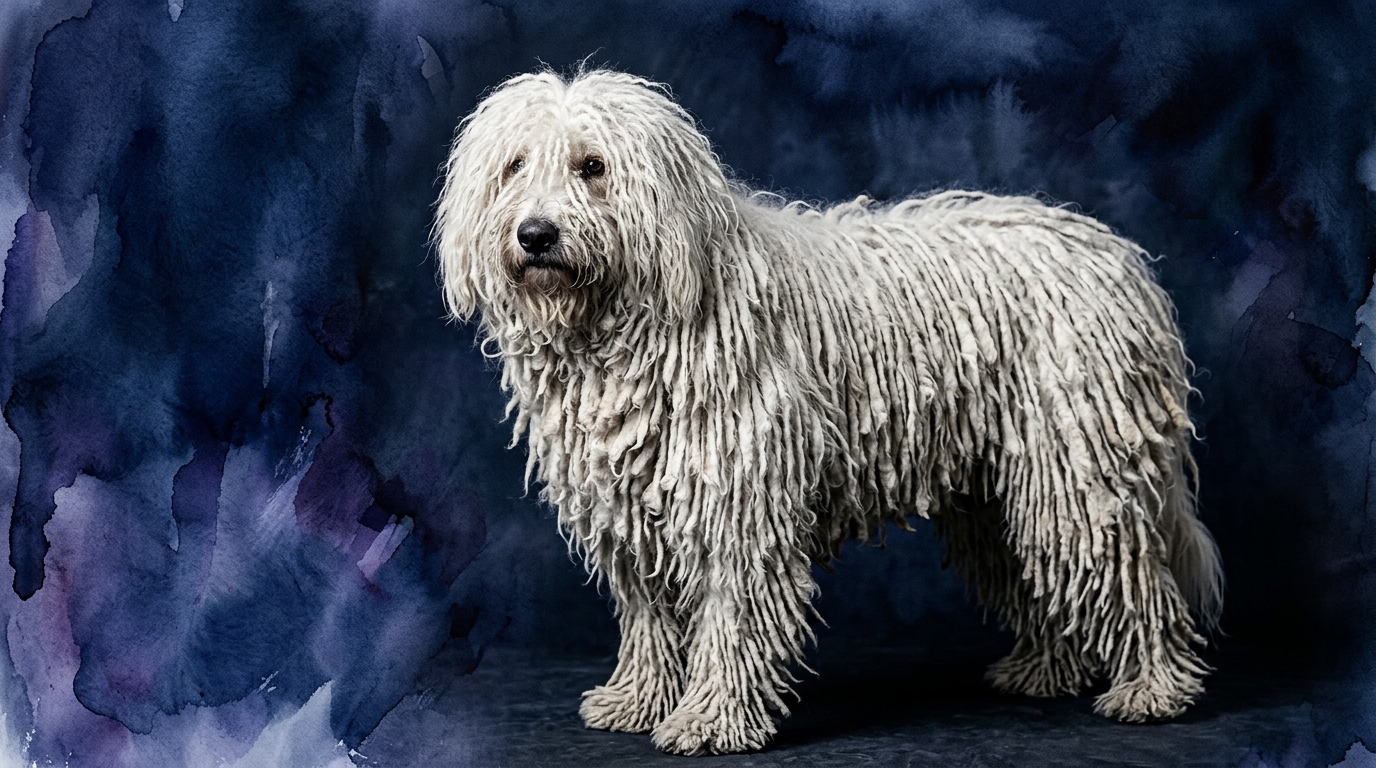
In contrast, the Komondor, positioned at #67 on Coren's scale, exhibits a cognitive makeup optimized for independent vigilance and self-reliance. Their Problem Solving, also 3/5, is typically applied within the context of their livestock guarding duties, where they independently assess threats and devise protective strategies. This problem-solving might not translate as readily to human-directed tasks. Their Training Speed is 3/5, meaning they can learn, but often require more patience and consistent methods due to their independent nature and less inherent drive to perform for human approval. Social Intelligence is rated 3/5; while deeply devoted to their immediate family, they maintain a reserved or suspicious demeanor towards strangers, prioritizing their protective role over broad social engagement. Instinctive Drive, at 3/5, is primarily focused on guarding and territorial defense, rather than the cooperative rescue drive seen in Newfoundlands. Their Memory, at 3/5, is sufficient for retaining commands and routines, yet their execution might be contingent on their own assessment of necessity, rather than immediate, unquestioning compliance.
Where the Newfoundland Wins Cognitively
The Newfoundland's cognitive strengths shine brightest in areas demanding cooperation, empathy, and rapid assimilation of new information. Their exceptional Social Intelligence (5/5) means they are profoundly attuned to the nuances of human interaction, making them superb companions and therapy dogs capable of sensing and responding to emotional states. This intrinsic understanding facilitates seamless integration into diverse family structures and social settings, adapting their behavior for harmony.
Furthermore, the Newfoundland's superior Training Speed (4/5) and powerful Instinctive Drive (5/5), particularly for water rescue and companionship, make them highly receptive students. They are eager to engage in learning activities, often picking up new commands and complex routines with remarkable alacrity. This combination results in a dog that is not only capable of understanding instructions but also deeply motivated to act upon them, finding genuine satisfaction in collaborative tasks and serving their human partners. Their solid Memory (4/5) further cements their ability to build upon past learning, ensuring consistency in behavior and reliable recall.
Where the Komondor Wins Cognitively
The Komondor's cognitive prowess is distinctly geared towards autonomy and unwavering protective vigilance, a legacy of their livestock guarding heritage. While their Problem Solving is rated 3/5, this score truly reflects an independent decision-making capacity essential for their historical role. Unlike breeds that excel in human-directed puzzle-solving, Komondors are masters of situational assessment, capable of evaluating threats and formulating protective responses without direct human intervention or constant cues. This self-reliant intellect hallmarks their breed.
Their cognitive strength lies in their ability to operate effectively in unsupervised environments, making independent judgments about safety and territorial defense. This unique application of problem-solving, coupled with their inherent independence, means they are not easily swayed or distracted from their perceived duties. Owners who understand and respect this autonomous cognitive style will find a dog that is a profoundly dedicated and self-sufficient guardian, whose decisions are rooted in an ancient, instinctual wisdom for protection.
Training Dynamics: Which Breed is Easier?
When considering ease of training, the Newfoundland holds a distinct advantage due to its innate desire to collaborate and its cognitive architecture. With a Training Speed of 4/5 and an impressive Social Intelligence of 5/5, Newfoundlands are inherently eager to please and highly responsive to human cues and positive reinforcement. Their strong instinctive drive for companionship and rescue means they actively seek to fulfill their owner's expectations, making training a cooperative and often joyous experience. They quickly form associations between commands and actions, and their empathy allows for nuanced communication during training sessions.
The Komondor, by contrast, presents a more significant training challenge, scoring 3/5 for both Training Speed and Social Intelligence. Their independent nature and primary focus on guarding mean they are less inclined to unquestioningly comply with commands purely for human approval. Training a Komondor requires immense patience, consistency, and a deep understanding of their guardian instincts. Owners must establish clear leadership and motivate the Komondor by demonstrating the relevance of commands to their intrinsic drive for security, rather than relying on a desire to please. They learn, but often on their own terms, requiring thoughtful and respectful guidance.
Matching Breeds to Owner Lifestyles
The Newfoundland is a superb match for owners who are active in terms of engagement and interaction, rather than solely high-intensity physical exercise. These dogs thrive with owners who enjoy structured training, participate in water activities, or seek a highly social companion for family outings and therapy work. Their high social intelligence and cooperative drive mean they require consistent mental stimulation and companionship, valuing shared activities and a prominent role within the family unit. An 'active owner' for a Newfoundland is one who actively involves their dog in daily life and provides ample opportunities for social interaction and problem-solving tasks that leverage their rescue instincts.
Conversely, the Komondor is better suited for owners who appreciate an independent, vigilant guardian and are prepared to manage a dog with a strong sense of self-reliance and territory. While they need regular exercise, their 'activity' often involves patrolling their property and observing their surroundings. These dogs are not typically suited for owners seeking a highly compliant, broadly social companion for frequent public outings. Instead, they thrive with relaxed owners who understand their need for personal space, respect their independent decision-making in guarding roles, and provide a secure environment where their innate protective instincts can be fulfilled without constant human direction.
The Verdict
Opt for a Newfoundland if you seek a deeply empathetic, cooperative, and highly trainable companion eager to participate in family life and engaging activities, especially those involving water or social interaction.
Choose a Komondor if you value an independent, vigilant guardian dog, understanding that their protective instincts and self-reliant problem-solving require a patient owner who respects their unique cognitive style.
🧠 Find Your Pet's IQ Score
Our Pet IQ Lab assessment covers 25+ tests across 5 cognitive dimensions — personalized to your breed.
Take the Full IQ Test →Frequently Asked Questions
Do Newfoundlands and Komondors learn at the same pace?
No, our Pet IQ Lab data indicates Newfoundlands possess a training speed of 4/5, learning commands and routines more readily than Komondors, who score 3/5. This difference stems from the Newfoundland's strong desire to cooperate and please its human companions.
How does social intelligence differ between these breeds?
Newfoundlands exhibit exceptional social intelligence at 5/5, demonstrating a profound empathy and adaptability in various social settings, including with children and other animals. Komondors, with a score of 3/5, tend to be more reserved with strangers and form deep bonds primarily with their immediate family, prioritizing vigilance.
Which breed is better at independent problem-solving?
Both breeds score 3/5 in problem-solving, but their application differs; Komondors are adept at autonomous decision-making within their guarding role, assessing threats independently. Newfoundlands apply their problem-solving to cooperative tasks, such as water rescue, often in partnership with humans.