Side-by-Side Cognitive Profiles
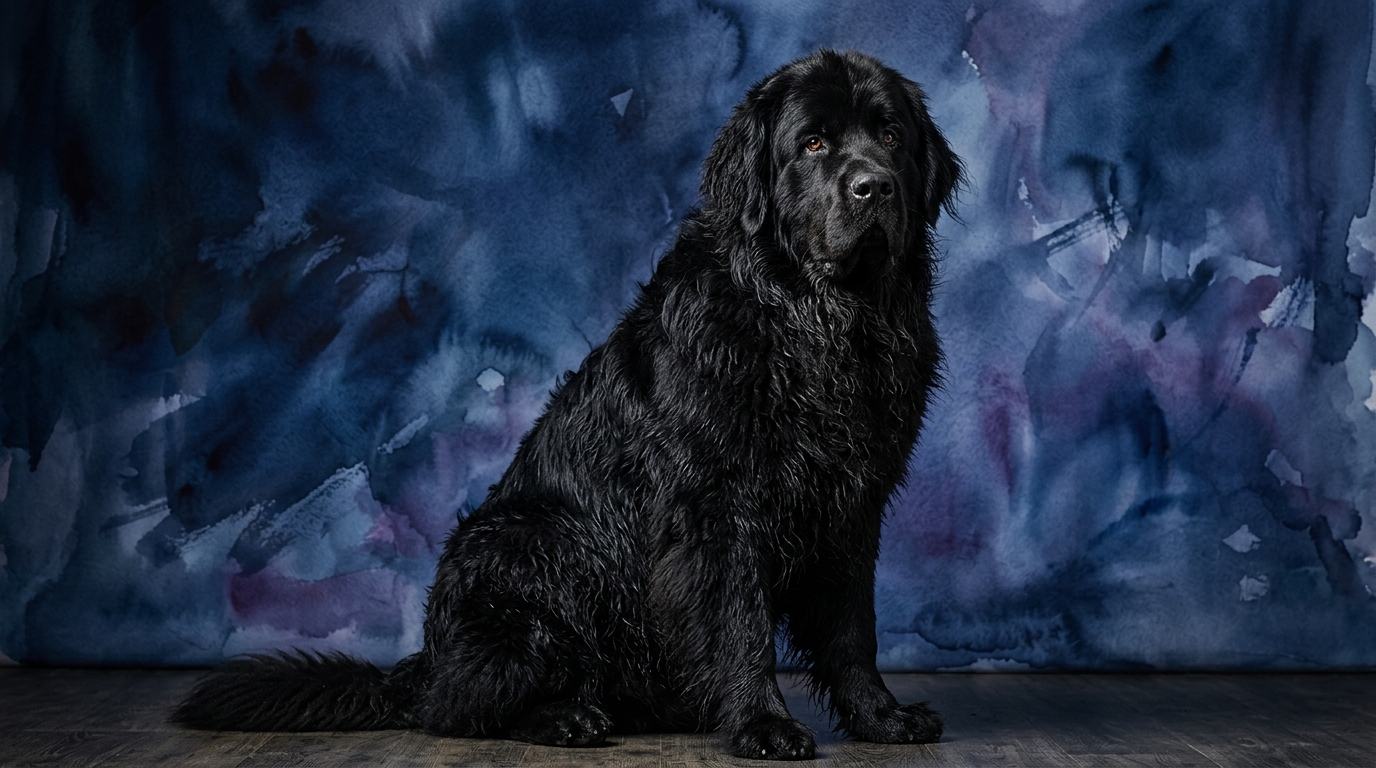
The Newfoundland, a working breed, presents a cognitive profile geared towards cooperation and empathy. They rank #34 on Coren's list of working intelligence, showcasing a problem-solving ability of 3/5, meaning they can apply known solutions effectively rather than innovate quickly. Their training speed is a strong 4/5, reflecting their eagerness to engage and learn. Social intelligence is an exceptional 5/5, indicating a deep understanding of human emotions and family dynamics. Their instinctive drive, rated 5/5, is powerfully directed towards water rescue and protection, embodying a complex blend of vigilance and action. Memory stands at 4/5, allowing for reliable retention of commands and routines.
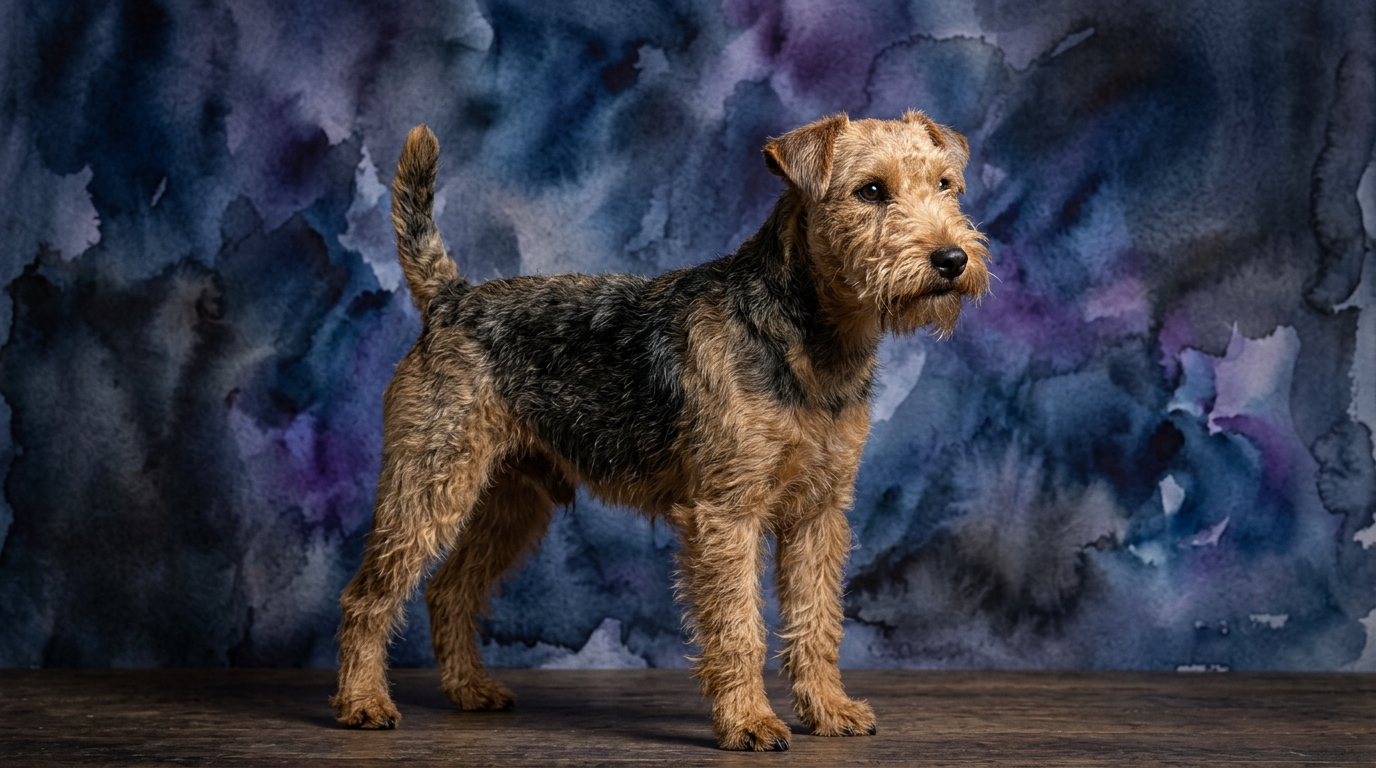
In contrast, the Lakeland Terrier, a terrier breed not Coren-ranked, possesses a more independent cognitive makeup. Their problem-solving ability is 3/5, often relying on tenacity and direct action rather than intricate thought. Training speed is 3/5, as their spirited independence can sometimes make learning a more patient endeavor. Social intelligence is 3/5, meaning they engage with their human companions but might not possess the same nuanced empathy as the Newfoundland. Their instinctive drive, also 3/5, centers on traditional terrier pursuits like hunting small game and digging. Memory for the Lakeland Terrier is 3/5, suggesting that consistent reinforcement is key for lasting recall.
Where the Newfoundland Excels Cognitively
The Newfoundland's most striking cognitive advantage lies in their social intelligence, scoring a perfect 5/5 compared to the Lakeland Terrier's 3/5. This translates into an unparalleled ability to read human emotions, offering comfort, sensing distress, and seamlessly integrating into a family's emotional landscape. This profound empathy makes them exceptional companions for those seeking a deeply connected bond.
Their instinctive drive (5/5 vs. 3/5) is another area of distinct strength. This isn't merely instinct; it's a cognitively complex program for water rescue and protection. A Newfoundland can assess dangerous situations, make decisive judgments, and act with remarkable courage and focus, demonstrating a sophisticated form of situational awareness and responsive action.
Furthermore, their training speed of 4/5 (versus 3/5) indicates a more cooperative and attentive mind. Newfoundlands process and internalize commands readily, driven by a desire to please and work alongside their human partners. This makes skill acquisition and behavioral modification generally faster and more fluid.
Where the Lakeland Terrier Shines Cognitively
While both breeds share a 3/5 problem-solving score, the Lakeland Terrier's approach to challenges is uniquely self-directed and tenacious. They often tackle obstacles with an independent, persistent spirit, demonstrating a cognitive resilience that prioritizes immediate action and resourcefulness over waiting for human cues. This can be an asset in situations requiring quick, unassisted decision-making, even if it appears to be brute force.
Their terrier heritage fosters a specific kind of cognitive adaptability in novel environments. Less reliant on established routines or constant human reassurance, Lakeland Terriers navigate new places and situations with a self-assured curiosity. This isn't necessarily higher 'intelligence,' but rather a distinct cognitive independence that allows them to explore and adapt with confidence.
The Lakeland's instinctive drive, while rated 3/5, manifests as a focused, persistent resourcefulness in pursuit. This requires a specific form of cognitive mapping and strategic thinking within a hunting context, where tracking scents and navigating varied terrain to locate quarry demonstrates a specialized intelligence for their original purpose. They exhibit a cleverness in outmaneuvering small prey that is distinct from the Newfoundland's cooperative drive.
Training Ease: Newfoundland vs. Lakeland Terrier
When it comes to ease of training, the Newfoundland generally presents a more straightforward experience. Their exceptional social intelligence (5/5) means they are highly attuned to human expectations and possess an innate desire to cooperate. Coupled with a strong training speed (4/5), Newfoundlands are eager to learn and respond well to positive reinforcement, interpreting cues with a clear intent to comply. Their cooperative nature makes them highly receptive to consistent guidance and gentle instruction, resulting in quicker command acquisition and better retention of learned behaviors.
Conversely, training a Lakeland Terrier typically requires more patience and consistency. Their independent nature and strong instinctive drives (3/5 for both social intelligence and instinctive drive) mean they often prioritize their own agenda or environmental stimuli over human commands. While capable of learning, their inherent stubbornness and self-reliance can make focusing their attention a challenge. Owners often need to employ more creative motivational techniques and maintain unwavering consistency to ensure commands are not just understood, but consistently executed, especially when distractions are present.
Lifestyle Suitability: Active vs. Relaxed Owners
The Newfoundland, despite their imposing size, is often a better fit for more relaxed owners. Their high social intelligence and deep desire for companionship mean they are content being near their family, observing rather than constantly seeking action. While they require regular exercise, their cognitive fulfillment comes from social interaction and gentle vigilance, rather than relentless physical exertion. They are often calm indoors, making them suitable for owners who appreciate a steadfast, empathetic presence without demanding constant activity.
The Lakeland Terrier, with their spirited energy and independent cognitive profile, is ideally suited for active owners. Their terrier tenacity and lower social intelligence score (3/5) mean they thrive on consistent mental and physical engagement. They need outlets for their problem-solving drive and instinctive behaviors, such as agility, scent work, or vigorous play. An owner who can provide structured activities and outdoor adventures will find the Lakeland Terrier a vibrant and engaging companion, whereas a more relaxed owner might find their independent nature manifests as boredom-driven behaviors.
The Verdict
Opt for the Newfoundland if you seek a deeply empathetic companion who integrates seamlessly into family life, offering gentle protective instincts and a cooperative spirit in learning.
Select the Lakeland Terrier if you appreciate a spirited, independent companion who thrives on engaging challenges and offers a tenacious, self-reliant personality.
🧠 Find Your Pet's IQ Score
Our Pet IQ Lab assessment covers 25+ tests across 5 cognitive dimensions — personalized to your breed.
Take the Full IQ Test →Frequently Asked Questions
Do Newfoundlands make good first-time dogs?
Yes, their high social intelligence and eager-to-please nature make them relatively straightforward to train and integrate into a household. Their cooperative disposition means they are forgiving of novice mistakes, focusing on forming strong bonds with their human companions.
Are Lakeland Terriers prone to digging?
Their instinctive drive, while rated 3/5, includes a strong propensity for digging, inherited from their badger-hunting lineage. Providing designated digging areas or engaging in earthdog trials can help redirect this natural behavior into an appropriate outlet.
How do their memory scores impact daily life?
A Newfoundland's 4/5 memory means they retain routines and commands reliably, making daily interactions predictable and reinforcing learned behaviors effectively. A Lakeland Terrier's 3/5 memory means consistent reinforcement is crucial to keep commands fresh, as their independent streak might overshadow less-practiced lessons if not regularly revisited.