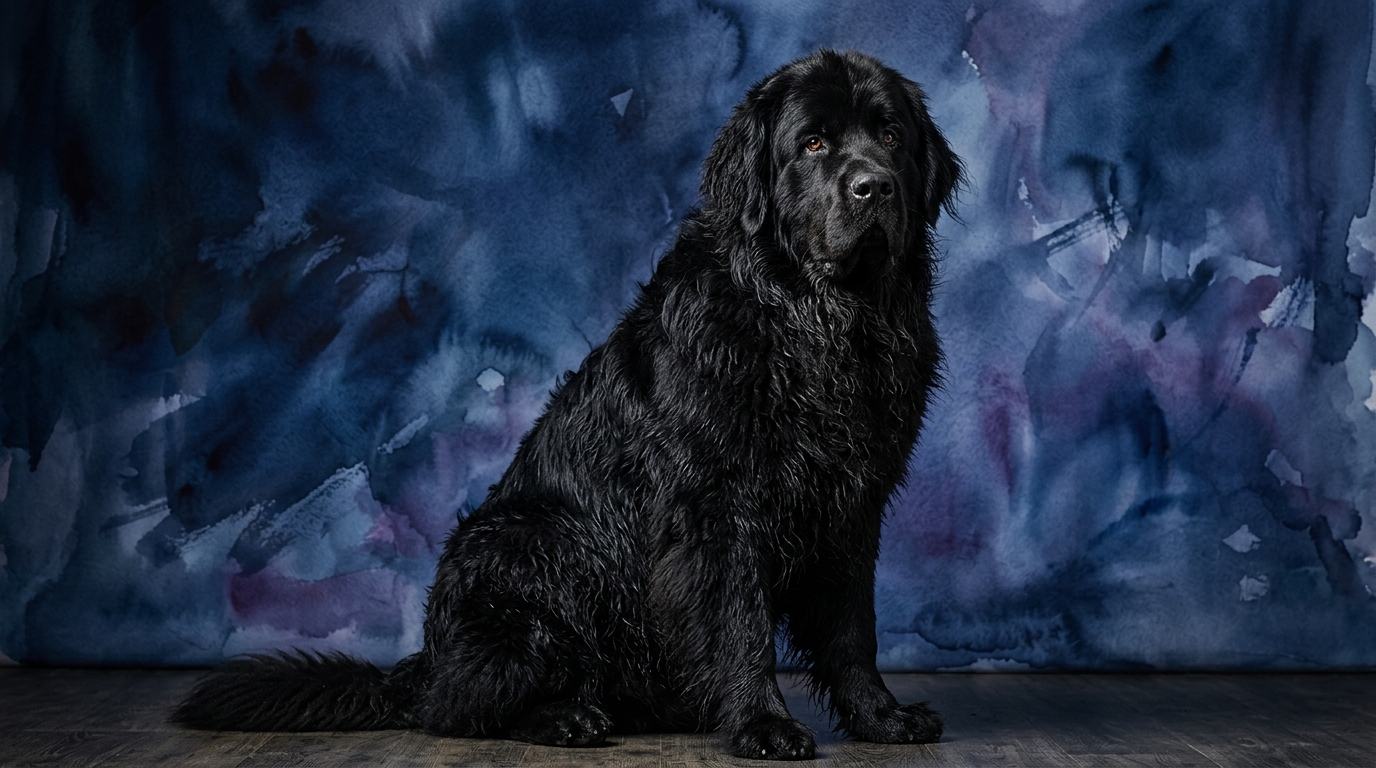
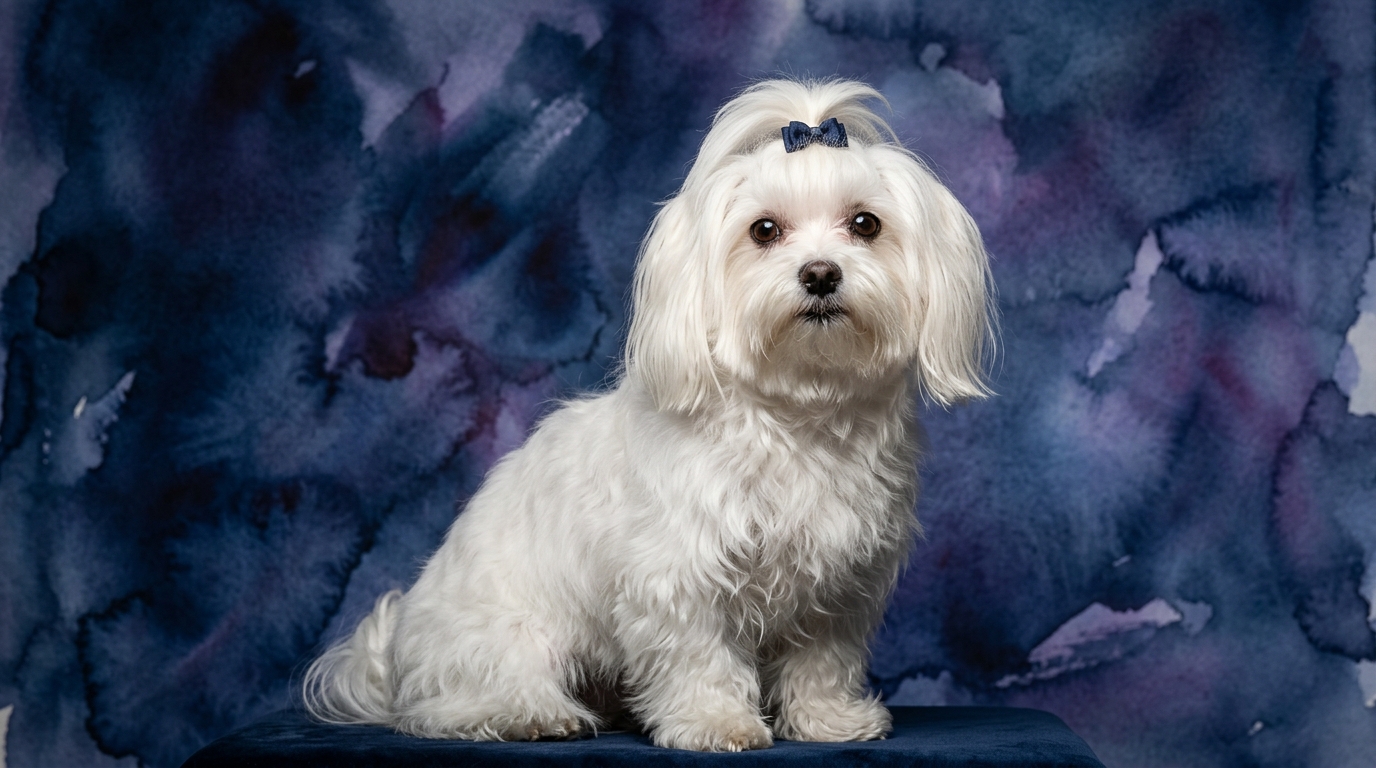
Side-by-Side Cognitive Profiles
The Newfoundland, a majestic working dog ranking #34 on the Coren intelligence scale, presents a fascinating cognitive blueprint. Their problem-solving capacity sits at a solid 3/5, indicating an ability to navigate complex situations, though perhaps not always with immediate, groundbreaking innovation. Training speed is a notable 4/5, reflecting a readiness to absorb new commands and behaviors efficiently when given clear direction. Where they truly shine is in social intelligence, scoring an exceptional 5/5; these dogs are profoundly attuned to human emotions and intentions, fostering deep, empathetic connections. Their instinctive drive is also a perfect 5/5, rooted in centuries of water rescue and guardianship, manifesting as a strong desire to assist and protect. Finally, their memory is robust at 4/5, allowing them to retain learned lessons and experiences over time.
In stark contrast, the Maltese, a charming toy breed ranking #59, offers a different yet equally specialized cognitive makeup. Their problem-solving ability matches the Newfoundland at 3/5, demonstrating a capacity to figure out puzzles and adapt to their environment, albeit often focused on comfort or attention. Training speed is a moderate 3/5, suggesting they learn new tasks at a steady pace, benefiting from consistent, positive reinforcement. Like their larger counterpart, the Maltese boasts a remarkable 5/5 in social intelligence, displaying an uncanny ability to read and respond to their human companions' moods, often using their charm to their advantage. Their instinctive drive, however, is a lower 2/5, primarily centered on companionship rather than traditional working roles. Their memory is a reasonable 3/5, allowing them to recall routines and basic commands, though complex sequences might require more frequent reinforcement.
Where the Newfoundland's Cognition Excels
The Newfoundland's cognitive strengths are deeply intertwined with its historical purpose and physical attributes. Their superior instinctive drive, rated 5/5, manifests as an innate desire for purpose-driven tasks. This isn't merely about physical capability; it's a cognitive inclination to engage in activities like water rescue, carting, or guardianship, where they apply their considerable strength and problem-solving to real-world challenges. This deep-seated drive means they are often inherently motivated to participate in activities that mimic their ancestral roles, making them eager partners in structured "work."
Furthermore, their higher training speed (4/5) compared to the Maltese (3/5) allows them to grasp multi-step commands and complex routines more quickly. This cognitive advantage is crucial for breeds engaged in demanding tasks, where rapid learning and reliable execution are paramount. A Newfoundland's memory (4/5) also supports this, enabling them to retain intricate sequences and respond consistently, making them particularly adept at advanced obedience or specialized tasks requiring a longer cognitive chain of events. Their ability to quickly connect actions with desired outcomes and remember these connections over time gives them an edge in learning intricate behaviors.
Unpacking the Maltese's Unique Cognitive Strengths
While the Newfoundland excels in traditional working intelligence, the Maltese demonstrates a refined cognitive prowess tailored to its role as a companion. Both breeds score 5/5 in social intelligence, but the Maltese's expression of this is particularly acute in manipulating its environment for comfort and attention. Their smaller size and dependence on human interaction have honed their ability to use subtle cues – a specific whine, a gentle nudge, or a focused stare – to communicate desires and elicit responses from their owners. This isn't a flaw; it's a highly sophisticated form of social problem-solving, where they cleverly navigate human emotions and routines to achieve their desired outcomes, whether it's more lap time or a favorite treat.
The Maltese's problem-solving (3/5) might not involve complex rescue scenarios, but it shines in domestic ingenuity. They are adept at figuring out how to reach preferred sleeping spots, bypass perceived obstacles to get closer to their human, or even "train" their owners to respond to specific demands. This resourcefulness, often perceived as charming persistence, is a cognitive strength in its own right, focused on optimizing their companion lifestyle. Their memory (3/5) supports this by allowing them to consistently recall which behaviors yield positive results from their human companions, reinforcing their charming strategies.
Training Dynamics: Newfoundland vs. Maltese
When it comes to trainability, the differences between these breeds become evident, rooted in their distinct cognitive profiles. The Newfoundland, with its 4/5 training speed and 5/5 instinctive drive, generally proves easier for traditional obedience and complex task learning. Their inherent desire to please and participate, coupled with their strong connection to humans (5/5 social intelligence), means they often view training as a collaborative effort. They thrive on having a "job" and respond enthusiastically to consistent, positive reinforcement, absorbing new commands with remarkable efficiency. Their working dog lineage means they are often eager for direction and purpose.
The Maltese, while certainly trainable, presents a different set of considerations. Their 3/5 training speed and lower 2/5 instinctive drive mean they might require more patience and repetition. Their social intelligence (5/5) means they are highly motivated by human attention and affection, but their primary "job" is companionship. This can sometimes translate into selective hearing if they perceive a command as less rewarding than an alternative activity, like cuddling. Training success with a Maltese often hinges on making lessons fun, engaging, and directly linked to positive social interaction, leveraging their desire for connection rather than relying on a strong work ethic. Their problem-solving (3/5) might even be applied to finding ways around commands they deem less interesting.
Matching Breed to Lifestyle: Active vs. Relaxed Owners
The Newfoundland is an ideal match for active owners who relish outdoor adventures and can provide ample physical and mental engagement. Their substantial size and powerful build necessitate regular exercise, including long walks, hiking, or swimming, which aligns perfectly with their 5/5 instinctive drive for water and physical activity. Beyond physical exertion, these dogs thrive on mental stimulation through training, puzzle toys, and opportunities to "work" alongside their human. An owner who understands and caters to this breed's need for purpose will unlock their full cognitive potential, appreciating their readiness to learn and participate in varied activities.
Conversely, the Maltese is perfectly suited for more relaxed owners who desire a constant, affectionate presence without demanding extensive outdoor activity. Their minimal exercise requirements – short walks or indoor play – make them excellent apartment dwellers or companions for those with a less active lifestyle. What they demand, however, is abundant human interaction and companionship, leveraging their 5/5 social intelligence. They thrive on being involved in daily family life, enjoying lap time, gentle play, and consistent attention. Owners who appreciate a dog whose primary joy is intimate human connection will find the Maltese an unparalleled companion, fulfilling their need for close bonding and reciprocal affection.
The Verdict
For those seeking a loyal, gentle giant with a strong drive for purposeful activity and who can provide consistent training and ample physical outlets, the Newfoundland is an exceptional choice.
Opt for the Maltese if you desire a charming, attentive companion whose greatest pleasure is close human interaction and whose exercise needs are modest, thriving in a more relaxed domestic setting.
🧠 Find Your Pet's IQ Score
Our Pet IQ Lab assessment covers 25+ tests across 5 cognitive dimensions — personalized to your breed.
Take the Full IQ Test →Frequently Asked Questions
Are Newfoundlands good family dogs?
Yes, Newfoundlands are renowned for their gentle and patient temperament, making them excellent family dogs, especially with children. Their high social intelligence and protective instincts ensure they form strong, loving bonds with all family members.
Do Maltese dogs bark a lot?
Maltese dogs can be prone to barking, particularly if not properly socialized or if left alone for extended periods. Their strong social intelligence means they communicate their needs, including boredom or anxiety, vocally.
How much exercise does a Newfoundland need?
Newfoundlands require moderate to high levels of exercise daily, including long walks, swimming, or engaging in activities that stimulate their working drives. Consistent physical activity is crucial for their well-being and to prevent boredom.