A Side-by-Side Look at Cognitive Profiles
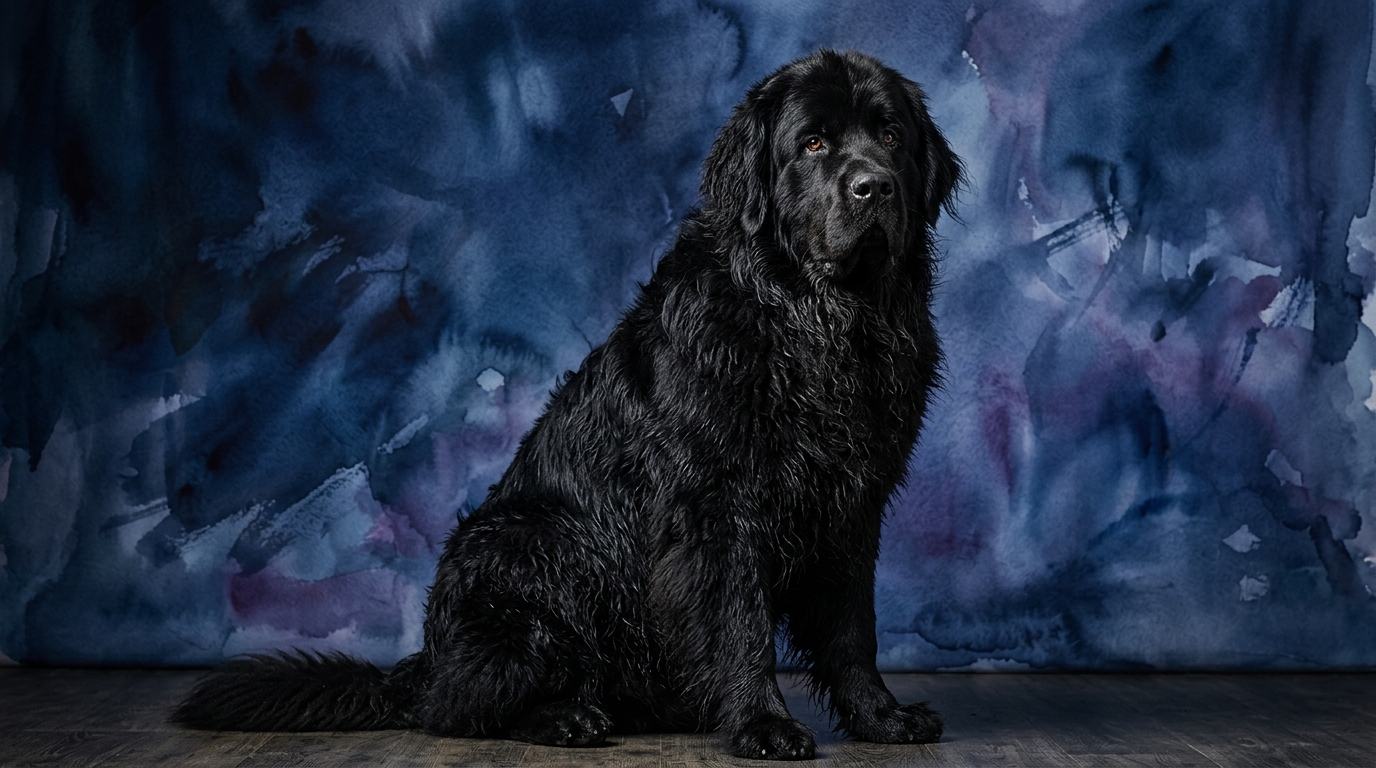
The majestic Newfoundland, a Working breed ranked #34 by Coren, demonstrates a balanced cognitive profile geared towards cooperation and purposeful action. Their problem-solving capacity sits at a solid 3 out of 5, indicating they can navigate complex situations and learn from experience, though they might not always seek the most novel solutions independently. Training speed is a strong 4 out of 5, reflecting an eagerness to absorb commands and routines, making them generally responsive students. Social intelligence is an exceptional 5 out of 5, showcasing a profound ability to interpret human cues, empathize, and integrate seamlessly into family dynamics. Their instinctive drive, also a 5 out of 5, is primarily channeled into their historical roles of water rescue and guardianship, manifesting as a strong desire to aid and protect. Memory, rated 4 out of 5, allows them to retain learned behaviors and social interactions over extended periods, contributing to their reliable and consistent demeanor.
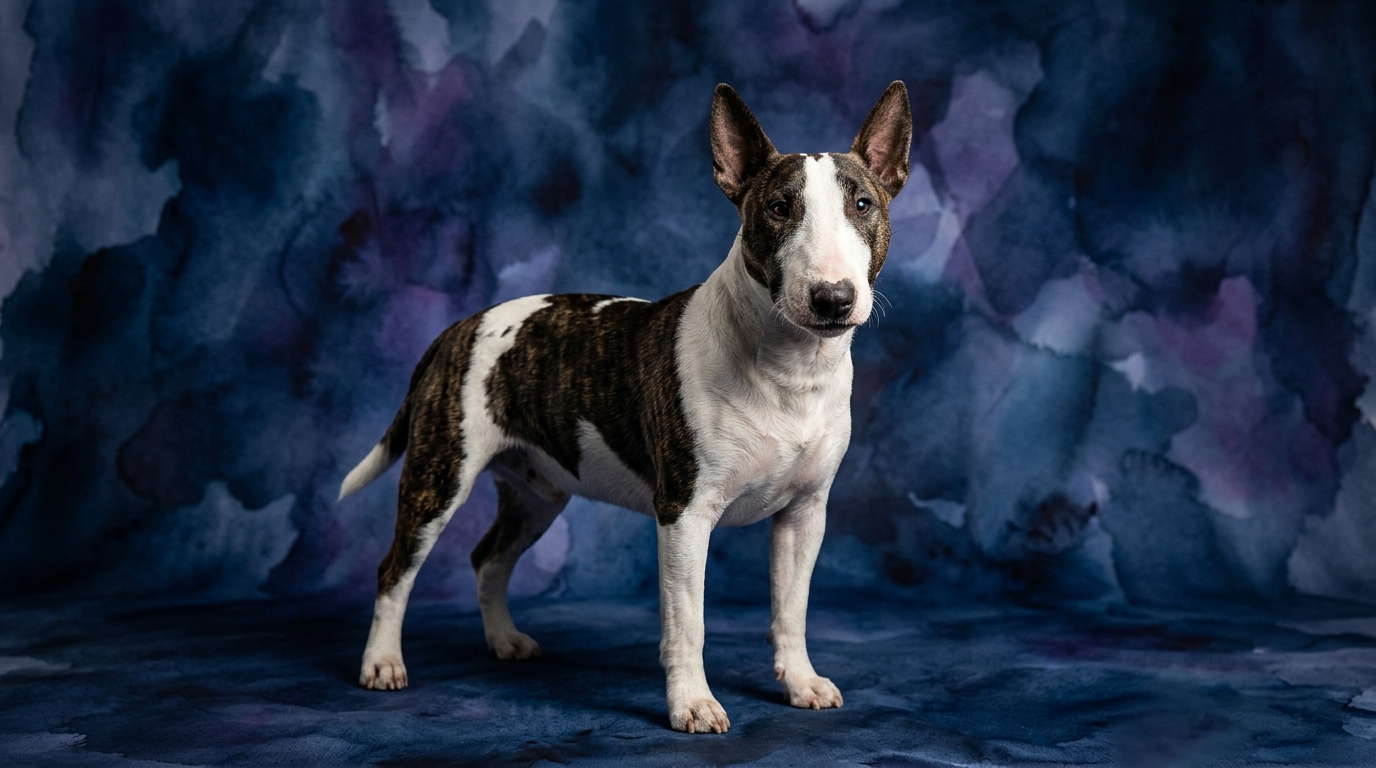
The Terrier Group’s Miniature Bull Terrier presents a distinct cognitive makeup, not appearing on Coren's ranking but possessing its own set of mental strengths. Their problem-solving score of 3 out of 5 suggests an ability to figure things out, often through persistence and independent thought, rather than necessarily seeking direction. Training speed is a moderate 3 out of 5, meaning they can learn, but often require more patience and consistent motivation due to their independent nature. Social intelligence, also 3 out of 5, indicates they form strong bonds with their chosen people, but might be more reserved or selective in broader social settings. Their instinctive drive, at 3 out of 5, is expressed through typical terrier traits like digging, chasing, and a determined pursuit of interests, often with a singular focus. Memory, rated 3 out of 5, means they can recall commands and experiences, but consistent reinforcement helps solidify their learning given their occasional distractibility.
Where the Newfoundland Shines Cognitively
The Newfoundland truly excels in areas demanding deep social understanding and a strong drive for cooperation, attributes that stem directly from their historical roles. Their perfect 5 out of 5 in social intelligence means they are exceptionally adept at reading human emotions, anticipating needs, and offering comfort without explicit command. This manifests in their gentle interactions with children, their ability to sense distress, and their willingness to integrate into family life as a benevolent presence, often acting as a self-appointed guardian.
Furthermore, their 5 out of 5 instinctive drive, originally honed for water rescue, makes them inherently inclined towards purposeful work alongside humans. This drive isn't just about physical exertion; it's a cognitive inclination to engage in tasks that benefit their human companions, making them naturally responsive to collaborative activities like cart pulling or therapy work. Their 4 out of 5 training speed complements this, allowing them to quickly grasp complex sequences of commands when they perceive a clear purpose, contrasting with breeds that might question the utility of a task.
Unique Strengths of the Miniature Bull Terrier
While the Miniature Bull Terrier's cognitive scores are generally more moderate, their strengths lie in their determined independence and focused tenacity, which are distinct advantages in certain contexts. Their 3 out of 5 problem-solving ability, though not top-tier, is often coupled with a persistent will to achieve their goal, whether it's figuring out how to open a cabinet or navigating a complex scent trail. This can be a strength for owners who appreciate a dog with a unique, self-directed approach to challenges.
Their instinctive drive, also 3 out of 5, translates into a powerful, unwavering focus when engaged in an activity they enjoy, such as digging or playing with a favored toy. This singular concentration, while sometimes challenging to redirect, means they can be incredibly dedicated to a task once their interest is piqued. For an owner who understands how to channel this terrier spirit, their cognitive framework supports a dog that approaches life with an unyielding zest and a distinct personality, often showing a cleverness in achieving their own objectives.
Trainability: A Tale of Two Temperaments
When it comes to ease of training, the Newfoundland generally presents a more straightforward experience due to their higher scores in training speed and social intelligence. Their 4 out of 5 training speed is bolstered by a strong desire to please their human companions, making them eager participants in learning sessions. They are quick to understand what is expected and readily comply, especially when positive reinforcement is consistently applied. Their superior social intelligence means they pick up on subtle cues from their trainer, making communication more fluid and effective.
The Miniature Bull Terrier, with a training speed of 3 out of 5, often requires a more nuanced approach. Their independent nature and terrier stubbornness mean they might question the necessity of a command or prefer to follow their own agenda. While capable of learning, their training demands patience, creativity, and a consistent, firm yet fair hand. Behavioral differences like a shorter attention span for repetitive tasks or a stronger prey drive needing careful management mean that training sessions must be engaging and varied to maintain their interest and commitment.
Lifestyle Match: Active vs. Relaxed Owners
The Newfoundland, despite its large size, often suits a more relaxed owner or family, provided their physical needs for moderate exercise are met. Their calm demeanor, high social intelligence, and strong desire to be part of the family mean they thrive in environments where they can be close to their people, offering gentle companionship. While they enjoy outdoor activities, their instinctive drive is more about watchful presence and cooperative tasks than high-octane, continuous action. Owners who appreciate a steady, affectionate, and relatively low-key presence will find the Newfoundland a fulfilling companion.
In contrast, the Miniature Bull Terrier is better suited for active owners who are prepared to engage with their dog's spirited energy and independent mind. Their 3 out of 5 instinctive drive, combined with a persistent nature, means they require consistent mental stimulation and physical activity to prevent boredom and destructive behaviors. This breed thrives with owners who enjoy active play, structured training, and perhaps even dog sports that challenge their problem-solving and tenacity. They are companions for those who appreciate a dog with a bold personality and are willing to invest time in channeling their their unique terrier vivacity.
The Verdict
Choose a Newfoundland if you seek a gentle, empathetic, and cooperative companion who thrives on social interaction and offers unwavering loyalty within a family setting. Their natural inclination to please and substantial social intelligence make them a rewarding choice for those desiring a steady, benevolent presence.
Opt for a Miniature Bull Terrier if you are an experienced owner prepared for a spirited, independent, and tenacious companion with a unique personality and a need for consistent engagement. Their bold nature and focused drive require a dedicated approach to training and socialization, offering a lively and devoted partnership.
🧠 Find Your Pet's IQ Score
Our Pet IQ Lab assessment covers 25+ tests across 5 cognitive dimensions — personalized to your breed.
Take the Full IQ Test →Frequently Asked Questions
Are Newfoundlands easy to train for first-time dog owners?
Yes, Newfoundlands are generally considered easier to train for first-time owners due to their 4/5 training speed and exceptional 5/5 social intelligence. They are eager to please and responsive to positive reinforcement, making the learning process smoother for novices.
What kind of mental stimulation does a Miniature Bull Terrier need?
Miniature Bull Terriers, with their 3/5 problem-solving and instinctive drive, benefit from varied mental stimulation like puzzle toys, scent work, and consistent, engaging training sessions. Their independent nature means activities that challenge their tenacity and offer a sense of accomplishment are particularly effective.
How do these breeds interact with other pets or children?
Newfoundlands typically excel in social settings, with a 5/5 social intelligence making them gentle and patient with children and other pets. Miniature Bull Terriers, at 3/5 social intelligence, can form strong bonds but may require more careful, early socialization to ensure harmonious interactions with other animals and children.