Side-by-Side IQ Profile: Newfoundland vs. Parson Russell Terrier
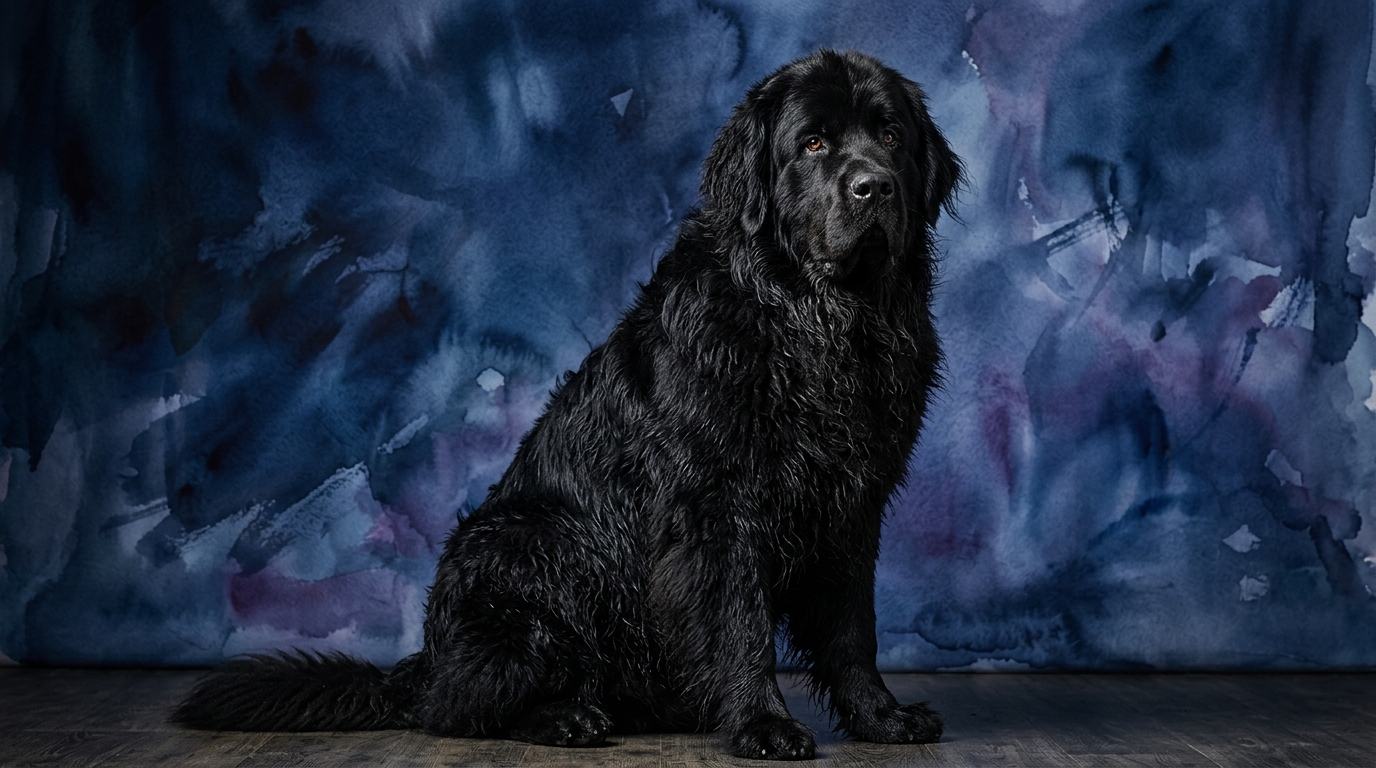
The Cosmic Pet Pet IQ Lab employs a multi-dimensional approach to assess canine intelligence, moving beyond single-score rankings to appreciate the nuanced cognitive profiles of different breeds. For the Newfoundland, a Working group dog with a Coren rank of #34, its intelligence dimensions paint a picture of a socially attuned and instinctively driven companion. Its Problem Solving is rated 3/5, indicating a practical, situation-based approach rather than complex abstract reasoning. Training Speed shines at 4/5, reflecting its receptiveness to learning new commands and routines. Where the Newfoundland truly excels is in Social Intelligence, scoring a perfect 5/5, demonstrating an exceptional ability to read human emotions and integrate into family dynamics. Its Instinctive Drive is also 5/5, particularly evident in its powerful water rescue and protective instincts. Finally, its Memory is strong at 4/5, contributing to its reliability and consistent recall.
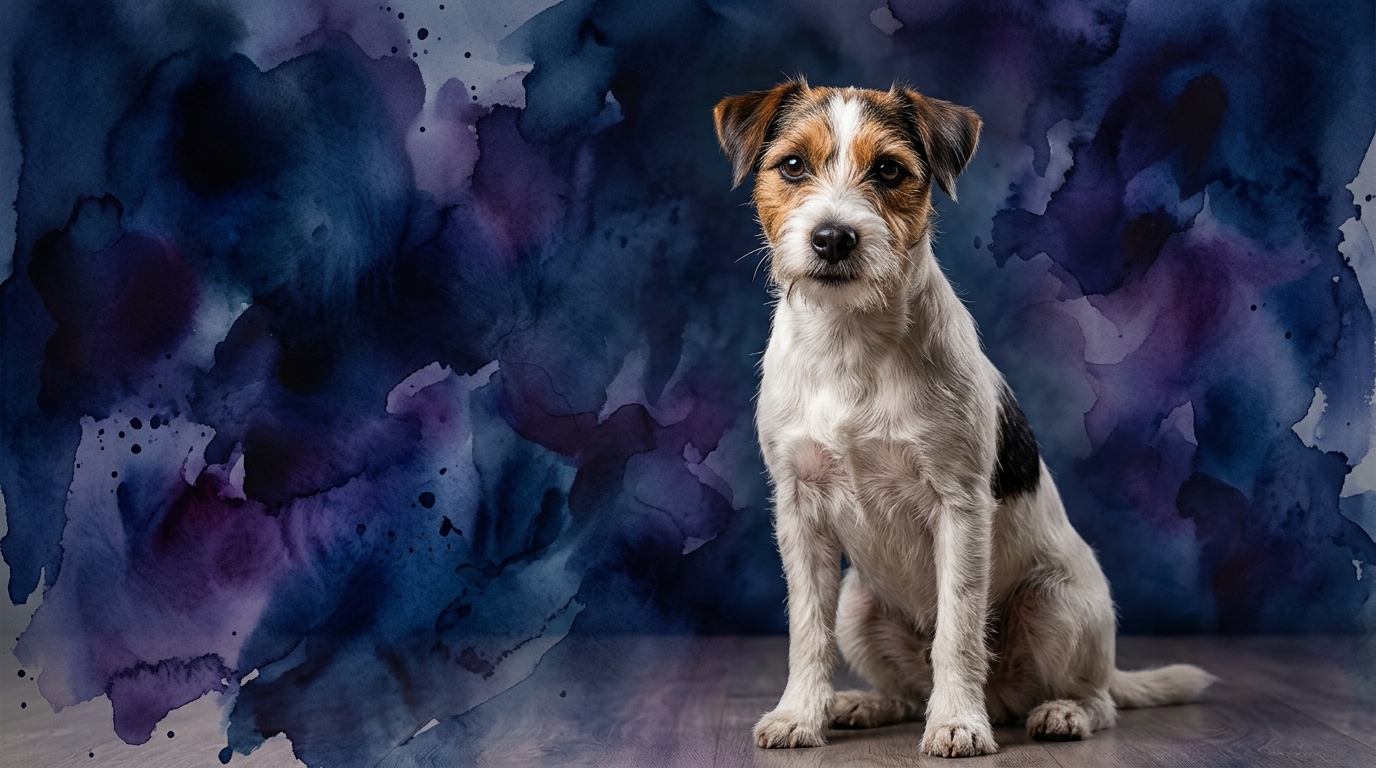
In contrast, the Parson Russell Terrier, a Terrier group dog not specifically Coren-ranked, presents a different cognitive blueprint, reflecting its independent, tenacious heritage. Its Problem Solving is also 3/5, but this manifests as persistent, often self-directed ingenuity in tasks related to its hunting background, like figuring out how to access a scent or navigate complex terrain. Training Speed is rated 3/5, suggesting that while capable, this breed requires more consistent, engaging methods due to its independent streak. Social Intelligence for the Parson Russell Terrier is 3/5; while affectionate with its family, its focus is often on its own pursuits rather than constant human interaction. Its Instinctive Drive, also 3/5, is powerfully geared towards chasing, digging, and hunting, making it highly motivated by prey-related stimuli. Memory for the Parson Russell Terrier is 3/5, meaning it retains information but might appear to 'forget' commands if a more stimulating distraction arises.
Where the Newfoundland Wins Cognitively
The Newfoundland's cognitive strengths are profoundly rooted in its exceptional social intelligence and powerful instinctive drives. With a perfect 5/5 in social intelligence, these gentle giants possess an unparalleled ability to interpret human emotions, respond to subtle cues, and form deep, empathetic bonds. This makes them remarkably attuned companions, often anticipating needs or sensing distress long before overt signs appear, acting as natural caregivers within the family unit. Their 5/5 instinctive drive for water rescue and protection is another profound cognitive advantage. This isn't just a physical capability; it's a complex set of behaviors, decision-making processes, and an inherent sense of responsibility that defines their role as a 'nanny dog,' demonstrating an innate understanding of how to assist and safeguard. Furthermore, their 4/5 training speed and memory mean they efficiently absorb and retain complex sequences of actions, making them highly reliable in tasks requiring consistent execution, from competitive obedience to actual rescue work, once their social motivation is engaged.
Where the Parson Russell Terrier's Cognitive Strengths Lie
While its overall IQ scores appear lower, the Parson Russell Terrier exhibits distinct cognitive strengths particularly suited to its terrier heritage. Its problem-solving, rated 3/5, is characterized by a tenacious, independent approach. Unlike the Newfoundland's socially-driven problem-solving, the Parson Russell Terrier excels at figuring out how to overcome physical obstacles or access targets, often displaying remarkable ingenuity and persistence in pursuit of a perceived 'prey' or goal. This isn't about pleasing a human; it's about achieving an objective. Their instinctive drive, also 3/5, while not as high as the Newfoundland's for specific rescue tasks, is intensely focused on hunting and exploration. This translates into a quick reaction time and single-minded focus when a scent or movement triggers their prey drive, demanding rapid cognitive processing and decision-making in dynamic environments. Their lower social intelligence allows for a greater degree of independent thought and action, which is crucial for a dog bred to work alone in challenging conditions, requiring them to make rapid, self-directed choices without constant human instruction.
Training Dynamics: A Tale of Two Approaches
The Newfoundland is generally easier to train due to its higher scores in training speed (4/5) and social intelligence (5/5). Their innate desire to please, coupled with their strong ability to read human cues and emotions, makes them highly receptive to instruction. They quickly understand what is expected of them and are motivated by positive reinforcement, forming associations between commands and actions efficiently and reliably. In contrast, the Parson Russell Terrier, with a training speed of 3/5 and social intelligence also at 3/5, presents a more engaging challenge. Their independent nature and strong instinctive drives, particularly for chasing and digging, mean that training sessions often require more patience, creativity, and a consistent focus on channeling their energy. While certainly capable of learning, their inherent drive to follow their nose or pursue a perceived quarry can sometimes override a learned command, demanding an owner who understands how to make training more compelling than external distractions.
Matching Breeds to Lifestyles: Active vs. Relaxed Owners
For active owners seeking a dynamic, high-energy companion that thrives on consistent engagement and mental stimulation, the Parson Russell Terrier is an ideal match. Their robust instinctive drive and independent problem-solving mean they require daily outlets for their boundless energy, excelling in activities like agility, earthdog trials, or long, exploratory hikes where their keen senses can be put to good use. Owners must be prepared to provide structured activities that challenge both their physical prowess and their inquisitive minds. Conversely, the Newfoundland is better suited for more relaxed owners who appreciate a calm, devoted presence, yet still commit to regular, moderate exercise. While they need daily walks and enjoy swimming, their overall energy expenditure is lower than the terrier's. Their high social intelligence and strong memory make them content with companionship and family activities, thriving on connection rather than constant high-octane stimulation, though they still benefit immensely from opportunities to engage their natural water instincts.
The Verdict
Choose the Newfoundland if you seek a deeply empathetic, highly trainable companion eager to integrate into family life, valuing social connection and a gentle, protective presence.
Opt for the Parson Russell Terrier if you are an active, experienced owner prepared to channel a tenacious, independent spirit into consistent training and engaging, high-energy activities.
🧠 Find Your Pet's IQ Score
Our Pet IQ Lab assessment covers 25+ tests across 5 cognitive dimensions — personalized to your breed.
Take the Full IQ Test →Frequently Asked Questions
How does the Newfoundland's social intelligence impact its behavior?
The Newfoundland's 5/5 social intelligence means it is exceptionally attuned to human emotions and social cues, fostering deep empathetic bonds and often acting as a gentle, intuitive companion within the family unit.
What kind of problem-solving is typical for a Parson Russell Terrier?
Parson Russell Terriers, rated 3/5 in problem-solving, excel at practical, independent tasks, particularly those related to hunting or navigating physical environments, often displaying tenacity in reaching a specific goal.
Does a lower Coren rank mean a dog is less capable?
Not necessarily; Coren's ranking primarily assesses obedience intelligence (training speed), and a breed's cognitive strengths can lie in other areas like social intelligence, instinctive drives, or independent problem-solving not captured by that specific metric.