The Cosmic Pet Pet IQ Lab: Newfoundland vs. Pekingese Cognitive Profiles
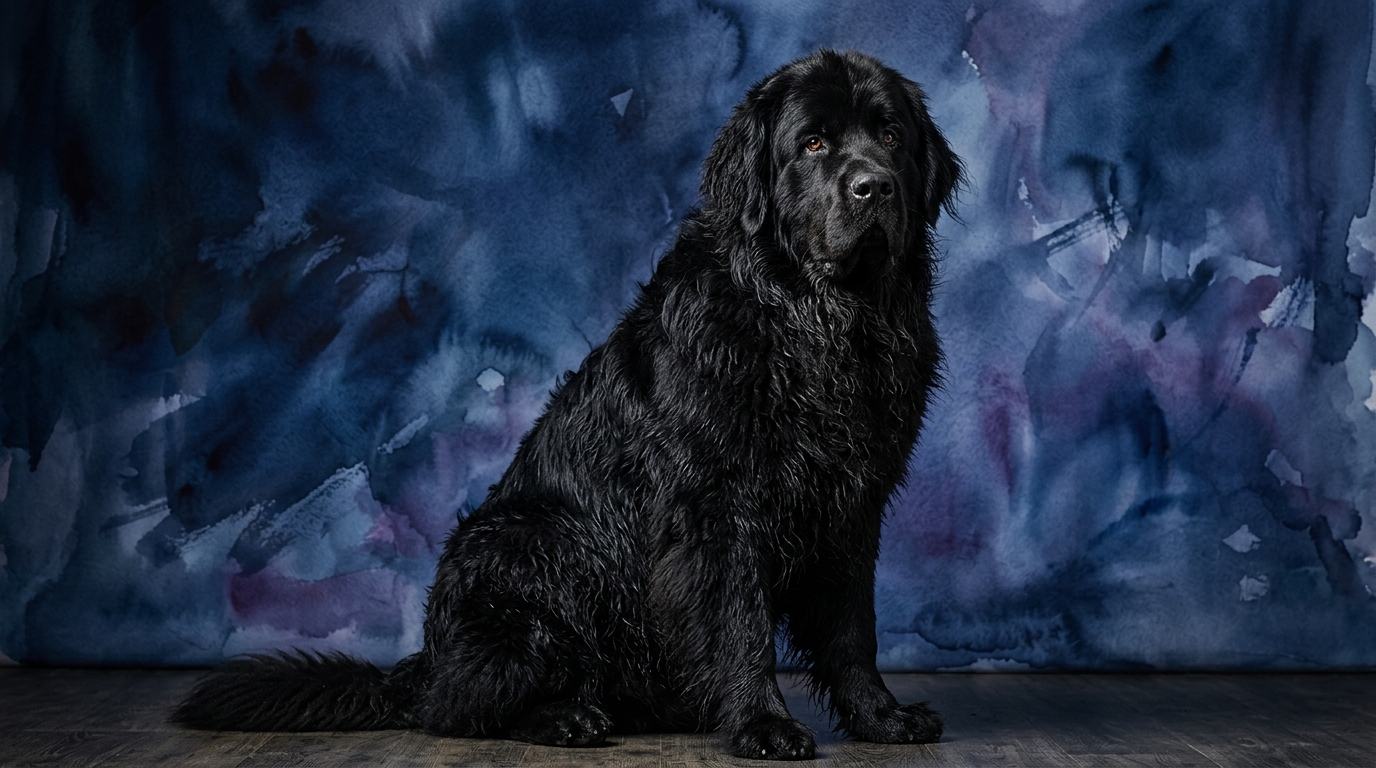
Our Cosmic Pet Pet IQ Lab assesses canine cognition across five crucial dimensions, offering a nuanced understanding beyond simple obedience. The Newfoundland, ranking #34 on the Coren scale, presents a profile reflecting its history as a steadfast working dog, particularly in water rescue.
The Newfoundland's Problem Solving score of 3/5 indicates a capable mind, proficient at navigating environmental challenges and learning complex tasks, though often with a preference for human direction. Its Training Speed of 4/5 means it picks up new commands and routines with impressive alacrity, eager to engage in structured learning.
Social Intelligence, at a remarkable 5/5, highlights the Newfoundland's deep empathy and attunement to human emotional states and cues, making it an exceptional companion and working partner. An Instinctive Drive of 5/5 underscores its strong natural inclinations for protective and rescue behaviors, rooted deeply in its genetic heritage. Finally, a Memory score of 4/5 confirms its capacity to retain learned information and experiences over time, contributing to its reliability.
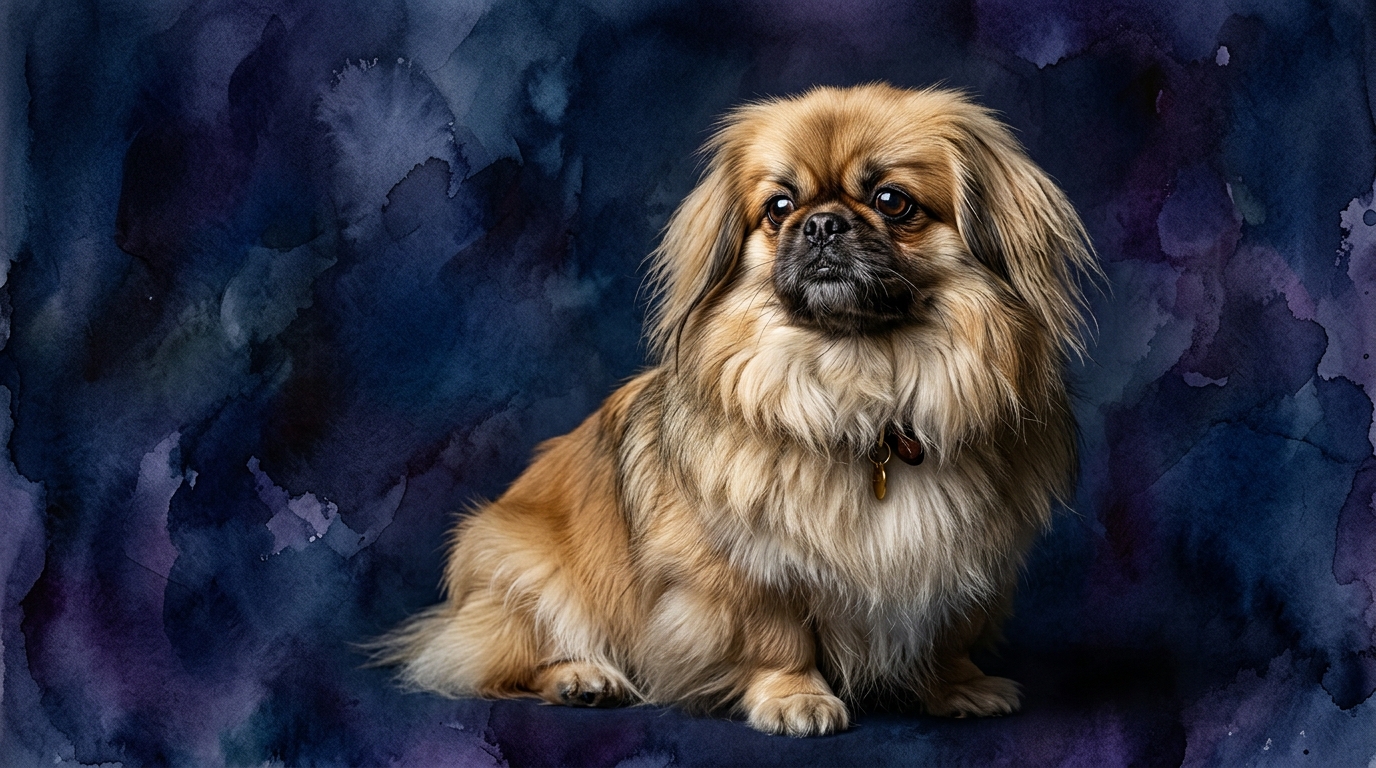
In stark contrast, the Pekingese, a breed cherished for centuries as a regal companion, holds a Coren rank of #77. Its cognitive profile reflects a different evolutionary path, prioritizing companionship and independent spirit over demanding working roles.
The Pekingese's Problem Solving ability, also rated 3/5, often manifests as cleverness in navigating its immediate environment or achieving its desired outcomes, sometimes with a charmingly independent approach. Its Training Speed of 3/5 suggests a moderate pace of learning, requiring consistent, patient methods tailored to its individualistic nature.
Social Intelligence for the Pekingese stands at 3/5, indicating a strong bond with its primary family, yet it may display less overt eagerness to please strangers or interpret broader social cues. An Instinctive Drive of 3/5 points to some inherent protective qualities and a sense of self-preservation, but without the pronounced working drive seen in the Newfoundland. Its Memory score of 3/5 denotes a competent recall of routines and familiar commands, though perhaps requiring more reinforcement than its larger counterpart.
Where the Newfoundland's Mind Shines Brightest
The Newfoundland's cognitive strengths are deeply intertwined with its historical role as a water rescue dog and devoted companion. Its exceptional Social Intelligence (5/5) allows it to read human emotions with remarkable clarity, often anticipating needs and offering comfort without explicit commands. This empathy translates into an innate ability to connect deeply, making them outstanding therapy or service animals where understanding nuanced human states is paramount.
Coupled with its high Instinctive Drive (5/5), particularly for rescue, the Newfoundland demonstrates a profound intrinsic motivation to assist. This isn't merely obedience; it's a deep-seated desire to perform tasks that benefit others, making them highly responsive to training for complex, multi-step operations like retrieving objects from water or navigating challenging terrains to aid someone. Their 4/5 Training Speed means they absorb these intricate sequences quickly, building a repertoire of helpful behaviors.
Their Problem Solving at 3/5, while not the highest, is often leveraged in practical, real-world scenarios, particularly when a human is providing direction. A Newfoundland can assess a situation, understand its role, and execute a learned solution, such as pulling a cart or gently guiding a child, demonstrating practical application of their cognitive abilities rather than abstract puzzle-solving. Their substantial memory ensures these complex behaviors are retained reliably over time.
The Pekingese's Unique Cognitive Edge
While the Newfoundland excels in cooperative, task-oriented intelligence, the Pekingese showcases a different kind of cognitive strength, refined over centuries of being a cherished, independent companion. Its Problem Solving (3/5) often manifests as a clever, self-directed approach to achieving its own comfort or desires. This might involve strategically positioning itself for optimal sunbeams, subtly nudging an owner for attention, or figuring out how to access a favorite toy, rather than solving human-initiated puzzles.
The Pekingese's Social Intelligence (3/5), while not as universally empathetic as the Newfoundland's, is intensely focused and devoted within its immediate family unit. They form deep, personal bonds, often displaying a nuanced understanding of their specific owner's routines and moods, communicating their needs through subtle cues. This focused social awareness allows them to integrate seamlessly into a household, becoming a highly attuned, if selective, companion.
Their moderate Instinctive Drive (3/5) means they are not driven by a constant need for external tasks but rather by an internal sense of well-being and a desire for secure companionship. This translates into a capacity for contentment in quieter environments, less prone to anxiety from lack of rigorous mental stimulation. Their memory (3/5) serves them well in remembering household rules and favored activities, contributing to a predictable and harmonious home life.
Training Dynamics: Newfoundland vs. Pekingese
When it comes to trainability, the contrast between these two breeds becomes particularly clear, stemming directly from their cognitive profiles. The Newfoundland, with its 4/5 Training Speed and exceptional 5/5 Social Intelligence, is generally considered a highly responsive student. Their inherent desire to please their human companions, coupled with a strong work ethic from their instinctive drives, makes them eager participants in training sessions. They quickly grasp complex commands and thrive on the positive reinforcement of successful task completion, making them a joy for even novice trainers.
A Newfoundland's behavioral differences reflect this: they often maintain focus for longer periods, are less easily distracted by environmental stimuli during training, and show a clear understanding of cause and effect in learning. Their large size also necessitates early and consistent training for good manners and leash etiquette, which they typically absorb with relative ease due to their cognitive predispositions.
The Pekingese, conversely, presents a different training journey. With a 3/5 Training Speed and 3/5 Social Intelligence, they can be more independent and require a patient, consistent approach. Their problem-solving often leans towards achieving personal goals, and if a command doesn't immediately align with their perceived self-interest, they might charmingly resist. This isn't a lack of capacity but a difference in motivation; they learn best when training is framed as a fun interaction with their beloved owner, rather than a demanding task.
Real behavioral differences include a shorter attention span for repetitive drills and a tendency to prioritize comfort or personal preference over strict adherence to commands. Owners often report that Pekingese respond better to positive reinforcement, gentle persuasion, and a sense of play, rather than rigid instruction. Their small stature means less emphasis on physical control during training, but their independent streak requires a strong foundation of trust and mutual respect.
Matching Minds to Lifestyles: Active vs. Relaxed Owners
The cognitive makeup of the Newfoundland makes it an ideal companion for active owners who relish shared adventures and purposeful activities. Their high instinctive drive and social intelligence mean they thrive when given a 'job' to do, whether it's participating in water sports, therapy work, or simply accompanying their family on long hikes. These dogs require consistent mental stimulation and physical exercise to remain content and well-adjusted. An owner who can channel their problem-solving abilities into practical tasks and appreciate their empathetic nature will find an unparalleled partner.
Conversely, the Pekingese is exceptionally well-suited for more relaxed owners who appreciate a devoted, yet independent, indoor companion. Their moderate instinctive drive and social intelligence allow them to be perfectly content with a less demanding routine, enjoying quiet companionship and shorter, leisurely strolls. They do not require constant mental challenges or strenuous physical activity to feel fulfilled. Owners who cherish a dog's unique personality and are prepared to engage with a charmingly self-possessed companion will find the Pekingese an excellent fit for a serene home environment.
The Verdict
Choose a Newfoundland if you seek a large, empathetic, task-oriented companion eager for shared outdoor activities and capable of complex learning, thriving on purpose and deep connection.
Opt for a Pekingese if you desire a small, devoted, and independent indoor companion who values quiet companionship and a relaxed lifestyle, offering unique personality and charming self-possession.
🧠 Find Your Pet's IQ Score
Our Pet IQ Lab assessment covers 25+ tests across 5 cognitive dimensions — personalized to your breed.
Take the Full IQ Test →Frequently Asked Questions
Does a Newfoundland's size mean it's harder to train?
While a Newfoundland's size requires early training for manners, their high training speed and desire to please actually make them quite receptive. Their cognitive makeup helps them grasp commands quickly, often making them easier to train than some smaller, more independent breeds, despite their impressive stature.
Are Pekingese difficult to live with due to their independence?
Pekingese are independent, but this translates more into a self-possessed nature than outright difficulty. They form deep bonds and are content with their own company at times, making them excellent companions for those who appreciate a dog with distinct personality and don't require constant, high-energy interaction.
How do their Coren ranks reflect their intelligence differences?
Coren ranks broadly categorize breeds by working and obedience intelligence. The Newfoundland's #34 rank reflects its capacity for understanding and executing commands quickly, while the Pekingese's #77 rank indicates a moderate aptitude, often due to their independent nature rather than a lack of cognitive ability.