
Side-by-Side IQ Profile
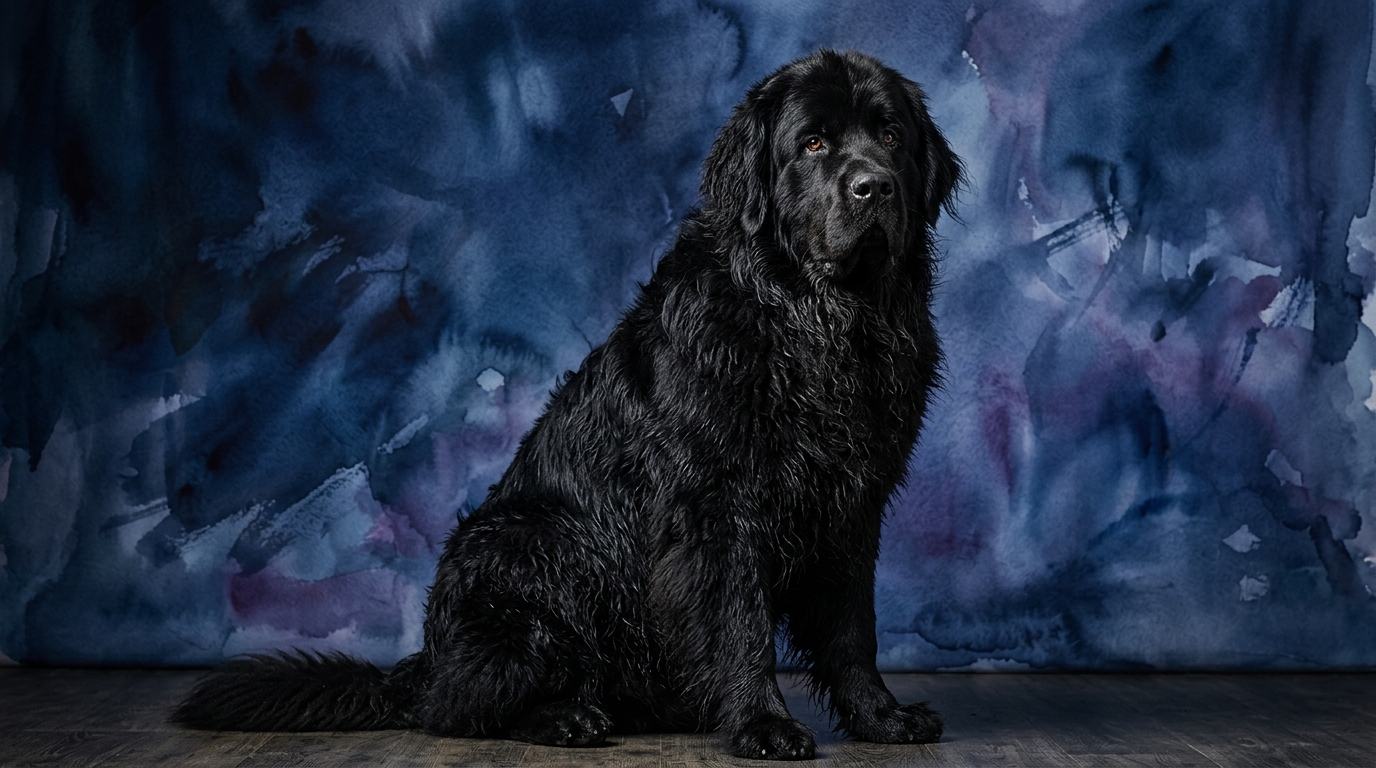
The Newfoundland, a member of the Working Group and ranked #34 by Coren, presents a cognitive profile geared towards collaboration and service. Their Problem Solving is rated 3/5, indicating an ability to navigate complex physical environments or figure out practical steps to achieve a goal, often related to their physical strength or retrieving instincts. Training Speed is 4/5, reflecting a relatively quick grasp of new commands and routines, largely due to their eagerness to please. Their Social Intelligence is an exceptional 5/5, showcasing an profound capacity to understand human emotions, intentions, and social cues, forming deep, empathetic bonds. Instinctive Drive is also 5/5, manifesting as a powerful inclination towards protection, retrieving, and nurturing, especially in water or with children. Finally, their Memory is 4/5, signifying a good capacity for retaining learned commands, routines, and specific people or places over long periods.
The Rat Terrier, a Terrier Group member not Coren-ranked, possesses a cognitive framework optimized for independent action and focused tasks. Their Problem Solving is 3/5, mirroring the Newfoundland's score, but applied with a tenacious drive to figure out immediate challenges, often related to finding ways to access small spaces or outwit vermin. Training Speed is 3/5, indicating a moderate learning pace; while capable, their independent nature may require more repetition and varied motivation. Social Intelligence is 3/5; they are affectionate with their families but tend to be more reserved with strangers, with their understanding geared towards their immediate pack rather than broad empathy. Instinctive Drive is 3/5, predominantly focused on hunting and vermin control, manifesting as a keen sense of smell and persistent focus on small, moving objects. Their Memory is 3/5, a solid capacity for routines, commands, and environmental understanding, contributing to their reliability within a structured home environment.
Where Newfoundland Wins Cognitively
The Newfoundland's cognitive profile shines brightest in its exceptional social intelligence (5/5). This isn't merely about being friendly; it reflects a profound capacity to read and respond to human emotions and intentions. They often anticipate needs, offering comfort or assistance without explicit commands, a trait invaluable in their historical role as water rescue dogs where understanding distress signals is paramount. Their high instinctive drive (5/5) synergizes with this, directing their natural inclinations towards protective and nurturing behaviors, making them unparalleled companions for families, particularly those with children. Furthermore, their superior training speed (4/5) and memory (4/5) mean they absorb complex sequences of commands and maintain them consistently, making them highly reliable for service work or intricate household routines.
Where Rat Terrier Wins Cognitively
While the Rat Terrier's numerical scores might not always surpass the Newfoundland's, its cognitive strengths lie in areas distinctively valuable for its heritage. Its problem-solving ability (3/5), equal to the Newfoundland's, is applied with a tenacious, independent spirit. A Rat Terrier excels at figuring out direct solutions to challenges, especially those involving navigating confined spaces or outsmarting small prey, often demonstrating remarkable persistence where other breeds might give up. Their instinctive drive (3/5), while lower numerically, is intensely focused on hunting and exploration. This makes them exceptionally adept at tasks requiring sustained focus on a scent or movement, such as agility courses that mimic hunting scenarios or finding hidden objects. Their moderately robust memory (3/5) ensures they retain learned strategies for these tasks, allowing them to refine their approach with experience. This breed's cognition excels in situations demanding quick, independent action and unwavering determination.
Which is Easier to Train and Why
When evaluating ease of training, the Newfoundland holds a distinct advantage, primarily due to its superior social intelligence (5/5) and faster training speed (4/5). Newfoundlands inherently seek to understand and please their human companions, making them highly biddable. They are motivated by positive reinforcement and the desire for connection, quickly learning and retaining commands because they value the collaborative interaction. Their memory (4/5) further solidifies this, allowing them to recall complex routines with impressive consistency. In contrast, the Rat Terrier, with a moderate training speed (3/5) and a more independent social intelligence (3/5), presents a different training dynamic. While capable of learning, their strong instinctive drive (3/5) and inherent terrier tenacity mean they can be more easily distracted by environmental stimuli or their own agenda. Training a Rat Terrier often requires more patience, varied motivational techniques, and a firm, consistent approach to overcome their independent streak and focus their attention on human-directed tasks rather than their innate prey drive.
Which Suits Active Owners vs Relaxed Owners
The Newfoundland's cognitive profile, marked by high social intelligence and a powerful instinctive drive for companionship and protection, makes it an ideal fit for owners who appreciate a deeply connected, collaborative relationship, often perceived as "relaxed" due to their calm demeanor. These dogs thrive when integrated into family life, participating in quiet activities, offering comfort, or accompanying owners on leisurely walks or swims. Their mental stimulation comes from interaction and purpose, rather than constant high-intensity physical exertion. Conversely, the Rat Terrier, with its focused instinctive drive and practical problem-solving, is better suited for more "active" owners who can channel its energy and tenacity. This breed requires consistent mental engagement through structured play, puzzle toys, or canine sports like agility or earthdog trials, which satisfy their inherent drive to hunt and explore. Their independent streak means they benefit from owners who can consistently provide stimulating outlets for their cognitive and physical energy, preventing boredom and channeling their intelligence productively.
The Verdict
Choose the Newfoundland if you seek a deeply empathetic, collaborative companion who thrives on social interaction and learns complex tasks with a desire to please. They are ideal for families valuing a gentle, protective presence and calm, purposeful engagement.
Opt for the Rat Terrier if you appreciate a tenacious, independent problem-solver that excels in focused activities and requires consistent mental and physical outlets for its keen instincts. They suit owners who enjoy structured play and engaging their dog's drive.
🧠 Find Your Pet's IQ Score
Our Pet IQ Lab assessment covers 25+ tests across 5 cognitive dimensions — personalized to your breed.
Take the Full IQ Test →Frequently Asked Questions
Do Newfoundlands enjoy mental challenges?
Absolutely. While not always physically high-energy, Newfoundlands thrive on mental stimulation, especially tasks that involve their social intelligence and instinctive drives, such as learning new commands, engaging in "find it" games, or participating in water-based activities. Their strong memory and desire to please make them receptive to ongoing learning.
How does a Rat Terrier's problem-solving differ from other breeds?
A Rat Terrier's problem-solving is typically direct, persistent, and often linked to its prey drive. They excel at figuring out practical solutions to immediate physical challenges, like navigating obstacles or locating hidden items, rather than abstract puzzles. This tenacity can make them quite resourceful in their environment.
Are Rat Terriers good with children, considering their social intelligence score?
Rat Terriers can be good with children, especially if raised with them and properly socialized. Their social intelligence score of 3/5 indicates they are affectionate with their immediate family but may be more reserved with strangers. Supervision is always key, and children should be taught to respect the dog's space and boundaries.