Side-by-Side Cognitive Profiles
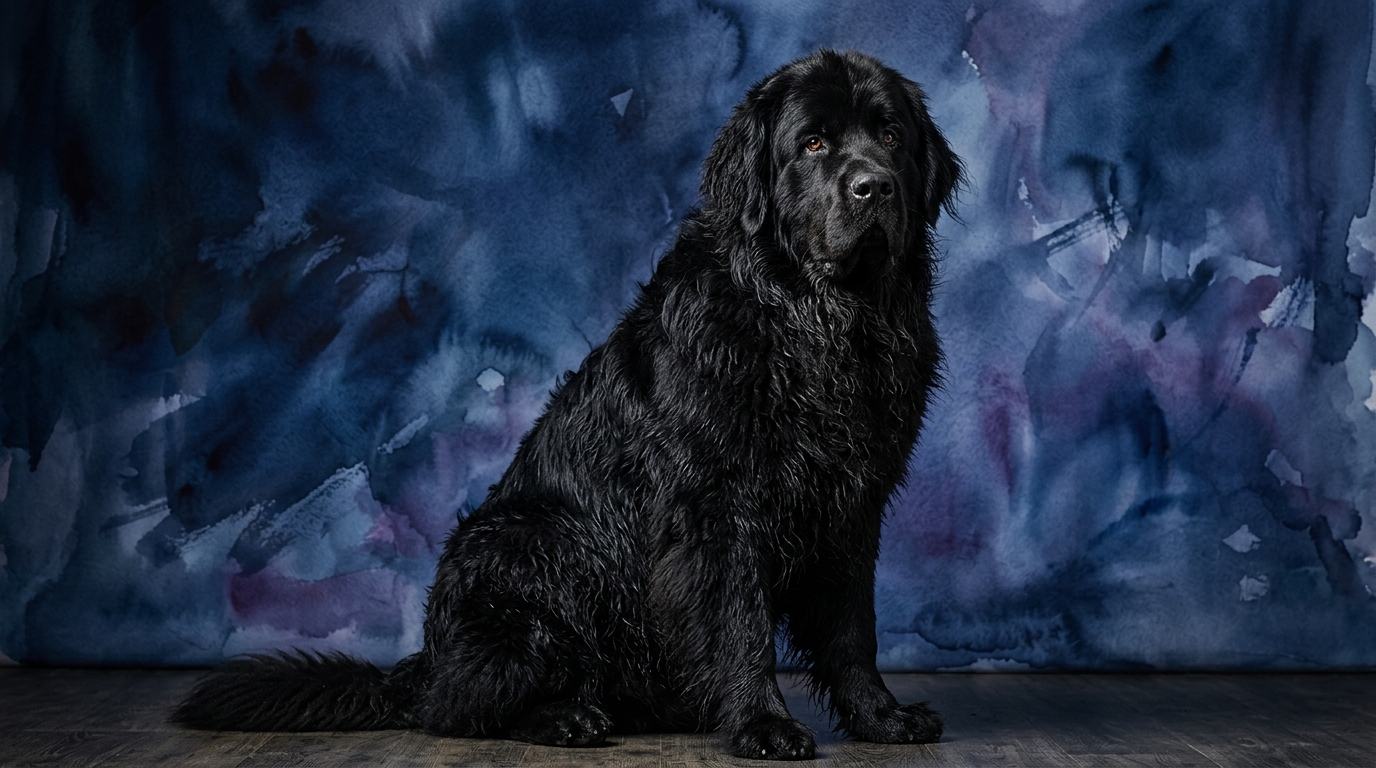
Our Pet IQ Lab employs a multi-dimensional framework to assess canine cognition, moving beyond simplistic 'smart' labels. For the Newfoundland, a Working Group dog with a Coren ranking of #34, we observe a distinct profile. Their Problem Solving is rated 3/5, indicating practical intelligence geared towards real-world tasks rather than abstract puzzles; they excel at figuring out how to retrieve a distant object or navigate complex terrain. Training Speed, at 4/5, reflects their cooperative nature and capacity to quickly grasp new commands and sequences, particularly when working alongside a human. The Newfoundland truly shines in Social Intelligence, earning a perfect 5/5 for their profound empathy, ability to read human cues, and innate understanding of social dynamics. Their Instinctive Drive, also 5/5, is powerfully expressed in their renowned water rescue abilities and protective instincts, a deep-seated desire to assist and guard. Finally, their Memory sits at a robust 4/5, allowing them to retain vast amounts of information regarding routines, commands, and past experiences.
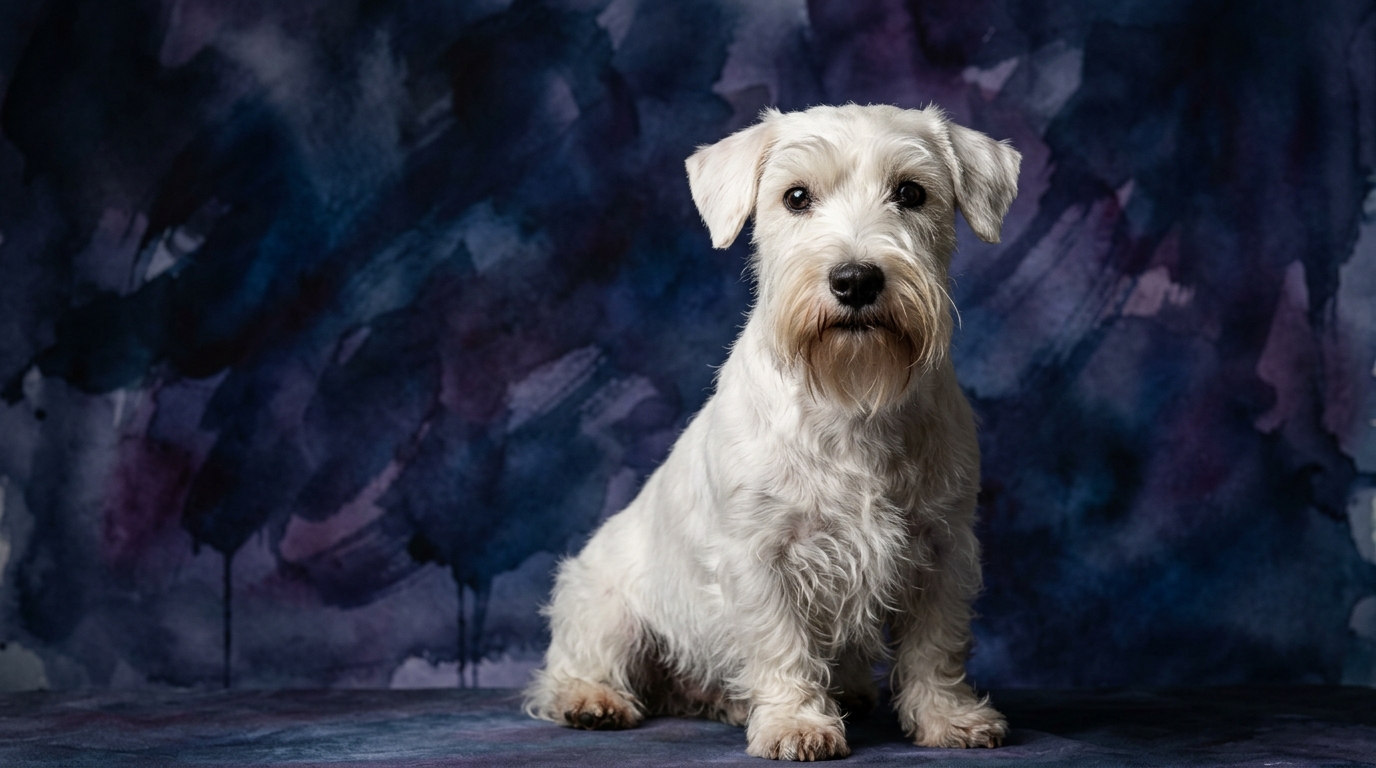
The Sealyham Terrier, a Terrier Group dog without a Coren ranking, presents a profile shaped by its badger-hunting heritage. Their Problem Solving, rated 3/5, is characterized by tenacious, independent thought focused on overcoming physical obstacles or pursuing a scent; this is less about human-directed tasks and more about self-initiated exploration and resolution. Training Speed, at 3/5, suggests they learn effectively but often require more repetition and motivation due to their independent streak and occasional stubbornness. In Social Intelligence, they receive a 3/5; while affectionate with their inner circle, they can be reserved with strangers and their social interactions are often less about deep empathy and more about asserting their presence. Their Instinctive Drive, also 3/5, is primarily expressed through a strong prey drive, digging tendencies, and a desire to explore confined spaces, reflecting their original purpose. Their Memory, rated 3/5, is sufficient for retaining training and experiences, though their independent nature might sometimes lead to selective recall when a more compelling instinct takes over.
Where the Newfoundland Excels Cognitively
The Newfoundland's cognitive strengths distinctly outshine the Sealyham's in areas demanding profound social awareness and cooperative engagement. Their 5/5 Social Intelligence is a standout, allowing them to anticipate human needs, respond to subtle emotional shifts, and seamlessly integrate into complex family dynamics. This isn't merely being 'good with kids'; it's a deep cognitive processing of social cues that makes them natural therapy dogs and patient guardians. Furthermore, their 5/5 Instinctive Drive, specifically for water rescue and companionship, translates into an innate understanding of tasks requiring collaboration and self-sacrifice. A Newfoundland's brain is wired to work *with* you, not just *for* you. Their 4/5 Training Speed is a direct result of this social acumen and desire to please, enabling them to learn multi-step commands and intricate routines with remarkable efficiency compared to the Sealyham's more independent learning curve. The Newfoundland’s cognitive architecture is optimized for partnership and selfless service, making them exceptionally attuned to human direction and collective goals.
Where the Sealyham Terrier Displays Unique Cognitive Strengths
While the Newfoundland excels in cooperation, the Sealyham Terrier’s cognitive profile boasts different, equally valuable strengths rooted in its independent working history. Their Problem Solving, though rated 3/5 like the Newfoundland, manifests as a tenacious, self-directed drive to overcome obstacles. A Sealyham faced with a perceived barrier to a scent trail or a hidden toy will deploy a range of strategies – digging, pushing, squeezing – with remarkable persistence, often without human prompting. This isn't about solving a puzzle *for* you; it's about solving a problem *for themselves*. Their Instinctive Drive, also 3/5, while not as outwardly 'heroic' as the Newfoundland's, signifies a powerful internal motivation for exploration and pursuit, requiring significant mental engagement to satisfy. This independent spirit, combined with their memory (3/5), means they retain knowledge gained from their own investigative endeavors, building a personal library of solutions for navigating their world. The Sealyham’s cognitive prowess lies in its self-sufficiency and unwavering determination when pursuing its own interests, a hallmark of many terrier breeds.
Trainability: A Tale of Two Temperaments
When considering ease of training, the Newfoundland holds a distinct advantage due to its cognitive makeup, particularly its superior Social Intelligence (5/5) and Training Speed (4/5). A Newfoundland's inherent desire to please and deep connection with its human companions means they are highly motivated by praise and positive interaction. They actively seek to understand and comply with commands, often anticipating what is asked of them, which accelerates the learning process. For example, teaching a Newfoundland to 'stay' involves leveraging their natural inclination for calm companionship and their ability to read your intent. Their high memory (4/5) ensures retention of these learned behaviors.
The Sealyham Terrier, with a Training Speed of 3/5 and Social Intelligence of 3/5, presents a different training dynamic. While capable of learning, their independent nature and strong instinctive drives, such as their prey drive, mean they can be more easily distracted or choose to prioritize their own interests over human directives. Teaching a Sealyham to 'come' reliably requires more patience and creative motivation, as they might be more interested in a fascinating scent than returning to your side. Their problem-solving often involves self-directed exploration, which can sometimes conflict with structured obedience. Successful training with a Sealyham often involves making the training itself a game, tapping into their terrier tenacity, and establishing clear, consistent boundaries to channel their spirited energy effectively. The difference lies in the Newfoundland's cooperative mindset versus the Sealyham's independent streak.
Matching Canine Cognition to Owner Lifestyles
The Newfoundland, despite its impressive size and working heritage, can surprisingly suit both active and more relaxed owners, albeit with specific considerations. While they require daily walks and mental engagement to prevent boredom, their calm indoor demeanor and preference for companionship mean they are often content to relax by their owner's side. Their physical activity is typically characterized by bursts of play or focused work rather than sustained, high-intensity endurance. Owners who appreciate a gentle giant for leisurely strolls, occasional swims, and extensive cuddle sessions will find a Newfoundland a fitting companion, provided they can manage the grooming and space requirements.
The Sealyham Terrier, conversely, generally thrives with more active and engaged owners. Their terrier instincts demand consistent mental and physical stimulation to channel their energy constructively. They are not content to be mere lapdogs; they need opportunities to explore, sniff, and 'work' in a way that satisfies their inherent drives. Regular, brisk walks, structured play sessions, and even dog sports like earthdog trials or agility can be excellent outlets. A Sealyham suits owners who enjoy being out and about, who can provide consistent training and enrichment, and who appreciate a lively, tenacious companion. Their smaller size might suggest less need for activity, but their cognitive profile indicates a strong demand for engagement to prevent boredom and potential mischievousness.
The Verdict
Choose the Newfoundland if you seek a deeply empathetic, highly trainable companion eager to integrate into family life and potentially engage in water-based activities or therapy work. Their gentle nature and strong desire to please make them ideal for cooperative living.
Opt for the Sealyham Terrier if you appreciate an independent, spirited companion with a keen sense of adventure and a tenacious problem-solving approach to their world. They thrive with owners who can provide consistent mental and physical challenges tailored to their terrier instincts.
🧠 Find Your Pet's IQ Score
Our Pet IQ Lab assessment covers 25+ tests across 5 cognitive dimensions — personalized to your breed.
Take the Full IQ Test →Frequently Asked Questions
Are Newfoundlands good apartment dogs?
Despite their size, Newfoundlands can adapt to apartment living if provided with sufficient daily exercise and mental stimulation. Their calm indoor demeanor and high social intelligence mean they thrive on companionship, but outdoor access is crucial.
Do Sealyham Terriers bark a lot?
Sealyham Terriers can be vocal, often using their bark to alert to new sights or sounds, or to express excitement. Consistent training from a young age can help manage excessive barking, but their terrier nature means they will likely retain a watchfulness.
What's the main difference in their problem-solving approach?
The Newfoundland's problem-solving is often collaborative and task-oriented, focused on assisting humans or navigating environments for a shared goal. The Sealyham Terrier's approach is typically independent and driven by instinct, like finding a scent or digging, requiring less human direction.