Side-by-Side IQ Profile: Newfoundland vs. Skye Terrier
At The Cosmic Pet Pet IQ Lab, we evaluate canine cognition across five key dimensions, offering a nuanced understanding beyond simple 'smart' labels. Let's delve into how the Newfoundland and Skye Terrier measure up.
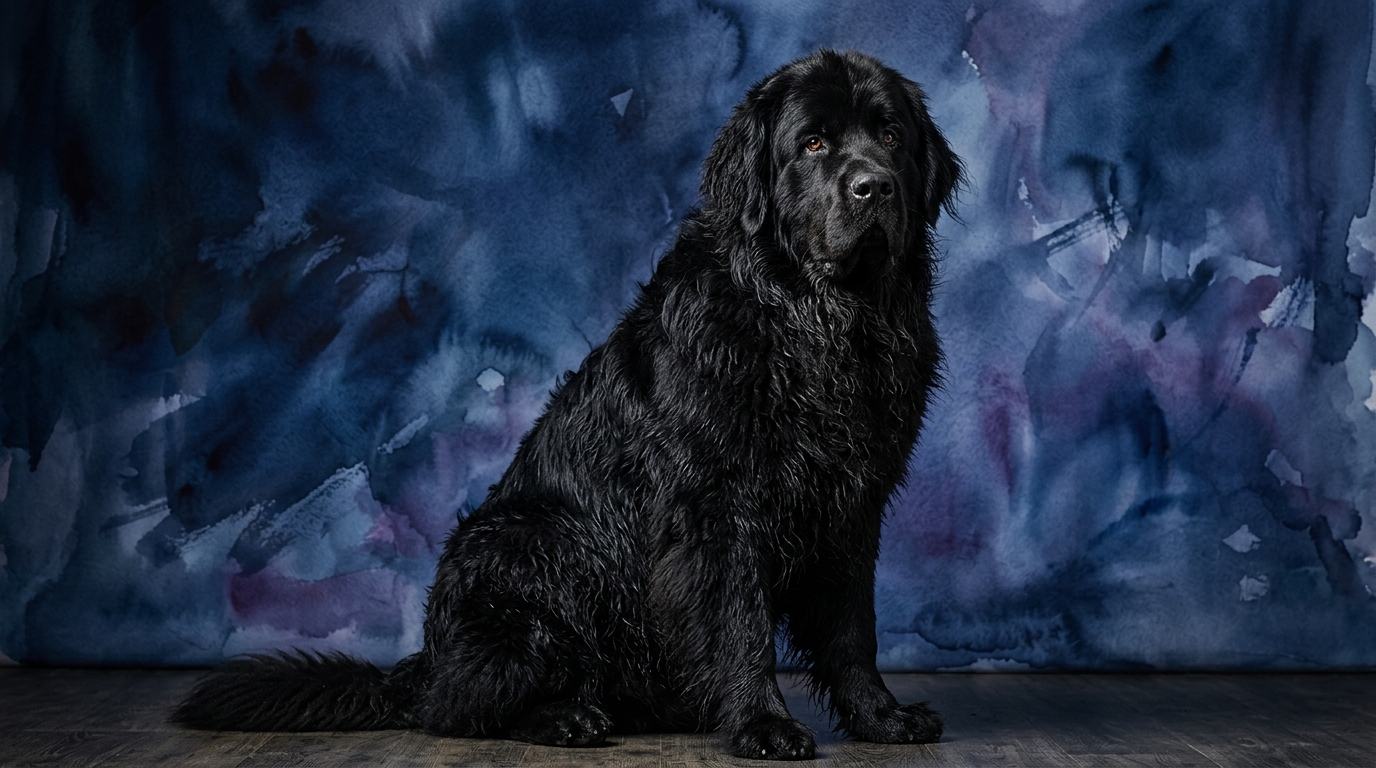
The Newfoundland, a majestic Working dog with a Coren rank of #34, demonstrates a cognitive profile geared towards cooperation and protective instincts. Their Problem Solving is rated 3/5, indicating practical intelligence in real-world scenarios, particularly those involving their inherent desire to help. Training Speed is a strong 4/5, reflecting their eagerness to learn and respond to commands. An outstanding Social Intelligence score of 5/5 highlights their profound empathy and ability to understand human emotions and intentions. Their Instinctive Drive is also 5/5, powerfully directed towards tasks like water rescue and guardianship. Finally, their Memory sits at 4/5, ensuring good retention of learned behaviors and routines.
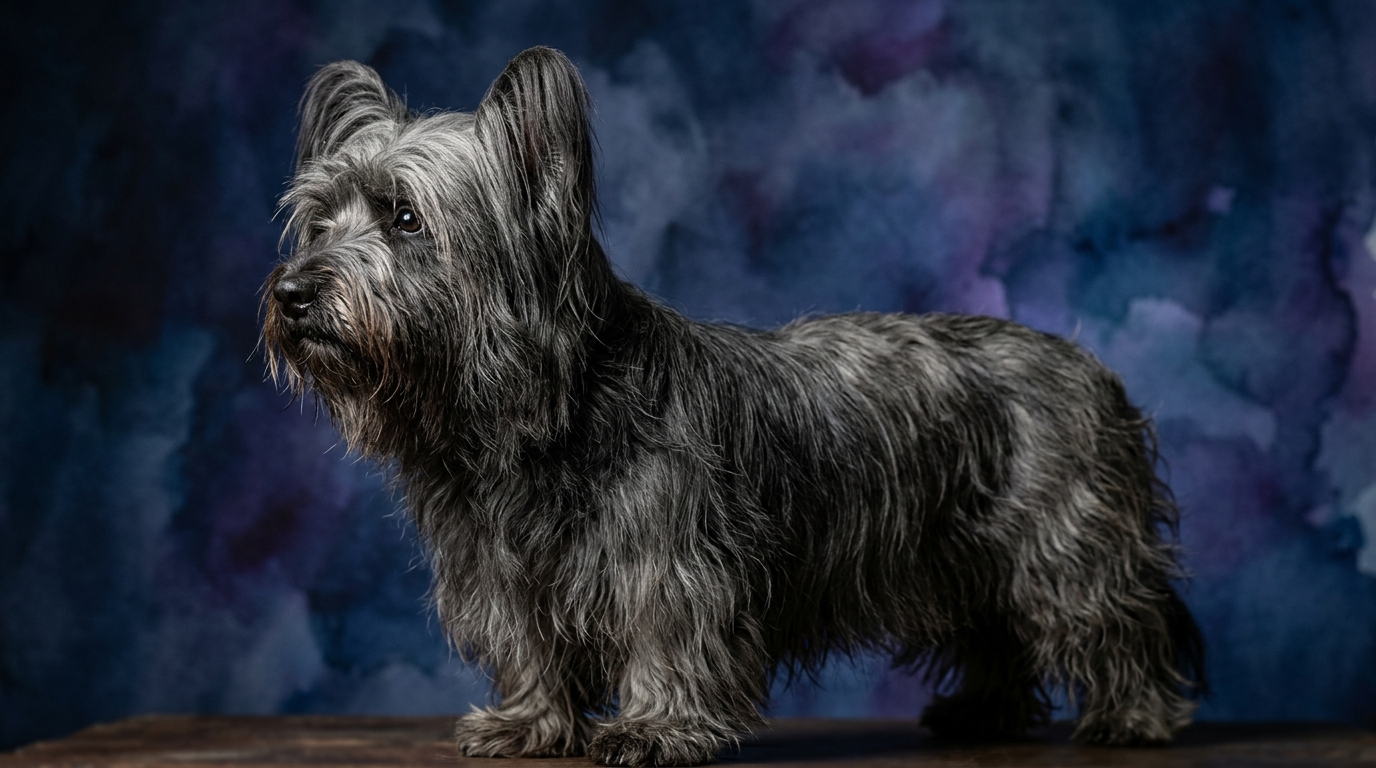
In contrast, the Skye Terrier, a resilient Terrier breed not Coren-ranked, showcases a more independent cognitive approach. Their Problem Solving is rated 3/5, often manifesting as cleverness in overcoming obstacles to achieve a self-directed goal. Training Speed is 3/5, suggesting they learn at a moderate pace but require patient, consistent methods due to their independent streak. Social Intelligence is 3/5, meaning while affectionate with their family, they tend to be more reserved and less overtly people-focused than some breeds. Their Instinctive Drive is 3/5, rooted in their terrier heritage for hunting and exploring with tenacity. Memory is also 3/5, providing functional retention but sometimes appearing overshadowed by their strong independent impulses.
Where Newfoundland Wins Cognitively
The Newfoundland's cognitive strengths shine brightly in areas demanding cooperation, empathy, and a strong sense of purpose. Their exceptional Social Intelligence (5/5) means they are profoundly attuned to human emotions and intentions, making them intuitive companions and natural therapy dogs. This high score reflects an innate ability to connect deeply, anticipating needs and offering comfort, a trait invaluable in their historical role as water rescue dogs where understanding human distress is paramount. Furthermore, their Instinctive Drive (5/5) is a focused, powerful force directed towards specific, beneficial tasks. This isn't just a general drive; it's a profound motivation for protection and aid, evident in their unwavering commitment to 'saving' those in distress. This drive, combined with a Training Speed of 4/5, allows them to channel their natural instincts into highly effective, learned behaviors quickly and reliably. Their robust Memory (4/5) ensures that once a task or command is learned, it is retained, contributing to their consistent performance and trustworthiness. These combined attributes make the Newfoundland a canine partner capable of complex, collaborative work and profound emotional support.
Where Skye Terrier Wins Cognitively
While the Skye Terrier’s numerical scores may appear moderate, their cognitive strengths lie in a different sphere—one of independent thought, tenacious pursuit, and self-reliance. Their Problem Solving (3/5) is characterized by a clever, often singular focus on achieving a goal, particularly when it involves navigating their environment or outsmarting small prey. They are adept at figuring out how to get to where they want to be or what they want to investigate, often demonstrating ingenuity in overcoming physical barriers. This isn't about solving problems *with* a human but solving problems *for* themselves. Their Instinctive Drive (3/5), though numerically lower than the Newfoundland's, is intensely focused on their terrier purpose—digging, exploring, and hunting. This drive is a powerful engine of persistence, allowing them to stick to a task with remarkable determination, even in the face of obstacles or distractions. For owners who appreciate a dog with a strong, self-directed will and a natural aptitude for independent exploration, the Skye Terrier's cognitive makeup represents a distinct advantage. Their moderate Social Intelligence (3/5) contributes to their self-assured demeanor, making them loyal to their family but not overly reliant on constant human direction, fostering a unique type of companionship based on mutual respect for independence.
Which is Easier to Train and Why
When assessing ease of training, the Newfoundland generally presents a more straightforward path due to their higher scores in Training Speed (4/5) and Social Intelligence (5/5). They possess an innate eagerness to please and are highly receptive to human instruction, often thriving on positive reinforcement and clear communication. Their strong desire to cooperate means they are typically quick to understand and perform commands, making early training a rewarding experience for both dog and owner. The Newfoundland’s high instinctive drive can also be readily channeled into cooperative tasks, such as obedience or drafting, as they naturally seek purpose alongside their human companions.
In contrast, the Skye Terrier, with a Training Speed of 3/5 and Social Intelligence of 3/5, requires a more nuanced approach. Their independent nature and historical role as solitary hunters mean they are less inherently motivated by human approval and more by their own interests. Training a Skye Terrier demands immense patience, consistency, and creative methods that appeal to their curiosity and prey drive. They are capable of learning, but their problem-solving (3/5) might sometimes be used to find ways *around* a command rather than through it if not sufficiently motivated. Success with a Skye often hinges on making training a game and convincing them that cooperation is in their best interest, rather than expecting immediate, eager compliance.
Which Suits Active Owners vs. Relaxed Owners
The choice between a Newfoundland and a Skye Terrier also depends significantly on an owner's lifestyle and preferred level of canine engagement. A Newfoundland, despite its majestic size, often suits owners who appreciate a more 'relaxed' pace in terms of high-intensity physical activity, but are 'active' in providing consistent social interaction and a calm, structured home environment. Once past puppyhood, their exercise needs are moderate, consisting of daily walks and opportunities for swimming, but their high social intelligence means they thrive on being an integrated part of family life and require significant emotional engagement. They are ideal for owners who enjoy a gentle giant companion and are prepared for a dog that demands a lot of space and grooming, but not necessarily constant, high-octane physical exertion.
The Skye Terrier, on the other hand, suits a different kind of 'active' owner. Their terrier instincts and moderate instinctive drive (3/5) mean they require consistent mental stimulation and structured outlets for their natural behaviors like digging, exploring, and chasing. While not needing marathon runs, they thrive with owners who are 'active' in providing engaging training sessions, puzzle toys, and secure outdoor spaces for exploration. They are best for individuals who understand and appreciate a dog with a strong, independent will and are prepared to manage a tenacious personality with consistent boundaries and stimulating activities, rather than expecting a perpetually docile lapdog.
The Verdict
Choose a Newfoundland if you seek a deeply empathetic, cooperative, and gentle giant companion who thrives on social connection and purposeful tasks, and you are prepared for their significant size and moderate exercise needs.
Opt for a Skye Terrier if you appreciate an independent, tenacious, and clever companion with a strong will, and you are ready to provide consistent, creative training and outlets for their natural terrier instincts.
🧠 Find Your Pet's IQ Score
Our Pet IQ Lab assessment covers 25+ tests across 5 cognitive dimensions — personalized to your breed.
Take the Full IQ Test →Frequently Asked Questions
Are Newfoundlands truly good with children, given their high social intelligence?
Yes, Newfoundlands often excel with children due to their exceptional social intelligence and patient nature. They instinctively understand boundaries and are typically very gentle, making them excellent family protectors and playmates, provided they are properly socialized.
How does the Skye Terrier's problem-solving manifest in daily life?
The Skye Terrier's problem-solving often appears as clever persistence, like figuring out how to open a cabinet door or escape a yard to pursue an interesting scent. They are adept at independently navigating their environment to achieve their self-directed goals.
Is it difficult to train a Skye Terrier given their moderate training speed?
Training a Skye Terrier requires patience and consistency, as their independent nature means they aren't always eager to please. Success comes from making training engaging, using positive reinforcement, and understanding their terrier instincts, rather than expecting quick compliance.