
Side-by-Side Cognitive Profiles
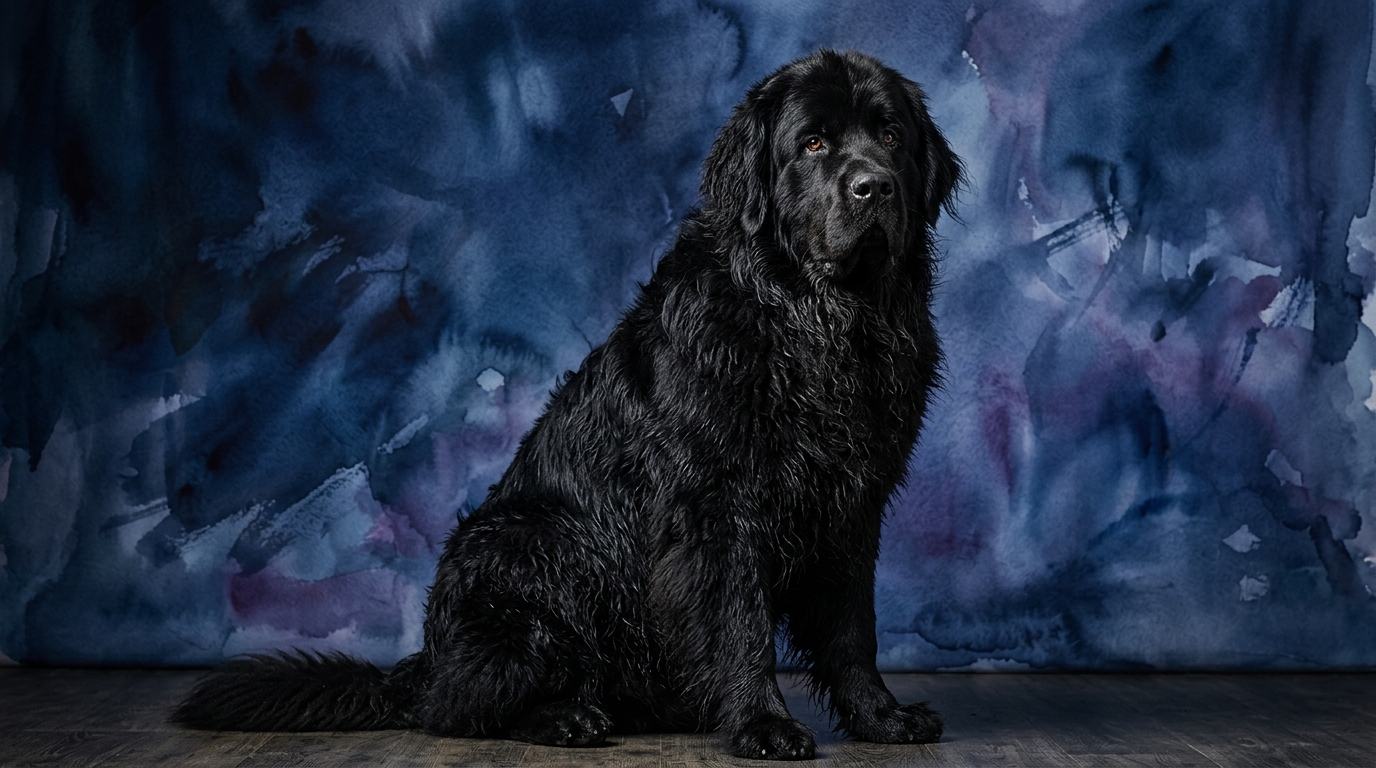
The Newfoundland, a dog from the Working group, holds a respectable Coren rank of #34, underscoring its general aptitude for learning and obedience. In our Pet IQ Lab, this gentle giant scores 3/5 for Problem Solving, indicating a capacity to independently navigate challenges, though perhaps not with the same innovative flair as some other breeds. Its Training Speed is a strong 4/5, suggesting a readiness to grasp new commands and routines efficiently. Where the Newfoundland truly shines is in Social Intelligence, earning a perfect 5/5; this reflects an exceptional ability to understand human cues, empathize, and form deep, cooperative bonds. Its Instinctive Drive is also top-tier at 5/5, primarily geared towards protection, rescue, and companionship. Finally, its Memory is a solid 4/5, enabling it to retain learned behaviors and experiences over time.
In contrast, the Soft Coated Wheaten Terrier, a member of the Terrier group, does not appear on Coren's ranking, which often reflects a different kind of intelligence, less focused on traditional obedience. The Pet IQ Lab assesses its Problem Solving at 3/5, matching the Newfoundland, suggesting it can also figure out solutions, though possibly through more independent and persistent means. Its Training Speed is 3/5, indicating a moderate pace for acquiring new skills, often requiring patience and positive reinforcement to overcome its independent streak. Social Intelligence for the Wheaten is 3/5, meaning it forms bonds and understands cues, but might do so with a touch more self-interest or less overt cooperation than a Newfoundland. Its Instinctive Drive is 3/5, reflective of its terrier heritage — a drive for chasing, digging, and exploring, rather than the Newfoundland's more direct working purpose. Its Memory is also rated at 3/5, capable of retaining information but potentially less consistently than breeds with higher scores.
Where the Newfoundland Excels Cognitively
The Newfoundland's cognitive strengths are particularly evident in areas demanding cooperation, empathy, and a strong sense of purpose. Its outstanding 5/5 Social Intelligence means these dogs are exceptionally attuned to human emotions and intentions, often anticipating needs or reacting appropriately to distress. This makes them unparalleled companions for therapeutic roles or families needing a truly intuitive presence, as they naturally seek to please and harmonize with their human pack. This high social acumen contributes significantly to their 4/5 Training Speed, as their eagerness to cooperate and understand makes them highly receptive to instruction, learning complex sequences of commands with relative ease when motivated by positive interaction.
Beyond social connection, the Newfoundland's 5/5 Instinctive Drive is a profound cognitive advantage, primarily channeled towards protective and life-saving endeavors. This isn't just a physical drive, but a mental framework that prioritizes the well-being of its family, manifesting as vigilant observation and a readiness to act in perceived emergencies. Their 4/5 Memory supports this, allowing them to recall specific training for water rescue, remember safe routes, or recognize familiar faces and routines, solidifying their role as steadfast guardians and companions. While their problem-solving at 3/5 is moderate, it is often applied within this context of caregiving, such as figuring out how to safely retrieve an object or guide a person, rather than purely abstract puzzles.
Where the Soft Coated Wheaten Terrier Excels Cognitively
While the Wheaten Terrier's overall IQ scores are numerically lower than the Newfoundland's in several categories, its cognitive profile represents a different kind of brilliance, perfectly suited to its terrier heritage. Its 3/5 Problem Solving, though numerically equal to the Newfoundland, often manifests as a tenacious and creative approach to overcoming obstacles. A Wheaten might not rescue you from water, but it will cleverly figure out how to open a cabinet to get a treat, or devise a strategy to corner a 'prey' (toy) under furniture, demonstrating a resourceful and independent mind focused on its immediate objectives and desires.
The Wheaten's 3/5 Instinctive Drive, while not focused on large-scale rescue, is a powerful cognitive asset in its own right, driving it with persistent curiosity and a determination to investigate. This translates to an unwavering focus on scents, sounds, and movements, making them incredibly engaging companions for owners who appreciate a dog with a zest for exploration and a playful, sometimes mischievous, spirit. Their 3/5 Memory, though not as robust as a Newfoundland's, is perfectly adequate for recalling the location of favorite toys, the routine for walks, or the precise spot in the yard where an interesting smell was last detected, all contributing to their vibrant, inquisitive nature.
Which is Easier to Train and Why
Based on the Pet IQ Lab scores, the Newfoundland is generally easier to train than the Soft Coated Wheaten Terrier. The Newfoundland’s 4/5 Training Speed, coupled with its exceptional 5/5 Social Intelligence, means it is highly receptive to human direction and eager to please. These dogs thrive on positive reinforcement and clear communication, quickly understanding what is expected of them and often performing tasks with a deep sense of commitment. Their strong instinctive drive for cooperation and companionship makes them naturally inclined to work alongside their owners, viewing training as a shared activity that strengthens their bond.
In contrast, the Soft Coated Wheaten Terrier, with a 3/5 Training Speed and 3/5 Social Intelligence, requires a more patient and consistent approach. Wheatens possess a classic terrier independence; they understand commands, but their willingness to comply often depends on their assessment of the situation and whether it aligns with their own interests. Their instinctive drive, focused on exploration and chasing, can sometimes override their desire to obey, making distractions a significant challenge. Training a Wheaten involves leveraging their problem-solving skills to make learning a game, using high-value rewards, and maintaining a firm yet gentle hand to channel their spirited energy effectively.
Suited for Active vs. Relaxed Owners
For relaxed owners seeking a calm, empathetic presence, the Newfoundland often proves to be an ideal match. While they are large dogs requiring regular exercise, their profound social intelligence and steady disposition mean they are generally content with moderate activity, such as daily walks and supervised outdoor time, followed by extensive periods of quiet companionship indoors. Their strong instinctive drive for protection and loyalty translates into a desire to be near their family, rather than an incessant need for high-octane stimulation, making them excellent, comforting housemates once their basic needs are met.
Active owners, particularly those who enjoy engaging in various dog sports or outdoor adventures, might find the Soft Coated Wheaten Terrier a more stimulating companion. Their 3/5 instinctive drive, while not as intense as some working breeds, manifests as a persistent curiosity and a desire for engagement, making them suited for activities like agility, earthdog trials, or long hikes. Wheatens thrive on mental and physical challenges, and their problem-solving aptitude means they enjoy figuring out new games or navigating complex environments. Owners prepared to consistently provide outlets for their terrier's spirited energy and independent thought will find a rewarding partnership.
The Verdict
Choose a Newfoundland if you seek a deeply empathetic, cooperative, and gentle giant that excels in companionship and is eager to please during training, perfect for a family desiring a steadfast, intuitive presence.
Opt for a Soft Coated Wheaten Terrier if you appreciate a spirited, independent, and resourceful companion who thrives on engaging activities and enjoys a playful challenge, ideal for active owners who value a tenacious and charming partner.
🧠 Find Your Pet's IQ Score
Our Pet IQ Lab assessment covers 25+ tests across 5 cognitive dimensions — personalized to your breed.
Take the Full IQ Test →Frequently Asked Questions
Is the Newfoundland better at learning complex commands?
Yes, the Newfoundland's 4/5 Training Speed and 5/5 Social Intelligence mean it typically grasps complex commands more quickly and reliably. Their eagerness to cooperate and strong bond with their owners make them highly receptive to multi-step tasks and advanced obedience.
How does the Wheaten Terrier's problem-solving differ from the Newfoundland's?
While both score 3/5 in problem-solving, the Wheaten Terrier often applies this with more independent resourcefulness, figuring out solutions to immediate, often self-serving, challenges like accessing treats. The Newfoundland's problem-solving is frequently directed towards cooperative tasks or protective instincts, like navigating a rescue scenario.
Do Soft Coated Wheaten Terriers make good family pets despite lower social intelligence scores?
Absolutely. A 3/5 Social Intelligence means they still form strong bonds and understand human cues, though they might express affection and cooperation with more independence than a Newfoundland. They are generally playful and devoted to their families, thriving in environments where their spirited nature is understood and engaged.