Side-by-Side IQ Profile: Gentle Giant vs. Alert Guardian
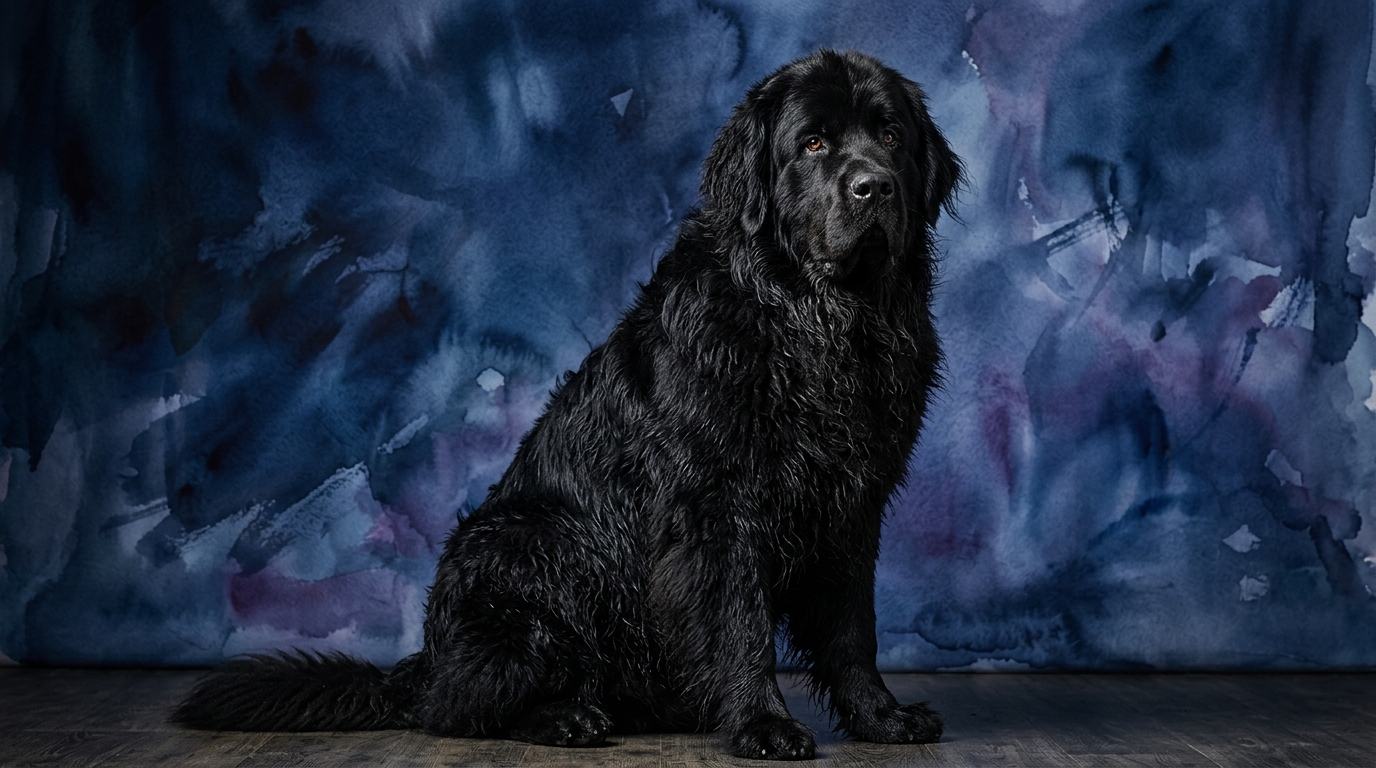
The Newfoundland, a majestic working dog, presents a cognitive profile deeply rooted in its heritage as a water rescue dog and devoted companion. Our Pet IQ Lab data ranks their Problem Solving at 3/5, suggesting they approach challenges with a methodical, often physically oriented strategy rather than complex abstract reasoning. Their Training Speed, at 4/5, indicates a solid capacity for learning new commands efficiently, aided by a strong desire to cooperate. Where the Newfoundland truly shines is in Social Intelligence, scoring a perfect 5/5; this reflects an unparalleled ability to read human emotions, understand subtle cues, and form profound empathetic bonds. Their Instinctive Drive, also 5/5, is powerfully directed towards protection and rescue, an innate compulsion to aid and guard. Finally, their Memory, at 4/5, ensures they retain learned behaviors and social interactions over long periods, contributing to their reliable nature.
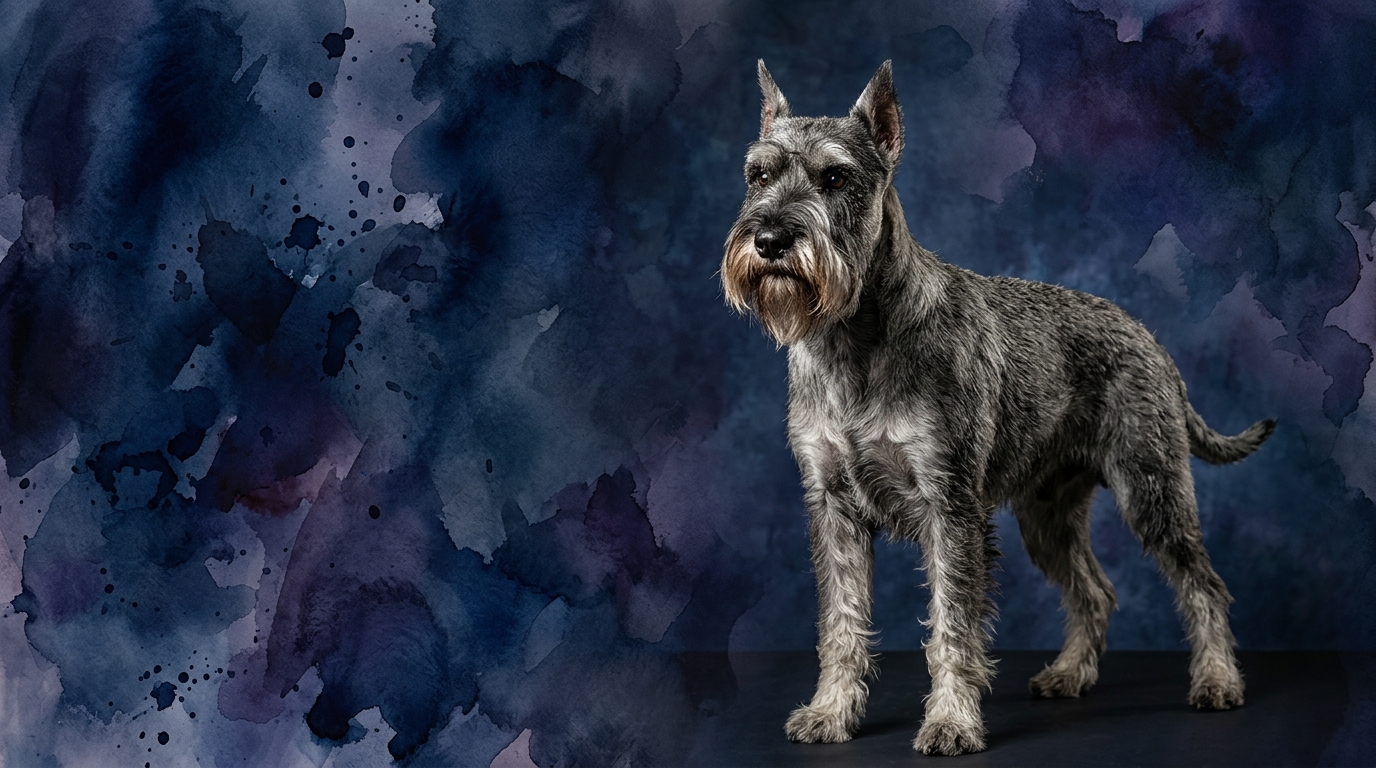
In contrast, the Standard Schnauzer, another formidable working breed, showcases a different set of cognitive priorities, honed for barn work and alert guardianship. Their Problem Solving is rated 4/5, indicating a more agile and strategic approach to overcoming obstacles, often involving clever manipulation or persistent experimentation. Like the Newfoundland, their Training Speed is 4/5, demonstrating a similar aptitude for quickly grasping commands, though perhaps with a different motivational drive. The Schnauzer's Social Intelligence, at 3/5, suggests they are discerning and loyal to their inner circle but may not possess the same broad, empathetic attunement as the Newfoundland, often preferring independence. Their Instinctive Drive, at 3/5, is geared towards vigilance, territoriality, and vermin control, a focused determination rather than expansive altruism. Their Memory, matching the Newfoundland at 4/5, ensures they remember routines, commands, and perceived threats with precision.
Where the Newfoundland Wins Cognitively
The Newfoundland's cognitive superiority lies unequivocally in their social and instinctive domains. Their 5/5 Social Intelligence means they possess an almost uncanny ability to interpret human moods, intentions, and even unspoken needs. This isn't just about obedience; it's about genuine empathy and a profound desire to connect and comfort. Owners often report Newfoundlands anticipating their feelings or offering a comforting nudge precisely when needed, a testament to their deep emotional intelligence. This trait makes them exceptional therapy dogs and incredibly intuitive family members, capable of self-regulating their interactions to be gentle with children or vulnerable individuals.
Furthermore, their 5/5 Instinctive Drive is a powerful, intrinsic motivation for helping and protecting. This isn't just about being 'good' at a job; it's an ingrained compulsion to perform acts of rescue, particularly in water, and to act as a steadfast guardian. This drive manifests as a calm, unwavering presence, ready to intervene if a family member is perceived to be in distress. While some breeds might be trained for these roles, for the Newfoundland, it’s a deeply embedded part of their cognitive makeup, making them inherently reliable in situations where their protective instincts are called upon.
Where the Standard Schnauzer Wins Cognitively
The Standard Schnauzer truly excels in the realm of problem-solving, scoring a notable 4/5. This higher rating indicates a more analytical and often inventive approach to navigating challenges. A Schnauzer faced with a barrier might not just try to push through it; they might assess its weak points, attempt to manipulate a latch, or even use tools (like their nose or paws) to achieve their goal. This translates into a dog that can be remarkably resourceful, figuring out how to open cabinets, escape enclosures, or devise novel ways to get to a desired object. Their intelligence here is less about brute force and more about strategic thinking and persistent experimentation.
This cognitive strength also underpins their suitability for diverse tasks requiring independent thought. While a Newfoundland might wait for direction, a Schnauzer is more prone to initiating solutions. This makes them adept at tasks requiring a degree of self-sufficiency, such as intricate scent work or agility courses where quick, on-the-spot decisions are rewarded. Owners often find their Schnauzers to be 'thinkers' who enjoy mental puzzles and challenges that engage their capacity for clever resolution, often surprising them with their ingenuity in everyday situations.
Which is Easier to Train and Why
Both breeds share a Training Speed rating of 4/5, suggesting they both learn commands at a comparable pace. However, the *ease* of training can differ significantly due to their other cognitive traits. The Newfoundland's exceptional 5/5 Social Intelligence and powerful desire to please their human companions often make them perceived as 'easier' to train, particularly for basic obedience and companionship. Their strong empathetic connection means they are highly attuned to their owner's feedback and derive immense satisfaction from cooperation. They respond exceptionally well to positive reinforcement, often eager to perform tasks that strengthen their bond with their family, making them generally compliant and responsive.
The Standard Schnauzer, despite the same 4/5 Training Speed, can present a different training experience due to their 3/5 Social Intelligence and 3/5 Instinctive Drive. While they learn quickly, their more independent nature means they might require more consistent and engaging motivation. They are less driven by a pervasive need to please and more by their own internal motivations or the reward itself. Training a Schnauzer often benefits from variety and mental stimulation to prevent boredom and maintain focus. Their problem-solving prowess can sometimes manifest as a cleverness in finding loopholes or testing boundaries, requiring an owner who is equally consistent and insightful in their training approach to harness their quick learning without allowing them to outsmart the system.
Which Suits Active Owners vs. Relaxed Owners
For the relaxed owner seeking a calm, empathetic, and devoted companion, the Newfoundland is often the ideal choice. Their 5/5 Social Intelligence and high instinctive drive for guardianship mean they thrive in environments where they can be close to their family, offering comfort and a reassuring presence. While they do require regular exercise, their massive size often precludes intense, high-impact activities. They are content with leisurely walks, swimming, and simply being near their people, making them excellent companions for those who prefer a more tranquil lifestyle but still appreciate a dog with purpose and a deep emotional connection. Their cognitive strengths align perfectly with a role as a gentle, watchful family member.
The Standard Schnauzer, with its 4/5 Problem Solving and more moderate instinctive drive, is better suited for active owners who enjoy engaging their dog in mental and physical challenges. Their need for intellectual stimulation and their agile nature mean they excel in activities like agility, obedience trials, earthdog events, or even complex trick training. They thrive when given a 'job' to do, whether it's learning new commands, solving puzzles, or participating in long, vigorous walks or runs. Owners who appreciate a dog with a keen mind and an independent streak, and are prepared to channel that energy and cleverness into constructive outlets, will find a highly rewarding partner in the Standard Schnauzer.
The Verdict: When to Choose Each
Choosing between a Newfoundland and a Standard Schnauzer hinges on your lifestyle and what you value most in a canine companion. If you prioritize profound emotional connection, unwavering empathy, and a gentle, protective presence in a family setting, the Newfoundland's exceptional social intelligence and instinctive drive make them an unparalleled choice.
Conversely, if you seek a clever, resourceful partner eager for mental challenges, independent problem-solving, and a more active, engaged lifestyle, the Standard Schnauzer's sharp intellect and agile nature will provide a highly stimulating and rewarding companionship.
The Verdict
Choose a Newfoundland if you desire an exceptionally empathetic, gentle, and instinctively protective companion who thrives on deep emotional bonds and a calm home environment.
Opt for a Standard Schnauzer if you are an active owner looking for a clever, independent, and highly trainable dog that excels at problem-solving and enjoys consistent mental and physical challenges.
🧠 Find Your Pet's IQ Score
Our Pet IQ Lab assessment covers 25+ tests across 5 cognitive dimensions — personalized to your breed.
Take the Full IQ Test →Frequently Asked Questions
Are Newfoundlands difficult to train due to their size?
Despite their imposing size, Newfoundlands are generally not difficult to train. Their high social intelligence and strong desire to please contribute to their willingness to learn, making them quite responsive to positive reinforcement and consistent guidance.
Do Standard Schnauzers require a lot of mental stimulation?
Yes, Standard Schnauzers thrive on mental stimulation due to their strong problem-solving abilities. They benefit greatly from puzzle toys, training sessions, and engaging activities to prevent boredom and channel their cleverness constructively.
Which breed is better with children?
The Newfoundland, with its perfect 5/5 social intelligence, is generally considered more naturally gentle and patient with children, often self-regulating their play. Standard Schnauzers can be good with children in their own family but may require more supervision due to their independent nature and lower social intelligence score.