Side-by-Side Cognitive Profiles
The Cosmic Pet Pet IQ Lab employs a five-dimensional framework to assess canine intelligence, moving beyond simple rankings to reveal a breed's true cognitive essence. While the Welsh Springer Spaniel holds a slightly higher Coren rank at #31 compared to the Newfoundland's #34, these numbers only tell a fraction of the story; a deeper dive into their individual scores illuminates their distinct mental architectures.
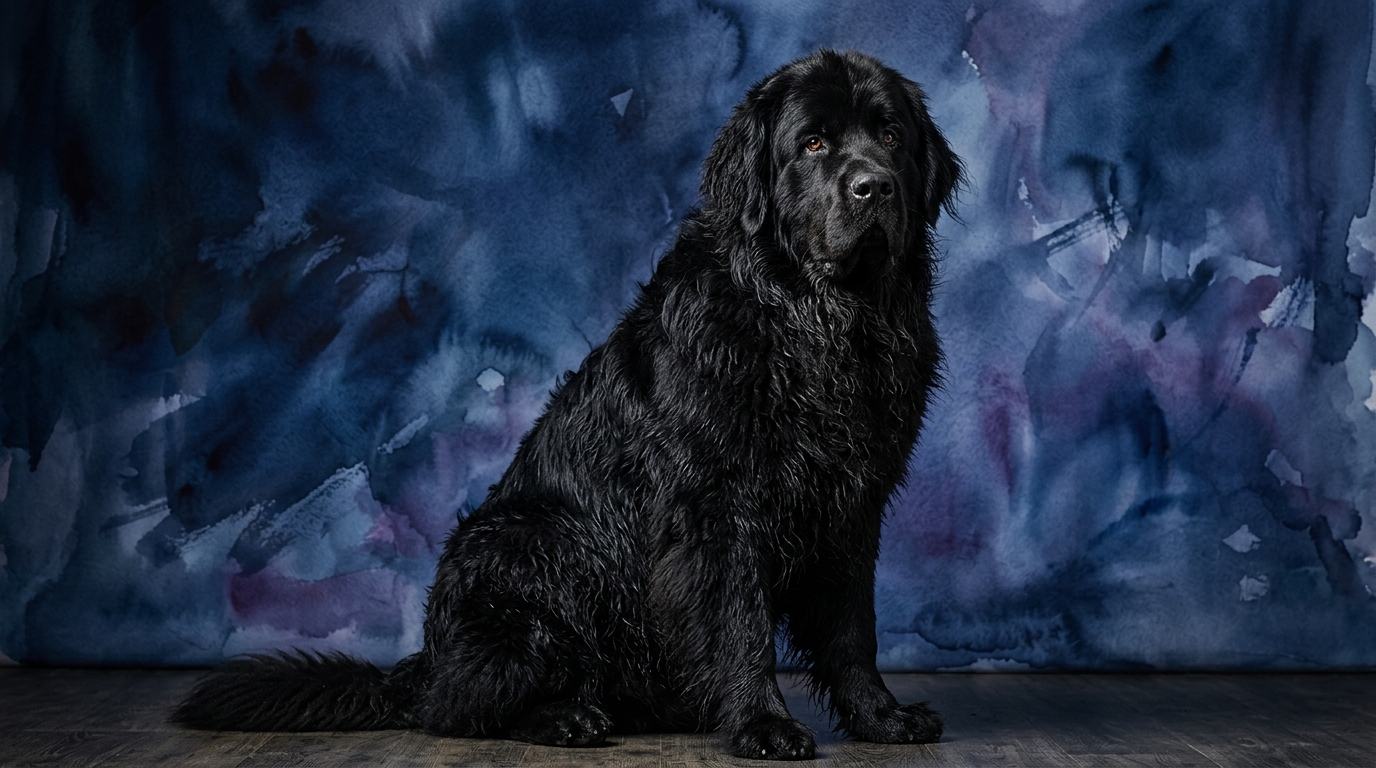
The Newfoundland, a majestic Working breed, exhibits a Problem Solving score of 3/5, indicating competence in navigating novel challenges but perhaps not a primary focus. Their Training Speed is rated 4/5, suggesting a good capacity for learning commands and routines. Where they truly shine is in Social Intelligence, scoring a perfect 5/5, reflecting their profound ability to understand and respond to human cues and emotions. Instinctive Drive is also at a peak 5/5, highlighting their powerful inherent predispositions, particularly for tasks like water rescue. Their Memory stands strong at 4/5, enabling them to retain learned information and experiences effectively.
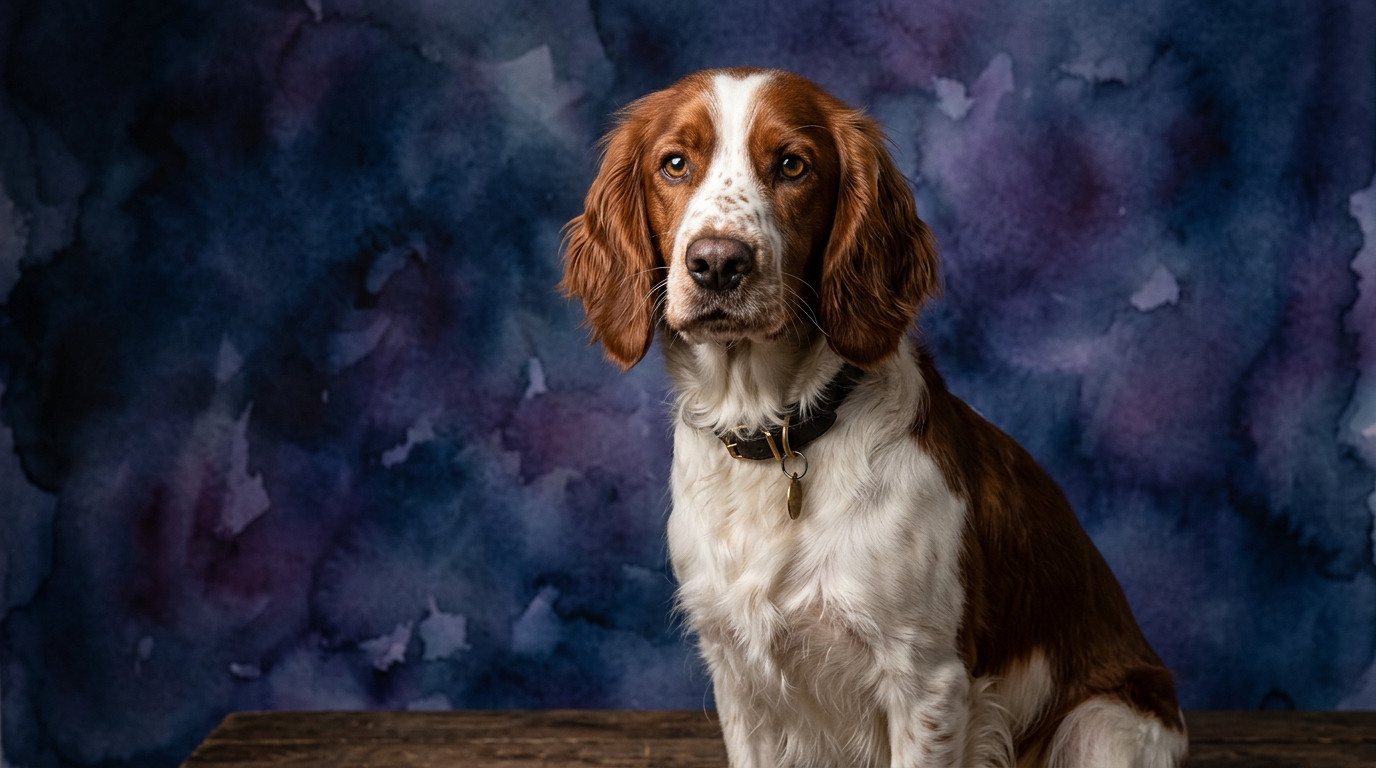
In contrast, the Welsh Springer Spaniel, a spirited Sporting breed, shows a Problem Solving aptitude of 4/5, indicating a stronger inclination and ability to figure things out independently. Their Training Speed matches the Newfoundland at 4/5, demonstrating similar efficiency in acquiring new skills. Social Intelligence for the Welsh Springer Spaniel is rated 3/5, suggesting they are responsive but perhaps less intensely focused on human emotional states than the Newfoundland. Their Instinctive Drive is 3/5, reflecting a moderate, task-oriented drive typical of hunting dogs but less overwhelming than the Newfoundland's. Memory for the Welsh Springer Spaniel is also solid at 4/5, supporting their ability to learn and recall complex sequences in the field.
Where the Newfoundland Wins Cognitively
The Newfoundland's cognitive superiority lies distinctly in areas of social acumen and unwavering intrinsic motivation. With a Social Intelligence score of 5/5, they possess an unparalleled capacity for empathy and understanding human emotional states, making them extraordinarily attuned companions. This means a Newfoundland is not just responding to a command, but often to the subtle nuances of your mood or needs, offering comfort or seeking connection with remarkable precision. Their profound social intelligence fosters deep, intuitive bonds, making them exceptional therapy dogs or devoted family members who anticipate your desires.
Furthermore, their Instinctive Drive, also rated 5/5, speaks to an inherent, powerful motivation, historically geared towards water rescue and guardianship. This isn't just a physical drive, but a cognitive one that compels them towards purposeful action and connection with their human counterparts. When presented with a task, especially one involving protection or assistance, a Newfoundland's cognitive processing is heavily influenced by this powerful, ingrained drive, allowing them to remain steadfast and dedicated, often showing remarkable self-initiation in situations that align with their protective instincts. Their cognitive framework is inherently wired for loyal, empathetic partnership.
Where the Welsh Springer Spaniel Wins Cognitively
The Welsh Springer Spaniel carves its cognitive niche with a superior Problem Solving ability, scoring 4/5 compared to the Newfoundland's 3/5. This indicates a breed that is more inclined and adept at independently figuring out solutions to novel challenges. When faced with an obstacle or a puzzle, a Welsh Springer is more likely to engage in trial-and-error, strategizing, and creative thinking to achieve a goal, rather than solely relying on handler direction. This cognitive strength makes them adept at tasks requiring independent thought, such as navigating complex scent trails or dislodging a toy from a tricky spot without explicit instructions.
Their cognitive makeup, honed for the demands of fieldwork, means they process environmental cues and potential solutions with a higher degree of analytical precision. While their Instinctive Drive is moderate (3/5), it's specifically geared towards hunting and retrieving, which often requires quick, independent decision-making and adaptive problem-solving in dynamic environments. This cognitive agility allows them to excel in activities like agility courses or advanced obedience, where understanding complex sequences and adapting to unexpected changes are paramount, showcasing a brain that thrives on intellectual engagement and independent resolution.
Which is Easier to Train and Why
Both breeds share a Training Speed score of 4/5, suggesting they can learn new commands at a comparable pace. However, the *experience* and *nature* of training differ significantly due to their other cognitive traits. The Newfoundland's exceptional Social Intelligence (5/5) and strong Instinctive Drive (5/5) make them incredibly eager to please and form cooperative partnerships. They thrive on positive reinforcement and human connection, making them highly responsive to a handler's desires and emotionally invested in the training process. Their inherent desire to work alongside and serve their humans often translates into a smoother, more intrinsically motivated training journey, where their dedication can overcome minor challenges.
Conversely, the Welsh Springer Spaniel, with its superior Problem Solving (4/5) but lower Social Intelligence (3/5) and Instinctive Drive (3/5), might approach training with more independence. While they can quickly grasp complex concepts due to their problem-solving prowess, their motivation might be less centered on pleasing the handler and more on the task's inherent reward or interest. They might require more engaging and varied training methods to maintain focus, as their moderate instinctive drive might lead them to explore environmental stimuli if not consistently captivated. Training a Welsh Springer might feel like guiding an independent thinker who needs to understand the 'why' or find the task inherently satisfying, rather than simply complying out of devotion.
Which Suits Active Owners vs. Relaxed Owners
For owners seeking a more relaxed, yet deeply engaged companion, the Newfoundland often presents a more suitable choice. Despite their large size and high instinctive drive, much of their drive is channeled into social interaction, companionship, and a readiness for purposeful, often calm, 'work' like supervised water activities or gentle guarding. Their exceptional social intelligence means they are content to be near their family, observing and participating in a less physically demanding way, though they still require regular, moderate exercise to maintain their physical health. Their cognitive preference leans towards being an empathetic, present family member.
The Welsh Springer Spaniel, on the other hand, is better suited for active owners who relish structured physical and mental engagement. Their superior problem-solving and moderate instinctive drive, rooted in their sporting heritage, mean they thrive on activities that challenge both their bodies and minds, such as long hikes, agility training, scent work, or retrieving games. They require consistent outlets for their energy and cognitive abilities to prevent boredom and undesirable behaviors. An owner who enjoys outdoor pursuits and can incorporate their dog into these activities will find the Welsh Springer Spaniel a highly motivated and rewarding partner, eager to engage in mentally stimulating physical tasks.
The Verdict
Choose the Newfoundland if you prioritize deep social connection, empathetic companionship, and a devoted, protective presence that thrives on cooperative engagement, even if their problem-solving isn't their strongest suit.
Opt for the Welsh Springer Spaniel if you value an independent thinker, a capable problem-solver, and an energetic partner for active pursuits that challenge their cognitive agility and sporting instincts.
🧠 Find Your Pet's IQ Score
Our Pet IQ Lab assessment covers 25+ tests across 5 cognitive dimensions — personalized to your breed.
Take the Full IQ Test →Frequently Asked Questions
Do Newfoundlands really excel at water rescue cognitively?
Yes, their 5/5 Instinctive Drive is profoundly linked to water activities, coupled with their 5/5 Social Intelligence. This cognitive blend means they not only have the innate drive but also the empathy and understanding of distress signals to act effectively in rescue scenarios, often showing remarkable initiative.
Is the Welsh Springer Spaniel's problem-solving ability noticeable in everyday life?
Absolutely. Their 4/5 Problem Solving score means you might observe them figuring out how to open gates, retrieve toys from tricky spots, or navigate complex environments with less direct guidance than other breeds, often employing clever strategies to achieve their goals.
How does social intelligence impact a dog's trainability?
High social intelligence, like the Newfoundland's 5/5, generally makes a dog more attuned to human desires and emotional states, fostering a strong desire to please and cooperate. This often translates into a more willing and responsive training partner, as they are intrinsically motivated by the bond and approval of their handler.