Side-by-Side Cognitive Profiles
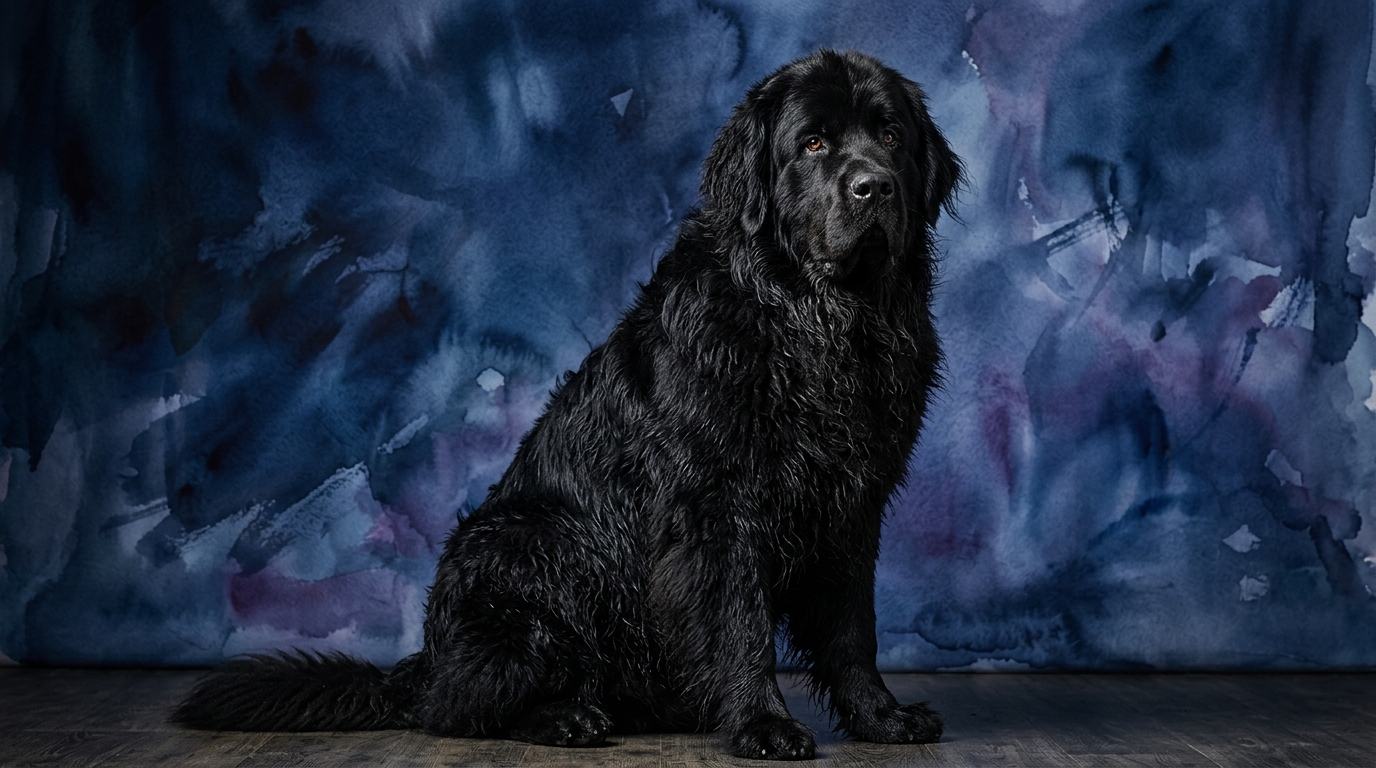
At The Cosmic Pet Pet IQ Lab, we evaluate canine intelligence across five key dimensions. For the Newfoundland, a Working breed ranked #34 by Coren, its cognitive strengths are deeply rooted in its cooperative and empathetic nature. Its Problem Solving is rated 3/5, indicating practical, rather than abstract, problem-solving abilities, often applied to tasks involving assistance or retrieval. Training Speed is 4/5, reflecting a good capacity for learning new commands efficiently. Social Intelligence is an outstanding 5/5, showcasing an exceptional ability to read and respond to human emotions and cues. Instinctive Drive, also 5/5, highlights a strong natural inclination towards water rescue, protection, and companionship, intrinsically linked to their historical roles. Finally, Memory is 4/5, demonstrating solid retention of routines and learned behaviors.
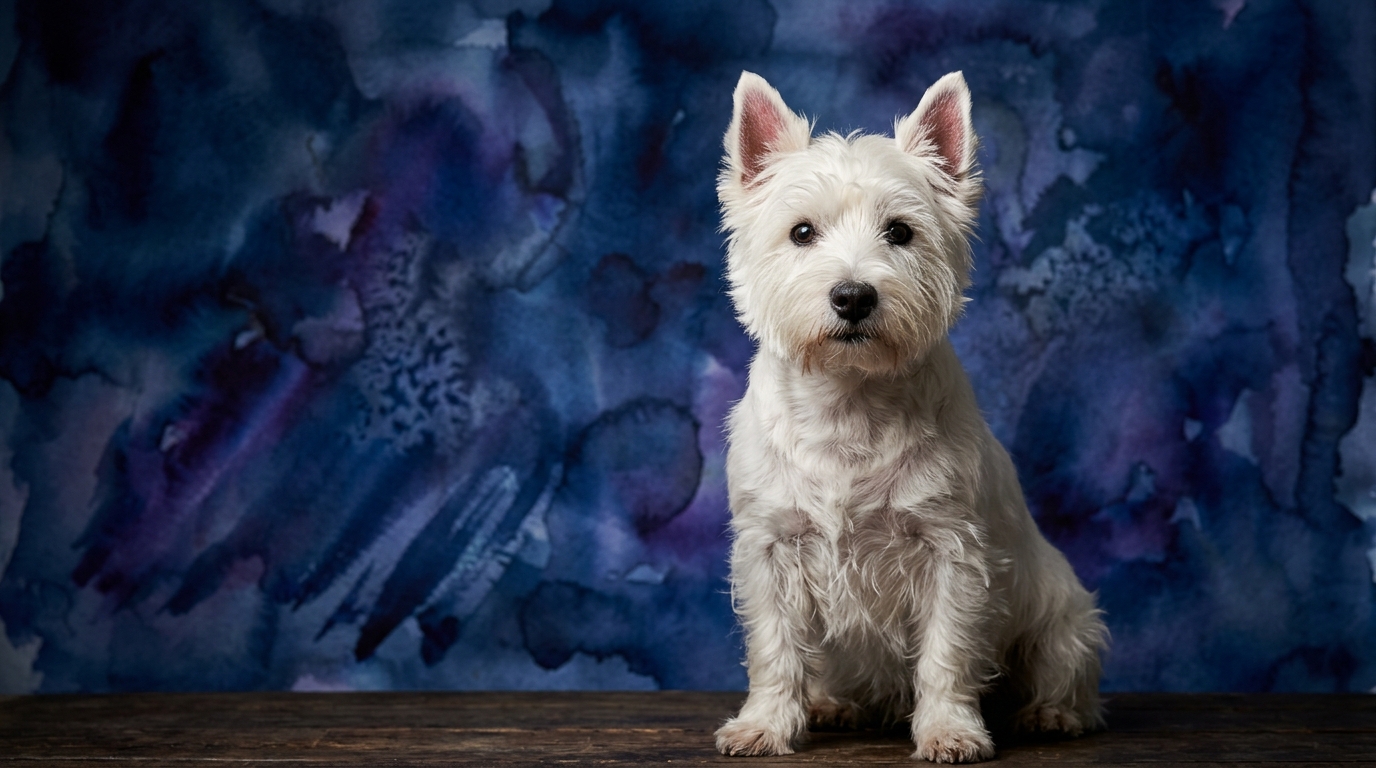
The West Highland White Terrier, a Terrier breed ranked #47 by Coren, presents a different cognitive blueprint, centered on independence and tenacity. Its Problem Solving is also 3/5, but this manifests as resourcefulness in navigating environments and pursuing prey, rather than cooperative tasks. Training Speed is 3/5, suggesting that while capable of learning, their independent spirit can require more patience and engagement. Social Intelligence is 3/5, indicating an observational understanding of their environment and companions, but less emphasis on deep emotional empathy compared to the Newfoundland. Instinctive Drive is 3/5, predominantly focused on prey drive, digging, and territoriality. Memory is 4/5, proving they can retain commands and routines effectively, especially when self-motivated.
Where the Newfoundland Excels Cognitively
The Newfoundland's cognitive strengths lie profoundly in its social and cooperative capacities. With a perfect 5/5 in social intelligence, they possess an unparalleled ability to interpret human cues, moods, and intentions, making them exquisitely attuned companions. This deep empathy allows them to offer comfort or adjust their behavior proactively, fostering strong, reciprocal bonds that go beyond simple obedience.
Their 4/5 training speed, combined with this social aptitude, means they are not just quick learners but eager participants in the training process. They thrive on collaborative tasks, deriving satisfaction from working alongside their humans. This cooperative spirit is a direct reflection of their 5/5 instinctive drive for roles like water rescue, where understanding and responding to human distress signals is paramount, showcasing a sophisticated form of applied social cognition.
Where the West Highland White Terrier Excels Cognitively
While their problem-solving score is shared, the West Highland White Terrier's cognitive advantage manifests in a unique brand of independent resourcefulness and tenacity. Their 3/5 problem-solving isn't about cooperation but about self-directed ingenuity, particularly when pursuing their own interests, such as locating a scent or navigating a complex environment to achieve a goal. This cognitive trait is deeply intertwined with their terrier instincts.
Their independence, sometimes perceived as stubbornness in training contexts, is a cognitive strength in situations requiring self-reliance. A Westie will often persist at a task, like digging or investigating, with unwavering focus, demonstrating a determined cognitive drive to satisfy their curiosity or complete a self-assigned mission, often without needing or seeking human direction for validation.
Which is Easier to Train and Why
Comparing the two, the Newfoundland generally presents as the more amenable student. Their 4/5 training speed is bolstered by their exceptional 5/5 social intelligence and a strong desire to please. They are intrinsically motivated by positive human interaction and readily understand what is expected of them, making consistent positive reinforcement highly effective. Their cooperative nature means they are more inclined to follow directions and integrate into a structured family environment, viewing training as a shared activity rather than an imposition.
The West Highland White Terrier, with a 3/5 training speed, requires a more patient and strategic approach. Their independent streak and inherent terrier tenacity mean they are often more interested in exploring their surroundings or following a scent than in executing a command. Training sessions need to be kept short, engaging, and highly rewarding to capture and maintain their focus. While capable of learning, their problem-solving often extends to finding ways around rules, demanding a creative and consistent trainer who can make compliance more appealing than self-directed mischief.
Which Suits Active vs. Relaxed Owners
The Newfoundland, despite its impressive size, can adapt to both active and somewhat relaxed owners, provided their social and mental needs are met. While they require regular, moderate exercise—think daily walks, perhaps a swim, and plenty of yard time—they are not perpetually high-energy dogs. Their cognitive need is more about companionship and purpose than constant physical exertion. Owners must be prepared for the practicalities of managing a large dog, including grooming and space, but can find a wonderfully calm companion if their social intelligence is engaged with ample family interaction.
The West Highland White Terrier is undeniably better suited for active owners. Beneath their charming exterior lies a surprisingly robust energy level and a keen terrier drive. They thrive on activities that engage their instincts, such as long walks, exploring new environments, earth dog trials, or agility courses. Their independent problem-solving and instinctive drive mean they benefit greatly from mental stimulation that challenges them and allows them to 'work.' A relaxed owner might find a Westie's persistent curiosity and need for engagement challenging, potentially leading to boredom-induced behaviors.
The Verdict
Opt for a Newfoundland if you seek an exceptionally empathetic, cooperative, and gentle companion who thrives on deep social connection and family integration, and you are prepared to accommodate a large dog's physical presence and grooming needs.
Select a West Highland White Terrier if you desire an independent, spirited, and tenacious companion who enjoys active engagement and mental challenges, and you are ready to commit to consistent, creative training methods that appeal to their unique terrier drive.
🧠 Find Your Pet's IQ Score
Our Pet IQ Lab assessment covers 25+ tests across 5 cognitive dimensions — personalized to your breed.
Take the Full IQ Test →Frequently Asked Questions
Do Newfoundlands make good therapy dogs?
Yes, their exceptional social intelligence and calm demeanor make them highly suitable for therapy work. They are adept at sensing human emotions and providing comforting presence, which is invaluable in therapeutic settings where empathy is key.
Are Westies good at agility?
Absolutely, West Highland White Terriers often excel in agility sports. Their compact size, natural athleticism, and problem-solving skills, combined with their tenacity, make them agile and enthusiastic competitors who enjoy the mental and physical challenge.
How much exercise do these breeds need daily?
Newfoundlands require moderate daily exercise, typically a good walk and some playtime, while Westies, despite their smaller size, need surprisingly vigorous activity and mental engagement to satisfy their terrier energy and inquisitive nature. Both benefit greatly from consistent routines.