Side-by-Side Cognitive Profiles
At The Cosmic Pet Pet IQ Lab, we evaluate canine intelligence across five critical dimensions: problem solving, training speed, social intelligence, instinctive drive, and memory. Let's dissect how the Newfoundland, a Working Group dog, and the Xoloitzcuintli, from the Non-Sporting Group, measure up.
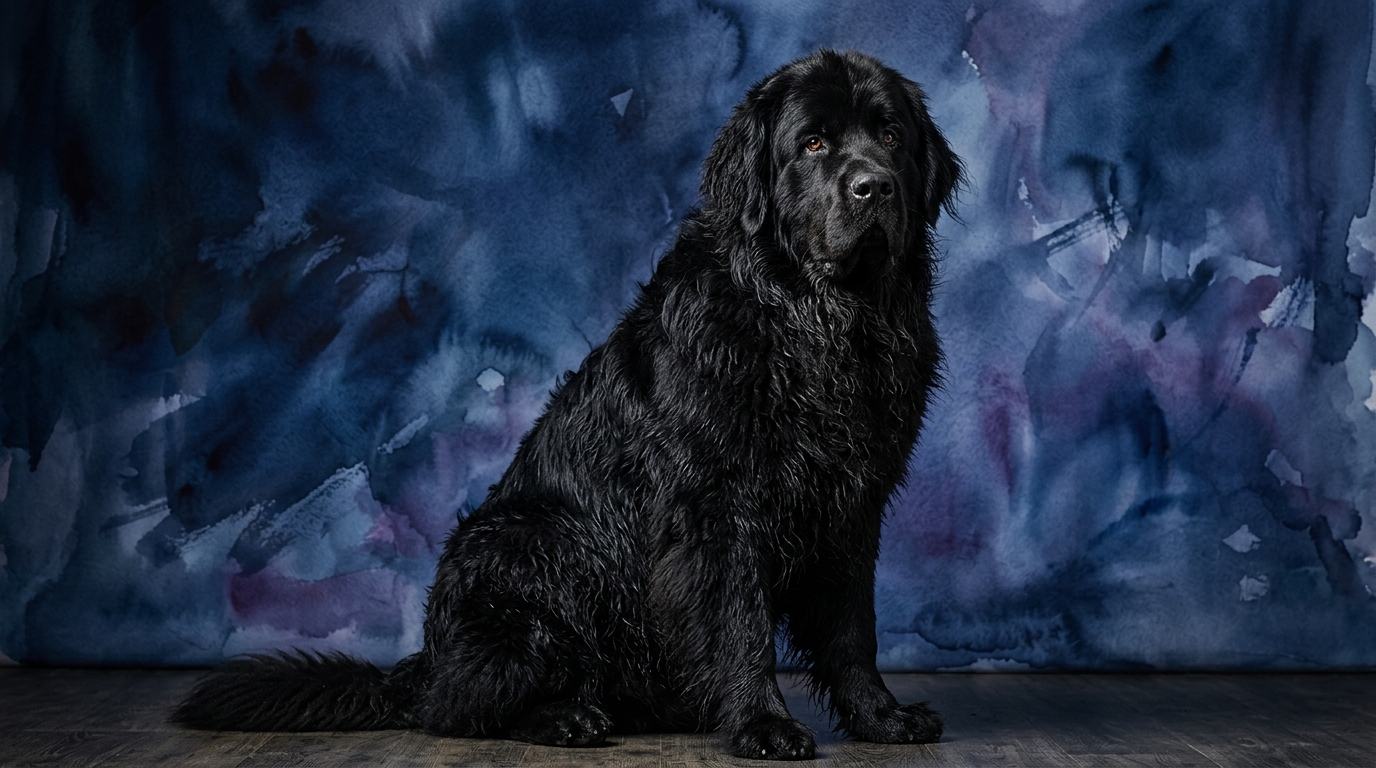
The Newfoundland, with a Coren ranking of #34, demonstrates a robust cognitive makeup tailored for purposeful work and companionship. Their problem-solving ability scores 3/5, indicating practical, rather than abstract, ingenuity. They excel at tasks related to their heritage, such as navigating complex terrain for rescue, offering direct solutions to tangible challenges. Training speed is a strong 4/5; these dogs absorb new commands and routines relatively quickly, driven by a cooperative spirit and focus. Social intelligence is an exceptional 5/5, highlighting an unparalleled capacity to read and respond to human and other animal cues, contributing to their empathetic nature. Instictive drive also scores a perfect 5/5, reflecting a powerful, innate predisposition for water rescue and guardianship, a fundamental part of their being. Finally, their memory is rated 4/5, allowing them to retain learned commands, routines, and experiences over time, crucial for consistent performance.
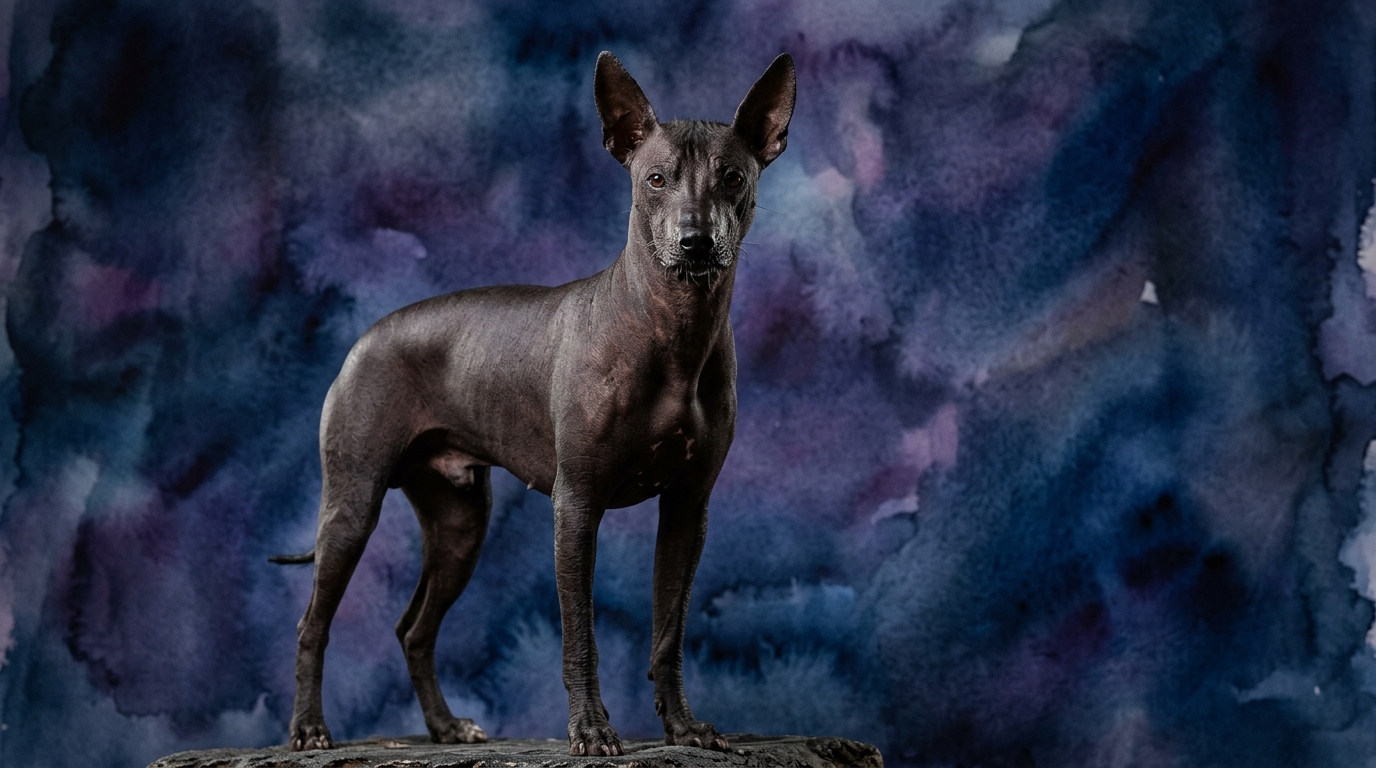
The Xoloitzcuintli, unranked by Coren but possessing a unique cognitive signature, presents a different set of strengths. Their problem-solving ability, also 3/5, leans towards practical, immediate solutions for comfort or curiosity, such as figuring out how to reach a sunbeam or navigate their home environment. Training speed scores 3/5, suggesting a moderate pace for learning new commands; while intelligent, their independence means they may learn at their own discretion, requiring consistent, patient reinforcement. Social intelligence is 3/5; Xolos form deep, almost telepathic bonds with their primary family but are often reserved or aloof with strangers, indicating a selective social acumen. Instictive drive is 3/5, reflecting general canine instincts like guarding their territory, but without the highly specialized, intense drives of a working breed. Their memory is also 3/5, allowing them to recall learned experiences and routines, particularly within their familiar social circle.
Where the Newfoundland Cognitively Excels
The Newfoundland's cognitive profile truly shines in areas demanding profound empathy and cooperative effort. Their perfect 5/5 social intelligence means they possess an intuitive understanding of human emotions and social dynamics, making them exceptional at offering comfort and adapting their behavior to diverse interpersonal situations. This isn't merely friendliness; it's a deep, cognitive attunement.
A 5/5 instinctive drive for water rescue and guardianship represents a sophisticated, ingrained cognitive blueprint for action. This isn't just physical prowess; it's a mental readiness to perform complex, life-saving behaviors without extensive initial training, guided by a powerful, inherent purpose. This drive means they often anticipate needs and react proactively.
Their 4/5 training speed, combined with a strong desire to please, gives them a distinct advantage in learning and executing complex sequences of actions efficiently. Newfoundlands are highly responsive and view training as a collaborative effort, making them adaptable to various roles and tasks beyond their traditional duties. Their superior memory (4/5) further supports this, ensuring reliable retention of learned skills.
Where the Xoloitzcuintli Demonstrates Unique Cognitive Strengths
While scoring 3/5 in problem-solving, the Xoloitzcuintli's ingenuity often manifests as an independent, self-serving cleverness. They excel at devising solutions for their own comfort or curiosity, such as quietly accessing a desired item or finding the perfect warm spot, often without seeking human direction. This showcases a distinct, self-motivated resourcefulness.
Their ancient lineage and preference for warmth foster a subtle cognitive advantage in self-regulation and optimizing personal well-being. Xolos are adept at identifying and creating their ideal environment, a form of practical intelligence focused on maintaining comfort and security within their immediate surroundings, demonstrating a unique environmental awareness.
Despite a moderate 3/5 social intelligence, the Xolo's ability to forge intensely deep, almost intuitive bonds with their primary family is a profound cognitive strength. This allows for a unique non-verbal understanding and mutual anticipation within their inner circle, a depth of connection that, while selective, can be incredibly profound and telepathic.
Training Ease: Newfoundland vs. Xoloitzcuintli
When it comes to training, the Newfoundland generally presents an easier path for most owners. Their 4/5 training speed is bolstered by a 5/5 social intelligence and a powerful desire to cooperate. They are eager to please, respond well to positive reinforcement, and are highly attuned to human cues, making them receptive and compliant students. Their strong instinctive drive also means they often find purpose in task-oriented training.
The Xoloitzcuintli, with a 3/5 training speed and 3/5 social intelligence, requires a different approach. They are intelligent but possess a more independent spirit, meaning they may learn at their own discretion rather than with eager compliance. Training a Xolo demands patience, consistency, and finding what truly motivates the individual dog, as they are less inclined to perform simply to please and may require more repetition to solidify new behaviors.
Lifestyle Suitability: Active vs. Relaxed Owners
The Newfoundland is best suited for owners who can provide consistent mental engagement and purposeful physical activity, particularly those involving water. While not requiring high-intensity running, their strong instinctive drive means they thrive when given a 'job,' whether it's long walks, swimming, carting, or therapy work. They are active in a steady, purposeful way, making them ideal for owners who appreciate a collaborative partner in their activities.
The Xoloitzcuintli typically suits more relaxed owners who appreciate a quiet, deeply bonded companion. While they do need regular exercise to maintain health and fitness, their activity levels are generally moderate. They are often content with brisk walks and playtime, but equally value significant downtime, especially enjoying warmth and comfort indoors, thriving on close companionship within the home environment.
The Verdict
If you seek a deeply empathetic, highly trainable companion eager to engage in purposeful activities, especially those involving water or social interaction, and you appreciate a steadfast, protective presence, the Newfoundland's cognitive profile aligns perfectly.
Opt for the Xoloitzcuintli if you desire a discerning, self-reliant companion who forms intense bonds with a select few, thrives in a warm home environment, and you're prepared for a training journey that prioritizes patience and understanding of their unique independence.
🧠 Find Your Pet's IQ Score
Our Pet IQ Lab assessment covers 25+ tests across 5 cognitive dimensions — personalized to your breed.
Take the Full IQ Test →Frequently Asked Questions
Are Newfoundlands good therapy dogs?
Yes, their exceptional social intelligence (5/5) and empathetic nature make them outstanding therapy dogs. They are highly attuned to human emotions and excel at offering comforting presence effectively.
Do Xoloitzcuintli dogs need a lot of exercise?
Xolos have moderate exercise needs; they enjoy brisk walks and playtime but are also content with significant downtime. They particularly value warmth and comfort indoors, making them suitable for owners with a balanced lifestyle.
Is a Xoloitzcuintli difficult to train?
Training a Xolo requires patience and consistency due to their independent nature (3/5 training speed). They are intelligent but often learn on their own terms, responding best to positive reinforcement and clear motivation rather than eager compliance.