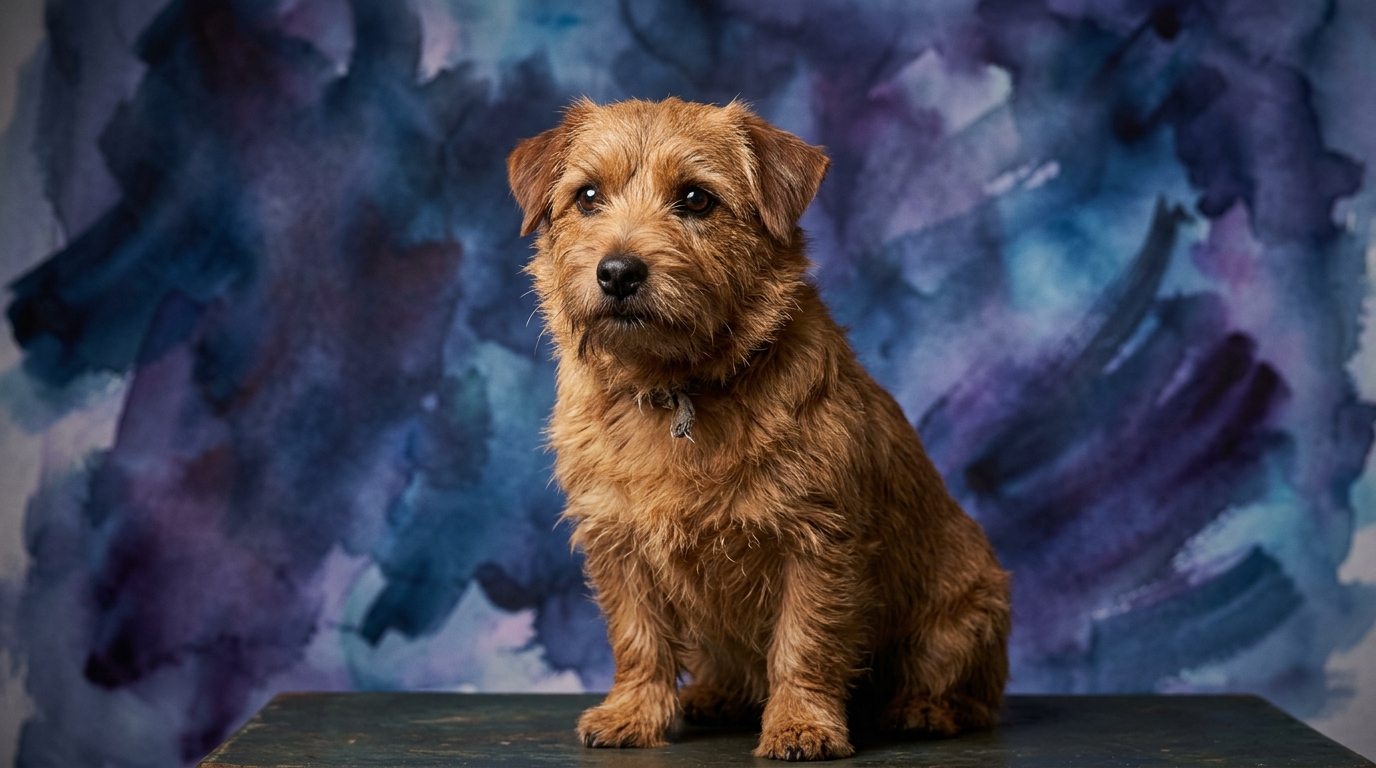
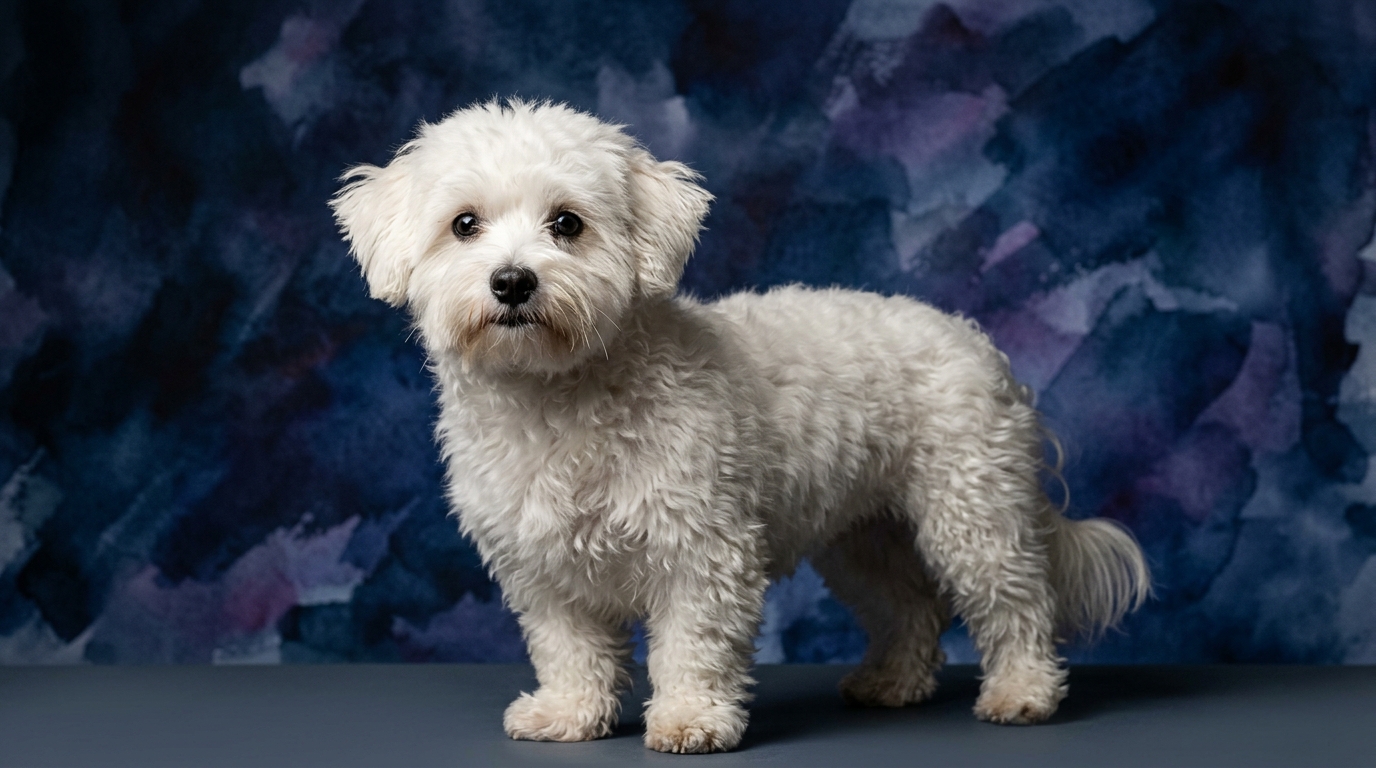
Side-by-side IQ profile
Despite both the Norfolk Terrier and Coton de Tuléar registering identical scores across The Cosmic Pet's five IQ dimensions, their cognitive landscapes are shaped by vastly different breed histories and temperaments. For the Norfolk Terrier, a 3/5 in Problem Solving often translates into resourceful, independent action, particularly when pursuing a goal or navigating an environment, fueled by their 3/5 Instinctive Drive which manifests as a keen interest in scents and exploration. Their 3/5 Training Speed means they absorb commands steadily, but their 3/5 Social Intelligence dictates that they often weigh compliance against their innate terrier assertiveness and focus, while their 3/5 Memory helps them recall which strategies best achieve their independent objectives.
The Coton de Tuléar, conversely, applies its identical 3/5 Problem Solving capacity to more socially nuanced situations, such as figuring out how to gain maximum human attention or comfort. Their 3/5 Instinctive Drive is typically centered on companionship and play, rather than prey, making them highly motivated by interaction. With a 3/5 Training Speed, they learn at a moderate pace, often eager to please, and their 3/5 Social Intelligence allows them to sensitively pick up on human moods and cues. A 3/5 Memory helps them retain routines and recall positive social interactions, reinforcing their role as devoted companions.
This fascinating parity in raw cognitive scores underscores that 'intelligence' isn't a monolithic concept. While both breeds possess moderate capabilities in each area, the *direction* and *context* in which they apply these skills diverge significantly. The Norfolk often channels its cognitive energy outwards, engaging with the physical environment, whereas the Coton typically directs its intellect inwards, focusing on the intricacies of social dynamics and emotional connection within its human family.
Where Norfolk Terrier wins cognitively
The Norfolk Terrier's cognitive strengths distinctly emerge in situations demanding independent initiative and focused determination. Their 3/5 problem-solving capacity frequently manifests as a tenacious drive to achieve a tangible goal, whether it involves skillfully extracting a hidden treat from a complex puzzle toy or persistently navigating obstacles to reach a desired object. This isn't merely about finding a solution; it's about executing it with an unwavering terrier spirit, often demonstrating a singular focus that allows them to bypass distractions that might deter other breeds.
Furthermore, their 3/5 instinctive drive provides a powerful underlying motivation for tasks requiring persistence and exploration. While a Coton might prioritize comfort, a Norfolk's cognitive processing is often geared towards actively engaging with their environment in an investigative manner. This can make them particularly adept at activities like earthdog trials or even just thoroughly 'patrolling' the yard, where their cognitive energy is channeled into sensory exploration and task completion with a purposeful intent.
Where Coton de Tuléar wins cognitively
The Coton de Tuléar's cognitive advantages are most evident in the realm of social and emotional nuance. Their 3/5 social intelligence score means they process human emotional states and social dynamics with a distinct sensitivity, often demonstrating an uncanny ability to 'read the room.' They might pick up on subtle shifts in tone or body language, adjusting their behavior to provide comfort or solicit attention in a highly responsive manner that speaks to a deeper emotional processing and empathetic understanding.
Their 3/5 problem-solving is frequently applied to social scenarios, such as ingeniously strategizing how to secure a spot on the couch for a cuddle or finding the most effective way to initiate an interactive game. This isn't about physical prowess but about understanding social cues and leveraging them to achieve their desired outcome – typically, close interaction and affection from their human. Their 3/5 memory plays a crucial role here, allowing them to recall which behaviors consistently elicit positive human responses, thereby reinforcing their socially-oriented cognitive strategies.
Which is easier to train and why
When considering ease of training, both breeds present unique considerations despite their identical 3/5 training speed. The Coton de Tuléar, with its strong desire for companionship and moderate social intelligence, often approaches training with an eagerness to please its human. They tend to be highly motivated by praise, affection, and gentle encouragement, making them responsive to positive reinforcement methods. However, their sensitivity means that harsh corrections can be counterproductive, potentially causing them to shut down or become anxious, which impedes learning. Their moderate instinctive drive, often directed towards play and interaction, makes them less likely to be distracted by external stimuli compared to a terrier's keen sensory focus.
The Norfolk Terrier, while equally capable of learning at a moderate pace, often brings a more independent and spirited approach to training. Their 3/5 instinctive drive, rooted in their terrier heritage, can mean they are more easily diverted by interesting scents, movements, or the prospect of independent exploration. Training a Norfolk requires consistent, engaging, and varied sessions to maintain their interest and channel their natural drive. Owners need to understand that a Norfolk might 'think' about a command before complying, weighing it against their own immediate interests. While they learn, their independent nature means they require a firm yet fair hand, along with making training a rewarding 'game' to overcome potential stubbornness.
Therefore, neither is 'easier' universally; the Coton might be more compliant for basic obedience due to their social motivation, while the Norfolk might excel in more task-oriented challenges if an owner can effectively tap into their drive and persistence.
Which suits active owners vs relaxed owners
The Norfolk Terrier is generally better suited for active owners who appreciate a dog with zest and a need for engagement. Their moderate instinctive drive and capacity for problem-solving mean they thrive when given opportunities to explore, sniff, and participate in activities that challenge both their bodies and minds. Daily walks, interactive play sessions, and even dog sports like agility or earthdog trials can provide the necessary outlets for their energy and cognitive stimulation. An owner who enjoys outdoor adventures and wants a companion to join them in various pursuits will find the Norfolk's spirited nature a good match.
The Coton de Tuléar, on the other hand, is an ideal companion for more relaxed owners who desire a devoted, affectionate presence. While they certainly enjoy play and moderate exercise, their primary need is for close human companionship. Their moderate social intelligence means they are content to be near their people, whether it's lounging on the couch, accompanying them on errands, or enjoying gentle indoor games. Owners who work from home, are retired, or simply prefer a less demanding activity schedule will appreciate the Coton's adaptable and loving temperament, as long as they provide consistent attention and social interaction.
The Verdict
Choose the Norfolk Terrier if you seek an independent, spirited companion for active adventures and enjoy channeling a dog's natural drive into engaging, task-oriented activities.
Opt for the Coton de Tuléar if you desire a sensitive, devoted companion for a more relaxed lifestyle, thriving on close human interaction and emotional connection.
🧠 Find Your Pet's IQ Score
Our Pet IQ Lab assessment covers 25+ tests across 5 cognitive dimensions — personalized to your breed.
Take the Full IQ Test →Frequently Asked Questions
Do identical IQ scores mean Norfolk Terriers and Cotons de Tuléar learn exactly the same way?
No, identical scores across the five IQ dimensions indicate similar capacities, but their breed-specific traits dictate *how* these capacities manifest. A Norfolk might apply problem-solving to a scent trail, while a Coton applies it to social dynamics, reflecting different inherent motivations and learning styles.
Which breed is better with children, considering their intelligence profiles?
The Coton de Tuléar's moderate social intelligence and desire for companionship often make them more naturally inclined towards gentle interactions, provided they are properly socialized. Norfolk Terriers can be good with respectful children but might have less patience for rough play due to their independent nature and terrier instincts, requiring closer supervision.
Are there specific training methods that work best for each breed, given their IQ scores?
For Norfolk Terriers, engaging, reward-based training that taps into their problem-solving and instinctive drive works well, often benefiting from variety to maintain interest. Coton de Tuléars respond best to positive reinforcement, praise, and gentle methods that nurture their desire for social connection, as they are sensitive to harshness.