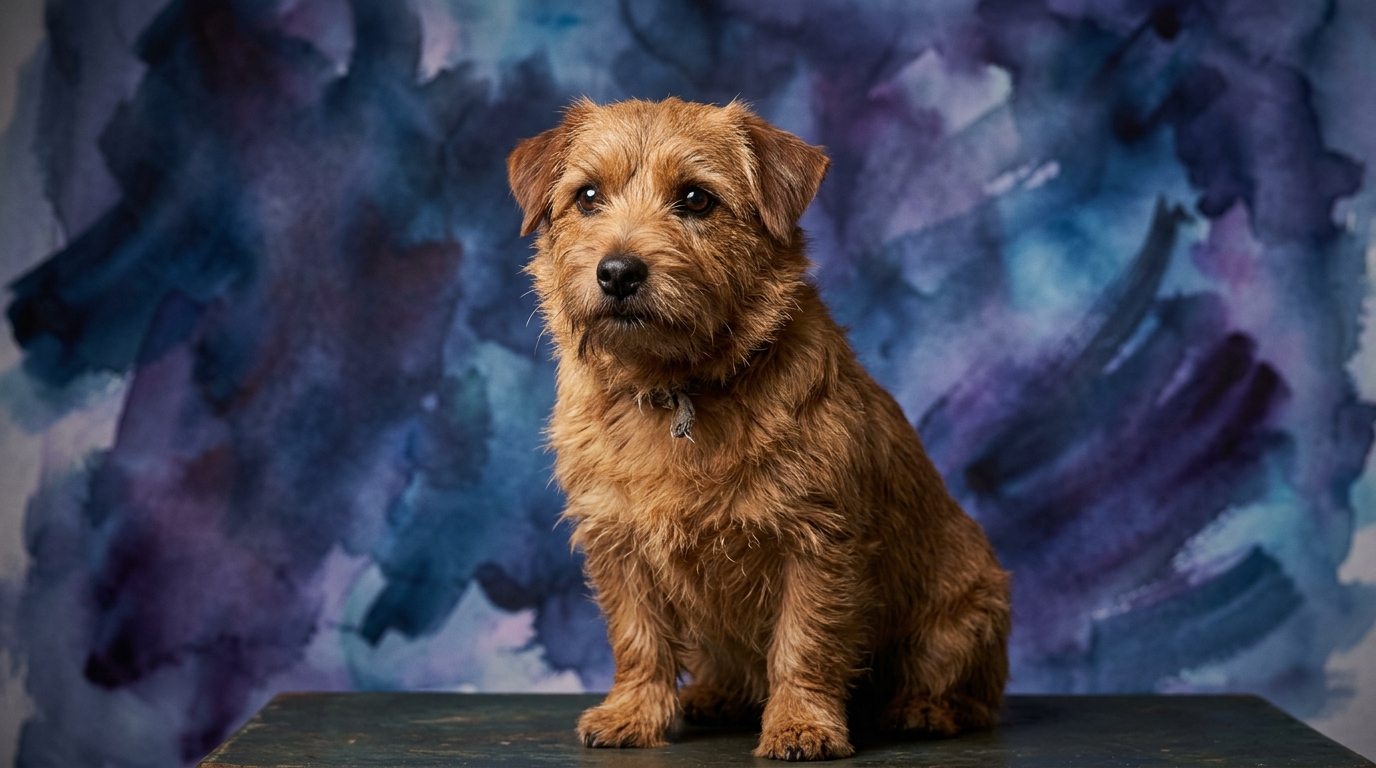
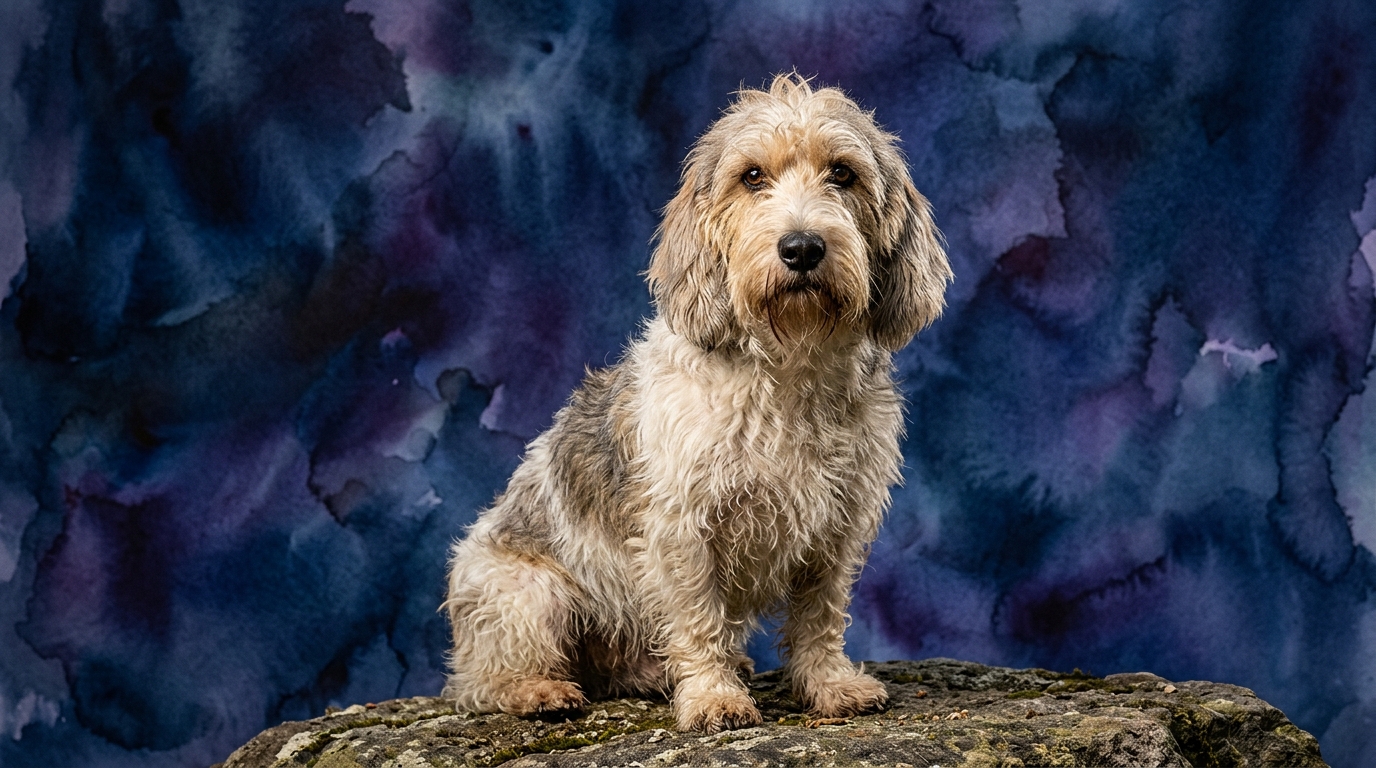
Side-by-Side IQ Profile: Interpreting Identical Scores
The Cosmic Pet Pet IQ Lab assesses canine intelligence across five critical dimensions: problem solving, training speed, social intelligence, instinctive drive, and memory. For both the Norfolk Terrier and the Petit Basset Griffon Vendéen (PBGV), each of these dimensions is rated a solid 3 out of 5, indicating a moderate, capable level of cognitive function. This numerical parity, however, belies the unique ways these breeds engage with their world, shaped by centuries of selective breeding for specific tasks.
For the Norfolk Terrier, a 3/5 in problem solving often translates to a clever, resourceful approach to immediate environmental challenges, such as finding ways to access hidden toys or navigate complex home layouts. Their 3/5 training speed reflects an ability to grasp new commands and routines with reasonable effort, often motivated by positive interaction and rewards. Social intelligence at 3/5 means they are generally adept at reading human cues and engaging appropriately within their family unit, displaying a balanced capacity for connection. Their instinctive drive, also 3/5, is typically expressed as a keen prey drive, manifesting in chasing small creatures or enthusiastic digging, rooted in their terrier heritage. Finally, a 3/5 memory suggests they retain learned behaviors and social interactions over time, contributing to their consistent character.
The Petit Basset Griffon Vendéen, despite identical scores, applies these cognitive abilities through a different lens. Their 3/5 problem solving is frequently channeled into persistent, methodical exploration, particularly when following a scent trail, demonstrating a sustained focus rather than quick, agile solutions. Training speed at 3/5 implies they are capable learners, though their hound independence often requires patient, consistent methods tailored to their motivations. A 3/5 in social intelligence means PBGVs are generally good-natured and capable of forming bonds, but their focus might intermittently shift to compelling environmental stimuli, especially scents. Their 3/5 instinctive drive is overwhelmingly centered on their powerful olfactory senses, compelling them to track and investigate, a hallmark of their hound lineage. A 3/5 memory supports their ability to recall complex scent paths and learned routines, even if external distractions can temporarily override immediate recall.
Where the Norfolk Terrier Wins Cognitively
The Norfolk Terrier often excels in scenarios demanding quick, adaptive thinking within a human-centric environment. Their 3/5 problem-solving manifests as a readiness to engage with puzzles, figure out how to retrieve a dropped item, or creatively navigate household obstacles. This practical, immediate application of their cognitive abilities means they can often appear more "tuned in" to their human companions' immediate goals. Their social intelligence (3/5) allows for a more direct, interactive style of communication, making them adept at soliciting attention or expressing desires in ways humans readily understand. Furthermore, their instinctive drive (3/5), while strong, is often more easily redirected into structured games like fetch or agility, where their quick reflexes and determination are assets. This blend allows them to rapidly assess and respond to novel situations in a way that aligns closely with typical domestic life.
Where the Petit Basset Griffon Vendéen Wins Cognitively
The Petit Basset Griffon Vendéen's cognitive strengths shine brightest in tasks requiring sustained focus, independent decision-making, and sophisticated sensory processing, particularly olfactory. Their 3/5 problem-solving is less about quick fixes and more about methodical, persistent investigation, such as meticulously unraveling a complex scent puzzle over a long period. This mental tenacity, driven by their profound instinctive drive (3/5), allows them to excel in activities like tracking or scent work, where a human might perceive a lack of immediate "understanding" but the PBGV is deeply engaged in a complex cognitive task using their nose. Their memory (3/5) supports the recall of intricate scent patterns and geographical layouts, making them natural navigators in sensory-rich environments. While their social intelligence (3/5) ensures they are amiable companions, their independent nature means they are less reliant on constant human direction for cognitive engagement, finding deep satisfaction in their own sensory pursuits.
Training Dynamics: Easier to Train?
Assessing which breed is "easier" to train, given both score 3/5 in training speed, requires understanding their inherent motivations and distractions. The Norfolk Terrier, with its terrier tenacity and direct social engagement (3/5), often appears to learn basic commands and tricks more readily in a structured, reward-based environment. They typically enjoy the interaction and the mental stimulation of training, making them enthusiastic participants. However, their 3/5 instinctive drive, manifesting as a strong prey drive, can make recall challenging if a squirrel or rabbit crosses their path. Consistency and making training fun are key to channeling their determined spirit effectively.
The Petit Basset Griffon Vendéen, while also scoring 3/5 in training speed, presents a different set of considerations. Their profound 3/5 instinctive drive, primarily focused on scent, means their nose often takes precedence over human commands, especially outdoors. They are capable of learning, but their independent hound nature means they might choose to follow a compelling scent rather than execute a "sit" or "stay." Training a PBGV requires immense patience, creativity, and finding ways to make obedience more rewarding than their natural inclinations. Scent games and positive reinforcement that ties into their natural drives can be highly effective. While they learn, their application of that learning can be more selective, making them potentially more challenging for owners seeking instant, unwavering obedience in all environments. Neither breed is "difficult" to train, but their inherent drives necessitate different approaches and expectations from their trainers.
Matching Lifestyles: Active vs. Relaxed Owners
Neither the Norfolk Terrier nor the Petit Basset Griffon Vendéen is suited for a truly "relaxed" owner seeking a low-energy companion. Both breeds possess a 3/5 instinctive drive that demands regular, appropriate outlets.
Active owners who enjoy interactive play, structured training, and varied outdoor adventures will likely thrive with a Norfolk Terrier. Their zest for life and adaptable problem-solving (3/5) mean they enjoy engaging in agility, earthdog trials, or simply vigorous games of fetch. They are keen participants in family activities and appreciate owners who can channel their terrier determination into positive outlets. Their social intelligence (3/5) means they thrive on being included and involved, making them excellent companions for those who want a dog to share in their active lifestyle.
The PBGV also requires an active owner, but the nature of that activity differs. Owners who appreciate long, meandering walks where the dog can fully engage its powerful nose, perhaps participating in scent work or tracking, will find a wonderful partner in a PBGV. Their 3/5 instinctive drive means they need sustained opportunities to explore their world through scent, which can be a more deliberate and less high-intensity activity than a terrier's bursts of energy. They are not typically suited for owners who prefer short, brisk walks or expect immediate recall in open areas. Owners must be prepared for their independent nature and the need to accommodate their olfactory pursuits, ensuring a secure environment for their explorations. Both breeds require commitment to activity, but the type of engagement is distinct.
The Verdict
Opt for a Norfolk Terrier if you seek a compact, spirited companion who thrives on interactive engagement, enjoys varied activities, and offers direct, communicative social interaction. They are well-suited for owners who appreciate a dog's quick wit and adaptability in a home environment, willing to channel their terrier drive into structured play and training.
Select a Petit Basset Griffon Vendéen if you are drawn to an independent, scent-driven companion, prepared to embrace long, exploratory walks and patient, consistent training that respects their hound heritage. They are ideal for owners who value a dog's profound connection to the natural world and find joy in observing their methodical, olfactory-driven problem-solving.
🧠 Find Your Pet's IQ Score
Our Pet IQ Lab assessment covers 25+ tests across 5 cognitive dimensions — personalized to your breed.
Take the Full IQ Test →Frequently Asked Questions
Do their identical IQ scores mean they behave identically?
No, while their cognitive capacities are rated similarly, their breed heritage and inherent drives dictate how these abilities are applied. A Norfolk Terrier's problem-solving might focus on immediate, physical tasks, whereas a PBGV's might be dedicated to complex scent tracking. The scores reflect potential, not identical behavioral manifestations.
Which breed is better for first-time dog owners?
Both breeds present unique challenges and rewards. A Norfolk Terrier might be slightly more straightforward for a first-timer willing to engage in consistent training and provide ample mental stimulation, due to their desire to please. A PBGV requires a first-time owner to be particularly patient and understanding of hound independence and a powerful scent drive, which can be less intuitive to manage.
How does "instinctive drive" differ between these two breeds?
For the Norfolk Terrier, their 3/5 instinctive drive primarily manifests as a strong prey drive, leading to enthusiastic chasing, digging, and a keen interest in small, scurrying creatures. For the Petit Basset Griffon Vendéen, their 3/5 instinctive drive is overwhelmingly focused on their powerful sense of smell, compelling them to track, investigate, and follow scent trails with unwavering determination.