
Side-by-Side Cognitive Profile: Unpacking the IQ Lab Data
The Cosmic Pet's IQ Lab utilizes five key dimensions to evaluate canine cognition, offering a granular view beyond general perceptions. For the Norfolk Terrier, we observe a remarkably balanced profile: Problem Solving 3/5, Training Speed 3/5, Social Intelligence 3/5, Instinctive Drive 3/5, and Memory 3/5. This consistent scoring suggests a dog that is adaptable and moderately capable across various mental tasks, without extreme highs or lows in any single area. Their Terrier heritage often means a pragmatic approach to challenges, rather than seeking the most complex solution.
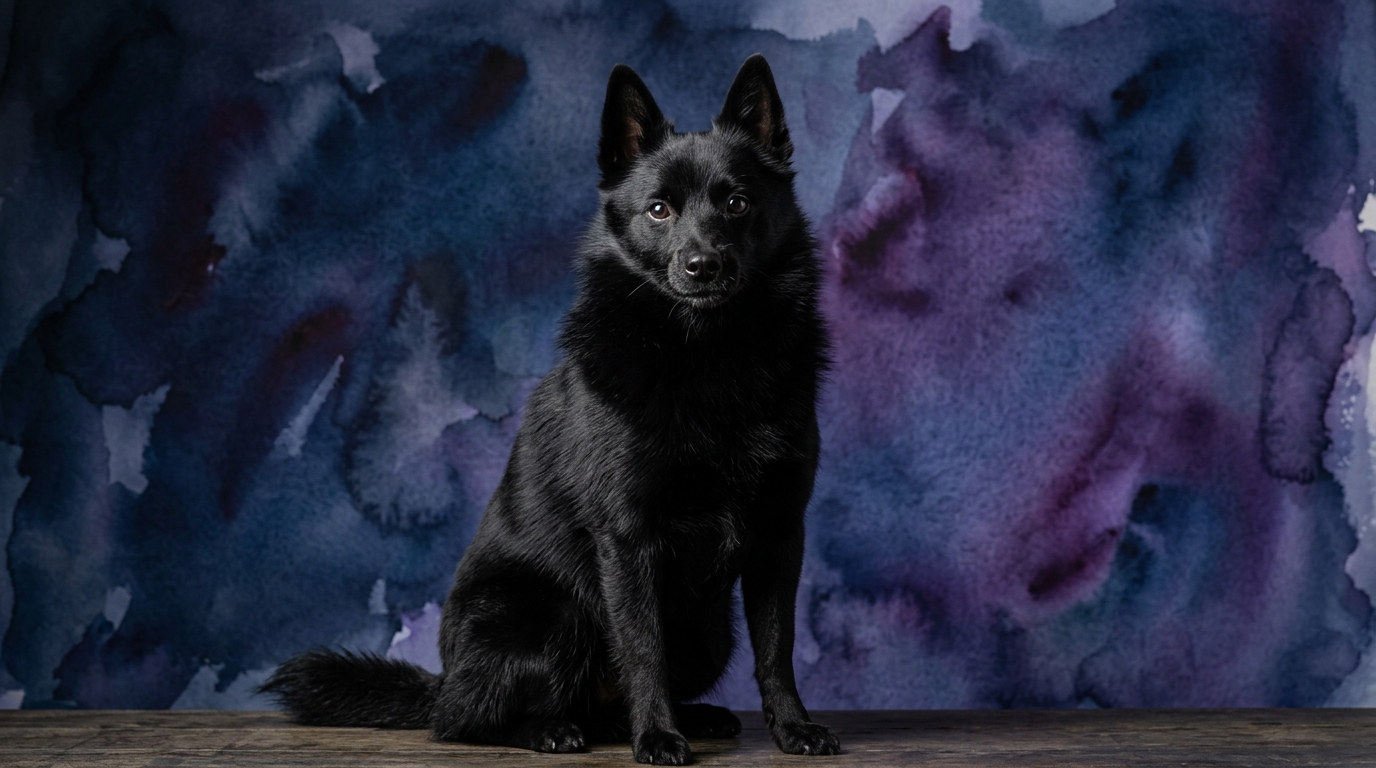
In stark contrast, the Schipperke presents a profile that highlights specific cognitive strengths: Problem Solving 5/5, Training Speed 5/5, Social Intelligence 3/5, Instinctive Drive 3/5, and Memory 5/5. These scores align with their Coren rank of #15, placing them among breeds that demonstrate a rapid capacity for learning and executing commands. The Schipperke excels in figuring out novel situations and retaining information, suggesting a mind that thrives on mental engagement and quickly forms associations between actions and outcomes.
Where the Norfolk Terrier Shines Cognitively
While the Schipperke boasts higher scores in several areas, the Norfolk Terrier's balanced '3/5' across all categories is not a deficit but a distinct cognitive advantage in specific contexts. Their moderate Problem Solving ability means they are resourceful enough to navigate daily challenges without overthinking or becoming overly fixated on complex tasks. They possess a practical intelligence, often finding straightforward solutions rather than elaborate ones, which can be less taxing for an owner seeking a less demanding mental companion.
The Norfolk Terrier's balanced Instinctive Drive (3/5) indicates a dog that possesses their breed's inherent terrier traits – a propensity for digging or chasing small prey – but typically not to an obsessive degree. This moderation means their natural urges are present but often more manageable than those of breeds with extreme drives. Their consistent Social Intelligence and Memory scores also point to a dog that forms stable bonds and remembers routines without being overly sensitive or requiring constant mental stimulation to maintain engagement, making them adaptable to various household dynamics.
Schipperke's Cognitive Prowess: A Micro-Powerhouse
The Schipperke truly distinguishes itself in the realms of Problem Solving (5/5), Training Speed (5/5), and Memory (5/5). These top-tier scores indicate a canine mind that is exceptionally adept at analyzing situations, devising solutions, and learning new commands with remarkable rapidity. A Schipperke will often grasp a new trick or routine in very few repetitions, making them a joy for individuals who enjoy teaching complex behaviors or participating in dog sports that demand precision and quick thinking.
Their superior Problem Solving manifests in their ability to figure out how to open gates, access forbidden areas, or manipulate objects to achieve a goal. This is not just 'cleverness' but a genuine cognitive capacity for strategic thought. Paired with their outstanding Memory, a Schipperke remembers these learned strategies and commands over long periods, requiring less frequent refreshers. This combination of mental agility and retention makes them formidable partners in activities requiring sustained focus and the application of learned skills.
Ease of Training: Decoding Behavioral Differences
Comparing Training Speed, the Schipperke (5/5) holds a significant advantage over the Norfolk Terrier (3/5). This directly translates to the speed at which a Schipperke will comprehend and execute new commands. Their high Problem Solving and Memory scores further amplify this ease, meaning they not only learn quickly but also retain what they've learned and can apply it effectively in varied situations. For owners, this means fewer repetitions are needed during training sessions, and the dog is likely to generalize learned behaviors more readily to different environments.
The Norfolk Terrier, with a 3/5 in Training Speed, is certainly trainable, but owners should anticipate requiring more consistent effort and patience. Their Terrier nature, while not rebellious, can sometimes prioritize independent thought over immediate compliance. A Norfolk might ponder 'what's in it for me?' before executing a command, whereas a Schipperke is often eager to engage and respond. This doesn't mean a Norfolk is 'stubborn,' but rather that their cognitive process for learning involves a more measured assessment of the task, requiring more structured and consistent reinforcement to build strong behavioral patterns.
Lifestyle Suitability: Active Minds vs. Adaptable Companions
For owners seeking an active mental partner, the Schipperke is an excellent fit. Their high scores in Problem Solving, Training Speed, and Memory mean they thrive on consistent mental stimulation. These dogs excel in obedience, agility, rally, and other dog sports where their quick wit and ability to learn complex sequences can be fully utilized. A Schipperke needs more than just physical exercise; they require puzzles, training challenges, and opportunities to use their sharp minds to prevent boredom and potential mischievousness that can arise from under-stimulation. Their similar Instinctive Drive (3/5) to the Norfolk suggests they share a comparable baseline for chasing and exploring, but the Schipperke will likely apply more complex thought to these activities.
The Norfolk Terrier, with its balanced cognitive profile, is a superb choice for owners who appreciate an adaptable companion that is engaged but not constantly demanding complex mental tasks. While they enjoy activity and learning, their moderate scores across the board mean they are generally content with a blend of physical exercise, routine training, and quality companionship. They are less likely to invent their own 'problems' to solve out of boredom if their mental needs aren't met with sophisticated challenges. Their consistent social intelligence allows them to integrate smoothly into family life without requiring excessive cognitive engagement from their human counterparts, making them suitable for both moderately active and more relaxed home environments.
The Verdict
Choose a Norfolk Terrier if you desire a balanced, adaptable companion who is moderately trainable and requires a steady, consistent approach to mental engagement rather than constant, complex challenges. They offer a delightful blend of terrier charm and agreeable companionship.
Opt for a Schipperke if you are an owner who relishes a highly engaged, quick-witted partner eager to learn complex tasks and participate in dog sports or advanced training. Their exceptional problem-solving and memory capabilities thrive with consistent mental stimulation and structured activities.
🧠 Find Your Pet's IQ Score
Our Pet IQ Lab assessment covers 25+ tests across 5 cognitive dimensions — personalized to your breed.
Take the Full IQ Test →Frequently Asked Questions
What does a Coren rank signify in dog intelligence?
The Coren rank primarily measures a dog's obedience and working intelligence, reflecting how quickly they learn and obey commands from humans. It doesn't fully encompass other aspects like problem-solving, social intelligence, or instinctive drives, which The Cosmic Pet's IQ Lab assesses independently.
How does 'Instinctive Drive' manifest differently in these two breeds, even with the same score?
While both score 3/5, their breed types influence manifestation. A Norfolk Terrier's instinctive drive might lean towards digging and pursuing small vermin with typical terrier tenacity. A Schipperke, originating as a barge dog, might exhibit strong guarding instincts and a propensity to 'herd' family members or patrol their territory, all with a similar moderate intensity.
What does a '3/5' in Social Intelligence mean for a dog's interaction with family?
A 3/5 in Social Intelligence indicates a dog that is generally agreeable and capable of forming strong bonds with its family, understanding social cues adequately. They are not overly needy for constant interaction nor are they aloof; they maintain a balanced social presence, adapting well to a family's rhythm without excessive sensitivity or social demands.