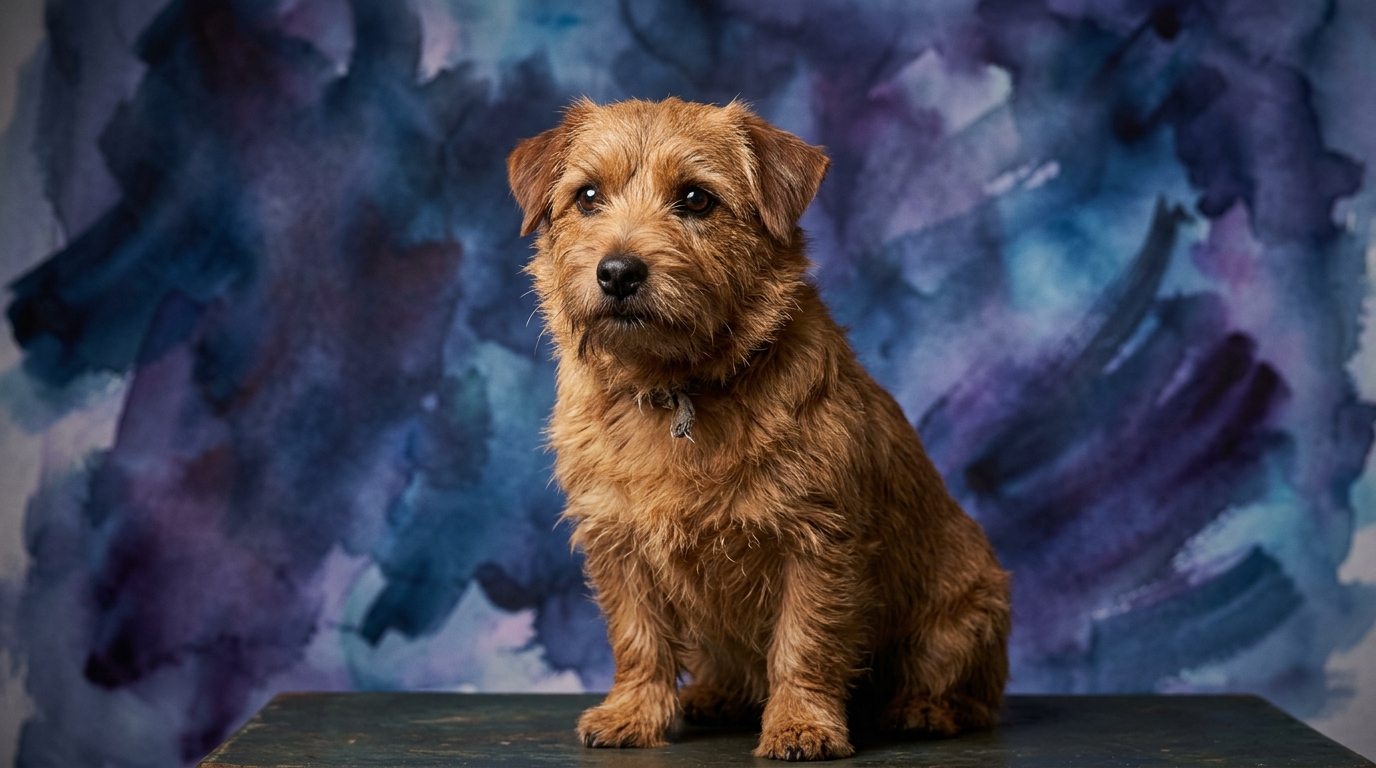
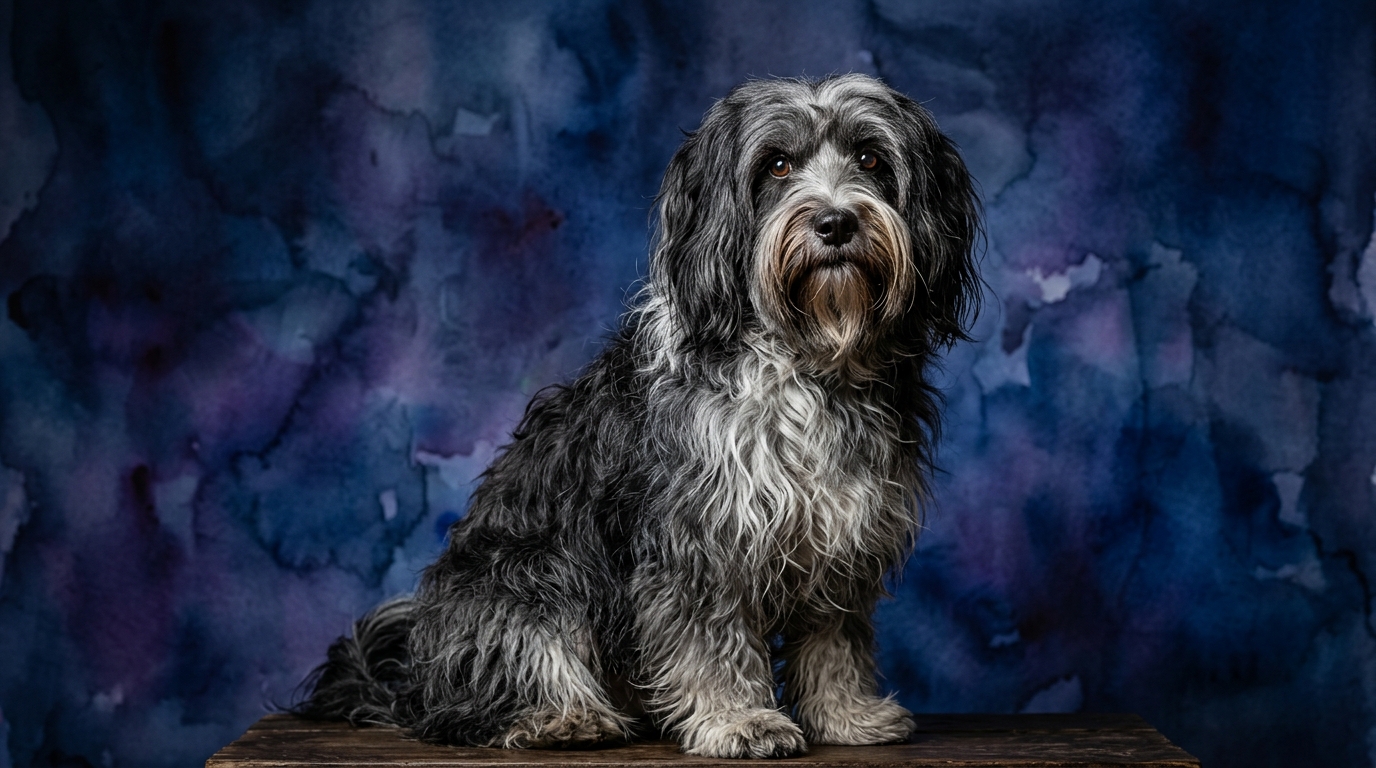
Side-by-Side Pet IQ Lab Profile
The Cosmic Pet Pet IQ Lab assesses canine intelligence across five key dimensions, providing a granular view of how breeds process and interact with their world. For both the Norfolk Terrier and the Tibetan Terrier, our analysis reveals a consistent score of 3/5 across all categories, suggesting a moderate yet capable cognitive framework. However, the manifestation of these scores differs significantly due to their distinct breed origins and inherent temperaments.
The Norfolk Terrier, a small but spirited working dog from the Terrier group, exhibits its Problem Solving (3/5) through determined independence, often finding physical solutions to access desired objects or navigate obstacles, characteristic of a self-reliant hunter. Their Training Speed (3/5) is moderate, requiring engaging, consistent methods to overcome a spirited willfulness, learning efficiently when the task is rewarding. Social Intelligence (3/5) manifests as adaptability within the family unit and moderate responsiveness to human moods, though they display a confident assertiveness with other canines. Their Instinctive Drive (3/5) is robust, fueling exploration, digging, and a keen interest in small prey. Memory (3/5) is solid for routines and commands, but they also retain negative associations, impacting future interactions.
The Tibetan Terrier, a revered companion and watchdog from the Non-Sporting group, approaches Problem Solving (3/5) with thoughtful observation, often strategizing how to manipulate situations or understand mechanics, rather than relying on impulsive action. Their Training Speed (3/5) is also moderate, but success hinges on a strong, respectful bond and patient, positive reinforcement, as they can be reserved or aloof if training is not engaging. Social Intelligence (3/5) is nuanced, showing deep empathy and attunement to family emotions, though they may be discerning and reserved with strangers. Their Instinctive Drive (3/5) is focused on observation and alert barking, rather than hunting, driven by a desire to be an integral part of their human 'pack.' Memory (3/5) is excellent for both positive and negative experiences, remembering commands and past interactions over long periods.
While their quantitative scores are identical, these descriptions highlight how their cognitive capacities are applied through the lens of their unique breed purpose and personality.
Where the Norfolk Terrier Wins Cognitively
Despite sharing identical Pet IQ Lab scores, the Norfolk Terrier often demonstrates a particular cognitive edge in areas demanding robust, independent action and direct engagement with the physical world. Their instinctive drive, rated 3/5, fuels a proactive form of problem-solving that is deeply rooted in their terrier heritage. This grit enables them to persistently tackle physical challenges, whether it's burrowing under a loose fence to investigate an interesting scent or methodically figuring out how to retrieve a toy from an awkward space. Their solutions are often characterized by a determined, hands-on approach, driven by a strong, internal motivation to explore and 'work' their environment.
This directness also translates into a clear, albeit sometimes insistent, communication of their needs and desires. A Norfolk Terrier is less likely to be subtle; their intentions and frustrations are often quite legible to an observant owner, making it straightforward to understand what they are attempting to achieve or communicate in a given situation. This clarity, born from their confident and self-assured nature, can be a distinct advantage for owners who appreciate a dog that expresses itself unequivocally.
Where the Tibetan Terrier Wins Cognitively
Conversely, the Tibetan Terrier’s cognitive strengths often lie in more nuanced, observational, and socially-driven applications of their identical scores. Their social intelligence (3/5), coupled with their history as companions and watchdogs, gives them a distinct advantage in understanding complex interpersonal dynamics. They are adept at reading subtle human body language and vocal tones, often anticipating their owner's moods or intentions before explicit cues are given. This allows them to engage in a more strategic form of problem-solving, where manipulating social situations or understanding routines can lead to desired outcomes, such as subtly nudging for attention or figuring out optimal times for play.
Their thoughtful nature often means their solutions are less about brute force and more about clever adaptation within their social structure. This breed excels at discerning patterns and understanding cause-and-effect in their social environment, allowing them to navigate household rules and family expectations with a sophisticated awareness. This observational prowess makes them highly perceptive companions, capable of learning not just what to do, but why and when to do it within the context of their human family.
Which is Easier to Train and Why
When considering ease of training, both breeds present unique considerations despite their 3/5 training speed rating. The Norfolk Terrier's independent spirit and strong instinctive drive mean training requires unwavering consistency, short, engaging sessions, and highly motivating rewards. They learn efficiently when they perceive a clear purpose or an enjoyable challenge, but their inherent terrier tenacity means they might 'test' boundaries or choose to ignore commands if they don't see the immediate benefit or are bored. Training a Norfolk often feels like a negotiation with a clever, self-assured individual who needs to be convinced that cooperation is more rewarding than independence.
The Tibetan Terrier, while also possessing an independent streak, often responds differently. Their social intelligence and sensitivity mean they thrive on positive reinforcement, patience, and a strong, trusting relationship with their trainer. They are capable of learning a wide array of commands and tricks, often with a thoughtful understanding, but their occasional aloofness or reserved nature means motivation needs to be intrinsic and relationship-based. Harsh corrections are counterproductive and can lead to withdrawal. While they might not always execute commands with the immediate enthusiasm of some breeds, their willingness to engage and learn is often deeper once a bond is established, making them potentially more adaptable to a wider variety of training methods, provided they are respectful and engaging.
Which Suits Active Owners vs Relaxed Owners
The choice between a Norfolk Terrier and a Tibetan Terrier also hinges significantly on an owner’s lifestyle and activity levels. The Norfolk Terrier, with its lively temperament and robust instinctive drive (3/5), is better suited for active owners. They thrive on daily adventures, whether it's vigorous walks, engaging playtime in a secure yard, or structured training sessions that challenge their curious minds. Their terrier nature means they need consistent outlets for exploring, digging, and 'working,' making them ideal for individuals or families who enjoy consistent outdoor activity and can provide ample mental and physical enrichment to prevent boredom-driven behaviors.
In contrast, the Tibetan Terrier offers a more adaptable companionship, appealing to a broader spectrum of owners. While they certainly enjoy and require regular walks and playtime to stay healthy and engaged, their activity level isn't as relentlessly driven as the Norfolk's. Their social intelligence (3/5) allows them to be content participating in a variety of family activities, whether that means a long hike, a casual stroll around the neighborhood, or a quiet evening on the couch. They are often described as 'all-weather dogs' – equally happy to play in the snow or lounge by the fire, making them a good fit for owners who appreciate flexibility in their daily routine but are still committed to providing consistent interaction and mental stimulation.
The Verdict
Choose a Norfolk Terrier if you are an active individual or family seeking a spirited, independent, and determined companion, prepared for consistent, engaging training and a dog that thrives on exploring its world with gusto.
Choose a Tibetan Terrier if you desire an adaptable, sensitive, and observant companion who forms deep bonds, responds best to patient, relationship-based training, and offers a flexible balance of playfulness and calm companionship.
🧠 Find Your Pet's IQ Score
Our Pet IQ Lab assessment covers 25+ tests across 5 cognitive dimensions — personalized to your breed.
Take the Full IQ Test →Frequently Asked Questions
Are Norfolk Terriers good with other pets?
Norfolk Terriers can coexist with other pets, especially if socialized from a young age. However, their natural prey drive means small, scurrying animals might trigger their instincts, requiring careful introductions and supervision.
Do Tibetan Terriers bark a lot?
Tibetan Terriers were historically watchdogs, so they do have a tendency to bark to alert their owners to new sights or sounds. Consistent training can help manage excessive barking, but they will naturally vocalize to communicate.
Which breed is more suitable for apartment living?
Both breeds can adapt to apartment living with sufficient exercise and mental stimulation. The Tibetan Terrier might be slightly more adaptable due to its flexible activity levels, while the Norfolk Terrier's robust energy requires more diligent outdoor activity to prevent restlessness indoors.