Side-by-Side Cognitive Profiles
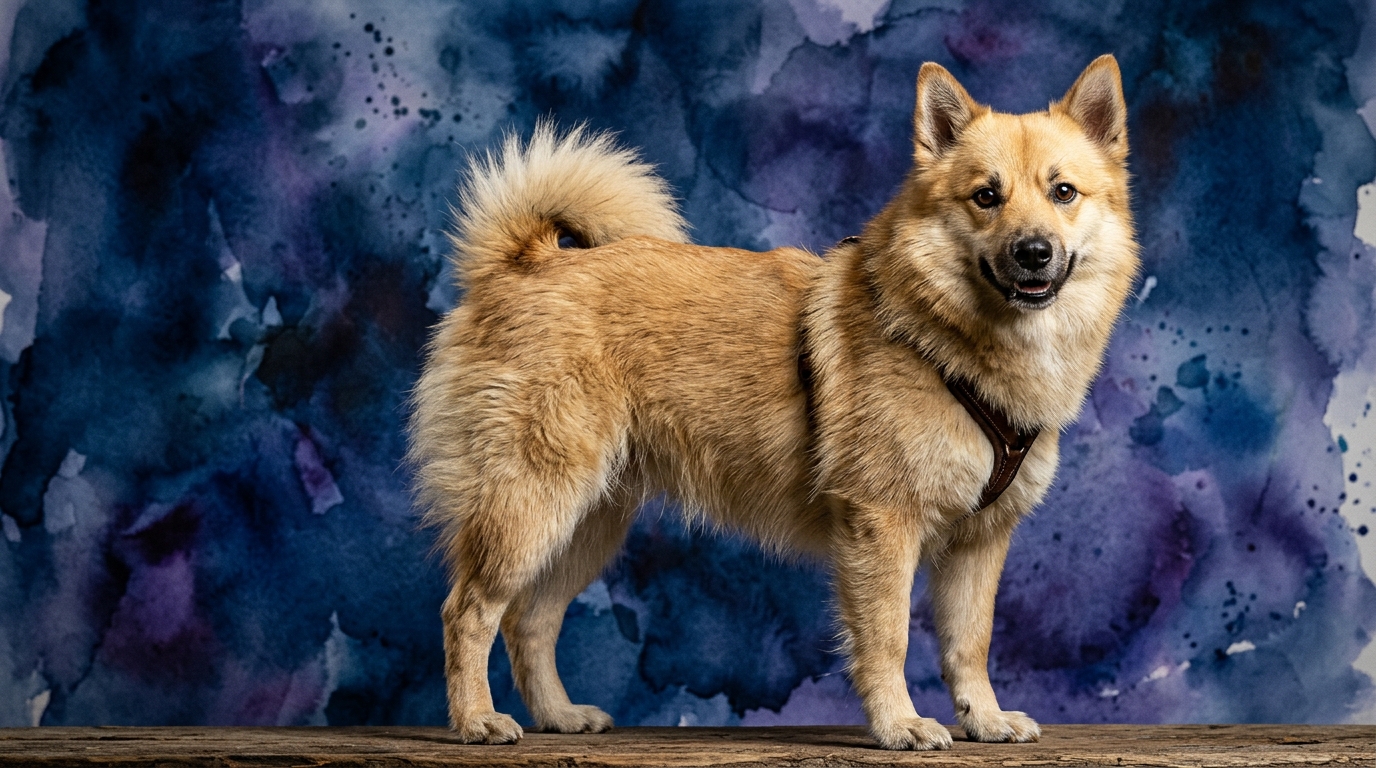
The Norwegian Buhund, a Nordic herding dog, presents a consistent cognitive profile across our five dimensions, scoring 3/5 in problem-solving, training speed, social intelligence, instinctive drive, and memory. This suggests a balanced, adaptable mind, capable of moderate complexity but perhaps without extreme specialization in any single cognitive area. Their problem-solving capacity is likely geared towards practical, on-the-job tasks within a cooperative framework, while their memory supports consistent task execution rather than complex retention of vast information.
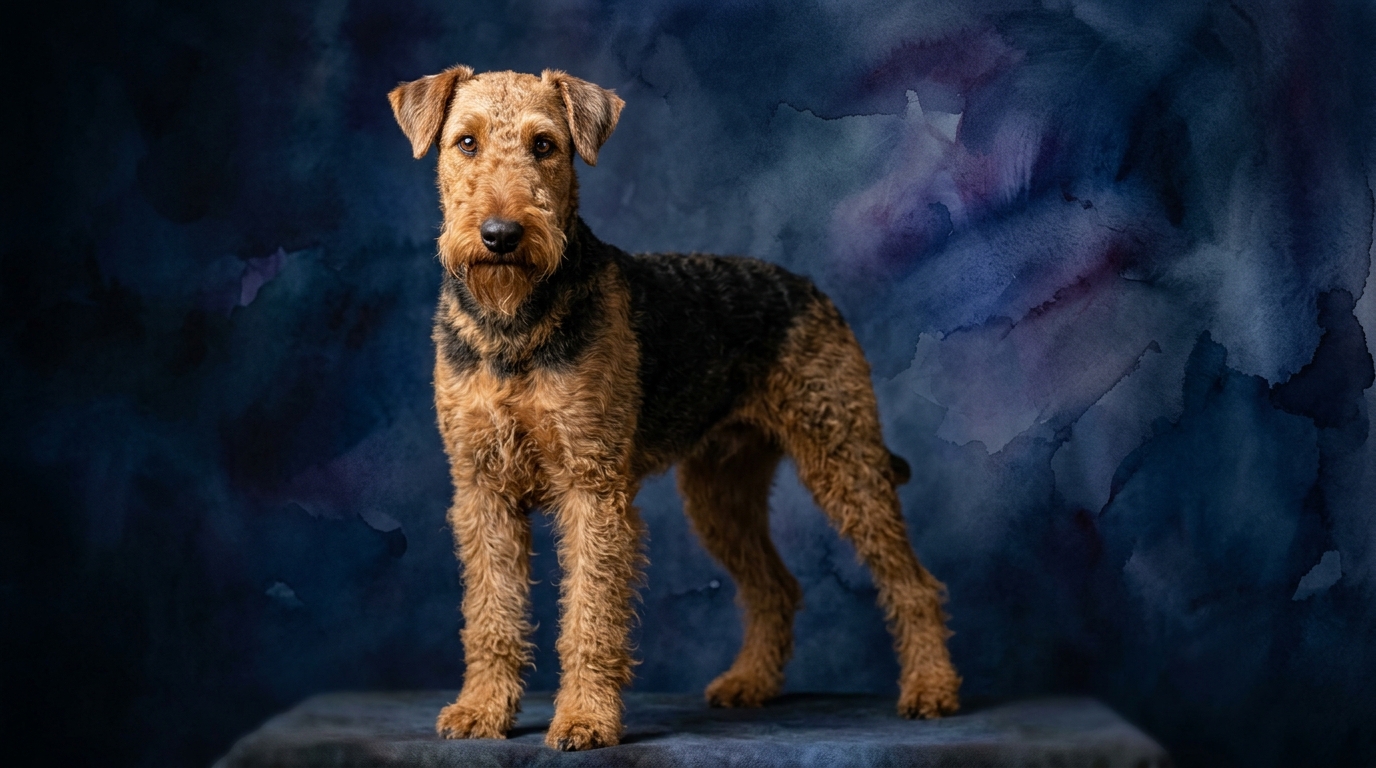
In contrast, the Airedale Terrier, often called the 'King of Terriers,' showcases a more varied and generally higher-scoring cognitive profile. They achieve a 4/5 in problem-solving, indicating a strong capacity for independent thought and strategic action. Their training speed is also 4/5, suggesting a quick grasp of new commands, supported by a 4/5 memory for retaining learned behaviors. Social intelligence and instinctive drive both register at 3/5, similar to the Buhund, reflecting a balanced social awareness but a strong, inherent prey drive typical of the terrier group.
Where the Norwegian Buhund Excels Cognitively
While the Airedale often shows higher scores, the Norwegian Buhund's cognitive strength lies in its balanced, consistent application of its capabilities, particularly in cooperative settings. Its 3/5 in social intelligence, matching the Airedale, is effectively channeled into working closely with a handler, a hallmark of herding breeds. This means their problem-solving, though rated 3/5, is often applied to tasks that require reading human cues and collaborating, rather than purely independent strategizing. For owners seeking a dog that naturally integrates into a team dynamic and responds predictably to direction, the Buhund's cognitive balance can be a significant advantage, potentially leading to fewer 'surprise' independent decisions that some higher problem-solving breeds might exhibit.
Furthermore, the Buhund’s instinctive drive, also 3/5, is typically oriented towards controlling movement and gathering, which can be harnessed for structured activities like agility or obedience with a clear purpose. Its memory, though 3/5, is perfectly adequate for retaining a wide repertoire of commands and routines, especially when reinforced through positive, consistent engagement. This breed's cognitive strengths lean towards reliability and partnership in tasks that require sustained, focused engagement rather than bursts of independent brilliance.
Where the Airedale Terrier Holds a Cognitive Edge
The Airedale Terrier demonstrates a clear cognitive advantage in areas demanding rapid acquisition of information, robust retention, and independent strategic thinking. Their 4/5 rating in problem-solving signifies a dog that can assess situations and devise solutions with considerable autonomy, often a trait beneficial for complex training or working roles that require initiative. This capacity for independent thought means they are less likely to wait for explicit instructions in novel situations, instead attempting to figure things out themselves, which can be both a blessing and a challenge.
The Airedale's superior training speed (4/5) combined with a strong memory (4/5) means they can learn and retain a broad array of commands and tricks more quickly than the Buhund. This makes them excellent candidates for advanced obedience, canine sports, or tasks requiring a vast learned vocabulary. Their cognitive makeup suggests a dog that thrives on mental challenge and varied learning experiences, absorbing new concepts with impressive efficiency. This makes them particularly well-suited for owners who enjoy engaging in continuous, diverse training activities.
Ease of Training: Behavioral Nuances
When assessing which breed is 'easier' to train, we must consider both the speed of learning and the willingness to comply. The Airedale Terrier's 4/5 training speed and 4/5 memory suggest a dog that can grasp new commands and retain them with impressive efficiency. They are quick studies, capable of mastering complex sequences. However, their strong problem-solving capacity and inherent terrier independence (instinctive drive 3/5) mean they may sometimes choose to apply their intelligence to their own agenda rather than strictly following instructions, requiring a handler who is consistent, firm, and makes training engaging. Their independent nature can sometimes translate into a perceived stubbornness if not managed with positive reinforcement and clear boundaries.
The Norwegian Buhund, with its 3/5 training speed and 3/5 memory, might take slightly longer to initially acquire new commands compared to the Airedale. However, as a herding breed, their cognitive framework often includes a stronger innate desire to work cooperatively with their human partner. This willingness to please can make them feel 'easier' for some owners, even if the learning curve is a bit gentler. They are generally more biddable and less prone to independent decision-making that might conflict with training goals, making them potentially more consistent in their compliance once a behavior is learned, despite the slightly slower initial acquisition rate.
Matching Breeds to Lifestyles: Active vs. Engaged Owners
Neither the Norwegian Buhund nor the Airedale Terrier are ideal companions for truly relaxed owners seeking a low-maintenance canine. Both breeds demand significant physical activity and mental engagement. The Norwegian Buhund, with its herding background, thrives on purposeful activity. Owners who enjoy structured canine sports like agility, obedience, rally, or even herding trials will find the Buhund's consistent cognitive drive and cooperative nature highly rewarding. They need regular exercise, but also tasks that engage their natural instincts to move and manage, making them suited for active owners who prioritize consistent training and shared activities.
The Airedale Terrier, with its higher problem-solving and training speed, requires an owner who is not only active but also committed to continuous mental stimulation. Their robust cognitive abilities mean they can become bored and potentially destructive without varied challenges. They excel in activities like earthdog trials, tracking, advanced obedience, or even competitive dock diving, where their quick thinking and physical prowess can be fully utilized. Owners who enjoy a dog that actively participates in problem-solving and can keep up with a fast-paced, intellectually stimulating routine will find a strong match in the Airedale. They need an owner who is prepared for a dog that sometimes thinks for itself and needs consistent, engaging direction.
The Verdict
Choose the Norwegian Buhund if you seek a consistently cooperative, biddable partner for structured activities, valuing a balanced cognitive profile that thrives on working with you.
Opt for the Airedale Terrier if you desire a quick-witted, independent thinker capable of mastering complex tasks, provided you can meet their significant need for varied mental challenges.
🧠 Find Your Pet's IQ Score
Our Pet IQ Lab assessment covers 25+ tests across 5 cognitive dimensions — personalized to your breed.
Take the Full IQ Test →Frequently Asked Questions
Which breed is generally more independent?
The Airedale Terrier, with its higher problem-solving score and terrier heritage, tends to exhibit more independence. While the Buhund can be self-reliant, its herding instincts often lean towards cooperative work, making it generally more inclined to follow human direction.
Do both breeds require extensive exercise?
Yes, both the Norwegian Buhund and the Airedale Terrier are active working breeds that require substantial daily exercise and mental stimulation. Owners should be prepared for regular walks, playtime, and engaging training sessions to keep these dogs happy and well-adjusted.
Which breed might be better for a first-time dog owner?
The Norwegian Buhund's more cooperative nature and consistent cognitive profile might make it a slightly more forgiving choice for a dedicated first-time owner willing to learn. The Airedale's independence and higher problem-solving ability, while impressive, can be more challenging for someone new to dog ownership without prior experience in managing strong-willed, clever breeds.