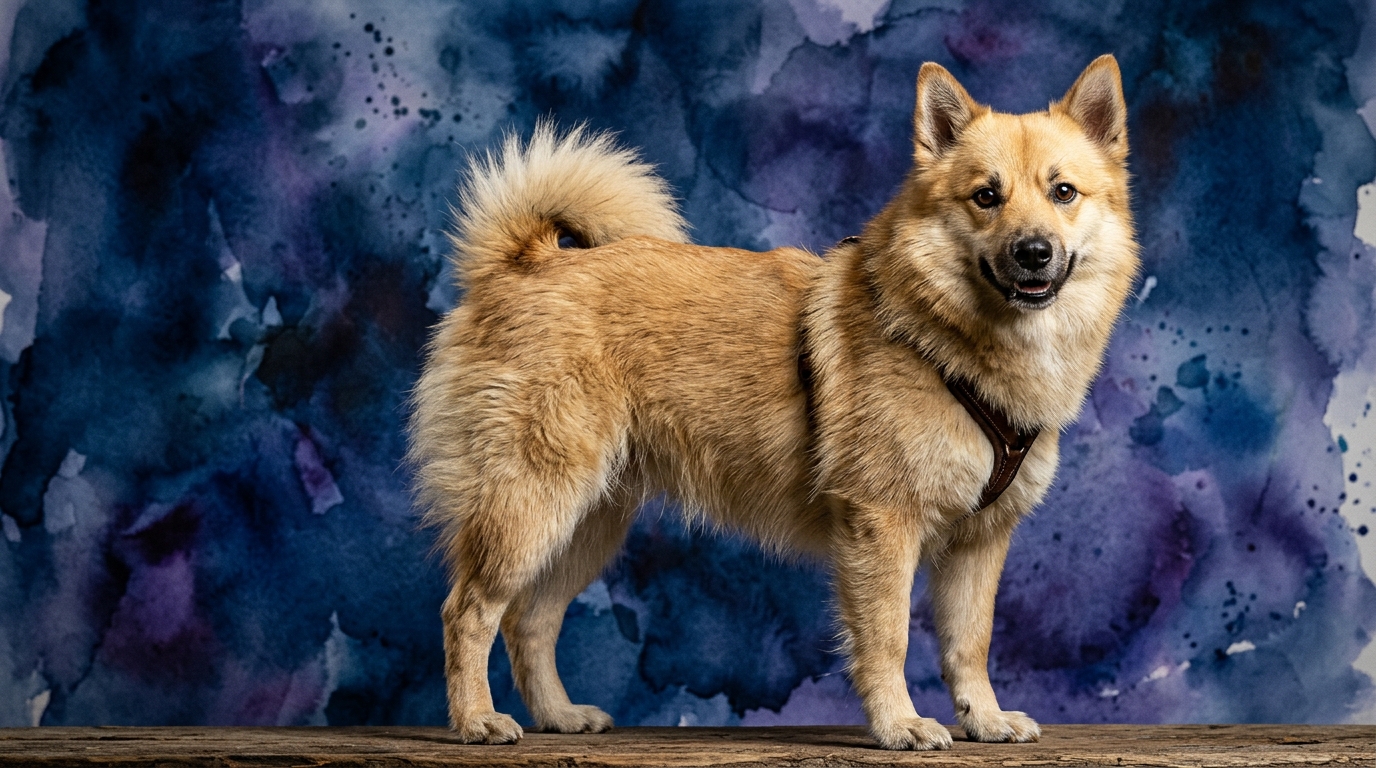
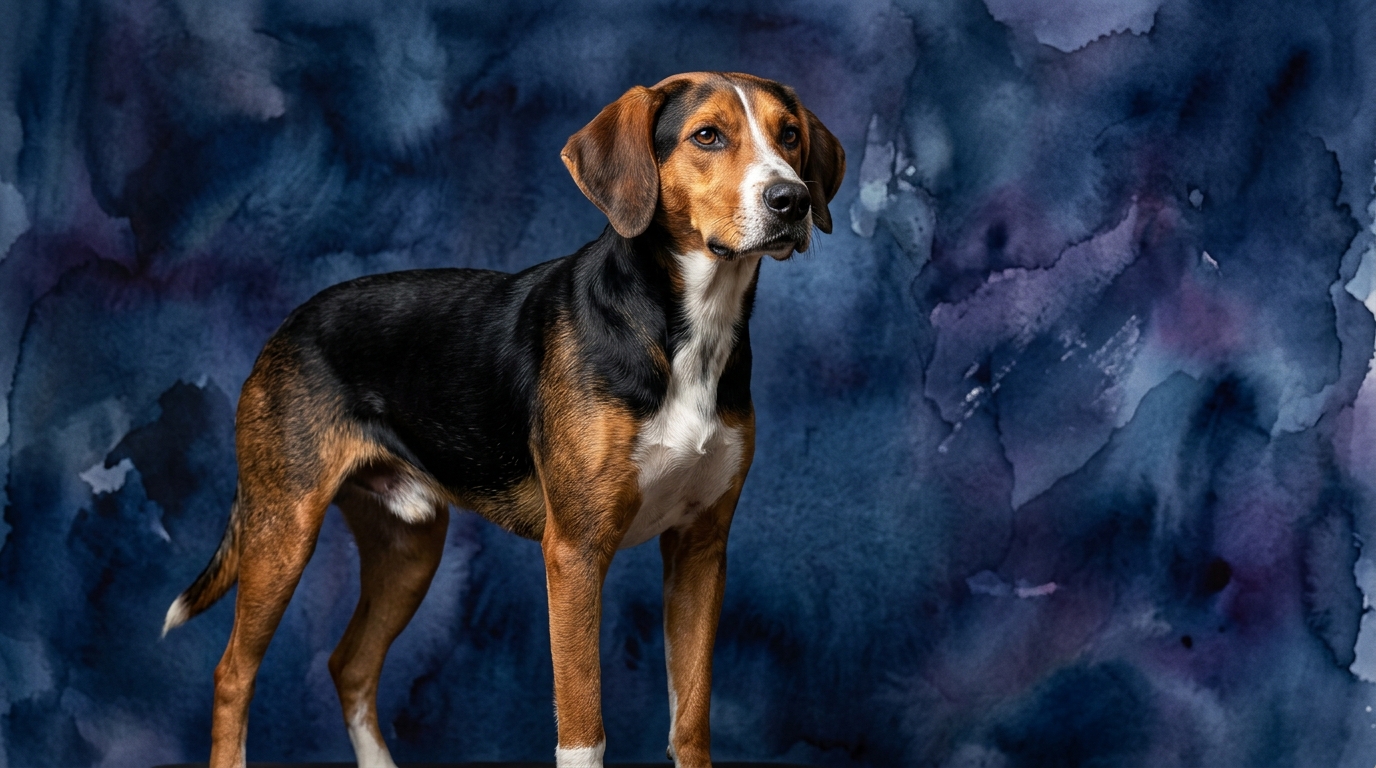
Side-by-Side IQ Profile: Interpreting Identical Scores
While both the Norwegian Buhund and American Foxhound score a 3 out of 5 across all our IQ dimensions, understanding these scores requires context from their distinct breed groups and historical roles. These aren't just numbers; they represent how each breed processes the world and interacts with it through their unique lenses.
For the **Norwegian Buhund**, a dog from the Herding group, a **Problem Solving** score of 3/5 reflects an ability to think independently in complex, dynamic situations, such as managing livestock or navigating varying terrain to locate animals. Their problem-solving often involves strategic observation and quick, adaptive decisions. Their **Training Speed** at 3/5 indicates a willingness to learn and please, yet also an independent streak; they grasp commands efficiently but may require consistent engagement to maintain focus, as their herding instinct encourages self-directed action. **Social Intelligence** at 3/5 means they are attuned to their human companions, capable of reading cues and forming strong bonds, but can also be watchful or reserved with strangers, a trait beneficial for guarding their 'flock'. Their **Instinctive Drive** of 3/5 is deeply rooted in herding behaviors—circling, gathering, and vocalizing—which needs appropriate outlets. Finally, a **Memory** score of 3/5 allows them to recall complex routines, commands, and the layout of their environment, crucial for their historical duties.
The **American Foxhound**, a member of the Hound group, interprets these same scores through a different lens. Their **Problem Solving** at 3/5 is acutely focused on sensory information, primarily scent. They excel at deciphering complex scent trails, navigating obstacles, and enduring long pursuits, rather than human-directed strategic tasks. This is a persistent, focused form of problem-solving. A **Training Speed** of 3/5 means they are capable of learning, but their powerful, singular scent drive can often override compliance, making training a patient endeavor that must compete with their primary instinct. Their **Social Intelligence** at 3/5 suggests they are generally amiable and thrive in a pack environment, whether canine or human, though their focus on external stimuli (scents) might make them less attuned to subtle human emotional shifts compared to a herding breed. The **Instinctive Drive** of 3/5 is overwhelmingly centered on tracking, chasing, and endurance, demanding significant physical and sensory outlets. Their **Memory** at 3/5 is exceptional for recalling scent patterns, terrain, and the specific nuances of a trail, rather than intricate human-centric commands or routines.
Where the Norwegian Buhund Wins Cognitively
Despite identical scores, the Norwegian Buhund exhibits cognitive strengths rooted in its herding heritage that set it apart. Its problem-solving capabilities, while rated 3/5, lean heavily towards adaptability and foresight in dynamic, unpredictable situations. A Buhund can quickly assess a changing environment, anticipate the movement of livestock or people, and make rapid decisions without constant human instruction. This 'thinking on their feet' attribute, combined with their social intelligence, makes them highly responsive to collaborative tasks and complex command sequences, understanding the 'why' behind an action rather than just the 'what'. Their memory serves not just to recall facts, but to build a comprehensive mental map of their territory and routines, allowing for proactive rather than purely reactive behavior.
Where the American Foxhound Wins Cognitively
The American Foxhound, with its 3/5 cognitive scores, possesses a unique set of intellectual advantages centered on its specialized sensory perception and unwavering focus. Its problem-solving prowess is unmatched when it comes to deciphering intricate scent puzzles across varied landscapes, demonstrating incredible mental endurance and persistence. While a Buhund might strategize broadly, a Foxhound will meticulously follow a specific, almost invisible, thread of information, filtering out distractions to achieve its goal. Their memory, while perhaps less focused on human-defined routines, is phenomenally adept at recalling scent profiles and geographical features pertinent to a trail, allowing them to pick up where they left off or recognize familiar hunting grounds. This singular, intense focus on their instinctive drive is a cognitive strength in itself, allowing for deep, uninterrupted engagement with their primary purpose.
Which is Easier to Train and Why
When considering ease of training, the Norwegian Buhund generally presents a more straightforward experience for most owners, despite both breeds scoring 3/5 in Training Speed. The Buhund, as a herding dog, is inherently driven to work in partnership with its human. While independent in thought, their independence is often in service of completing a task effectively, making them receptive to consistent, positive reinforcement training. They enjoy mental challenges and thrive on learning new commands and tricks, often eager to please and to understand what is expected of them, which translates to a more responsive learner in typical obedience settings. Their social intelligence helps them to quickly understand human intentions and adjust their behavior accordingly.
Conversely, the American Foxhound, also at 3/5 for Training Speed, can be more challenging to train for the average owner. Their powerful instinctive drive, primarily focused on scent, is a formidable competitor for their attention. While they are capable of learning, once a compelling scent is detected, their deep-seated instinct often overrides learned commands, making consistent recall particularly difficult. Training a Foxhound requires immense patience, creativity, and high-value rewards to maintain their focus against the allure of a captivating trail. Their independent hunting nature means they were bred to make decisions far from their handler, which can manifest as stubbornness or a selective hearing when their nose is engaged. Effective training for a Foxhound often involves incorporating their scent drive, such as through scent work or tracking sports, rather than trying to suppress it entirely.
Which Suits Active Owners vs. Relaxed Owners
For owners seeking an active companion, both breeds fit the bill, but their activity needs diverge significantly. The Norwegian Buhund thrives with active owners who can provide not just physical exercise, but also consistent mental stimulation and a 'job' to do. Their herding instincts demand outlets like agility, rally obedience, trick training, or even herding trials. They are best suited for owners who enjoy engaging with their dog in various activities, fostering their problem-solving and social intelligence through interactive play and learning. They can adapt to a more relaxed home if their daily dose of mental and physical engagement is met, but they are not content to be mere couch potatoes.
The American Foxhound, by contrast, requires an exceptionally active owner whose lifestyle can accommodate extensive physical exercise and an outlet for their profound scent drive. These dogs need vast spaces to run, ideally off-leash in secure areas, or regular opportunities for long-distance running, hiking, or tracking. They are less about intricate mental games and more about sustained physical exertion and sensory exploration. A 'relaxed' owner who cannot provide hours of outdoor activity will find a Foxhound to be a restless, potentially destructive companion. Their cognitive strengths are best utilized when allowed to follow their nose and expend their boundless energy in pursuit of a trail, making them ideal for hunters, serious hikers, or endurance athletes.
The Verdict
Choose the Norwegian Buhund if you desire a highly interactive, adaptable companion eager to learn and engage in collaborative mental challenges, and you can provide outlets for their herding instincts.
Opt for the American Foxhound if you lead an extremely active outdoor lifestyle, can provide extensive physical exercise and scent-work opportunities, and appreciate a dog with an unwavering, independent focus on its primary drive.
🧠 Find Your Pet's IQ Score
Our Pet IQ Lab assessment covers 25+ tests across 5 cognitive dimensions — personalized to your breed.
Take the Full IQ Test →Frequently Asked Questions
Are Norwegian Buhunds good family dogs?
Yes, Norwegian Buhunds can be excellent family dogs. Their social intelligence allows them to form strong bonds with their human 'flock,' and they are generally good with children when properly socialized, often displaying a watchful and protective nature.
Do American Foxhounds bark a lot?
American Foxhounds are known for their distinctive baying, which is a loud, prolonged bark used during hunting. While not always excessive in a home environment, they can be vocal, especially if bored, lonely, or detecting interesting scents, which is a key part of their instinctive drive.
Which breed requires more grooming?
The Norwegian Buhund, with its double coat, requires more regular grooming, typically weekly brushing to manage shedding and prevent matting. The American Foxhound has a short, dense coat that is relatively low maintenance, needing only occasional brushing.