Side-by-Side Cognitive Profiles
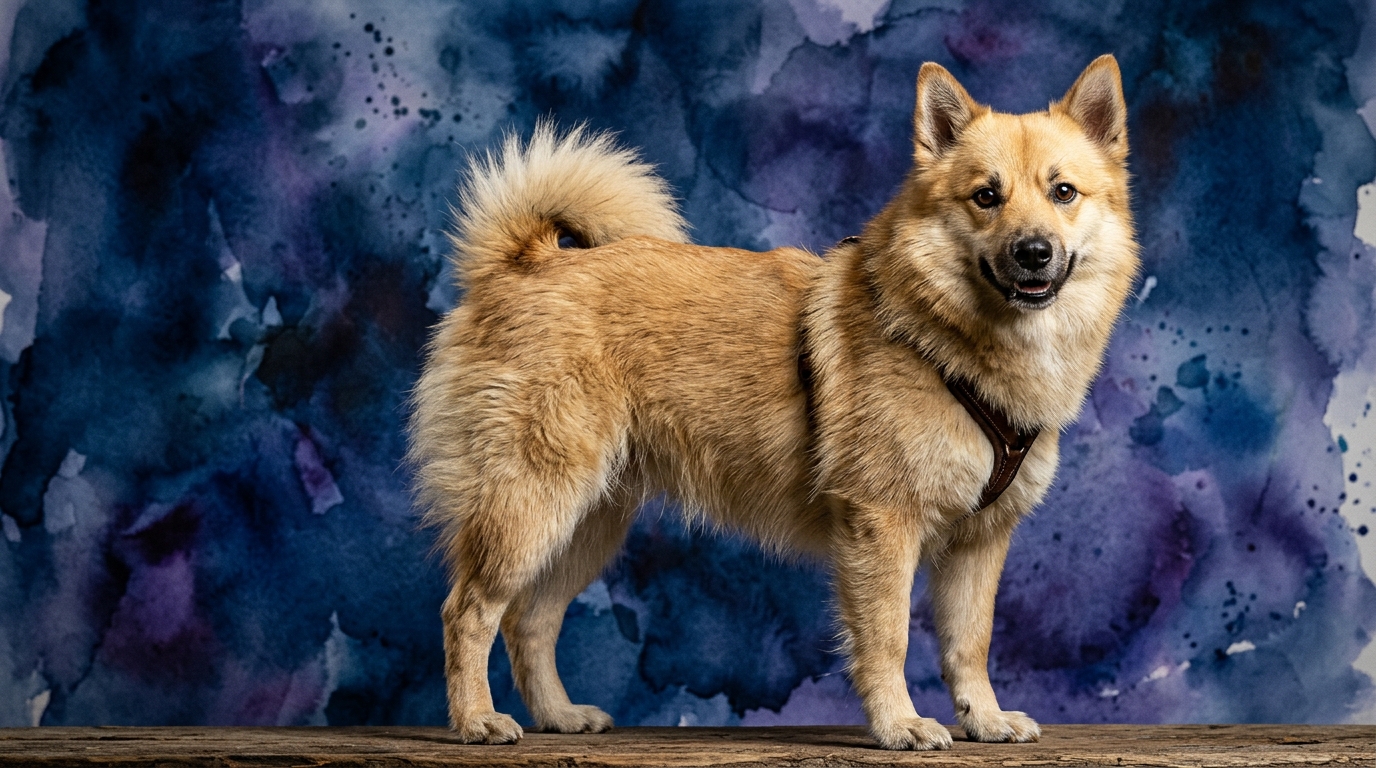
The Norwegian Buhund, a breed developed for herding livestock, presents a balanced cognitive profile across our five dimensions. It scores 3 out of 5 for Problem Solving, indicating a capable mind that can navigate challenges and find solutions, likely honed by its need to manage flocks independently. Its Training Speed also stands at 3 out of 5, suggesting it learns new commands and routines at a steady pace, neither exceptionally fast nor particularly slow. Social Intelligence, essential for working closely with humans and livestock, is rated 3 out of 5, reflecting its ability to interpret cues and engage appropriately. Its Instinctive Drive, crucial for its herding duties, is a solid 3 out of 5, signifying a natural inclination towards its ancestral tasks. Finally, its Memory is also 3 out of 5, indicating a good capacity to retain learned behaviors and experiences.
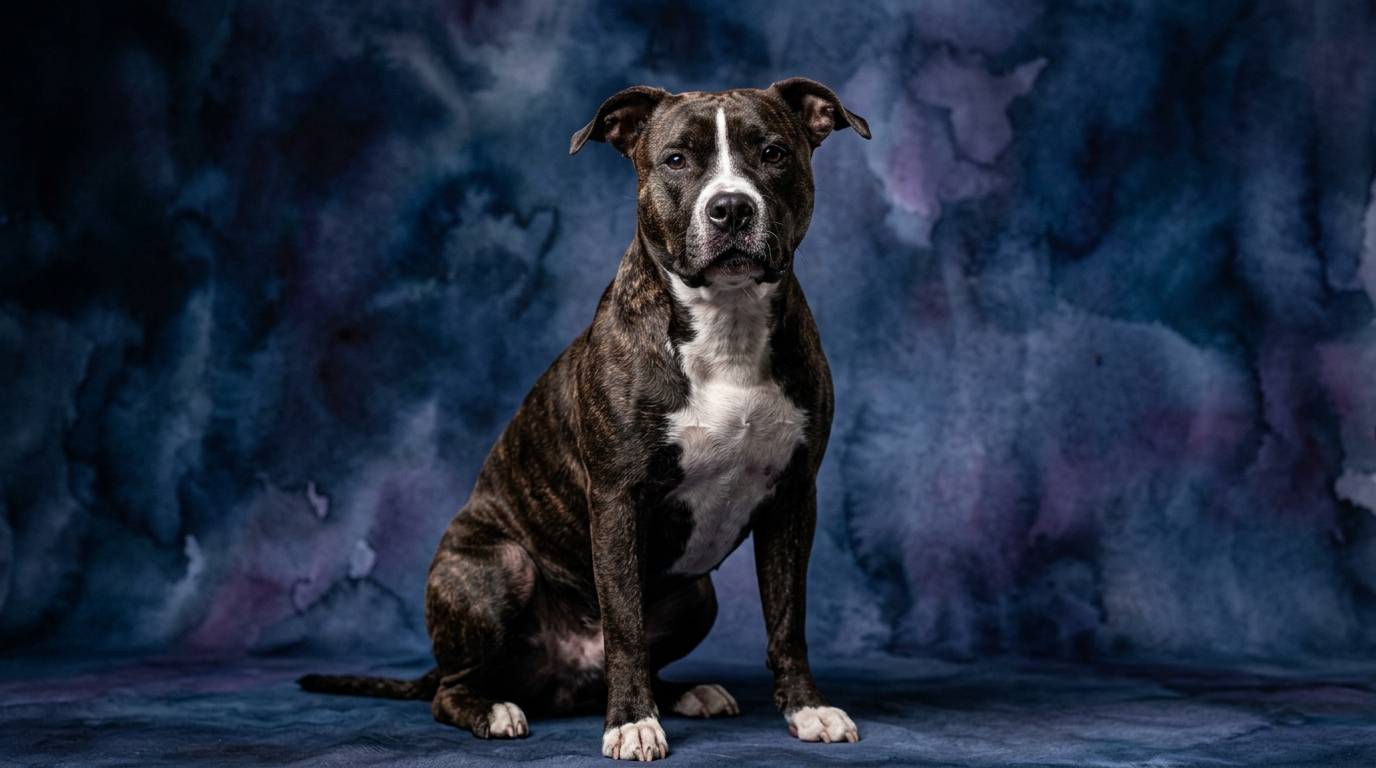
In contrast, the American Staffordshire Terrier, a breed with a history rooted in guardianship and companionship, offers a slightly different cognitive emphasis. While it shares the 3 out of 5 rating for Problem Solving, Training Speed, Social Intelligence, and Instinctive Drive with the Buhund, it notably excels in Memory, scoring 4 out of 5. This enhanced memory suggests a superior capacity for retaining commands, routines, and experiences over time. The American Staffordshire Terrier also holds a Coren ranking of #48, a position derived from obedience intelligence assessments, placing it within the upper tier of breeds for working and obedience aptitude, a distinction the Buhund does not have a formal Coren ranking for.
Where the Norwegian Buhund Excels Cognitively
The Norwegian Buhund’s cognitive strengths are deeply intertwined with its herding heritage, manifesting in a versatile and adaptable intelligence. Its balanced 3/5 score across Problem Solving, Training Speed, Social Intelligence, and Instinctive Drive speaks to a well-rounded cognitive toolkit suited for dynamic environments. The Buhund excels in situations requiring independent thought and quick decision-making, such as navigating varied terrain or managing livestock without constant human direction. Its problem-solving ability is less about rote memorization and more about situational awareness and creative application of learned behaviors to new challenges. This breed often demonstrates a keen observational intelligence, picking up on subtle environmental cues and reacting proactively. For an owner, this means the Buhund is adept at learning through discovery and positive reinforcement, thriving when given tasks that allow it to use its natural inclination to assess and respond rather than simply follow a command. Its social intelligence, while not off-the-charts, is functional enough to form strong bonds and understand human intent, making it a cooperative partner in activities that engage its herding instincts or similar mental challenges.
Where the American Staffordshire Terrier Excels Cognitively
The American Staffordshire Terrier exhibits a distinct cognitive advantage, particularly in its superior Memory, rated at 4 out of 5. This heightened capacity for retention means AmStaffs are often quicker to solidify learned commands and routines, making them excellent candidates for advanced obedience, sports like agility, or specific task training where sequence and recall are paramount. Their Coren ranking of #48, though not top-tier, formally recognizes their consistent ability to understand and obey commands after a reasonable number of repetitions, further underscoring their trainable nature. Beyond memory, their 3/5 rating in Instinctive Drive, coupled with their inherent tenacity, means they possess a strong focus when engaged in an activity they enjoy. This breed's problem-solving skills, also rated 3/5, often shine when directed towards a specific goal, especially if it involves interaction with their handler or a reward. They can exhibit impressive determination in figuring out how to achieve a desired outcome, whether it's solving a puzzle toy or mastering a complex trick. Their cognitive strength lies in their ability to learn, remember, and consistently apply what they've learned, particularly when motivated by strong handler engagement and positive reinforcement.
Which Is Easier to Train and Why?
Determining which breed is 'easier' to train depends significantly on the owner's approach and the desired training outcomes, as their cognitive profiles lead to different learning styles. The American Staffordshire Terrier, with its 4/5 Memory and Coren ranking, often presents as more straightforward for traditional obedience training. Their enhanced recall and ability to retain commands mean that once a behavior is learned, it tends to stick more readily. They are generally keen to please their handlers and thrive on consistent, structured training that leverages their tenacity and engagement drive. However, their strong instinctive drive and physical prowess mean that training must be firm, fair, and consistent from a young age to channel their energy and focus effectively, preventing potential stubbornness or fixation on undesirable behaviors.
The Norwegian Buhund, with its balanced 3/5 across all cognitive dimensions, including Training Speed and Memory, requires a different approach. While capable of learning, their herding background fosters independent thought and a tendency to 'think' rather than blindly obey. This means they might not be as quick to offer immediate compliance as an AmStaff in some situations, instead pausing to assess the command or the environment. Training a Buhund is often more about engaging their problem-solving mind and making the training process a collaborative puzzle rather than a series of rote commands. They respond best to positive reinforcement, variety, and methods that tap into their natural curiosity and desire for a 'job.' An owner might find a Buhund more challenging if they expect passive obedience, but highly rewarding if they embrace a more interactive, motivational training style that respects the breed's independent spirit.
Which Suits Active Owners vs. Relaxed Owners?
Both the Norwegian Buhund and the American Staffordshire Terrier are breeds that thrive with active owners, though their ideal activities differ in nature. A truly 'relaxed' owner, one who prefers minimal structured activity or mental engagement, would likely find either breed challenging to manage. The Norwegian Buhund, with its 3/5 Instinctive Drive and herding lineage, requires significant daily physical exercise and, crucially, mental stimulation. These dogs are accustomed to being alert, moving, and making decisions. They need outlets for their problem-solving and social intelligence, such as dog sports (agility, obedience, herding trials), long hikes, or engaging puzzle toys. An owner who enjoys outdoor adventures, consistent training, and providing a 'purpose' will find a Buhund a wonderfully engaged companion.
The American Staffordshire Terrier, while also requiring robust physical activity, often thrives on more structured and interactive forms of exercise. Their 4/5 Memory and strong drive make them excellent candidates for sustained training sessions, rigorous play, and dog sports that emphasize handler partnership, like weight pull, dock diving, or advanced obedience. They excel when their physical energy is channeled through focused activities that also engage their minds and reinforce their bond with their owner. While they enjoy downtime, they are not content to be couch potatoes for extended periods; their energy and need for interaction demand regular, intentional engagement. Therefore, both breeds are best suited for owners who are genuinely committed to providing consistent physical outlets and regular mental enrichment.
The Verdict
Choose the Norwegian Buhund if you are an active individual seeking a thoughtful, independent companion for dynamic outdoor activities and enjoy engaging a dog's natural problem-solving abilities in a partnership.
Opt for the American Staffordshire Terrier if you are a committed owner who values a devoted, highly trainable partner for structured dog sports or advanced obedience, and are prepared to consistently channel their energy and memory into focused tasks.
🧠 Find Your Pet's IQ Score
Our Pet IQ Lab assessment covers 25+ tests across 5 cognitive dimensions — personalized to your breed.
Take the Full IQ Test →Frequently Asked Questions
Do Norwegian Buhunds bark a lot due to their herding instincts?
Yes, Norwegian Buhunds can be quite vocal, using barks to alert or communicate, a trait stemming from their herding roles. Consistent training from a young age can help manage this tendency, but owners should expect a dog with a natural inclination to use its voice.
Are American Staffordshire Terriers good with children?
When properly socialized from a young age and raised in a responsible household, American Staffordshire Terriers can be wonderful family companions. Their loyalty and desire for interaction can make them patient and playful with children, though supervision is always advised with any dog and child.
Which breed is better for apartment living?
Neither breed is ideally suited for relaxed apartment living without significant owner commitment to daily exercise and mental stimulation outside the home. However, an American Staffordshire Terrier might adapt slightly better to smaller spaces if their extensive exercise and training needs are met consistently, due to their strong desire for handler engagement.