Side-by-Side IQ Profile: A Closer Look at Identical Scores
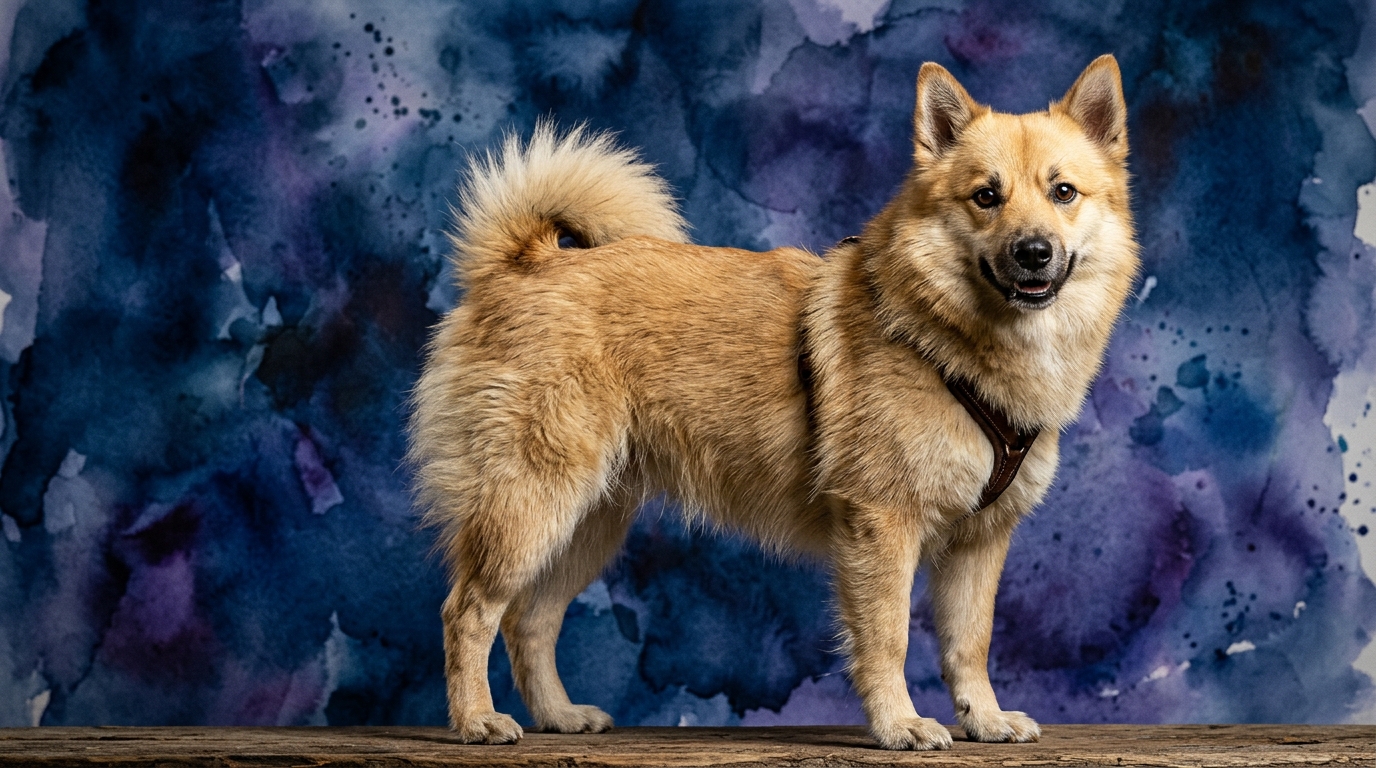
Despite both breeds scoring 3/5 across the board in The Cosmic Pet Pet IQ Lab, the application and manifestation of these cognitive attributes are profoundly different, reflecting their specialized historical roles. Understanding these nuances is key to appreciating their distinct forms of intelligence. For the Norwegian Buhund, a dog from the Herding group, their IQ breakdown looks like this: Problem Solving (3/5): Adaptable and clever in navigating their immediate environment, often figuring out household puzzles or new routines with relative ease, reflecting their need to maneuver livestock effectively. Training Speed (3/5): Generally eager to learn and responsive to positive reinforcement, they absorb new commands efficiently, though their herding instincts can sometimes lead to independent decision-making that requires consistent guidance. Social Intelligence (3/5): Highly attuned to their human companions, they read emotional cues well and thrive on interaction, using their understanding to form strong bonds within the family unit. Instinctive Drive (3/5): Possessing a robust herding drive, they exhibit a natural inclination to gather and manage, often attempting to “herd” family members or other pets, accompanied by a vigilant vocal nature. Memory (3/5): They demonstrate solid recall for learned commands, routines, and the individuals in their social circle, applying past experiences to new situations.
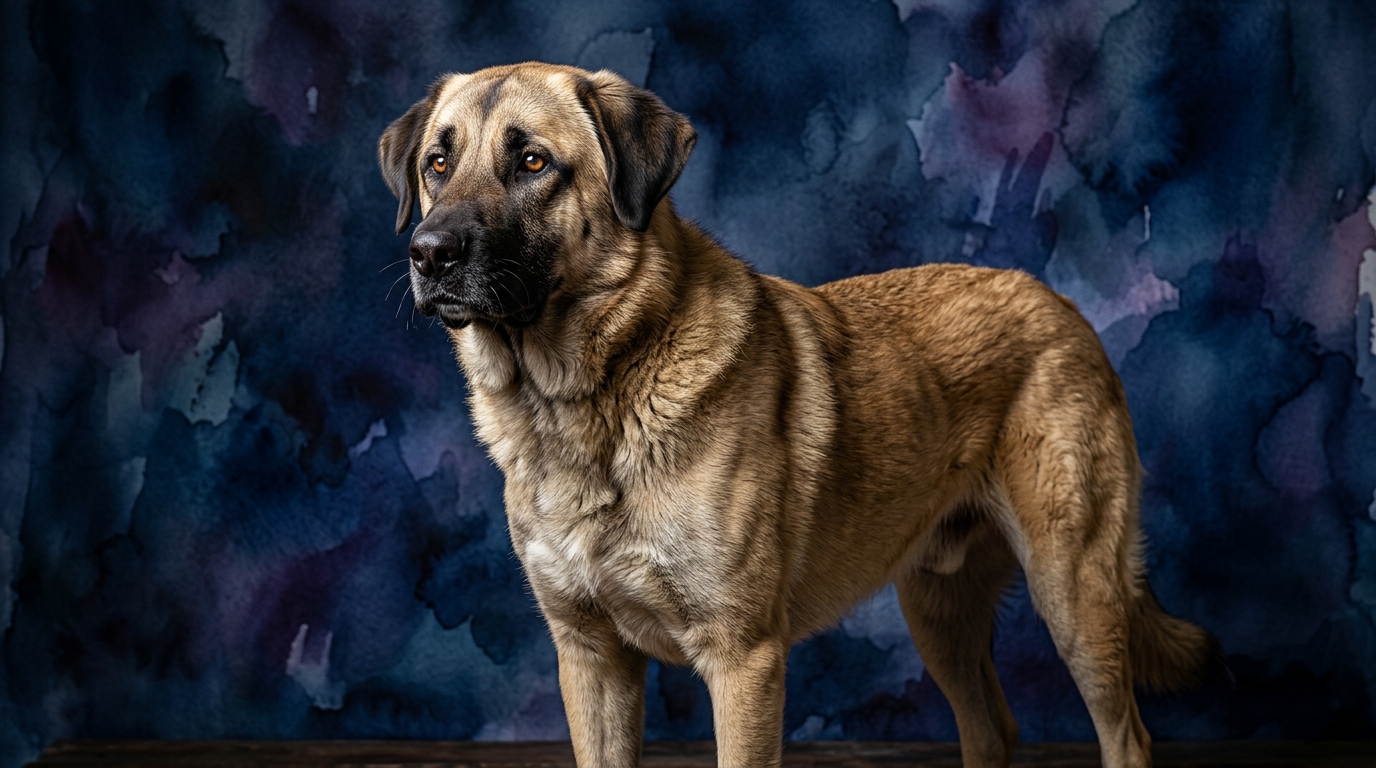
The Anatolian Shepherd Dog, a member of the Working group, also registers a 3/5 in each cognitive dimension, yet their expression is markedly different: Problem Solving (3/5): Their problem-solving is rooted in independent decision-making for protection, strategizing how to deter threats or manage their charges across vast territories, often without direct human instruction. Training Speed (3/5): While capable of learning commands, their independent and self-assured nature means they often evaluate the necessity of a command against their primary guarding directive, requiring patience and a strong, trust-based relationship for consistent compliance. Social Intelligence (3/5): Their social acumen is primarily directed towards discerning friend from foe, exhibiting deep loyalty to their family and charges while maintaining a reserved and watchful demeanor towards strangers, prioritizing security. Instinctive Drive (3/5): A powerful protective drive defines them, manifesting as an innate need to patrol, survey, and guard their territory and family, often acting as a formidable deterrent to perceived dangers. Memory (3/5): They possess an excellent memory for their protected domain, the individuals within it, and any past encounters, which informs their ongoing vigilance and protective strategies.
Where the Norwegian Buhund Wins Cognitively
The Norwegian Buhund's cognitive strengths shine particularly in areas that benefit from cooperative engagement and adaptability within a family setting. Their 3/5 in Problem Solving, while matched by the Anatolian, manifests as a quicker, more flexible approach to novel indoor challenges. A Buhund is more likely to puzzle out how to open a child-proof gate or retrieve a dropped toy from under furniture through trial and error, often delighting in the mental exercise. This contrasts with the Anatolian's problem-solving, which is typically geared towards large-scale, outdoor, protective strategies. Furthermore, the Buhund's 3/5 in Training Speed, combined with their eager-to-please disposition, means they generally pick up new tricks and obedience commands with less repetition. They are often more motivated by human praise and interaction, making them highly responsive partners in agility or rally obedience, where quick interpretation of human cues is paramount. Their Social Intelligence (3/5) is particularly pronounced in their ability to integrate seamlessly into a bustling household, understanding complex social dynamics and responding appropriately to various family members' moods, making them exceptional companions in a diverse family unit. This cooperative intelligence, honed by centuries of working alongside humans to manage flocks, translates into a more intuitive understanding of human expectations in a domestic environment, often anticipating needs rather than solely reacting to commands. Their memory (3/5) supports this by enabling them to quickly establish and adhere to routines, offering a predictable and harmoniously integrated pet experience.
Where the Anatolian Shepherd Dog Wins Cognitively
The Anatolian Shepherd Dog's cognitive prowess, despite matching scores, demonstrates a distinct advantage in independent decision-making and strategic, long-term vigilance, making them unparalleled in their specialized role. Their 3/5 in Problem Solving manifests as a profound ability to assess and mitigate threats across expansive territories without constant human oversight. An Anatolian excels at figuring out the most effective patrol routes, identifying weak points in a perimeter, or determining the safest location for their flock during a storm, showcasing a strategic depth that is less about immediate household puzzles and more about complex environmental management. Their Instinctive Drive (3/5) is a clear cognitive win here; it's an unwavering, deeply ingrained protective instinct that drives their every action, allowing them to remain alert and focused for extended periods, a mental endurance few breeds can match. This isn't just a physical drive but a constant cognitive processing of their environment for potential dangers. The Anatolian's Social Intelligence (3/5), while reserved, is superior in its discerning nature; they possess an innate ability to differentiate between a casual visitor and a genuine threat, often reading subtle cues that a more generally sociable dog might miss. This highly specialized social cognition allows them to be incredibly effective guardians, prioritizing the safety of their charges above all else. Their Memory (3/5) also plays a critical role here, as they meticulously recall the layout of their territory, the habits of their flock, and past encounters with potential intruders, building a comprehensive mental map that enhances their protective capabilities over time. This confluence of memory and instinctive drive creates a formidable and self-sufficient guardian.
Training Dynamics: Which is Easier to Train and Why
When considering ease of training, the Norwegian Buhund generally presents a more straightforward path for the average owner. Their 3/5 Training Speed, combined with a strong desire to please their human companions, means they are typically more amenable to learning new commands and routines. Buhunds thrive on positive reinforcement and clear, consistent communication, eager to engage in activities that involve their family. While they possess a herding drive that can manifest as bossiness or an urge to “organize” their environment, this energy can often be channeled effectively into structured training or dog sports. Their social intelligence fosters a cooperative spirit, making them responsive to human guidance and corrections. In contrast, the Anatolian Shepherd Dog's training journey is often more challenging due to their profound independence and innate protective instincts. Their 3/5 Training Speed doesn't imply an inability to learn, but rather a predisposition to evaluate commands through the lens of their guardian duties. An Anatolian might understand a command perfectly but choose not to execute it if it conflicts with their assessment of a situation or if they perceive it as unnecessary. They require an owner who understands their unique working dog psychology, capable of building a relationship based on mutual respect and trust, rather than simple obedience. Training an Anatolian means convincing them that following a command aligns with their purpose, which requires immense patience, consistency, and a deep understanding of canine behavior. They are not easily coerced and respond best to leadership that is calm, confident, and fair, making them less “easy” in the conventional sense but incredibly rewarding for the dedicated owner.
Matching Lifestyles: Active Owners vs. Relaxed Owners
The Norwegian Buhund is an ideal match for active owners who relish regular engagement and intellectual stimulation with their canine companion. Their 3/5 Instinctive Drive translates into a need for daily physical activity, such as long walks, hikes, or vigorous play, but crucially, they also thrive on mental challenges like puzzle toys, obedience training, or agility courses. A Buhund's problem-solving and social intelligence mean they enjoy being an active participant in family life, often seeking out interaction and activity rather than passively observing. They are excellent companions for jogging, cycling, or exploring new environments, always ready for the next adventure. Conversely, a relaxed owner who prefers minimal dog interaction or infrequent exercise might find a Buhund's energy and vocal nature overwhelming. The Anatolian Shepherd Dog, while possessing a 3/5 Instinctive Drive for patrolling and guarding, paradoxically suits a different kind of “relaxed” owner – one who provides vast spaces and trusts the dog's independent nature. They are not dogs that require constant human-directed activity; rather, their activity is often self-directed, involving patrolling a large property, observing their surroundings, and maintaining vigilance. While they need regular exercise to stay healthy, their mental stimulation comes from their inherent job of guarding, not from intricate games or constant training sessions. An Anatolian can appear “relaxed” in the sense that they are often calm and watchful, but this calm is underpinned by an intense, independent focus. They are not suited for owners who cannot provide ample space or who expect an easily managed, highly interactive companion for urban living; their cognitive strengths thrive in environments where they can fulfill their ancient purpose.
The Verdict
Choose the Norwegian Buhund if you seek an engaging, cooperative companion eager to participate in family activities and structured training, thriving on mental and physical challenges within a domestic setting.
Opt for the Anatolian Shepherd Dog if you need a fiercely independent, self-sufficient guardian for a large property, valuing a dog whose cognitive strength lies in strategic vigilance and autonomous protection over direct human-led interaction.
🧠 Find Your Pet's IQ Score
Our Pet IQ Lab assessment covers 25+ tests across 5 cognitive dimensions — personalized to your breed.
Take the Full IQ Test →Frequently Asked Questions
Do Norwegian Buhunds bark a lot due to their intelligence?
Their 3/5 instinctive drive includes a strong vocal tendency, historically used to alert shepherds to changes in the flock or environment. This translates to an alert nature in a home setting, where they may bark to communicate excitement, perceived threats, or simply to express themselves, making early training crucial for managing vocalizations.
Can an Anatolian Shepherd Dog be a good family pet despite its guarding instincts?
Yes, with proper socialization from a young age and experienced ownership, an Anatolian can be a devoted and protective family member. Their 3/5 social intelligence is deeply loyal to their inner circle, but their reserved nature towards strangers requires careful management to ensure they understand appropriate boundaries.
Since both breeds have 3/5 in problem-solving, how does this practically differ?
The Buhund's 3/5 problem-solving often manifests in adapting to domestic routines and figuring out environmental puzzles, reflecting their adaptable herding role. The Anatolian's 3/5 problem-solving is typically focused on strategic, independent solutions for protection and territory management, stemming from their livestock guardian heritage.