Side-by-Side IQ Profile: Norwegian Buhund vs. Border Terrier
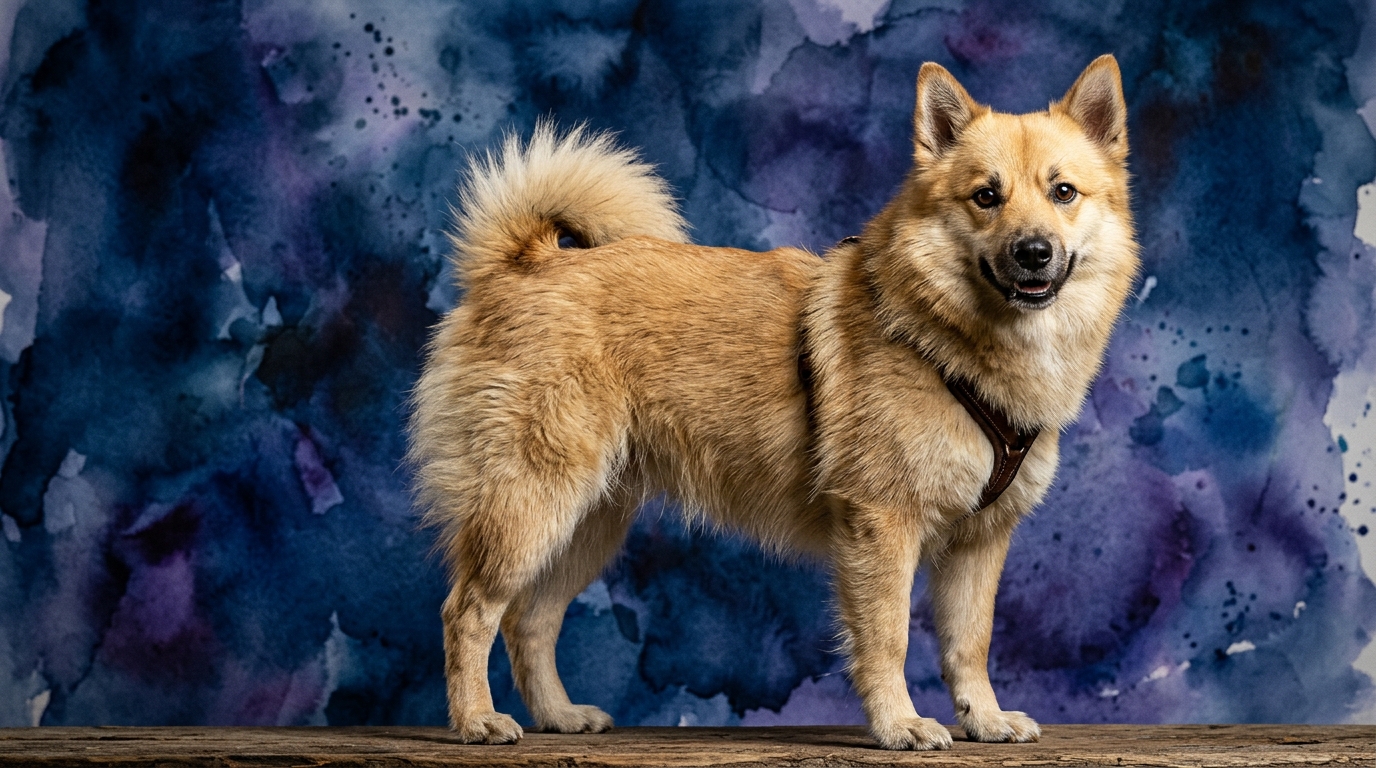
The Cosmic Pet Pet IQ Lab assesses canine intelligence across five key dimensions, providing a nuanced understanding of each breed's cognitive strengths. For the Norwegian Buhund, a dog historically tasked with herding and guarding, its profile reflects a balanced, practical intellect. Its Problem Solving is rated 3/5, indicating a resourceful mind capable of navigating everyday challenges and adapting to its environment, particularly in managing livestock or household routines. Training Speed also sits at 3/5, suggesting a steady learning curve that benefits from consistency and positive reinforcement rather than rapid-fire command acquisition. Social Intelligence, at 3/5, points to a strong capacity for bonding with its human 'flock' and understanding family dynamics, often expressed through vigilance and companionship. Its Instinctive Drive, also 3/5, manifests as a pronounced herding instinct, vocal communication, and territorial awareness. Finally, Memory, at 3/5, means the Buhund reliably retains routines, learned behaviors, and social connections over time.
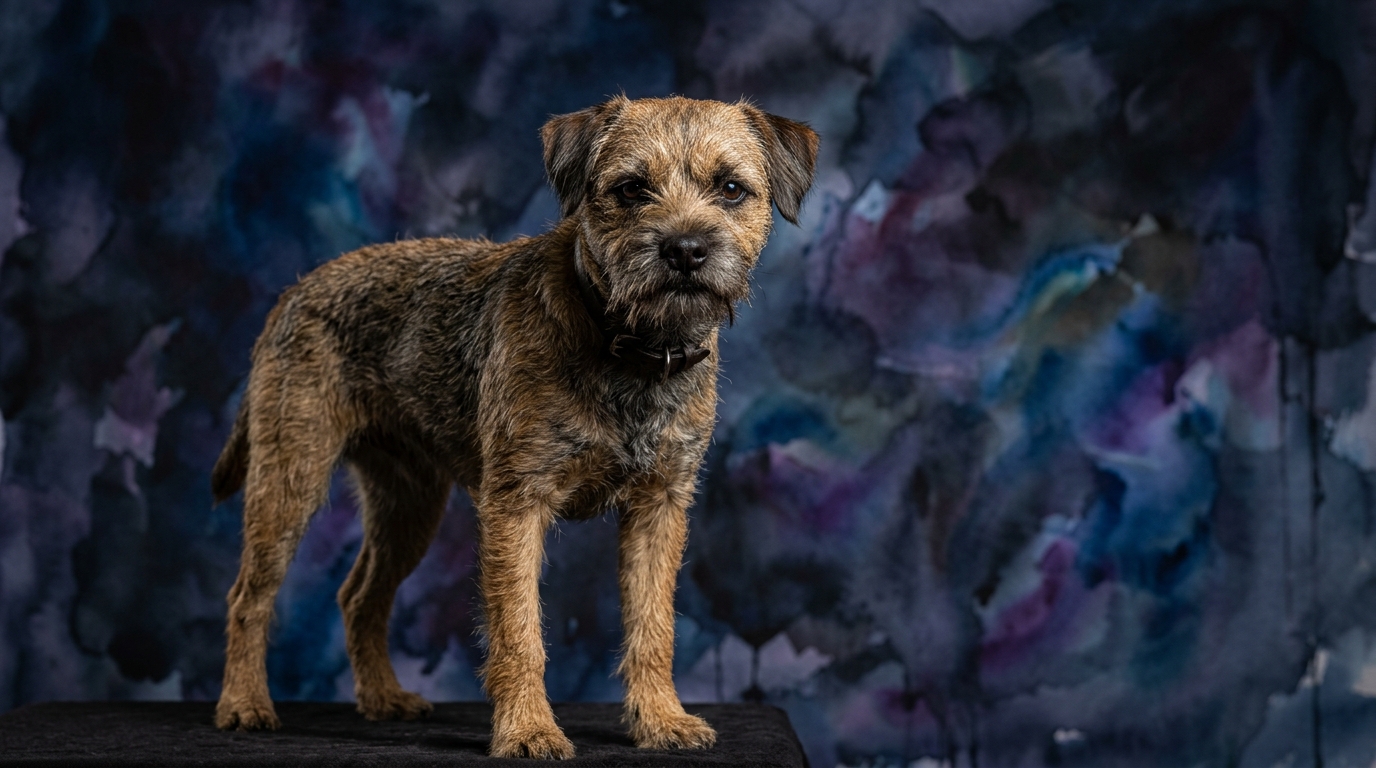
In contrast, the Border Terrier, bred for its tenacity in hunting vermin, presents a sharper, more focused cognitive profile. Its Problem Solving scores an impressive 4/5, highlighting an astute and persistent ability to overcome obstacles, especially when a reward or goal is involved. This breed's intellect is geared towards strategic thinking and finding creative solutions to physical and mental puzzles. Training Speed is also rated 4/5, signifying a quick grasp of new concepts and commands, thriving on mental engagement and the challenge of learning. Social Intelligence is 3/5, similar to the Buhund, indicating a capacity for strong bonds and understanding human cues, though perhaps with a more independent streak. The Border Terrier's Instinctive Drive, 3/5, is powerfully expressed as a high prey drive, unwavering tenacity, and a persistent desire to explore and dig, deeply rooted in its terrier heritage. Its Memory, at 4/5, underscores its excellent recall of commands, complex sequences, and past experiences, making it a formidable learner.
Where the Norwegian Buhund's Cognitive Strengths Shine
While the Norwegian Buhund's individual scores might seem moderate compared to some breeds, its cognitive profile is exceptionally well-suited for its historical role and modern family life. Its Problem Solving at 3/5, for instance, isn't about intricate puzzle mastery but about practical, adaptable resourcefulness in dynamic environments. A Buhund excels at anticipating movements, managing space, and making independent decisions in scenarios like guiding livestock or navigating busy household routines, where a nuanced understanding of its surroundings is more valuable than brute intellectual force. They are not merely reactive; they proactively assess and respond.
The Buhund's Social Intelligence, also 3/5, translates into a profound, family-oriented bond. They are acutely attuned to the moods and routines of their human companions, often acting as vigilant, empathetic guardians without demanding constant intellectual games. This cognitive attunement allows them to integrate seamlessly into family life, offering comfort and security. Their instinctive drive (3/5), manifesting as a strong sense of responsibility and alertness, makes them excellent watchdogs who cognitively assess their territory and family's safety, discerning genuine threats from everyday occurrences. This isn't just barking; it's a cognitive evaluation of their environment, demonstrating a practical application of their intelligence in a protective capacity.
Where the Border Terrier's Sharpness Takes the Lead
The Border Terrier's higher marks in specific cognitive dimensions highlight its distinct intellectual prowess. Its 4/5 Problem Solving ability is particularly evident in its relentless pursuit of goals. These dogs don't just solve problems; they often strategize to overcome physical barriers or intellectual challenges, a trait honed by their historical role in 'going to ground' after vermin. This might involve intricate escape attempts from secure enclosures, figuring out complex puzzle toys, or devising clever methods to obtain a desired object. Their minds are constantly working to find efficient paths to their objectives.
Their superior Training Speed (4/5) and Memory (4/5) make them incredibly adept at learning complex sequences and adapting swiftly to new commands or tricks. Border Terriers thrive on mental engagement and often genuinely enjoy the process of learning itself, making them exceptional candidates for dog sports like agility, earthdog trials, or advanced obedience. They can remember detailed instructions and apply them effectively, showcasing a capacity for sophisticated learning. The Border Terrier's Instinctive Drive (3/5), while numerically similar to the Buhund's, manifests as an intense focus and tenacity in specific tasks, particularly those involving scent work or 'hunting' for toys. This cognitive persistence, combined with their problem-solving acumen, makes them formidable in tasks requiring sustained effort and cleverness.
Training Dynamics: Buhund's Consistency vs. Terrier's Quick Wit
When it comes to training, the Norwegian Buhund (Training Speed 3/5) generally requires a patient, consistent approach. They learn effectively, but repetition and positive reinforcement are crucial for solidifying commands. Their independent herding nature means they might occasionally test boundaries, making clear, fair communication and leadership essential. Their 3/5 social intelligence ensures they respond well to a clear, established hierarchy and consistent expectations within their family structure, seeking to be a cooperative member of the 'flock' once they understand their role.
The Border Terrier, with its 4/5 Training Speed, is typically quicker to grasp new concepts and commands. Their problem-solving intelligence often means they understand what is being asked faster, but their strong terrier tenacity can also lead to stubbornness if they don't see an immediate benefit or if a more enticing distraction captures their attention. Their 4/5 problem-solving might be cleverly applied to finding ways around commands if not properly motivated or if the training isn't engaging enough. Therefore, while Border Terriers might appear 'easier' to train initially due to their speed, their independent streak and sharp mind demand a firm, engaging, and often creative trainer to channel their intellect constructively. Buhunds, while steadier learners, often demonstrate a deeper desire to please their family once a routine is established, valuing consistency over rapid novelty.
Lifestyle Match: Active Engagement or Harmonious Companionship?
The cognitive profiles of these two breeds offer clear insights into the types of households they would thrive in. The Norwegian Buhund, with its 3/5 instinctive drive and balanced problem-solving, is well-suited for owners who appreciate a dog that is deeply engaged with its family and environment, but not necessarily seeking constant, high-intensity mental challenges. They thrive with structured routines, opportunities to 'herd' (even children or toys), and plenty of outdoor exercise that allows them to observe and interact with their surroundings. They are harmoniously engaged, observant, and content with a clear role within the family unit, making them excellent companions for those who value a vigilant and present family member.
Conversely, the Border Terrier's 4/5 problem-solving, training speed, and memory, coupled with its intense instinctive drive, make it an ideal match for active owners who are eager to engage their dogs in mentally stimulating activities. These dogs genuinely need outlets for their sharp minds and physical energy to prevent boredom-driven behaviors. Activities like agility, earthdog trials, advanced obedience, scent work, or long, exploratory walks where they can use their nose and ingenuity are perfect for a Border Terrier. They are not suited for purely relaxed owners; their intelligence and drive demand consistent mental and physical engagement to ensure they are happy, well-adjusted companions. Owners must be prepared to provide consistent challenges for their keen intellect.
The Verdict
Opt for the Norwegian Buhund if you seek a vigilant, family-oriented companion who thrives on routine and a clear role within your 'flock,' valuing consistent, purposeful engagement over constant intellectual puzzles.
Select the Border Terrier if you're an active owner eager to engage a quick-witted, tenacious companion in dog sports, advanced training, or challenging outdoor adventures that satisfy their keen problem-solving mind.
🧠 Find Your Pet's IQ Score
Our Pet IQ Lab assessment covers 25+ tests across 5 cognitive dimensions — personalized to your breed.
Take the Full IQ Test →Frequently Asked Questions
Are Norwegian Buhunds difficult to train?
Norwegian Buhunds are not difficult to train but benefit significantly from consistent methods and positive reinforcement. Their 3/5 training speed means they learn steadily, valuing clear leadership and routine, which helps them integrate into family life effectively.
Do Border Terriers need a lot of mental stimulation?
Absolutely. With 4/5 in problem-solving and memory, Border Terriers require significant mental engagement to prevent boredom and destructive behaviors. Activities like puzzle toys, training classes, and dog sports are crucial for their cognitive well-being.
Which breed is better for a first-time dog owner?
While both breeds are capable, the Norwegian Buhund's steadier learning pace and family-centric social intelligence might be slightly more forgiving for a first-time owner willing to be consistent. The Border Terrier's quick wit and potential for stubbornness demand a more experienced hand to channel their intelligence constructively.