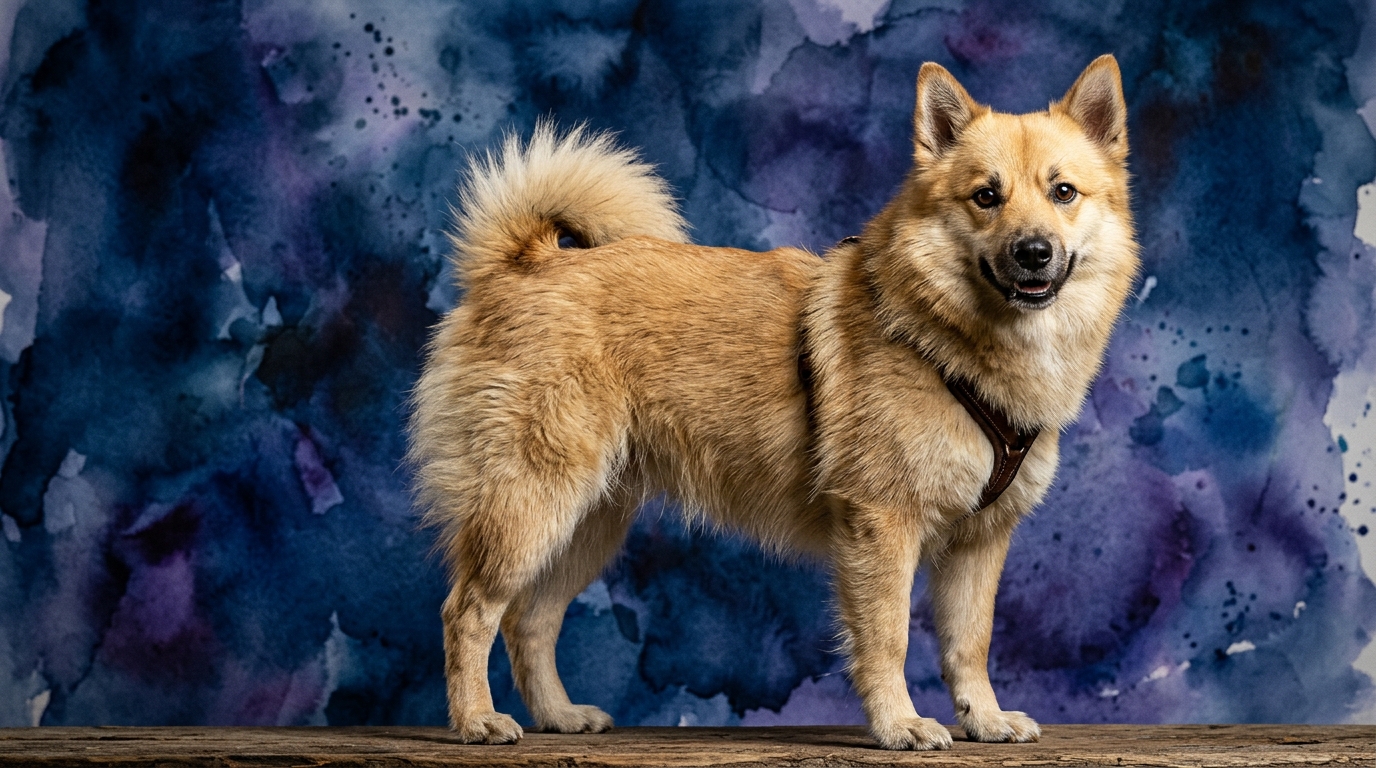
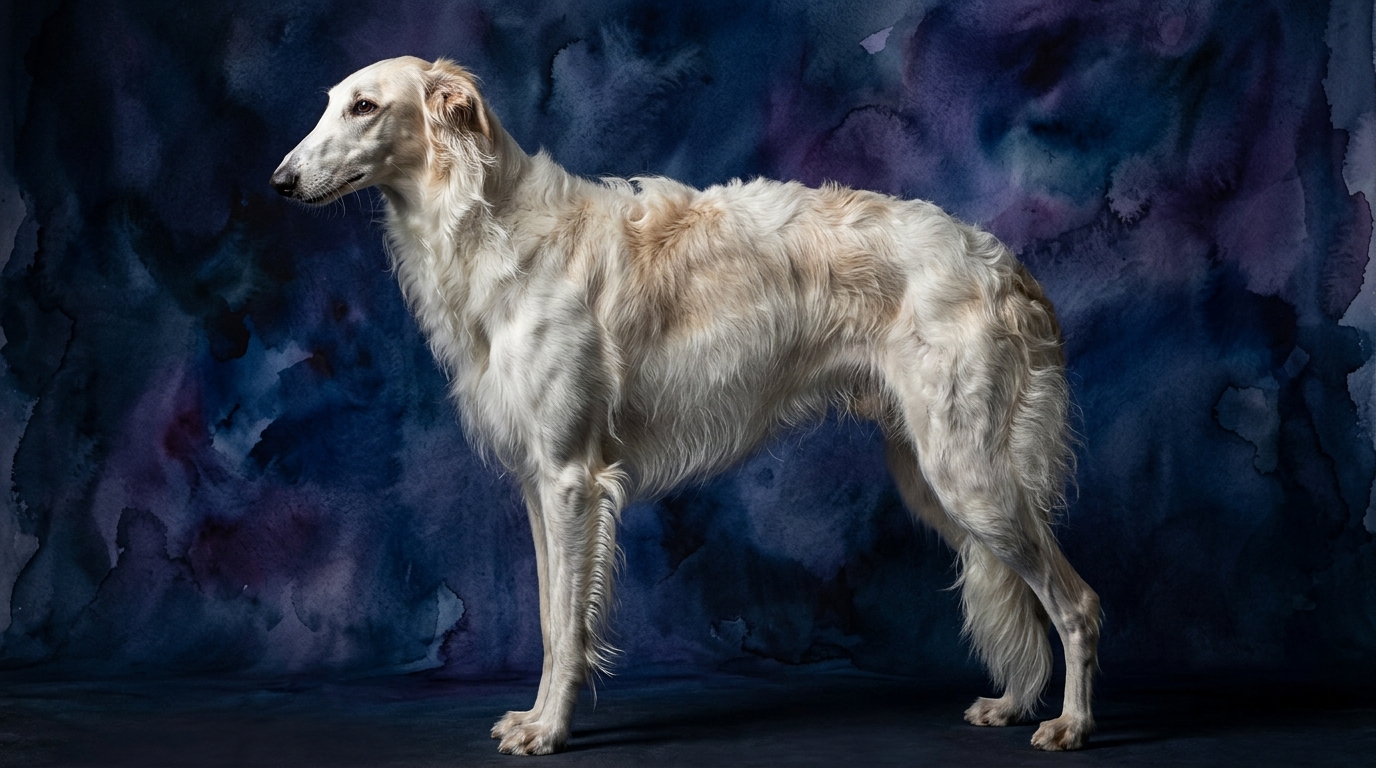
Side-by-Side IQ Profile: Herder vs. Sighthound
The Cosmic Pet Pet IQ Lab assesses canine intelligence across five key dimensions, providing a nuanced view beyond a single 'smartness' score. For both the Norwegian Buhund and the Borzoi, each dimension is rated at 3 out of 5, suggesting a moderate and capable level of cognitive function. However, the manifestation of these scores differs considerably due to their breed-specific histories and inherent drives.
For the **Norwegian Buhund**, a breed developed to work closely with humans in herding and guarding livestock, their Problem Solving (3/5) is evident in their practical ability to manage a flock, navigate terrain, and adapt strategies to control animals. This involves quick assessments of dynamic situations and making decisions that benefit the group. Their Training Speed (3/5) reflects an eagerness to engage and learn new commands, often driven by a desire to please their handler and participate in tasks. While not instant learners, they absorb information effectively with consistent guidance. Social Intelligence (3/5) for a Buhund means they are adept at reading human cues and intentions, crucial for collaborative work, and they form strong, communicative bonds within their family unit. Their Instinctive Drive (3/5) is strongly rooted in herding, vigilance, and vocal alerting, making them naturally inclined to observe and manage their environment. Finally, their Memory (3/5) allows them to retain complex sequences of commands, recognize specific animals or people, and recall routines, supporting their consistent performance in their roles.
The **Borzoi**, in contrast, a breed refined for independent pursuit of fast-moving prey across vast open spaces, demonstrates its Problem Solving (3/5) through strategic hunting. This involves assessing prey movement, calculating optimal interception paths, and making independent, split-second decisions in high-speed chases without human direction. Their Training Speed (3/5) indicates they can grasp new concepts efficiently, but their independent nature means they often evaluate whether a command aligns with their own perceived self-interest or comfort. They are perfectly capable of learning, but compliance is often a choice. Borzoi's Social Intelligence (3/5) manifests as a quiet discernment; they form deep, loyal bonds with their immediate family, reading their subtle emotional states, but are typically reserved and observant with strangers. Their Instinctive Drive (3/5) is overwhelmingly focused on their powerful prey drive, leading to bursts of intense speed and focus when a target is sighted. Their Memory (3/5) serves them by recalling specific hunting grounds, potential prey locations, and household routines, though their recall of commands might appear selective if they are unmotivated or distracted by their primary drive.
Where the Norwegian Buhund Excels Cognitively
The Norwegian Buhund's cognitive strengths lie in their collaborative problem-solving and proactive engagement with their human partners. Their herding background means they are wired to anticipate and respond to direction, making them particularly adept at tasks requiring teamwork and a desire to contribute. A Buhund's intellect shines when given a job to do that involves interaction and communication, such as agility, obedience, or even complex trick training. They are keenly observant of their immediate environment and the people within it, demonstrating a practical intelligence in managing daily household dynamics, often acting as self-appointed guardians or communicators. Their vocal nature, stemming from their herding alerts, is a direct application of their social intelligence, allowing them to communicate perceived issues effectively to their family. This proactive, communicative application of their cognitive abilities sets them apart.
Where the Borzoi Excels Cognitively
The Borzoi's cognitive prowess is best observed in scenarios demanding independent thought, swift decision-making, and an extraordinary capacity for observation at a distance. Their problem-solving excels in the absence of direct commands, where they must autonomously strategize during a chase, calculating trajectories and anticipating movements with precision. This independent streak, while sometimes challenging in obedience, is a hallmark of their sighthound intelligence. They possess a remarkable ability to process visual information rapidly and react with incredible speed and accuracy, a testament to their specialized memory for terrain and movement. While not overtly demonstrative, their social intelligence is expressed through a deep, discerning bond with their chosen family, often displaying a quiet empathy and understanding without needing constant interaction. Their self-reliant nature means they are less prone to separation anxiety and are comfortable making their own decisions, even if those decisions are not always aligned with human expectations.
Training Dynamics: Compliance vs. Independence
When considering ease of training, the Norwegian Buhund generally presents a more straightforward experience for the average owner. Their herding heritage instills a fundamental desire to work alongside and please their human handler. This translates into a higher intrinsic motivation for compliance and engagement in training sessions. While they possess an independent spirit, it is often channeled into their working tasks rather than outright defiance. They respond well to positive reinforcement and consistent methods, quickly understanding what is expected of them and enjoying the mental stimulation of learning. Their moderate training speed means they learn at a steady pace, and their social intelligence helps them attune to their trainer's cues, fostering a collaborative learning environment.
The Borzoi, conversely, can be more challenging to train, not due to a lack of cognitive capacity, but because of their profound independence and different motivational structure. While their training speed is rated similarly at 3/5, their willingness to apply that speed in obedience is often conditional. A Borzoi often asks, 'What's in it for me?' and if the reward isn't compelling or the command doesn't make sense from their perspective, they may simply choose not to comply. Their instinctive drive to chase is so powerful that it can override any learned command, especially off-leash in an open area. Owners must understand that Borzoi are not inherently disobedient but rather self-directed thinkers. Training requires immense patience, creativity in motivation, and a deep respect for their independent nature, focusing on building a trusting relationship rather than demanding strict subservience. Recall, in particular, requires intensive, consistent work due to their strong prey drive.
Lifestyle Match: Engaged Partnership vs. Calm Companionship
The Norwegian Buhund is an ideal match for active owners who desire an engaged, participatory canine partner. Their cognitive profile, with a strong drive for collaborative work and social engagement, means they thrive on mental and physical stimulation provided through shared activities. Owners who enjoy dog sports like agility, obedience, or even just long, interactive hikes will find a Buhund eager to participate and apply their problem-solving skills to new challenges. Their moderate instinctive drive means they need outlets for their herding tendencies, such as training games or structured exercise, to prevent boredom and redirected behaviors. They are not content to be mere couch potatoes; their intelligence requires an outlet, making them best suited for households that can provide consistent interaction and a 'job' to do.
The Borzoi, while capable of incredible bursts of speed, often surprises owners with their calm, reserved demeanor indoors. They are well-suited for owners who appreciate a quieter, more independent companion within the home, but who can also provide intense, burst-like exercise in a secure environment. While they enjoy comfort and relaxation, their powerful instinctive drive demands regular opportunities for full-speed running in a fenced area where their prey drive can be safely expressed. They are not typically suited for continuous, long-duration activities like jogging marathons, but rather need short, intense sprints. Their social intelligence allows them to be deeply bonded family members without needing constant attention or interaction, making them a good fit for relaxed owners who understand their need for independent exercise and respect their dignified space.
The Verdict
Choose the Norwegian Buhund if you seek an active, communicative partner eager to engage in collaborative tasks and thrive on shared activities and consistent mental stimulation.
Opt for the Borzoi if you appreciate a serene, independent companion indoors, understanding their need for intense, secure off-leash sprints and respecting their dignified self-reliance.
🧠 Find Your Pet's IQ Score
Our Pet IQ Lab assessment covers 25+ tests across 5 cognitive dimensions — personalized to your breed.
Take the Full IQ Test →Frequently Asked Questions
Do Norwegian Buhunds bark a lot due to their intelligence?
Norwegian Buhunds do tend to be vocal, a trait stemming from their herding instinct to alert and communicate. This isn't necessarily a sign of higher intelligence, but rather a specific application of their social intelligence and instinctive drive to act as watchdogs and participate in family dynamics.
Is a Borzoi's independence a sign of lower intelligence?
Not at all; a Borzoi's independence is a hallmark of their specialized intelligence, rooted in their historical role of making autonomous decisions during a hunt. Their ability to think for themselves, rather than automatically comply, reflects a different cognitive style, not a deficit.
Can both breeds excel in dog sports despite their different IQ applications?
Yes, both breeds can excel in dog sports, though their motivations and approaches will differ. Buhunds often thrive in sports requiring collaboration and agility, while Borzoi might excel in lure coursing or demonstrate surprising aptitude in activities that pique their interest, even if they choose when to apply themselves fully.