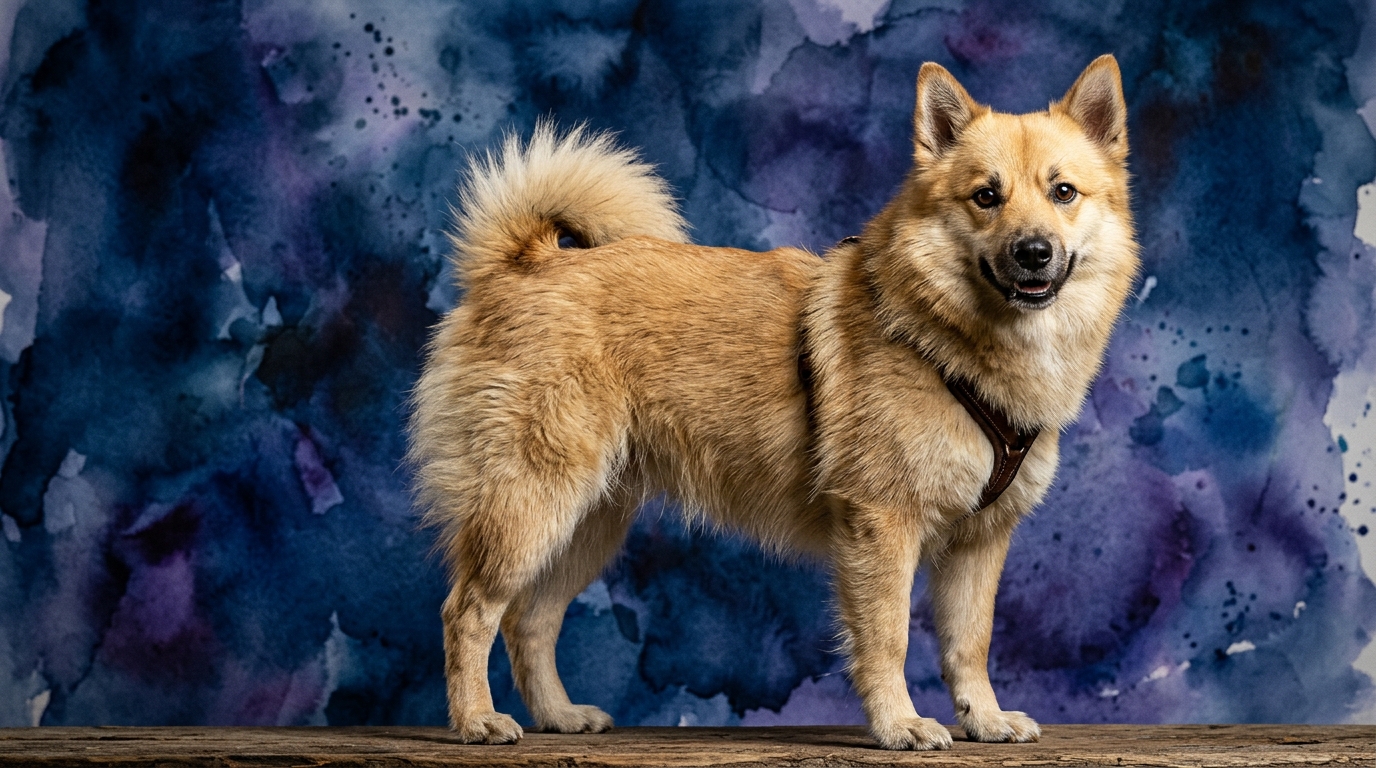
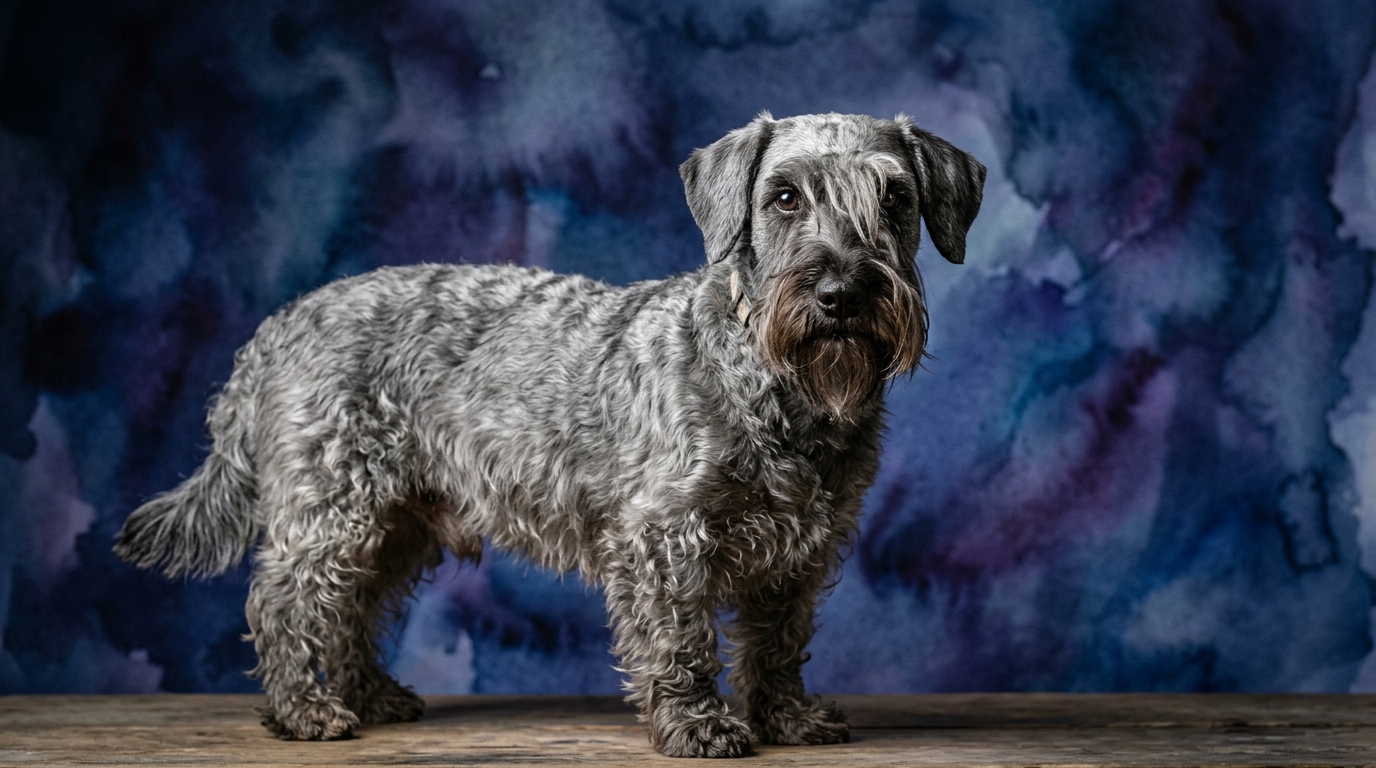
Side-by-Side Cognitive Profiles
Delving into the cognitive landscape of the Norwegian Buhund, a Herding dog, reveals a balanced yet purposeful set of capabilities, each rated 3 out of 5. Their Problem Solving at 3/5 indicates an aptitude for learning multi-step tasks within a structured environment, often involving spatial navigation and movement, rather than inventing entirely novel solutions. Training Speed, also 3/5, reflects a moderate pace of learning new commands, smoothed by their cooperative nature and responsiveness to consistent guidance. Social Intelligence, at 3/5, means they are generally adept at interpreting human cues and are eager to integrate into family dynamics, valuing their place within a social structure. Their Instinctive Drive, a 3/5, is a moderate but persistent herding impulse, translating into a desire to gather and manage their surroundings, providing a natural motivation for many activities. Finally, their Memory, rated 3/5, demonstrates a solid capacity for retaining routines, learned commands, and familiar faces, ensuring reliable recall without being overly detailed.
The Cesky Terrier, a member of the Terrier group, mirrors the Buhund’s 3/5 rating across all cognitive dimensions, yet expresses these scores through a distinctly different lens. Their Problem Solving, 3/5, typically involves a practical, hands-on approach, often driven by persistence to overcome physical obstacles or to access a desired item, rather than strategic planning for a group. Training Speed, also 3/5, signifies a moderate learning pace, but it is often accompanied by an independent streak that requires patient, engaging, and reward-based methods to secure their cooperation. Social Intelligence, at 3/5, means they are observant of their human companions and form deep bonds, yet they may choose to follow their own agenda if it conflicts with a human directive. Their Instinctive Drive, a 3/5, is a moderate but tenacious prey drive, fueling a desire to dig, explore, and pursue small creatures, which profoundly influences their focus and determination. Their Memory, like the Buhund’s, stands at 3/5, allowing them to reliably recall learned behaviors and significant experiences, especially those tied to their independent pursuits.
Where the Norwegian Buhund Excels Cognitively
While both breeds share identical numerical scores, the Norwegian Buhund's cognitive strengths are distinctly shaped by its herding lineage. Their problem-solving, rated 3/5, often manifests as an ability to navigate and manage dynamic environments, such as guiding a flock or maneuvering around obstacles with a clear objective. This isn't about inventing novel solutions from scratch, but rather applying learned strategies effectively within a spatial context. Their social intelligence, also 3/5, translates into a remarkable aptitude for reading a handler’s intentions and working in concert towards a shared goal. This cooperative spirit means they often anticipate commands or adjust their actions based on subtle human cues, making them highly responsive partners in tasks that require synchronized effort. The Buhund’s instinctive drive, a 3/5, provides a natural framework for this, channeling their energy into constructive 'gathering' behaviors, whether it's keeping family members together or participating enthusiastically in structured activities. This drive, combined with their solid memory (3/5) for sequences and routines, allows them to master complex obedience routines or agility courses where precise timing and spatial awareness are paramount. They thrive when given a 'job' that leverages their innate desire for order and collaborative action, demonstrating a practical, applied form of intelligence that focuses on harmonious execution rather than solitary ingenuity.
Where the Cesky Terrier Excels Cognitively
The Cesky Terrier, despite matching the Buhund’s numerical scores, presents a contrasting cognitive profile, rooted deeply in its terrier heritage. Their problem-solving ability, also 3/5, shines brightest when faced with a challenge that requires independent thought and determined action to achieve a specific, often tangible, goal. Unlike the Buhund's cooperative approach, the Cesky might be more inclined to figure out how to access a hidden treat or navigate a puzzle toy through sheer persistence and clever manipulation, rather than waiting for direction. Their instinctive drive, a 3/5, is a powerful engine for this, manifesting as a tenacious prey drive that fuels a deep curiosity and a relentless pursuit of interesting scents or sounds. This translates into an acute sensory focus, where their memory (3/5) is particularly strong for locations of interest or past 'finds.' Their social intelligence (3/5) often reveals itself in their discerning nature; they are astute observers of their human companions, learning what actions yield desired results, even if it means a bit of charming persuasion. This breed's intelligence is characterized by a self-directed ingenuity, a cunning resourcefulness, and an unwavering focus on their immediate objectives, making them adept at tasks that reward individual initiative and a robust determination to achieve their own version of success. They are less about group choreography and more about individual conquest, a hallmark of their working terrier background.
Which is Easier to Train and Why
When assessing trainability, the identical 3/5 'Training Speed' scores for both the Norwegian Buhund and the Cesky Terrier might suggest parity, yet real-world behavioral differences paint a nuanced picture. The Buhund, with its herding background, often exhibits a natural inclination towards cooperation and responsiveness to a handler's guidance. Their social intelligence, while rated 3/5, leans towards seeking harmony and understanding within their 'flock'—their human family. This means they are generally eager to please and find satisfaction in working alongside their owner, making training feel more like a collaborative effort. While they require consistent methods and patience, their inherent desire to follow direction and maintain order often translates into a smoother, more predictable training experience. Their 3/5 problem-solving frequently involves understanding and executing commands that contribute to a larger task, making them receptive to structured learning. In contrast, the Cesky Terrier's 3/5 training speed is coupled with a more independent, often self-motivated temperament. Their terrier instincts, even at a 3/5 drive level, are geared towards individual exploration and pursuit, not necessarily human-directed cooperation. Training a Cesky demands creativity, high-value rewards, and a deep understanding of their drive. They will learn, and their memory (3/5) is reliable, but they may question the necessity of a command if it doesn't align with their immediate interests. Patience is paramount, as is making training feel like an engaging game rather than a strict lesson. Therefore, while both learn at a moderate pace, the Buhund is generally perceived as 'easier' due to its cooperative nature, while the Cesky requires a more strategic, persuasive approach to training.
Active Owners vs. Relaxed Owners
The ideal owner profile for each breed is significantly influenced by their inherent drives and how these manifest in daily energy levels and needs, even with similar IQ scores. The Norwegian Buhund, a herding breed, thrives with active owners who can provide consistent mental and physical stimulation. Their 3/5 instinctive drive translates into a need for purposeful activity; they aren't content with just a short walk around the block. They excel in dog sports like agility, obedience, or even herding trials, where their problem-solving (3/5) and social intelligence (3/5) can be fully engaged in a cooperative context. Owners who enjoy long hikes, structured training sessions, or have a 'job' for their dog will find a devoted and engaged companion. A relaxed owner who cannot meet these needs might find a Buhund resorting to self-directed 'herding' of family members or developing restless behaviors. The Cesky Terrier, while also requiring regular exercise, is arguably more adaptable to a slightly less intensely active owner, provided their specific terrier needs are met. Their 3/5 instinctive drive is focused on exploring, sniffing, and the occasional 'hunt' or dig. Owners don't necessarily need to be marathon runners, but they must provide outlets for these natural behaviors, such as secure yards for digging, engaging puzzle toys, or scent work. A Cesky might enjoy a brisk walk and then be content to relax indoors, but their mental stimulation needs involve opportunities for independent investigation and problem-solving (3/5). They suit owners who appreciate a dog with a strong personality and are prepared to manage their independent streak and prey drive. In summary, the Buhund is for the actively collaborative owner, while the Cesky suits an owner who provides specific outlets for their independent, exploratory nature, and can appreciate a more self-contained energy.
The Verdict
Opt for the Norwegian Buhund if you seek a cooperative, responsive companion eager to work alongside you in active, structured endeavors, valuing harmony and clear direction. Their intelligence shines in collaborative tasks and family integration.
Select the Cesky Terrier if you appreciate an independent, resourceful dog with a tenacious spirit, thriving on opportunities for individual exploration and problem-solving, and valuing a charmingly self-directed personality.
🧠 Find Your Pet's IQ Score
Our Pet IQ Lab assessment covers 25+ tests across 5 cognitive dimensions — personalized to your breed.
Take the Full IQ Test →Frequently Asked Questions
Do identical IQ scores mean these breeds are equally easy to train?
Not exactly. While both have a 3/5 training speed, the Buhund's cooperative nature often makes the process feel smoother, while the Cesky's independence requires more creative, engaging, and patient methods to motivate.
How do their 3/5 instinctive drives differ in daily life?
The Buhund's 3/5 drive manifests as a desire to gather and manage, often seen in 'herding' family members. The Cesky's 3/5 drive is geared towards exploring, digging, and pursuing scents, reflecting its vermin-hunting heritage.
Can a Cesky Terrier live happily in an apartment?
A Cesky can adapt to apartment living if their exercise and mental stimulation needs are consistently met. This includes daily walks, engaging playtime, and specific outlets for their natural digging and sniffing instincts to prevent boredom.