Side-by-Side IQ Profile: Norwegian Buhund vs. Chinook
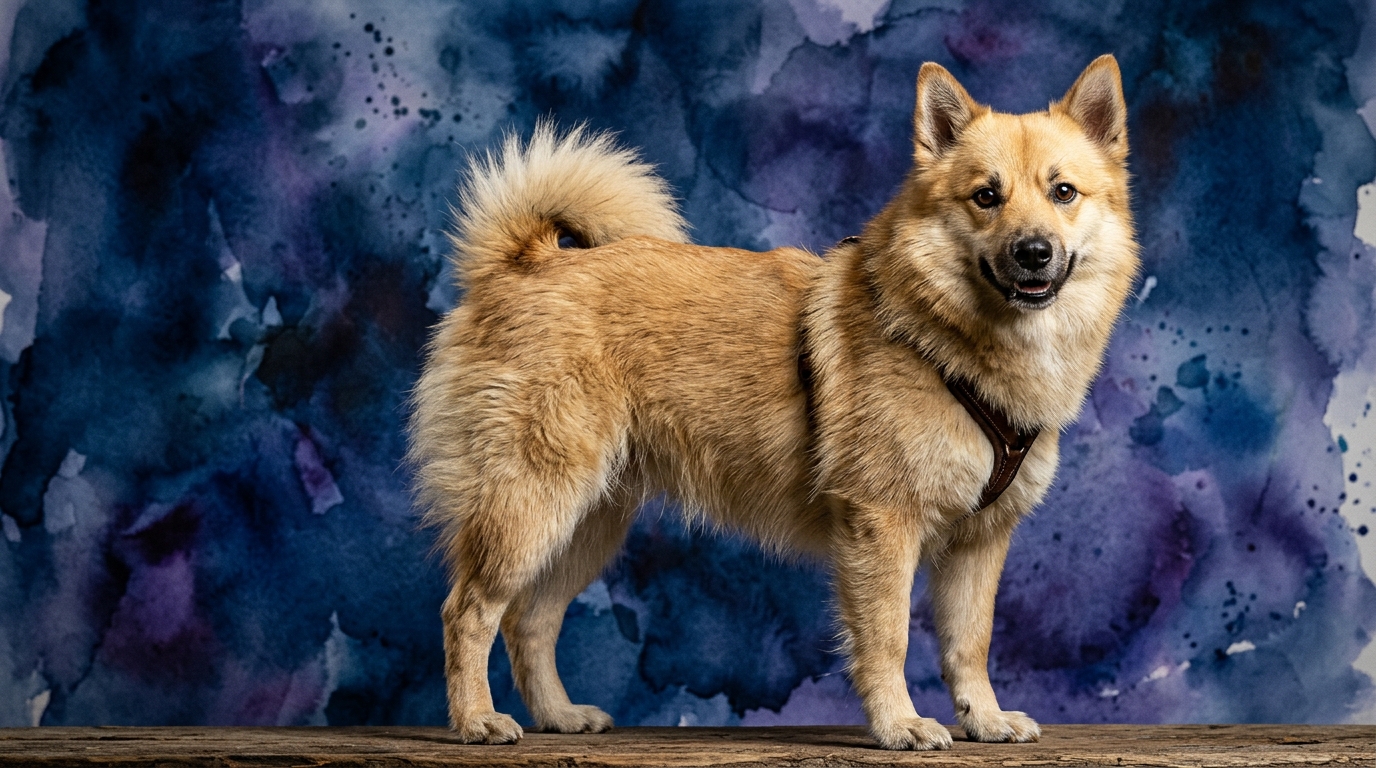
The Norwegian Buhund, a spirited Herding breed, demonstrates its cognitive strengths through a distinct lens. Its Problem Solving (3/5) is adept at independently assessing and reacting to dynamic environments, such as anticipating livestock movement or finding efficient routes to gather a flock; solutions often involve strategic positioning and quick adjustments. Training Speed (3/5) is good, as they grasp new commands and concepts with pace, but their herding independence means they might question or adapt instructions if they perceive a more effective approach, requiring consistent, clear guidance. Social Intelligence (3/5) shows them highly attuned to their human handlers and livestock, excelling at reading subtle cues, which translates to forming strong familial bonds and understanding complex social dynamics within a household. An Instinctive Drive (3/5) for herding, evidenced by circling, gathering, and watchful vigilance, provides a powerful cognitive engine that can be channeled into various dog sports or tasks. Memory (3/5) ensures they retain learned commands, routines, and spatial information well, remembering specific tasks or the layout of their 'territory' with reliable consistency.
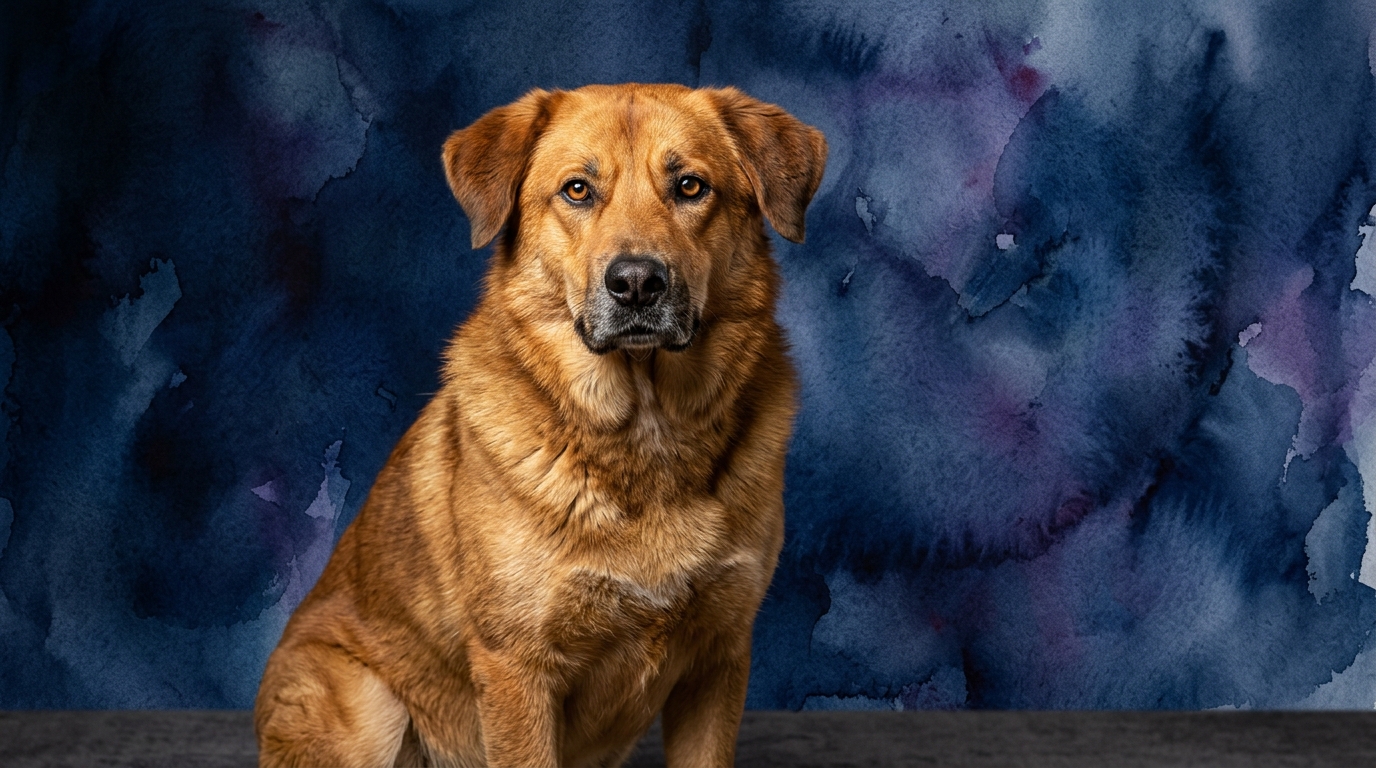
The Chinook, a robust Working breed, showcases its intellect with a focus on collaboration and endurance. Its Problem Solving (3/5) displays a thoughtful approach to challenges, particularly those involving sustained effort or navigation over varied terrain, excelling at figuring out sequences of actions required for a task, such as pulling a sled or following a complex trail. Training Speed (3/5) is solid, with these dogs learning new skills at a good pace, driven by a strong desire for partnership and purpose; their learning style is often deliberate and thorough, leading to well-ingrained behaviors. Social Intelligence (3/5) makes them exceptionally sensitive to their human companions, thriving on close cooperation and understanding their handler's intentions, which makes them highly empathetic family members who integrate smoothly into social structures. An Instinctive Drive (3/5) for working alongside humans, particularly in tasks involving endurance, pulling, and companionship, means they possess an innate desire for a 'job' and are eager participants in activities requiring teamwork. Memory (3/5) is robust for routes, learned tasks, and the intricacies of their daily routines, allowing them to perform complex, multi-step activities with consistent accuracy over time.
Where the Norwegian Buhund Shines Cognitively
The Buhund's cognitive strengths distinctly emerge from its herding heritage. Their 3/5 problem-solving ability often manifests as quick, independent decision-making in dynamic situations. Imagine a Buhund assessing a gate left ajar and devising a strategy to 'herd' a wandering child back to safety, or figuring out how to retrieve a toy from an awkwardly placed spot by nudging and maneuvering. This isn't brute force; it's an agile, strategic approach to environmental puzzles.
Their 3/5 instinctive drive, while needing an outlet, provides a powerful cognitive engine for engagement. This drive means they are intrinsically motivated to observe, organize, and react, making them highly perceptive to changes in their environment. This translates into a keen awareness that owners might interpret as foresight or an uncanny ability to anticipate events, from the mail carrier's arrival to a family member's emotional state, driven by their constant 'flock management' mindset.
Where the Chinook Excels Cognitively
The Chinook's cognitive advantages are deeply rooted in its working dog history, particularly in areas requiring sustained effort and close collaboration. Their 3/5 problem-solving skill is less about quick, independent reactions and more about methodical, persistent application to achieve a goal. Think of a Chinook figuring out how to navigate a difficult hiking trail, remembering the best footing, or systematically working through a complex scent puzzle. Their solutions are often characterized by endurance and a steady, focused determination.
Their 3/5 social intelligence is a paramount strength, manifesting as an exceptional capacity for partnership. A Chinook doesn't just understand commands; they strive to comprehend the *intent* behind them, creating a deep symbiotic relationship with their human. This translates to an almost intuitive understanding of their owner’s moods, a willingness to adjust their pace during a run, or an eagerness to participate in family activities, always seeking to contribute to the 'pack's' well-being. Their memory (3/5) supports this by retaining the nuances of these interactions and tasks.
Training Dynamics: Which is Easier and Why?
Both breeds rate 3/5 in training speed, but their inherent behavioral differences shape the training experience. The Norwegian Buhund, with its herding independence, learns quickly but often requires a trainer to be equally quick and consistent. They might test boundaries or try to 'herd' the trainer if not given clear, firm direction. Their drive to make independent decisions means they learn commands, but might occasionally decide *when* to execute them, especially if a more 'efficient' herding solution presents itself.
The Chinook, while also learning at a 3/5 pace, approaches training with a stronger desire for collaborative partnership. They are often more eager to please and less inclined to challenge directives, preferring to work *with* their handler. Their inherent working drive means they thrive on purpose-driven training, where each command feels like a step towards a shared goal. This can make them feel 'easier' to train for owners who value a more cooperative, less independent learner, as they are often more compliant once a concept is understood.
Lifestyle Match: Active Owners vs. Relaxed Companions
For active owners, both breeds can be excellent choices, but for different reasons. The Norwegian Buhund suits owners who enjoy dynamic activities that challenge a dog's independent problem-solving and provide an outlet for its herding drive. Think agility courses, competitive obedience, or even urban herding activities where their quick reflexes and strategic thinking are engaged. They thrive with varied mental and physical stimulation, potentially becoming bored or restless if not given enough to do. Their alertness means they might not be the quietest housemate.
The Chinook, while also requiring an active lifestyle, aligns well with owners who appreciate a steadfast companion for endurance-based activities. Long hikes, trail running, or even recreational carting provide an an ideal outlet for their working drive and methodical problem-solving. They are often more content with a consistent routine and thrive on being a trusted partner in adventures. For relaxed owners, neither breed is a truly 'relaxed' choice, but the Chinook's calmer indoor demeanor and strong desire to be near its people might make it marginally more adaptable to quieter moments, provided its daily exercise needs are met. The Buhund's constant awareness can be more demanding in a relaxed setting.
The Verdict
Choose the Norwegian Buhund if you seek a quick-thinking, independent partner for dynamic activities and appreciate a dog that brings a strategic, watchful awareness to your home.
Choose the Chinook if you desire a devoted, cooperative companion for endurance-based adventures and value a steady, empathetic partner in your daily life.
🧠 Find Your Pet's IQ Score
Our Pet IQ Lab assessment covers 25+ tests across 5 cognitive dimensions — personalized to your breed.
Take the Full IQ Test →Frequently Asked Questions
Do Norwegian Buhunds and Chinooks have similar exercise needs?
While both are active breeds, their exercise needs differ in *type*. Buhunds need outlets for their herding drive and quick mental engagement, often preferring varied, dynamic activities. Chinooks thrive on endurance-based exercise like long hikes or running, valuing consistent, purposeful activity alongside their owner.
Are either of these breeds good for first-time dog owners?
Both breeds possess distinct needs that might challenge a first-time owner. The Buhund's independent nature and strong herding instincts require consistent training and management. The Chinook's need for a 'job' and close partnership, while making them eager to please, still demands a dedicated owner willing to provide ample physical and mental engagement.
How do their social intelligences, both rated 3/5, manifest differently?
The Buhund's social intelligence often focuses on observing and managing its 'flock,' including human family members, with a watchful, independent understanding of social dynamics. The Chinook's social intelligence is geared towards deep, empathetic partnership and cooperation, making them highly attuned to their human's emotional state and intentions within a shared working relationship.