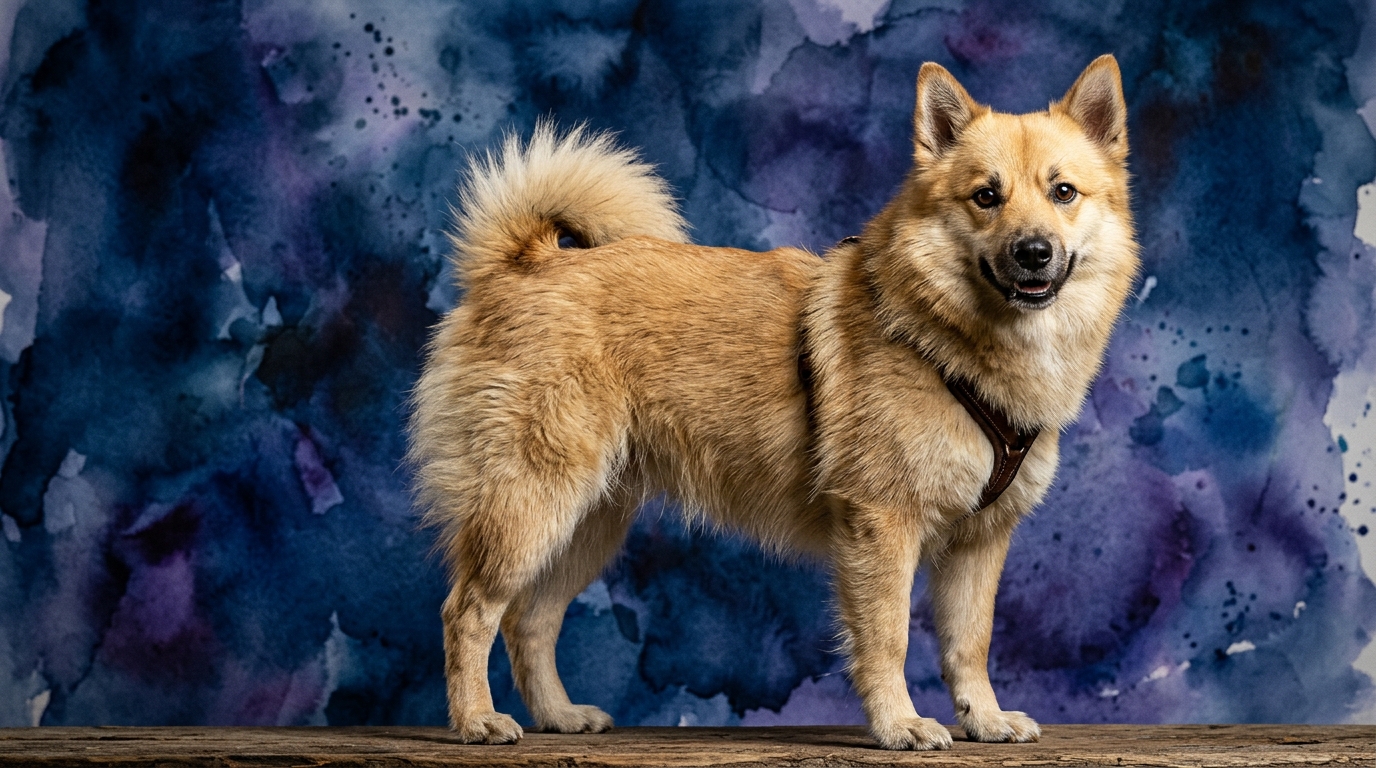
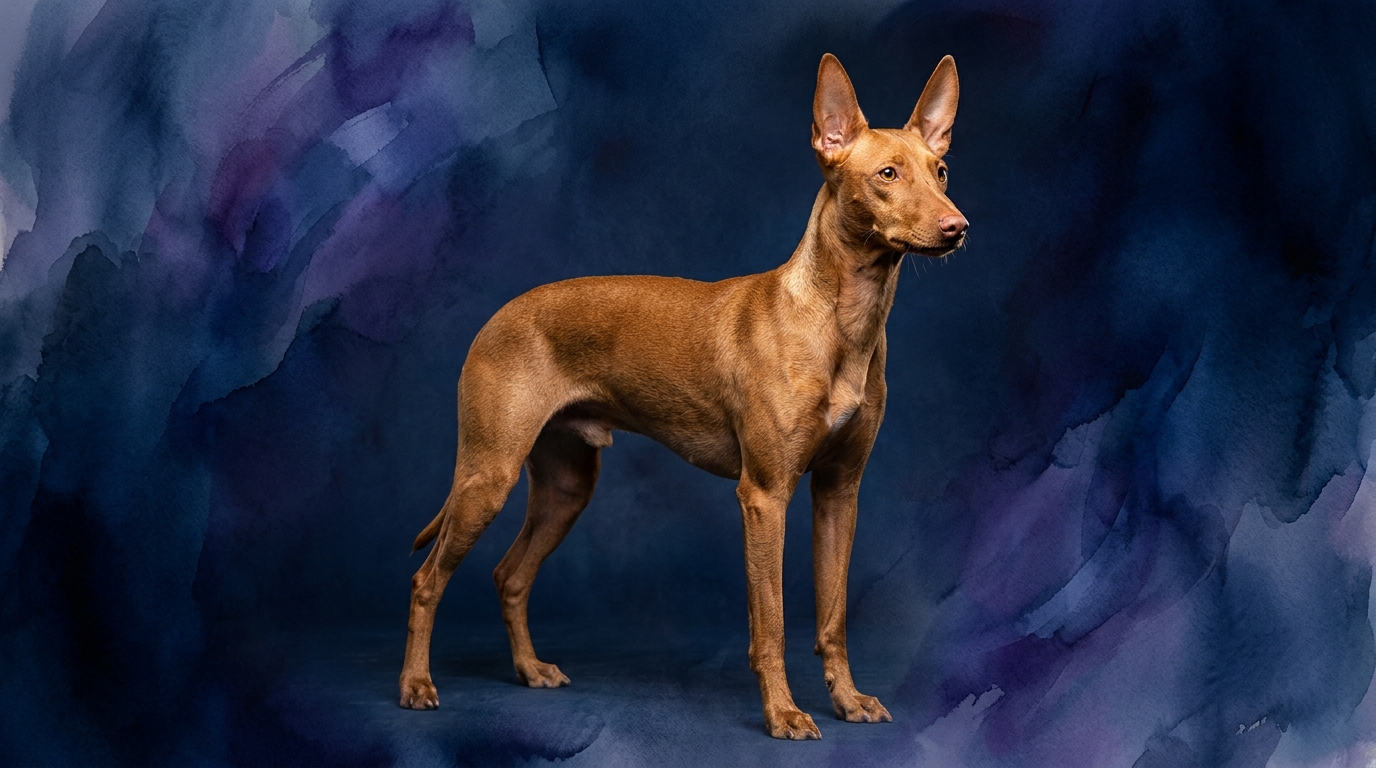
Side-by-Side IQ Profile: Herder vs. Hound Cognition
At first glance, the Norwegian Buhund and Cirneco dell'Etna appear to be cognitive equals, each scoring 3/5 in Problem Solving, Training Speed, Social Intelligence, Instinctive Drive, and Memory. However, the true essence of their intelligence lies not just in the score, but in the specific context and expression of these abilities, shaped by their ancestral responsibilities.
The **Norwegian Buhund**, a herding dog, demonstrates its **Problem Solving (3/5)** through independent assessment and management of livestock, often involving strategic maneuvers to gather or guide animals without constant human instruction. Their problem-solving leans towards practical, dynamic situations requiring quick adjustments in a fluid environment. Their **Training Speed (3/5)** reflects a moderate pace of grasping new commands when engaged, thriving on clear communication and positive reinforcement, often needing a purpose to their training. **Social Intelligence (3/5)** for a Buhund means an ability to read human cues and livestock behavior, integrating well into family structures and understanding social hierarchies. Their **Instinctive Drive (3/5)** is primarily centered on herding, manifesting as a strong urge to gather, move, and 'manage' their environment or family members purposefully. Finally, their **Memory (3/5)** is solid for learned commands, routines, and territory layout, aiding in their working roles and domestic life.
The **Cirneco dell'Etna**, a hound, applies its **Problem Solving (3/5)** acumen to independent hunting, navigating challenging terrain, locating elusive prey, and making quick decisions without human direction. Their intelligence is geared towards resourcefulness and self-sufficiency in pursuit. Their **Training Speed (3/5)**, while moderate, is often challenged by an independent nature and strong prey drive, requiring patience and consistency to overcome natural inclinations. **Social Intelligence (3/5)** in a Cirneco is evident within its immediate group, understanding pack dynamics and forming strong bonds, though interactions might be more subtle than a typical herding breed. The primary **Instinctive Drive (3/5)** of the Cirneco is hunting by sight and scent, characterized by persistent focus on tracking and pursuit, often overriding other stimuli. Their **Memory (3/5)** is good for hunting routes, the location of past prey, and familiar environments, though it can sometimes be selective when a strong scent or visual stimulus presents itself.
Where the Norwegian Buhund Holds a Cognitive Edge
The Buhund's cognitive strengths often shine in cooperative, task-oriented environments. Their herding background means they are uniquely attuned to working *with* a handler, interpreting subtle cues, and making decisions that support a shared goal. This makes them particularly adept at activities requiring teamwork, such as obedience, agility, or even complex choreographic routines where anticipating human intent is key. Their problem-solving, while rated 3/5, is often expressed through strategic thinking in a social context, like subtly guiding children away from danger or 'herding' family members for a common activity. This collaborative intelligence gives them an advantage in structured learning and partnership roles where understanding human direction is paramount.
Where the Cirneco dell'Etna Excels Cognitively
The Cirneco dell'Etna's cognitive advantages are most evident in situations demanding independent initiative and focused sensory processing. Their 3/5 problem-solving is exceptionally applied to navigating complex, unpredictable outdoor environments, using their keen senses to track and locate. This breed excels at tasks requiring sustained, self-directed exploration and decision-making, such as advanced scent work or lure coursing, where their instinctive drive for pursuit is paramount. Their memory, while rated 3/5, is particularly strong for spatial awareness and recalling specific locations or scents, allowing them to effectively retrace steps or remember promising hunting grounds, a valuable trait for independent exploration and self-sufficiency.
Training Dynamics: Cooperative Learner vs. Independent Spirit
Despite both breeds scoring 3/5 in Training Speed, the Norwegian Buhund generally proves more straightforward to train for obedience and general household manners. Their heritage as a cooperative herding dog means they inherently desire to engage with their human companions and respond to direction. They are eager to please and find satisfaction in working alongside their owner, making them more amenable to consistent instruction. While they can be independent thinkers, their 3/5 social intelligence often translates into a quicker understanding of what is expected of them in a human-centric environment, making them more receptive to traditional training methods.
The Cirneco dell'Etna, conversely, can present more of a challenge in traditional obedience training due to its strong independent streak and profound instinctive drive. Their 3/5 training speed is often tempered by their hound nature; they were bred to hunt independently, making their own decisions based on scent and sight, rather than waiting for human commands. Distractions, particularly moving objects or interesting smells, can easily divert their attention from training cues. While intelligent, their focus is often on their natural drives, requiring more patience, creativity, and highly motivating rewards to maintain engagement during training sessions, sometimes making them seem less compliant than their Buhund counterpart.
Owner Suitability: Active Engagement vs. Outdoor Exploration
The **Norwegian Buhund** generally suits active owners who enjoy engaging their dog in various activities beyond just physical exercise. While they require regular physical activity to satisfy their energetic nature, their cognitive needs are equally important. Owners who appreciate training, dog sports like agility or obedience, or even consistent interactive play will find the Buhund a rewarding companion. Their herding instinct means they thrive on having a 'job' or purpose, even if it's just managing household dynamics. A relaxed owner who cannot provide consistent mental stimulation might find a Buhund resorting to self-appointed 'herding' of family members or objects out of boredom or under-stimulation.
The **Cirneco dell'Etna** also requires an active owner, but their activity needs stem more from their intense prey drive and endurance as a sighthound. They need opportunities to run freely in secure areas, chase lures, or engage in extensive scent work. Their independence means they might be content with less structured 'work' than a Buhund, preferring to explore and run rather than perform complex routines. A relaxed owner who expects a low-maintenance couch potato will be met with a frustrated Cirneco, whose pent-up energy and hunting instincts can lead to destructive behaviors or persistent attempts to escape and explore. Their physical needs are substantial, but their cognitive demands are often met through independent sensory exploration rather than cooperative tasks.
The Verdict
Opt for the Norwegian Buhund if you seek a cooperative, engaged companion for structured activities and enjoy a dog that readily integrates into family routines, offering a blend of affectionate companionship and purposeful interaction.
Select the Cirneco dell'Etna if you appreciate an independent, athletic companion for extensive outdoor adventures, valuing their self-reliant spirit and keen sensory abilities in pursuits like lure coursing or scent work.
🧠 Find Your Pet's IQ Score
Our Pet IQ Lab assessment covers 25+ tests across 5 cognitive dimensions — personalized to your breed.
Take the Full IQ Test →Frequently Asked Questions
Do Norwegian Buhunds bark a lot?
Norwegian Buhunds are known to be vocal, using their barks as a form of communication, often to alert their owners to new sights or sounds, a trait stemming from their herding and guarding instincts. Consistent training from a young age can help manage excessive barking, but they will likely remain alert communicators.
Are Cirneco dell'Etna good with children?
Cirneco dell'Etna can be good with respectful children, often forming strong bonds within their family 'pack,' but their independent nature means they might not tolerate rough play as readily as some breeds. Supervision is always recommended, and early socialization helps ensure positive interactions.
Which breed is better for apartment living?
Neither breed is ideal for small apartment living without significant commitment to outdoor exercise and mental stimulation. The Buhund's vocal nature and need for a 'job,' and the Cirneco's high prey drive and need for open running space, mean both thrive in homes with yards and active lifestyles.