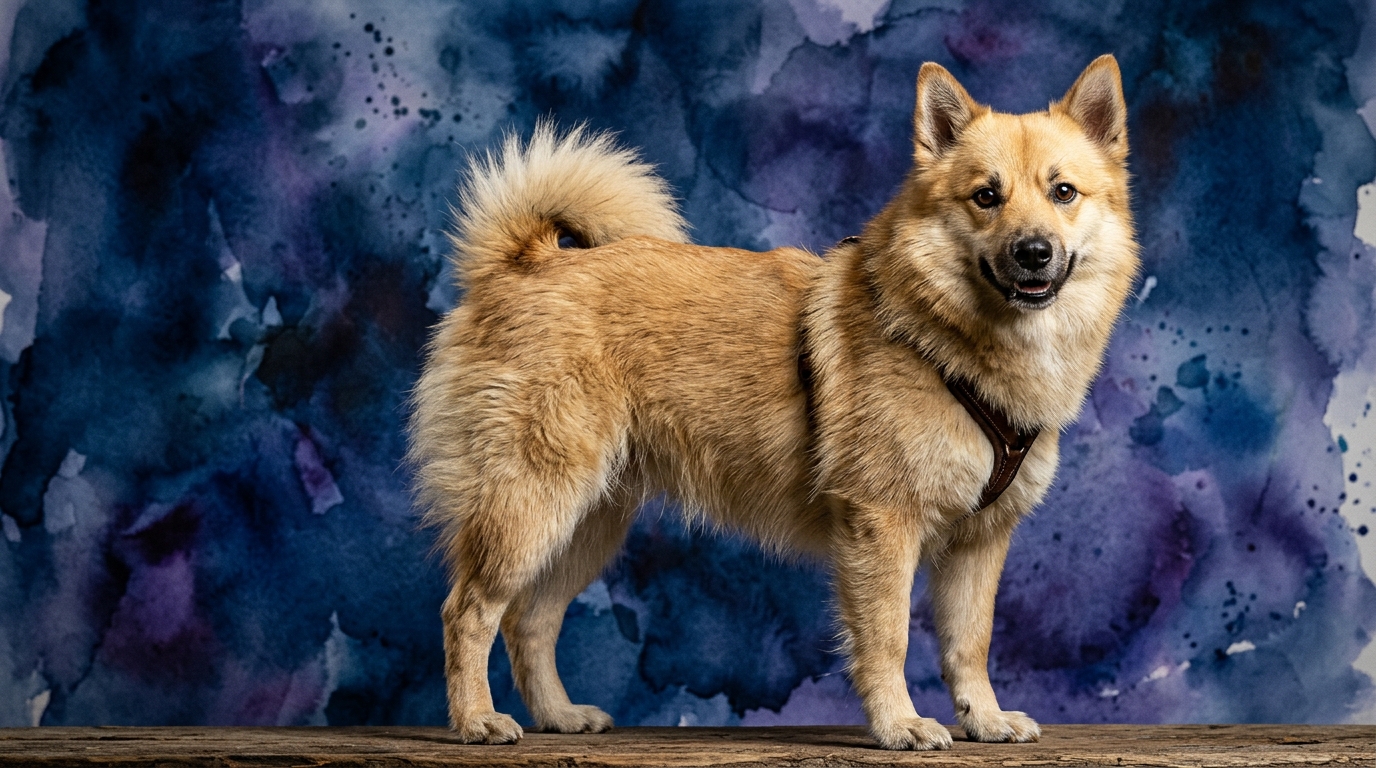

Side-by-Side IQ Profile: Norwegian Buhund vs. Flat-Coated Retriever
The Norwegian Buhund, a Nordic herding dog, exhibits a cognitive profile shaped by centuries of independent farm work. Its Problem Solving is rated 3/5, reflecting a practical, self-reliant approach to environmental challenges rather than abstract puzzles. Training Speed stands at 3/5; Buhunds learn consistently, but their independent nature means they often evaluate commands before complying. Social Intelligence is 3/5, indicating strong bonds within their family and a good grasp of social cues. Their Instinctive Drive is 3/5, manifesting as watchfulness and a need for purpose. Memory is 3/5, providing solid recall for routines and significant experiences, crucial for a pastoral dog.
In contrast, the Flat-Coated Retriever, a sporting dog, presents a profile geared towards collaborative task completion. Its Problem Solving is 4/5, excelling in tasks involving retrieving, strategizing, and navigating obstacles efficiently. Training Speed is 4/5, as they absorb new commands quickly, driven by an eagerness to please. Social Intelligence matches at 3/5, showing empathy and a deep desire for family integration. Instinctive Drive is also 3/5, centered around retrieving and a strong partnership ethic. A standout feature is their Memory at 5/5, allowing for exceptional recall of complex sequences, locations, and past interactions, a vital trait for field work.
Where the Norwegian Buhund Wins Cognitively
The Norwegian Buhund’s cognitive strengths are most apparent in situations demanding independent judgment and resilience. Their 3/5 problem-solving, coupled with their instinctive drive, allows them to assess and react to dynamic situations without constant human input. This trait, honed by generations of herding in challenging Nordic environments, means they are particularly adept at making on-the-spot decisions, such as managing livestock or alerting to unusual sounds, rather than passively awaiting commands. Their balanced social intelligence also fosters a keen awareness of their immediate family's needs and boundaries, making them perceptive guardians.
Furthermore, the Buhund's moderate memory and training speed reflect a cognitive architecture built for consistent, reliable performance over rapid acquisition. They develop a deep, practical understanding of their home environment and daily routines, remembering the layout of their territory and patterns of life with steady competence. This foundational cognitive stability means they are less likely to be flustered by minor changes and more inclined to rely on their own assessment, a valuable asset in a dog bred to function semi-autonomously.
Where the Flat-Coated Retriever Wins Cognitively
The Flat-Coated Retriever’s cognitive profile truly excels in tasks requiring intricate recall and collaborative effort, largely thanks to its 5/5 memory score and 4/5 problem-solving ability. This breed is built for remembering the precise fall of multiple birds over varied terrain, executing complex retrieving patterns, and consistently responding to multi-step commands. Their problem-solving often involves strategizing how to efficiently retrieve an object or navigate an obstacle course, demonstrating an adaptive intelligence focused on task completion in partnership with their handler.
Their superior training speed (4/5) further amplifies their cognitive advantages, allowing them to rapidly absorb and retain a vast repertoire of commands and tricks. This quick learning, coupled with their eager-to-please disposition, makes them exceptional candidates for advanced obedience, agility, and competitive retrieving. The Flat-Coat's cognitive strengths are deeply intertwined with its desire for engagement and partnership, making them incredibly responsive and enjoyable partners in any activity that requires mental agility and consistent performance.
Which is Easier to Train and Why
When considering ease of training, the Flat-Coated Retriever generally presents a more straightforward experience for most owners. Their 4/5 training speed and outstanding 5/5 memory mean they grasp new commands quickly and retain them exceptionally well, even after long breaks. Furthermore, their strong desire to please and collaborative nature means they are highly motivated by positive reinforcement and actively seek to understand and comply with human directives. This combination of cognitive aptitude and temperament makes them highly amenable to various training methods, from basic obedience to complex multi-step tasks.
The Norwegian Buhund, with its 3/5 training speed and 3/5 memory, requires a more patient and consistent approach. Their independent herding background means they are wired to make their own decisions and might question the necessity of a command rather than immediately complying. While capable of learning and forming strong habits, they may take longer to solidify new behaviors and might occasionally test boundaries. Owners will find success by emphasizing positive reinforcement, clear communication, and making training feel like a partnership rather than a command-and-obey dynamic, appealing to their practical intelligence.
Which Suits Active Owners vs. Relaxed Owners
Both the Norwegian Buhund and the Flat-Coated Retriever are breeds that thrive with active owners, though their needs manifest differently. The Buhund, with its herding background and moderate instinctive drive (3/5), requires consistent mental engagement and physical outlets to prevent boredom. Owners who enjoy hiking, dog sports like agility or herding trials, or simply long, purposeful walks will find a willing companion. Their cognitive need is for a 'job' or a clear routine, even if it's just patrolling the yard or accompanying owners on errands, making them suited for active families who can integrate them into their daily activities.
The Flat-Coated Retriever, with its energetic sporting dog heritage, demands a significant commitment to physical exercise and mental stimulation. Their high training speed and exceptional memory mean they excel in activities that challenge their minds and bodies, such as retrieving games, dock diving, or competitive obedience. They are best suited for owners who are dedicated to daily vigorous exercise, whether it's long runs, swimming, or extensive play sessions, combined with regular training to keep their quick minds occupied. Neither breed is ideal for truly relaxed, sedentary owners, as both possess a drive for engagement and activity that, if unmet, can lead to frustration and undesirable behaviors.
The Verdict
Choose the Norwegian Buhund if you value an independent, resilient companion capable of practical problem-solving and a watchful nature, and are prepared for consistent, patient training tailored to their thoughtful disposition.
Opt for the Flat-Coated Retriever if you seek a highly trainable, enthusiastic partner with exceptional memory and a strong desire to collaborate, thriving on vigorous activity and engaging mental challenges.
🧠 Find Your Pet's IQ Score
Our Pet IQ Lab assessment covers 25+ tests across 5 cognitive dimensions — personalized to your breed.
Take the Full IQ Test →Frequently Asked Questions
Do Norwegian Buhunds bark a lot due to their herding instincts?
Yes, Norwegian Buhunds often use their voice as part of their herding and guardian role, alerting to perceived changes or intruders. Consistent training from a young age can help manage excessive barking, but their vocal nature is an inherent part of their breed character and cognitive wiring.
Are Flat-Coated Retrievers good with children, given their social intelligence?
Flat-Coated Retrievers generally possess a cheerful and patient disposition, making them wonderful family companions, especially with children. Their social intelligence (3/5) and desire for interaction mean they often enjoy playing with kids, though supervision is always essential to ensure respectful interactions from both dog and child.
Can a Norwegian Buhund participate in dog sports like agility?
Absolutely, Norwegian Buhunds can excel in dog sports like agility, rally, and obedience, leveraging their problem-solving skills and instinctive drive. While their training speed is moderate, their determination and physical agility make them capable competitors with consistent, positive training that respects their independent nature.