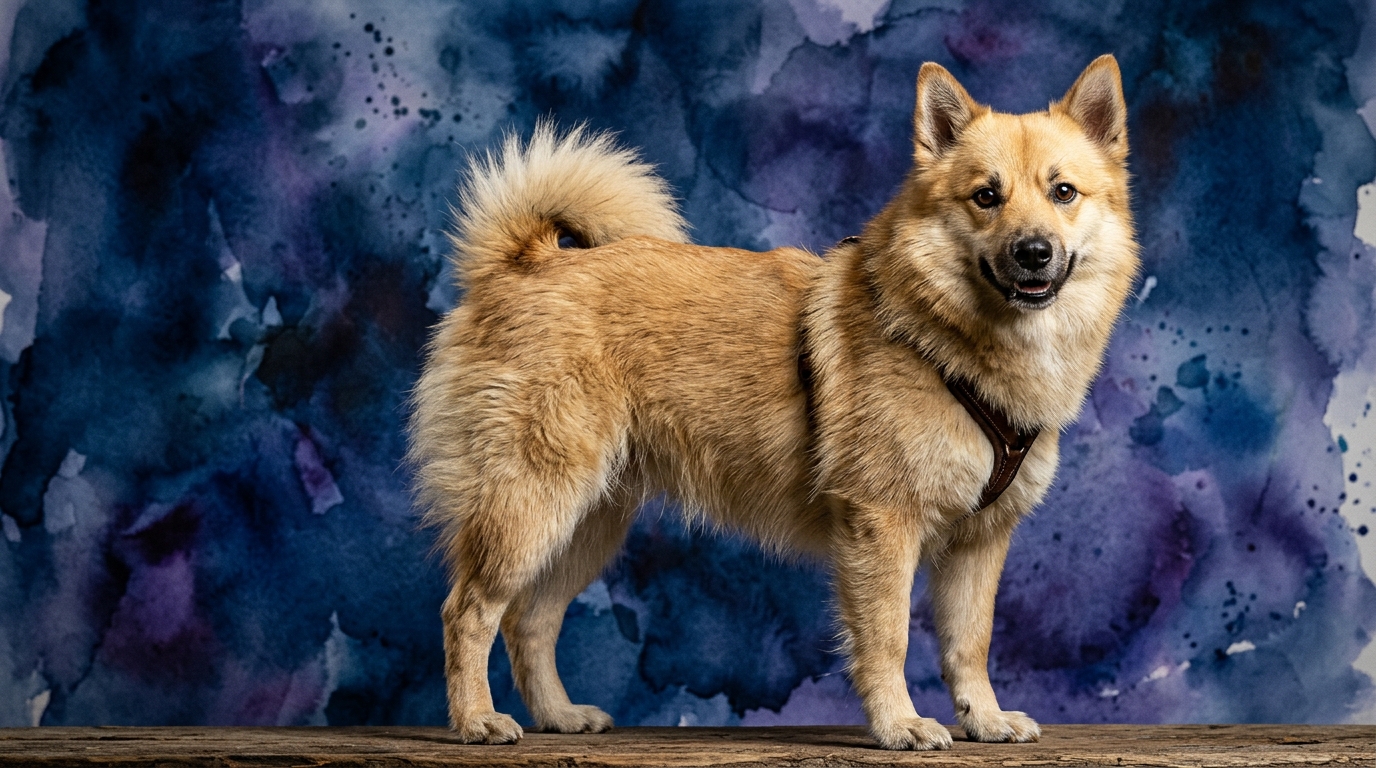
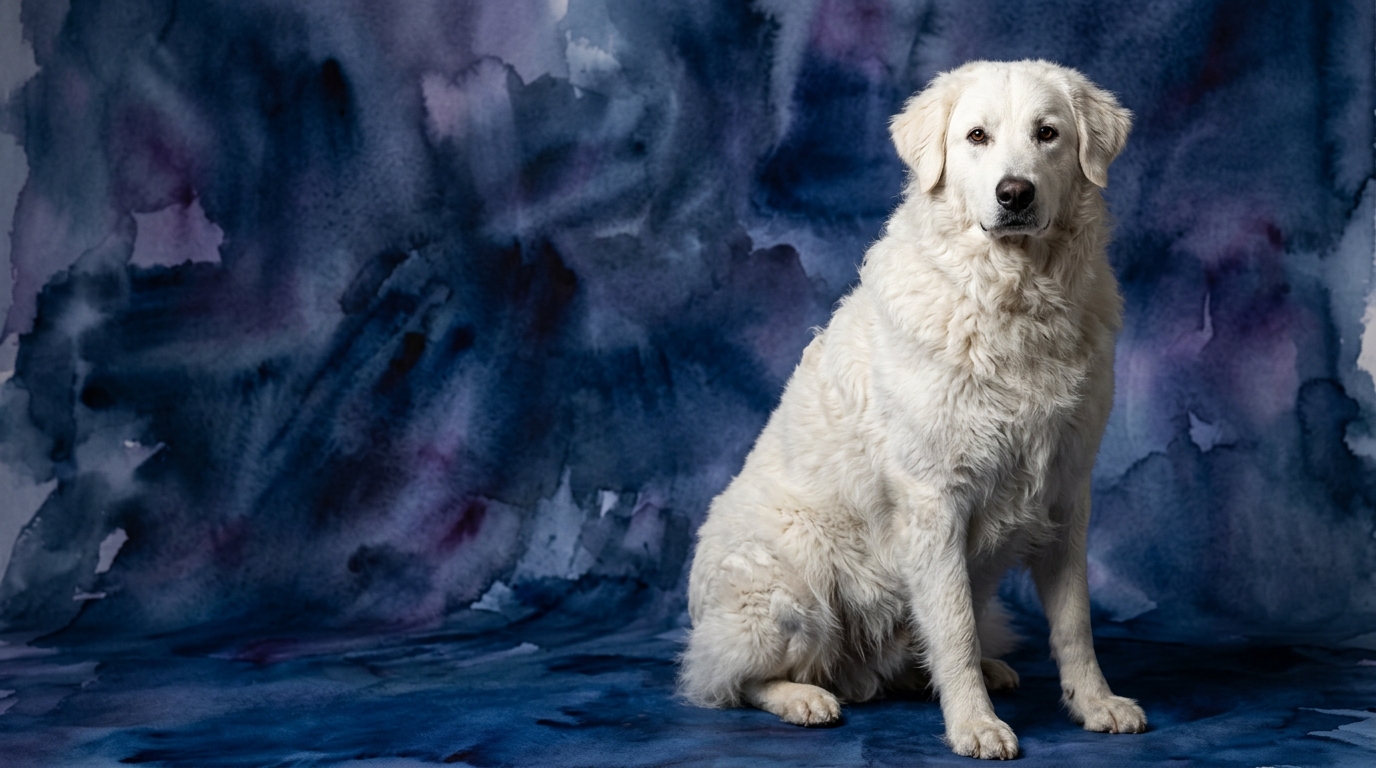
Side-by-Side Cognitive Profiles
Delving into the Cosmic Pet Pet IQ Lab's framework, we assess five key cognitive dimensions for both the Norwegian Buhund and the Kuvasz. This allows for a granular understanding of how each breed processes information and interacts with its environment, moving beyond generalized notions to specific behavioral indicators.
For Problem Solving, both breeds score 3/5. The Norwegian Buhund, a herding dog, applies its problem-solving abilities to dynamic situations, quickly assessing livestock movement and adapting its tactics to guide them. The Kuvasz, a livestock guardian, utilizes its problem-solving for independent threat assessment, strategizing how to protect its charges without direct human intervention.
Training Speed for both is rated 3/5. The Buhund's herding background fosters a cooperative spirit, making it generally receptive to learning new commands and eager to engage with its handler. The Kuvasz, while capable of learning, approaches training with a more independent mindset, often evaluating the perceived necessity of a command before compliance, reflecting its self-reliant guardian role.
Social Intelligence also stands at 3/5 for both breeds. The Norwegian Buhund exhibits strong familial bonds and is attuned to its human companion's moods, interacting openly within its trusted circle. The Kuvasz dedicates its social intelligence primarily to its immediate family and charges, displaying a profound devotion while remaining reserved and often wary towards strangers, a hallmark of its protective nature.
Instinctive Drive is 3/5 for both, manifesting differently. The Norwegian Buhund possesses a strong herding drive, expressed through its desire to gather, control, and often vocalize. The Kuvasz's drive is rooted in guardianship, exhibiting powerful territorial instincts and an innate need to watch over and protect its family or livestock.
Memory is where a clear distinction emerges: the Norwegian Buhund scores 3/5, while the Kuvasz achieves a notable 4/5. The Buhund capably remembers routines, commands, and familiar faces. The Kuvasz's superior memory is critical for its guardian role, allowing it to recall past threats, safe individuals, and the intricacies of its territory with exceptional detail over extended periods, contributing to its reliable vigilance.
Where the Norwegian Buhund Excels Cognitively
The Norwegian Buhund's cognitive strengths are deeply intertwined with its heritage as a versatile farm and herding dog. It particularly excels in adaptive problem-solving within dynamic, fast-changing environments. Its ability to make split-second decisions and adjust its actions in response to moving livestock or shifting circumstances showcases a practical, agile intelligence that prioritizes immediate, effective responses.
Furthermore, the Buhund demonstrates a pronounced handler-centric cognitive style. Its historical role demanded close cooperation with a shepherd, fostering a natural inclination to engage with and seek guidance from its human companion. This translates into a dog that is often more attuned to human cues and desires to work alongside its owner, making it proficient in activities requiring teamwork and responsiveness.
Its mental agility also shines in the realm of dog sports and structured learning. The Buhund’s enthusiasm for cooperative tasks and its capacity for rapid learning make it adept at mastering complex sequences in activities like agility or obedience. This cognitive flexibility allows it to quickly grasp new concepts and execute them with precision and enthusiasm, thriving on mental challenges presented by its owner.
Finally, the Buhund's vocal communication, often referred to as 'talking,' can be interpreted as a distinct cognitive advantage in social intelligence. Its varied barks, growls, and 'yips' allow it to communicate observations, needs, or excitement to its human companions more overtly than many breeds, fostering a unique form of interspecies dialogue and connection.
Where the Kuvasz Excels Cognitively
The Kuvasz's most significant cognitive advantage lies in its superior Memory, scoring 4/5. This exceptional recall is not merely about remembering commands; it's fundamental to its role as a guardian. A Kuvasz proficiently remembers past threats, safe individuals, and the intricate details of its patrolling territory for extended periods. This comprehensive memory allows for consistent, reliable threat assessment and recognition, ensuring unwavering protection over time.
While sharing a 3/5 for Problem Solving, the Kuvasz applies this capacity with a strong emphasis on independent judgment. Unlike the Buhund's collaborative problem-solving, the Kuvasz's cognitive approach involves assessing situations and acting autonomously to protect its charges, often without requiring direct human oversight. This self-reliance is a critical aspect of its guardian intelligence, allowing it to make weighty decisions on its own.
The breed's strategic thinking for protection is another hallmark. Its cognitive strengths are geared towards understanding and managing its environment to prevent threats. This involves proactively identifying vulnerabilities in its territory, maintaining a vigilant watch, and understanding the nuances of potential dangers. This isn't about rapid reaction but about sustained, strategic vigilance and preventative action.
Furthermore, the Kuvasz's social intelligence, while selective, is profoundly tuned to its designated family or 'flock.' It possesses an acute ability to discern the safety and well-being of its charges, dedicating its cognitive resources to their welfare. Its devotion is unwavering, and its protective instincts are channeled with a clear, singular focus, making it an exceptionally loyal and dedicated guardian to those it accepts.
Training Ease: Buhund's Cooperation vs. Kuvasz's Independence
When considering ease of training, the Norwegian Buhund generally presents a more straightforward experience for owners. Its herding lineage instilled a strong desire to work cooperatively with a human handler, making it more inclined to respond to commands and cues. The Buhund often finds satisfaction in pleasing its owner and engaging in interactive tasks, which, combined with its 3/5 training speed, means it typically picks up new commands relatively quickly. Their eagerness to engage and their forgiving nature often make them a suitable choice for novice trainers willing to invest time in positive reinforcement.
The Kuvasz, while also scoring 3/5 in training speed, offers a different set of challenges due to its profound independence. Its historical role as a self-reliant livestock guardian means it is bred to make its own decisions. Consequently, a Kuvasz might evaluate a command through the lens of its own perceived purpose or duty; if it doesn't align with its guardian instincts, it may exhibit stubbornness or require more convincing. Training a Kuvasz demands exceptional consistency, unwavering patience, and a deep understanding of its autonomous problem-solving style. Owners must establish clear leadership and be prepared for a more deliberate, less overtly eager training partnership, as its focus is less on pleasing the handler and more on fulfilling its perceived role.
Matching Breeds to Lifestyles: Active Engagement vs. Vigilant Guardianship
For owners with an active lifestyle, the Norwegian Buhund is an ideal companion. Its herding heritage endows it with substantial energy, a need for consistent mental stimulation, and a desire for a 'job.' Owners who enjoy engaging in dog sports such as agility, obedience, or herding trials, along with long hikes and active outdoor adventures, will find the Buhund a willing, enthusiastic, and enduring partner. This breed thrives on constant interaction and directed activity, making it unsuitable for a sedentary home environment where its cognitive and physical needs would be unmet.
The Kuvasz, while also requiring significant exercise and mental engagement, suits owners who appreciate a vigilant, independent guardian and can provide structured guidance within that framework. Its energy is often expressed through patrolling its territory, observing, and maintaining a watchful presence rather than requiring constant, high-speed interaction with a human. These are not 'relaxed' dogs in the sense of being low-maintenance couch potatoes; they need ample space and regular, purposeful exercise. However, their cognitive engagement is frequently self-directed towards their guardian duties. The Kuvasz requires experienced owners who are firm, consistent, and understand its independent nature, rather than those seeking a constant playmate for dynamic sports. They are best suited for homes where their protective instincts can be appropriately managed and channeled.
The Verdict
Choose the Norwegian Buhund if you seek an engaging, cooperative partner for dynamic activities and dog sports, and appreciate a communicative companion eager to work alongside you.
Opt for the Kuvasz if you value an independent, vigilant guardian with exceptional memory for its protective duties, and are prepared to provide consistent, firm guidance for a self-reliant breed.
🧠 Find Your Pet's IQ Score
Our Pet IQ Lab assessment covers 25+ tests across 5 cognitive dimensions — personalized to your breed.
Take the Full IQ Test →Frequently Asked Questions
Is the Kuvasz truly 'smarter' than the Norwegian Buhund due to its Coren ranking?
The Coren ranking primarily measures obedience and working intelligence under direction, not overall cognitive capacity. While the Kuvasz's #42 ranking suggests it learns commands efficiently, the Buhund, though unranked, also demonstrates practical intelligence suited to its herding tasks. Their cognitive strengths lie in different applications, making a direct 'smarter' comparison complex.
Do both breeds need a lot of exercise?
Yes, both breeds have significant exercise requirements, though their preferred activities differ. The Norwegian Buhund thrives on active, engaging tasks like herding or agility, needing consistent mental and physical stimulation. The Kuvasz, while needing ample space for patrolling and regular walks, often expresses its energy through vigilant observation and independent movement within its territory.
How do their protective instincts differ?
The Norwegian Buhund possesses a natural instinct to gather and control, extending to its family, making it an alert watchdog. The Kuvasz, however, is a livestock guardian breed with a profound, inherent drive to protect its family and territory from perceived threats, often acting independently and with considerable resolve. This guarding instinct is a core aspect of its cognitive makeup and requires experienced handling.