Side-by-Side IQ Profile: A Tale of Two Canines
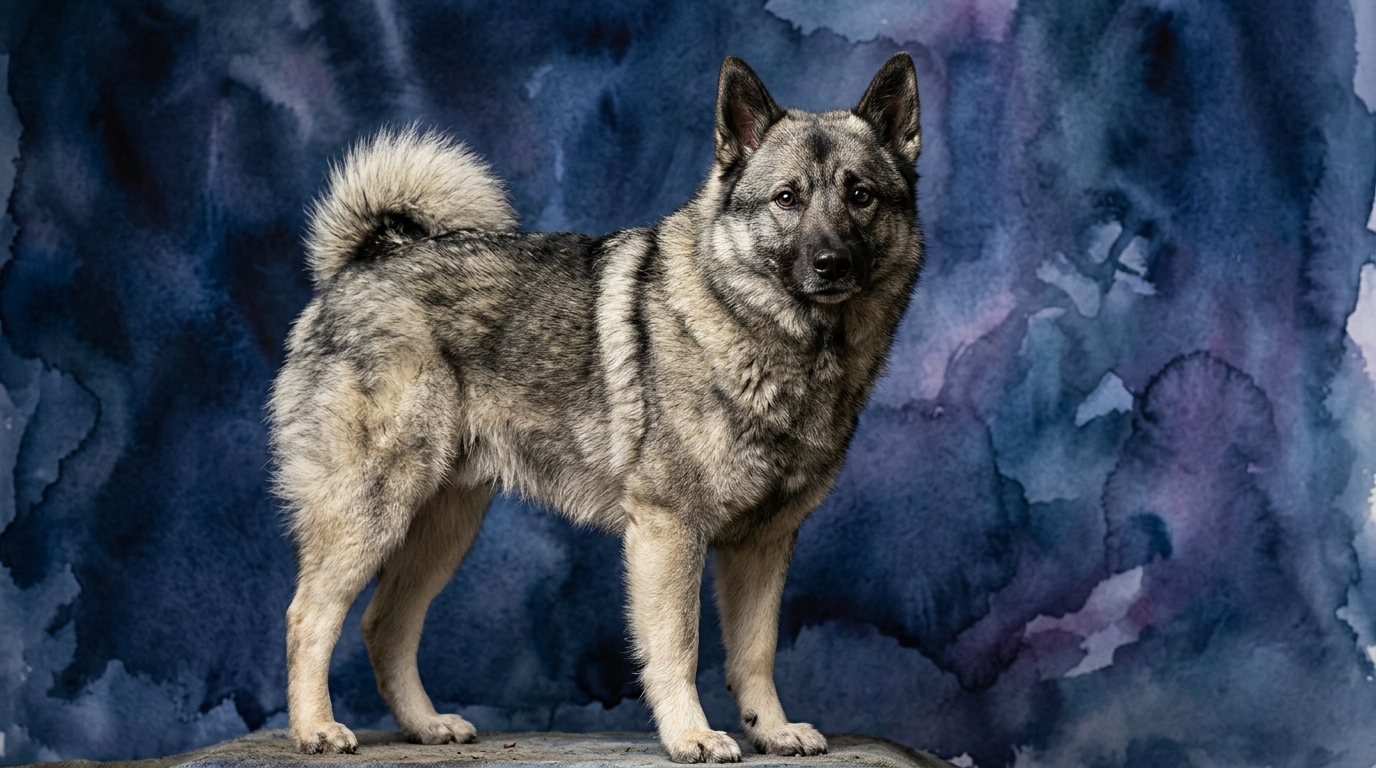
Originating from Norway, the Elkhound is a hardy Spitz-type dog, historically used for hunting large game like moose and bear over vast, challenging terrains. Their IQ profile robustly reflects this working heritage: Problem Solving at 4/5 indicates a strong, independent capacity for navigating complex situations, such as finding their way back to a handler or strategizing during a hunt. Training Speed, also 4/5, suggests they grasp new commands and routines relatively quickly, demonstrating a willingness to learn when adequately motivated, though their independent nature might occasionally present a challenge in consistent application. Social Intelligence scores 3/5, meaning they can form strong bonds and understand human cues, but they often prioritize their own instincts or perceived tasks over constant human direction. Their Instinctive Drive, at 3/5, points to a moderate but ever-present genetic inclination for scent work, tracking, and protective behaviors. Finally, Memory at 4/5 signifies a superior ability to recall past experiences, learned commands, and even intricate routes or specific locations, crucial for a reliable hunting companion.
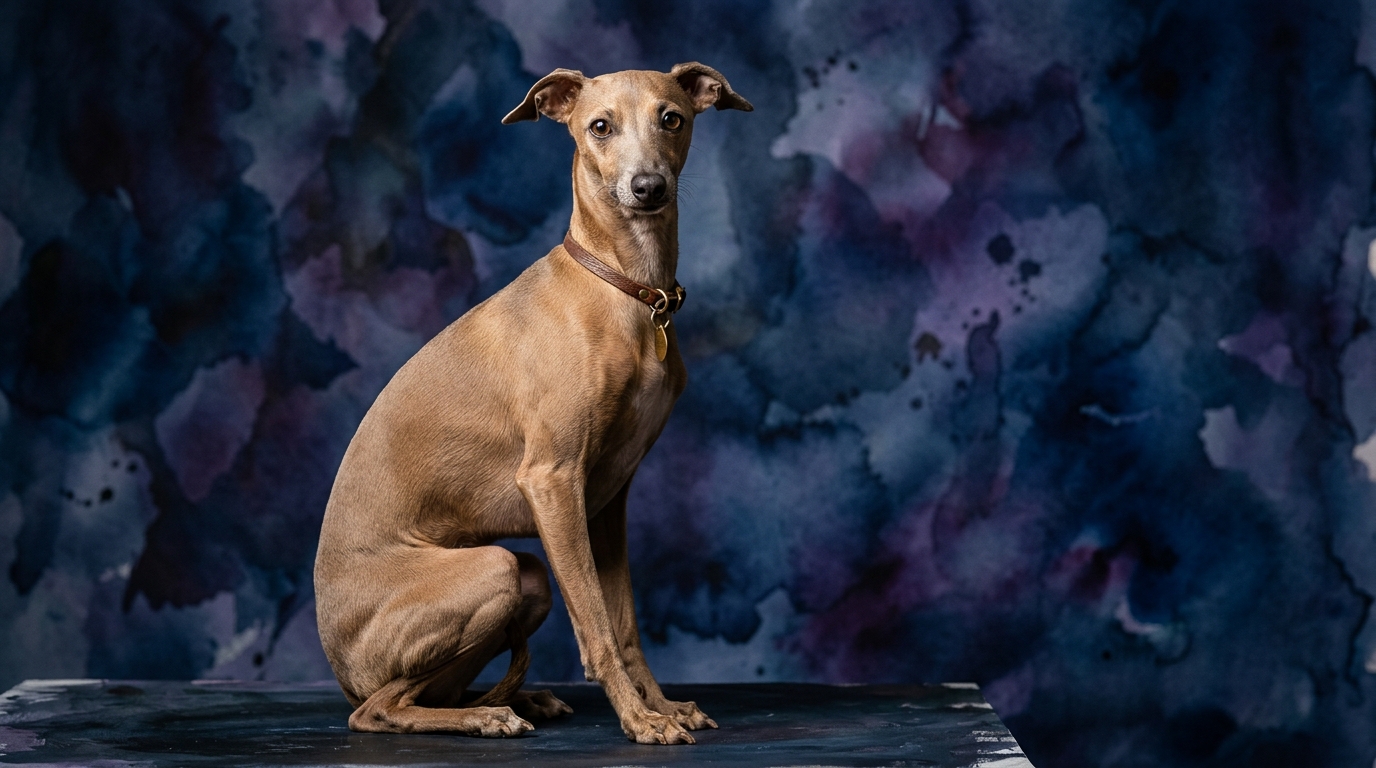
In stark contrast, the Italian Greyhound, a graceful sighthound from Italy, was historically bred primarily for companionship and coursing small game visually in open spaces. Their IQ scores paint a picture of a sensitive, agile, and companion-focused canine: Problem Solving at 3/5 suggests they can figure out simple environmental puzzles or routines but might struggle with multi-step or abstract challenges that require sustained, independent thought. Training Speed, also 3/5, means they learn at a steady, deliberate pace, often responding best to positive reinforcement and gentle, encouraging methods, as their delicate nature can make them sensitive to harsh corrections or perceived pressure. Social Intelligence stands at 3/5, indicating an ability to connect deeply with their human family and be remarkably responsive to emotional changes, often seeking comfort and interaction. Instinctive Drive, at 3/5, primarily manifests as a strong prey drive for anything small and fast-moving, coupled with an intense desire for warmth, comfort, and close physical proximity to their human. Memory, at 3/5, allows them to remember routines, favored people, and past experiences, contributing to their adaptability within a loving home environment.
Where the Norwegian Elkhound Wins Cognitively
The Norwegian Elkhound distinctly outperforms the Italian Greyhound in both Problem Solving and Memory, scoring 4/5 in both categories compared to the Greyhound's 3/5. This difference isn't merely a numerical curiosity; it speaks directly to their functional intelligence and historical purpose. An Elkhound's higher problem-solving capacity means they are more adept at navigating novel situations independently, such as figuring out how to open a complex gate, strategizing to retrieve a toy from an inaccessible spot, or making autonomous decisions during a long tracking exercise. This trait, honed over centuries of hunting where dogs needed to make intelligent decisions away from their human handler, allows them to assess and adapt to environmental changes with greater autonomy and resourcefulness.
Their superior memory also gives them a significant edge in retaining complex sequences of commands, remembering intricate scent trails over extended periods, or recalling the layout of previously visited territories. For an owner, this translates to an Elkhound potentially mastering a wider repertoire of advanced tricks or tasks and recalling them reliably even after a long hiatus. This robust cognitive architecture makes them exceptionally well-suited for activities requiring sustained mental effort and independent decision-making, such as advanced obedience, tracking, or even search and rescue work, where recalling learned information and adapting to new inputs are paramount.
Where the Italian Greyhound Wins Cognitively
While the data shows the Italian Greyhound scoring 3/5 across all five dimensions, matching the Elkhound in Social Intelligence and Instinctive Drive, their cognitive strengths are often more nuanced and deeply rooted in their companion role, not always captured by numerical scores alone. Italian Greyhounds, despite their moderate scores, excel in subtle social responsiveness and emotional attunement, often displaying a remarkable sensitivity to their owner's mood, vocal tone, and body language. Their instinctive drive, while rated the same as the Elkhound, is frequently channeled into different expressions; for the Italian Greyhound, this often means a profound desire for close physical contact and comfort, intertwined with their sighthound urge to chase small, fast-moving objects.
Their cognitive strengths manifest most prominently in their adaptability to indoor living and their capacity for forming exceptionally deep, almost symbiotic bonds with their primary caregivers. They might not solve complex puzzles as readily, but their quick social learning allows them to understand household routines and human social cues with precision, often anticipating their owner's next move or emotional state. This makes them profoundly intuitive and empathetic companions, excelling in a domestic setting where emotional connection and delicate communication are valued above independent problem-solving or robust physical endurance.
Which is Easier to Train and Why
Based on The Cosmic Pet Pet IQ Lab data, the Norwegian Elkhound, with a Training Speed of 4/5, is indicated to be generally quicker to pick up new commands and routines compared to the Italian Greyhound's 3/5. Elkhounds possess a strong working drive and a desire to engage in tasks, which, when properly channeled through consistent, positive reinforcement, translates into enthusiastic participation in training sessions. Their higher problem-solving ability also means they can often generalize learned behaviors to new contexts more readily. However, their independent nature and moderate instinctive drive for scent work can sometimes lead to selective hearing if they perceive a more interesting external stimulus, requiring an owner to be patient, persistent, and to make training highly rewarding. They need an owner who can establish clear leadership without resorting to harsh methods, which can damage their willingness to cooperate.
The Italian Greyhound, while scoring 3/5 in Training Speed, is often perceived as a unique training challenge due to their extremely sensitive temperament and strong sighthound instincts. They respond best to positive reinforcement, gentle encouragement, and short, engaging sessions, as harsh corrections or even a raised voice can easily lead to shutdown, anxiety, or a reluctance to participate. Their strong prey drive means off-leash training in unsecured areas can be particularly difficult, as their instinct to chase can quickly override learned commands. While they may take slightly longer to master a command, their deep social intelligence means they are often eager to please their beloved human, making consistency, patience, and a positive training environment absolutely key to success.
Which Suits Active Owners vs. Relaxed Owners
The Norwegian Elkhound is unequivocally better suited for active, outdoor-oriented owners. Their heritage as a hardy hunting dog imbues them with considerable stamina, a significant need for regular, vigorous exercise, and consistent mental stimulation. Owners who enjoy long hikes, running, or engaging in demanding dog sports like agility, advanced obedience, tracking, or even skijoring will find an Elkhound to be an eager, capable, and enduring partner. Their higher problem-solving and memory scores mean they thrive when given purposeful tasks and intellectual challenges, making them an ideal match for owners committed to providing consistent physical and mental engagement beyond simple walks. A sedentary lifestyle can quickly lead to boredom, frustration, and potentially destructive behaviors for this intelligent and energetic breed, as their cognitive needs are not being met.
Conversely, the Italian Greyhound is an excellent fit for more relaxed, indoor-focused owners, though they still require daily walks and opportunities to run freely in a securely fenced area to satisfy their sighthound instincts. While they enjoy bursts of speed and playful antics, their overall exercise needs are generally much lower than the Elkhound's, and they are typically content to spend much of their day curled up on a soft couch, a warm lap, or under blankets. Their delicate build, thin coat, and sensitivity to cold make them primarily indoor companions who adore warmth and comfort. Owners who appreciate a quiet, affectionate, and low-impact companion who thrives on close human interaction and cozy domesticity will find the Italian Greyhound a delightful and deeply loyal match.
The Verdict
Choose the Norwegian Elkhound if you are an active, experienced owner seeking a resilient, intelligent partner for outdoor adventures, complex training, and independent tasks. Their robust cognitive abilities shine when given purpose and consistent mental engagement.
Opt for the Italian Greyhound if you desire a gentle, affectionate, and sensitive companion who thrives on close human connection and indoor comfort, suitable for a more relaxed lifestyle. Their quiet charm and deep loyalty make them superb, low-impact housemates.
🧠 Find Your Pet's IQ Score
Our Pet IQ Lab assessment covers 25+ tests across 5 cognitive dimensions — personalized to your breed.
Take the Full IQ Test →Frequently Asked Questions
Are Norwegian Elkhounds good family dogs?
Yes, Norwegian Elkhounds can be excellent family dogs, especially with proper socialization and training from a young age. Their protective instincts and loyalty make them devoted companions, though their independent nature means they benefit from clear boundaries and consistent leadership within the family dynamic.
Do Italian Greyhounds get along with other pets?
Italian Greyhounds generally get along well with other pets, particularly if introduced carefully and socialized early. However, their strong sighthound prey drive means small, fast-moving animals like hamsters or birds might trigger their chase instinct, requiring supervision.
How much mental stimulation does a Norwegian Elkhound need?
Norwegian Elkhounds require significant mental stimulation to prevent boredom and maintain their cognitive sharpness. Daily puzzle toys, training sessions, scent work, and varied environments during walks are essential to satisfy their problem-solving and memory capabilities.