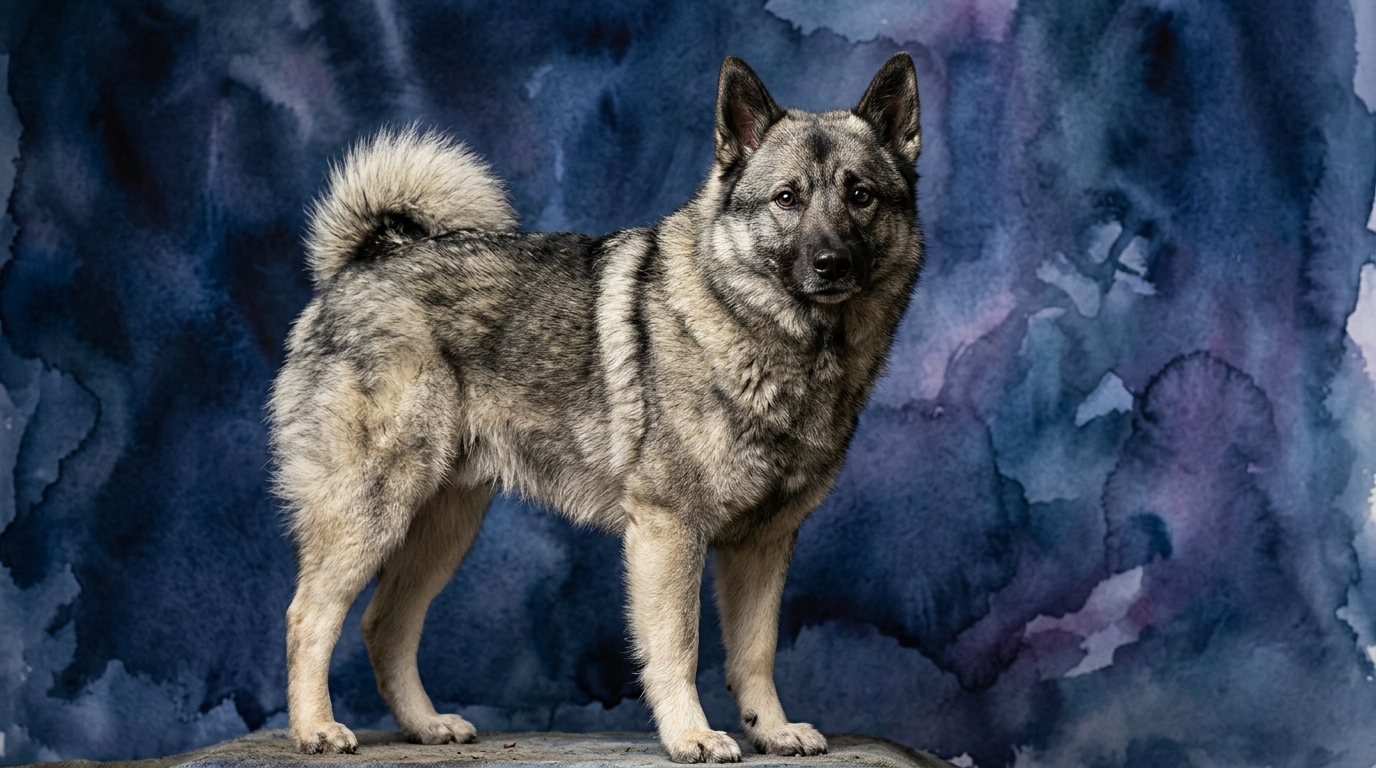
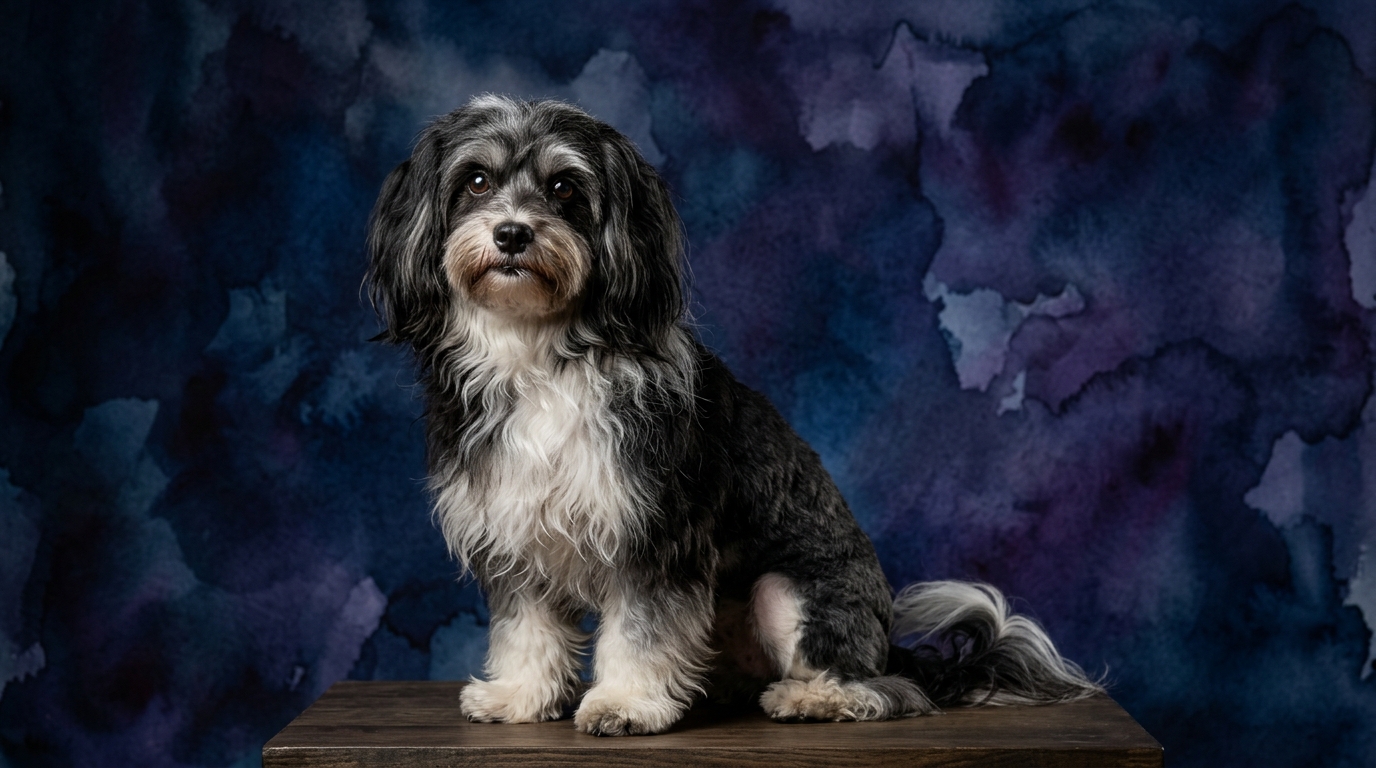
Side-by-Side Cognitive Profile: Elkhound vs. Löwchen
At The Cosmic Pet Pet IQ Lab, we evaluate canine intelligence across five key dimensions, providing a granular view of each breed’s cognitive strengths. For the Norwegian Elkhound, we observe a problem-solving score of 4/5, indicating a strong capacity for independent thought and navigating complex situations, a trait honed by its history as a hunting companion. The Löwchen, with a problem-solving score of 3/5, demonstrates competence in everyday puzzles but tends to approach challenges with less spontaneous innovation, often relying on learned behaviors rather than novel solutions.
In terms of training speed, the Elkhound’s 4/5 score signifies a quick grasp of new commands and routines, capable of forming associations rapidly. The Löwchen’s 3/5 suggests a moderate learning pace; they will eventually master tasks, but might require more repetition and patience during initial training phases. Regarding social intelligence, both breeds score 3/5, indicating a moderate ability to understand human cues, emotional states, and social hierarchies. This means both can form strong bonds and interpret signals, but neither is exceptionally intuitive in reading complex human emotions or navigating intricate social dynamics without clear guidance.
A 3/5 for both breeds in instinctive drive points to a moderate level of innate, hardwired behaviors. For the Elkhound, this manifests as a drive for tracking, barking, and independent exploration, rooted in its hunting heritage. For the Löwchen, this might translate to a moderate desire for companionship, play, or specific comfort-seeking behaviors typical of a companion dog. Finally, the Elkhound’s 4/5 memory score signifies an excellent ability to retain learned commands, routines, and experiences over extended periods. The Löwchen’s 3/5 memory suggests a reliable but not exceptional recall, meaning consistent reinforcement helps maintain learned behaviors, but they might be quicker to 'forget' infrequently practiced tasks compared to the Elkhound.
Where the Norwegian Elkhound Excels Cognitively
The Norwegian Elkhound’s cognitive profile clearly excels in areas demanding acute mental agility and retention. With a problem-solving score of 4/5, these dogs are adept at figuring out intricate situations independently, whether it's navigating a complex scent trail or figuring out how to access a coveted toy. This capacity for independent thought means they aren't just waiting for instructions; they often initiate solutions, a valuable trait for a working partner.
Their training speed, also rated at 4/5, allows them to absorb new commands and routines with impressive swiftness, often requiring fewer repetitions than many other breeds. This makes them particularly responsive to advanced obedience or skill-based training, quickly moving through new concepts. Furthermore, an exceptional memory score of 4/5 ensures that once an Elkhound learns something, it tends to stick. This robust recall applies not only to commands but also to understanding their environment and the consequences of their actions, making them highly reliable once a behavior is established. For owners who enjoy engaging in mentally stimulating activities like advanced trick training, agility, or scent work, the Elkhound's superior cognitive speed and retention offer a deeply rewarding partnership.
Where the Löwchen’s Balanced Intellect Shines
While the Löwchen may not boast the same higher scores in problem-solving or training speed as the Elkhound, its consistent 3/5 across all cognitive dimensions presents its own unique advantages, particularly for certain lifestyles. The Löwchen’s balanced intellectual capacity means they are less prone to the restlessness or destructive behaviors that can arise from an understimulated, highly driven intellect. Their moderate instinctive drive (3/5) means they are generally less consumed by intense hunting or tracking urges, making them more adaptable to urban living or homes without extensive outdoor space.
This balanced profile translates into a companion that is neither overly demanding of constant mental challenges nor entirely disengaged. Their moderate social intelligence (3/5), shared with the Elkhound, ensures they are receptive to human interaction and capable of forming strong, affectionate bonds without exhibiting excessive independence or aloofness. For owners seeking a companion whose cognitive needs are manageable and whose temperament leans towards amiable integration into family life rather than intense working pursuits, the Löwchen’s steady and agreeable intellect truly shines.
Training Dynamics: Which Breed is Easier to Train?
Determining which breed is “easier” to train involves more than just raw learning speed; it also encompasses manageability and the nature of the training challenge itself. The Norwegian Elkhound, with its 4/5 training speed, certainly picks up new commands quickly. Its high problem-solving ability (4/5) allows it to grasp complex sequences and adapt rapidly to new situations, and its excellent memory (4/5) ensures that once a lesson is learned, it is retained over time. However, the Elkhound's moderate instinctive drive (3/5), rooted in its independent hunting heritage, means it can be strong-willed and occasionally distracted by scents or outdoor stimuli. This requires a trainer with consistency and firmness, who can channel its natural drives effectively and manage its independent streak.
The Löwchen, scoring 3/5 in training speed, problem-solving, and memory, will require more patience and repetition during initial training. They learn reliably but at a more deliberate pace, necessitating a positive and encouraging approach. What makes the Löwchen potentially “easier” for some owners, particularly novices, is its generally more compliant nature and lower intensity of independent drive compared to a traditional hound. While both breeds share a 3/5 social intelligence score, the Löwchen's historical role as a companion dog often translates into a stronger desire to please and a reduced inclination for independent decision-making when compared to the Elkhound's working mentality. Therefore, while the Elkhound may learn faster, the Löwchen might be more straightforward to manage in daily training scenarios, particularly for owners less experienced with independent working breeds.
Matching Breeds to Owner Lifestyles: Active vs. Relaxed
The cognitive and inherent drives of these breeds distinctly align with different owner lifestyles. The Norwegian Elkhound, with its robust problem-solving, rapid training speed, and excellent memory, coupled with a moderate but present instinctive drive, thrives with active owners. These dogs require consistent mental engagement through training, puzzles, and interactive games, alongside significant physical exercise to satisfy their working dog heritage. Owners who enjoy activities like hiking, running, dog sports (agility, obedience, scent work), or even just long, engaging walks that allow for exploration, will find the Elkhound to be an eager and capable partner. An understimulated Elkhound, lacking sufficient mental and physical outlets, may become restless or develop undesirable behaviors due to boredom and unchanneled energy.
Conversely, the Löwchen, with its uniformly moderate scores across all cognitive dimensions, is generally a better fit for more relaxed owners. While they certainly benefit from regular exercise and mental stimulation, their needs are less intense and demanding than the Elkhound's. Their balanced instinctive drive and moderate problem-solving aptitude mean they are content with a good daily walk, playtime in the yard, and engaging family interactions rather than rigorous training regimes or extensive outdoor adventures. Löwchens adapt well to apartment living provided their moderate needs are met, making them suitable for individuals or families seeking a charming companion who enjoys both active moments and quiet snuggles without requiring an extensive commitment to high-octane activities.
The Verdict
Opt for the Norwegian Elkhound if you are an active, experienced owner eager to engage a quick-thinking, independent dog in advanced training, dog sports, or extensive outdoor adventures, appreciating its strong memory and problem-solving abilities.
Select the Löwchen if you seek a charming, adaptable companion for a more relaxed lifestyle, valuing its balanced cognitive profile that offers moderate trainability and engagement without demanding intense, constant mental or physical challenges.
🧠 Find Your Pet's IQ Score
Our Pet IQ Lab assessment covers 25+ tests across 5 cognitive dimensions — personalized to your breed.
Take the Full IQ Test →Frequently Asked Questions
Does a higher Coren ranking directly correlate with better intelligence scores?
The Coren ranking primarily measures obedience and working intelligence, reflecting how quickly a dog learns and obeys commands. While the Elkhound's #36 rank aligns with its higher training speed, the IQ dimensions provided offer a more granular view of cognitive function beyond just obedience, encompassing problem-solving and social aspects.
How do the instinctive drives of these two breeds differ in daily life?
Both breeds have a 3/5 instinctive drive, but its manifestation differs; the Elkhound's drive often centers on scenting, tracking, and independent exploration, requiring outlets for these natural behaviors. The Löwchen's drive is typically geared towards companionship, play, and comfort-seeking, making it generally easier to integrate into a companion role without intense working demands.
Can a Löwchen participate in dog sports despite its moderate scores?
Absolutely, a Löwchen can excel in dog sports like obedience or rally with consistent, patient training, despite its moderate scores. While they may not learn as rapidly as an Elkhound, their desire to please and balanced temperament make them capable and enthusiastic participants, especially when training is kept positive and engaging.