Side-by-Side Cognitive Profiles
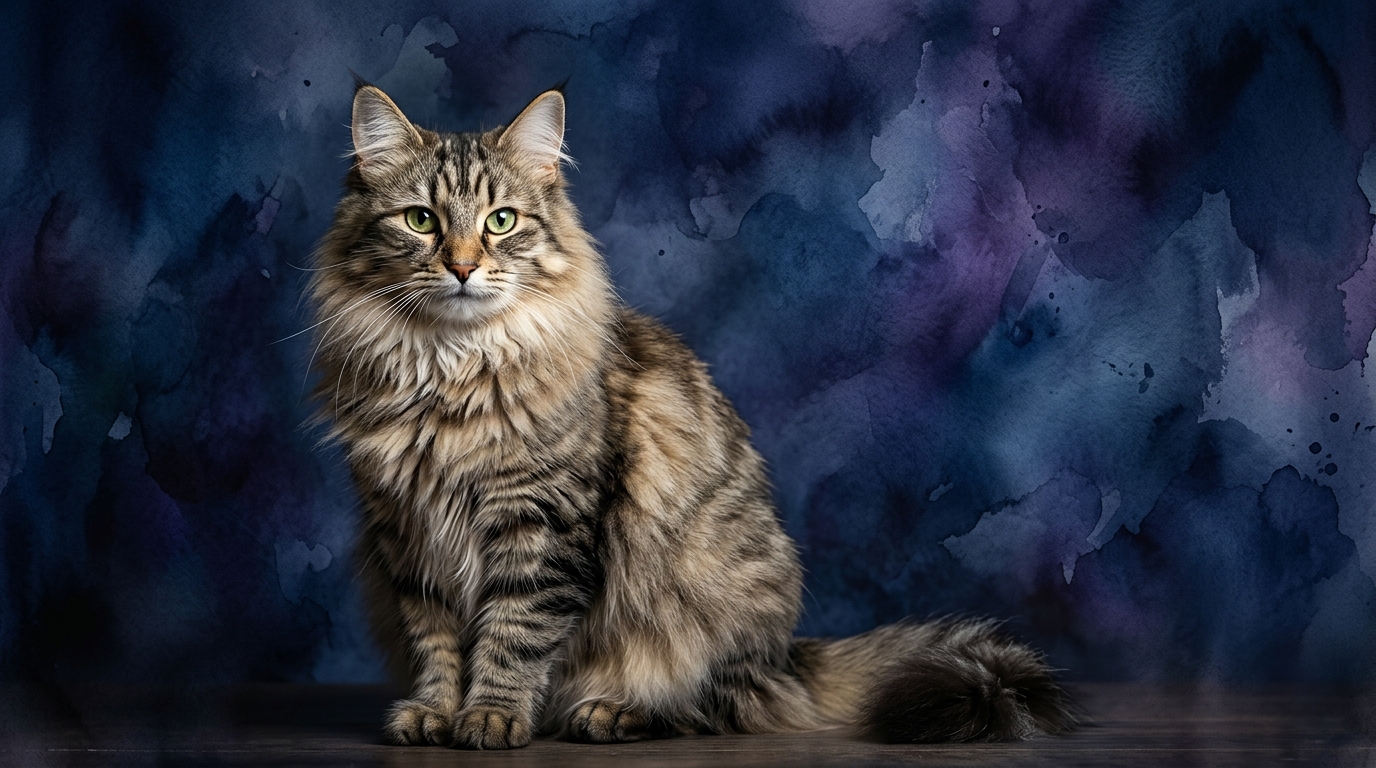
The Cosmic Pet Pet IQ Lab provides a detailed breakdown of feline cognitive abilities across five critical dimensions. For the Norwegian Forest Cat, we observe a robust Problem Solving score of 4/5, indicating a strong capacity for navigating complex situations and figuring out puzzles. Their Training Speed is rated at 3/5, suggesting a cooperative but independent learning approach, while Social Intelligence also stands at 3/5, reflecting an ability to read cues and form bonds. A defining characteristic is their exceptional Instinctive Drive at 5/5, pointing to powerful natural urges for exploration and hunting, complemented by a solid Memory score of 4/5.
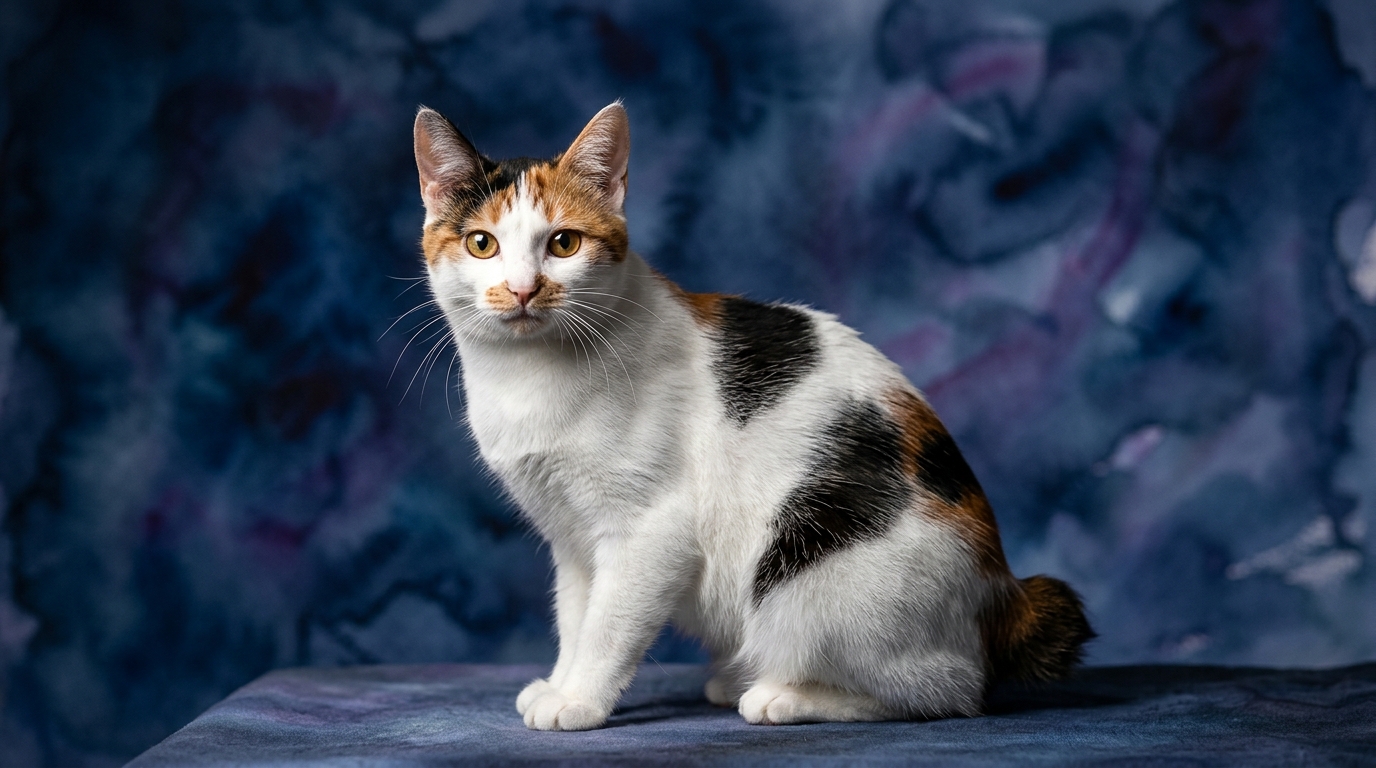
In contrast, the Japanese Bobtail presents a more moderate, yet balanced, cognitive profile. Their Problem Solving ability registers at 3/5, demonstrating capability without the intense exploratory drive of some breeds. Training Speed matches the Norwegian Forest Cat at 3/5, indicating similar receptiveness to instruction. Social Intelligence is also a parallel 3/5, highlighting their capacity for engaging with people and adapting to social nuances. The Japanese Bobtail’s Instinctive Drive is a balanced 3/5, suggesting a healthy but not overwhelming interest in predatory play and exploration, and their Memory is rated at 3/5, allowing them to recall routines and familiar faces effectively. These scores reveal distinct approaches to mental engagement, with the Norwegian Forest Cat leaning towards intense environmental interaction and the Japanese Bobtail towards a more harmonious domestic adaptability.
Where the Norwegian Forest Cat Wins Cognitively
The Norwegian Forest Cat truly distinguishes itself through its superior Problem Solving and Instinctive Drive. With a Problem Solving score of 4/5, these felines exhibit a remarkable aptitude for intricate mental challenges. This manifests in their ability to deftly manipulate latches, open cupboards, or devise clever strategies to reach high, inaccessible perches. Their cognitive energy is often directed towards understanding and mastering their physical surroundings, making them adept at navigating complex multi-level environments and engaging with puzzle feeders that require strategic thought.
Furthermore, their Instinctive Drive, rated at an impressive 5/5, signifies a profoundly ingrained desire for exploration, hunting simulation, and active engagement with their world. This isn't merely physical prowess; it's a cognitive drive that fuels persistent investigation, detailed mapping of their territory, and the development of sophisticated predatory play behaviors. Their enhanced Memory (4/5) supports this, allowing them to recall intricate routes, remember the locations of hidden objects, and learn complex sequences of actions, all contributing to a highly independent and exploratory mental framework.
Where the Japanese Bobtail Excels Cognitively
While the Japanese Bobtail may not boast higher scores in individual dimensions compared to the Norwegian Forest Cat, its cognitive profile shines in its balanced and adaptable nature. Their moderate Instinctive Drive (3/5) means they possess a healthy curiosity and enjoy playful interaction without the intense, often demanding, need for constant environmental challenge seen in breeds with higher drives. This translates to a cat that is less likely to engage in disruptive exploration or require elaborate, continuous mental stimulation to remain content, making their cognitive energy more manageable within a typical home setting.
Their consistent 3/5 across Problem Solving, Training Speed, Social Intelligence, Instinctive Drive, and Memory indicates a well-rounded and harmonious cognitive makeup. This balance allows the Japanese Bobtail to adapt smoothly to various social situations and home environments, directing their mental faculties towards engaging with their human companions and participating in shared activities. They excel in their capacity for agreeable companionship, often using their cognitive abilities to observe and respond to human moods and routines, fostering a strong, interactive bond without the insistent demands for environmental mastery that characterize some more intensely driven breeds.
Which is Easier to Train and Why
Both the Norwegian Forest Cat and the Japanese Bobtail share a Training Speed score of 3/5, indicating they are equally receptive to learning new behaviors and commands when motivated appropriately. However, the practical experience of training them can differ significantly due to their other cognitive dimensions.
The Norwegian Forest Cat, with its higher Problem Solving (4/5) and Instinctive Drive (5/5), possesses a strong independent streak and an inclination to explore and challenge its environment. While capable of learning complex tasks, their training might require more creativity and consistent engagement to keep them focused, as they might be more easily distracted by opportunities for independent exploration or problem-solving that doesn't align with the training goal. Their impressive memory helps them retain learned behaviors, but their strong drive means they're always assessing if there's a more 'interesting' or 'instinctively rewarding' alternative. In contrast, the Japanese Bobtail’s balanced Problem Solving (3/5) and Instinctive Drive (3/5) mean they are less likely to be sidetracked by powerful internal urges to 'outwit' the trainer or pursue alternative environmental challenges. Their cognitive energy seems more readily directed towards the interaction with the trainer, making them appear more focused and compliant during training sessions, even if the actual speed of learning is similar. Their social intelligence, combined with less intense internal drives, often translates into a more eager-to-please attitude, which can make the training process feel smoother and more rewarding for both cat and owner.
Suitability for Active vs. Relaxed Owners
Understanding the cognitive profiles of these breeds is key to matching them with the right owner lifestyle. The Norwegian Forest Cat, with its high Instinctive Drive (5/5) and strong Problem Solving (4/5), is an ideal companion for active owners who relish providing extensive mental and physical enrichment. These cats thrive on engaging puzzle toys, intricate climbing structures, and interactive play sessions that simulate hunting. Owners who enjoy teaching complex tricks, setting up challenging obstacle courses, or even leash training for outdoor adventures will find their cognitive demands met by a Norwegian Forest Cat's inherent curiosity and drive to explore and master its surroundings. They need an environment that constantly offers new cognitive challenges and outlets for their powerful instincts.
Conversely, the Japanese Bobtail, characterized by its balanced 3/5 across most cognitive dimensions, is wonderfully suited for more relaxed owners. While they certainly appreciate playtime and mental stimulation, their moderate Instinctive Drive means they don't possess the same insistent demand for constant, intense engagement. They are content with regular, but less demanding, play sessions and enjoy social interaction as a primary form of stimulation. Their adaptability and less intense need for environmental problem-solving make them excellent companions for those who prefer a more harmonious and less cognitively 'demanding' feline presence in their home. They will happily engage in a game of fetch or a session with a wand toy, but won't constantly seek to dismantle the house or solve complex environmental puzzles.
The Verdict
Choose the Norwegian Forest Cat if you are an active owner eager to provide extensive environmental enrichment, complex puzzles, and engage with a cat that actively seeks to understand and master its surroundings through persistent exploration and problem-solving.
Opt for the Japanese Bobtail if you seek a companion with a balanced cognitive profile, who enjoys social interaction and playful engagement without the constant demand for intricate mental challenges or intense environmental exploration.
🧠 Find Your Pet's IQ Score
Our Pet IQ Lab assessment covers 25+ tests across 5 cognitive dimensions — personalized to your breed.
Take the Full IQ Test →Frequently Asked Questions
Are Norwegian Forest Cats good at learning tricks?
Yes, their strong problem-solving abilities and good memory make them quite capable of learning tricks. However, their independent nature means training requires engaging their natural curiosity and making the process stimulating for them.
Do Japanese Bobtails enjoy interactive toys?
Absolutely, Japanese Bobtails enjoy interactive toys and engaging play. Their balanced instinctive drive and social intelligence mean they respond well to toys that involve human interaction and provide moderate mental stimulation without being overly demanding.
Which breed is generally more independent in its cognitive pursuits?
The Norwegian Forest Cat typically exhibits greater independence in its cognitive pursuits due to its higher instinctive drive and problem-solving scores. They are more inclined to explore, strategize, and engage with their environment on their own terms, whereas the Japanese Bobtail often directs its cognitive energy more towards social interaction.