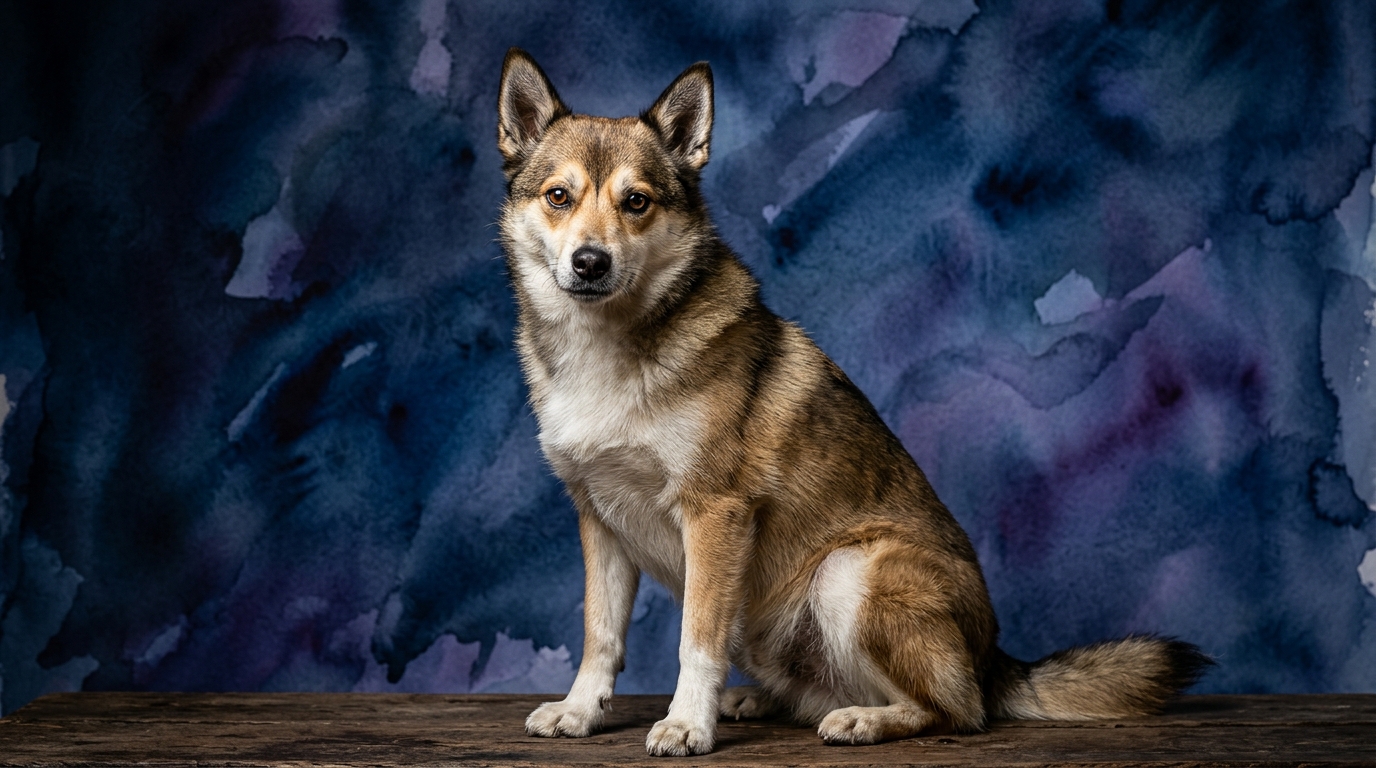
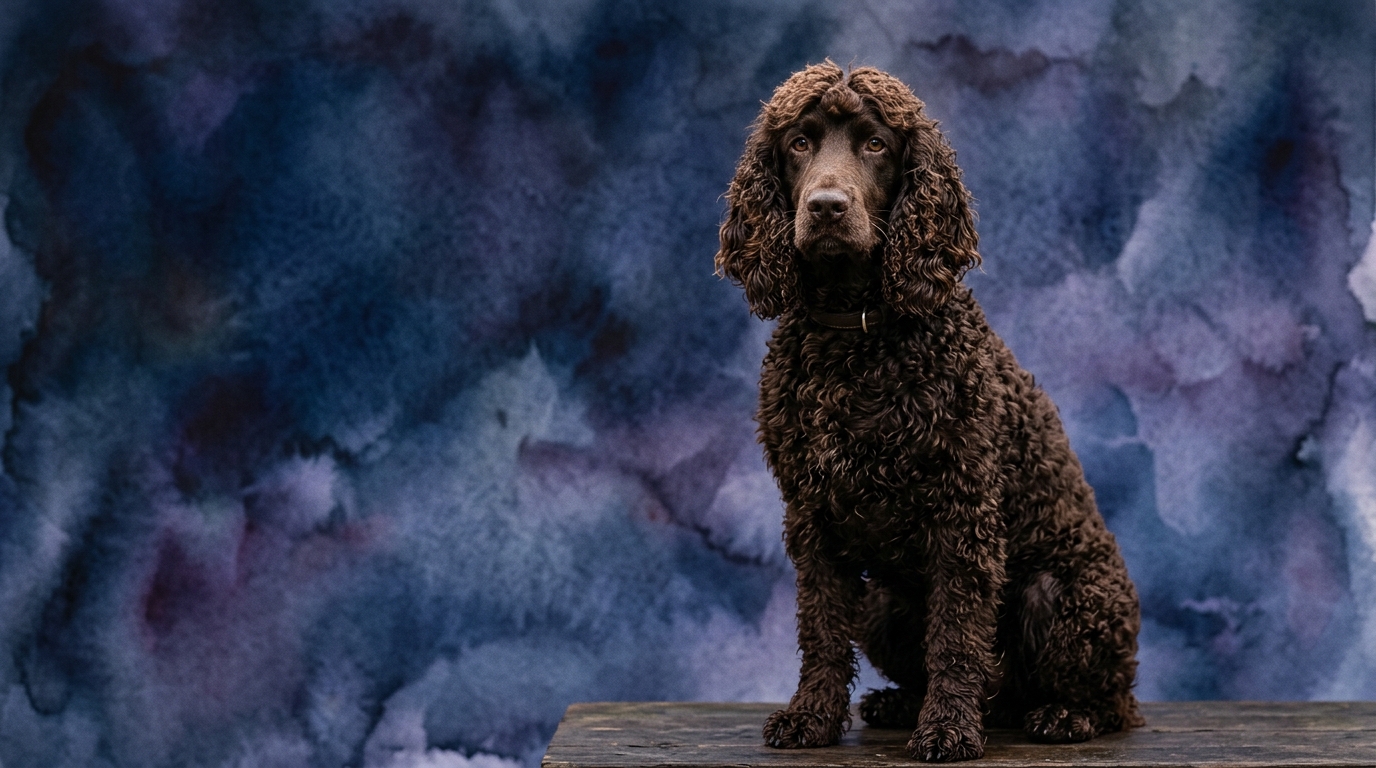
Side-by-Side IQ Profile: Lundehund vs. Irish Water Spaniel
The Cosmic Pet Pet IQ Lab assesses canine intelligence across five key dimensions, providing a nuanced view of each breed's cognitive makeup. For the Norwegian Lundehund, a Non-Sporting breed, we observe a consistent median performance across the board. Their Problem Solving is rated at 3/5, indicating a practical aptitude for navigating physical challenges, often linked to their unique anatomical flexibility. Training Speed is 3/5, suggesting they absorb new commands at a moderate pace, requiring consistent, patient guidance. Social Intelligence also stands at 3/5; they are observant within their family unit but can be reserved with strangers. Their Instinctive Drive, 3/5, is channeled into exploration and curiosity, rather than intense task orientation. Finally, Memory is 3/5, demonstrating a solid ability to recall routines and learned behaviors within familiar contexts.
In contrast, the Irish Water Spaniel, a Sporting breed with a Coren ranking of #24, exhibits a more pronounced aptitude in several areas. Their Problem Solving is rated 4/5, indicating a strong capacity for assessing situations and devising effective solutions, particularly in task-oriented scenarios. Training Speed is also 4/5, meaning they typically grasp new concepts and commands quickly and with enthusiasm. Social Intelligence matches the Lundehund at 3/5, showing devotion to family while maintaining a guarded demeanor with unfamiliar individuals. Their Instinctive Drive, 3/5, is notably focused on retrieving and water work, reflecting their heritage. A standout trait is their Memory, scoring 4/5, which points to an impressive capacity for retaining complex sequences and past experiences, making them highly reliable in repeated tasks.
Where the Norwegian Lundehund Wins Cognitively
The Lundehund's cognitive strengths are profoundly intertwined with its unparalleled physical attributes and ancient purpose. While its general problem-solving score is 3/5, the breed excels in a highly specialized form of spatial reasoning and bodily control. Their unique anatomy, featuring extra toes and highly flexible joints, allows them to navigate and access incredibly challenging, confined, or vertical environments — a skill honed over centuries of puffin hunting in rugged coastal cliffs. This isn't about devising abstract strategies, but about an exquisite understanding of their own body in space and how to manipulate it to overcome physical barriers. Their instinctive drive to explore and climb is a direct manifestation of this specialized cognitive ability to physically interact with and conquer complex terrains, a niche cognitive win distinct from more general canine problem-solving.
Where the Irish Water Spaniel Wins Cognitively
The Irish Water Spaniel demonstrates a superior capacity for rapid information processing and application, particularly within structured, task-oriented contexts. Their Coren ranking at #24 for working and obedience intelligence, coupled with higher scores in Problem Solving (4/5) and Training Speed (4/5), highlights their pronounced ability to understand human directives and execute them efficiently. They exhibit a remarkable aptitude for assessing dynamic situations, such as tracking game or retrieving objects in varied environments, and quickly formulating effective responses. Furthermore, their impressive Memory (4/5) ensures consistent performance and reliability in learned behaviors, allowing them to recall complex command sequences and adapt past experiences to new, similar challenges with greater fluidity and accuracy than many other breeds.
Which is Easier to Train and Why
The Irish Water Spaniel generally offers a more straightforward training experience due to its higher scores in Training Speed (4/5) and Memory (4/5). These dogs were specifically developed to work in close partnership with humans, fostering a strong desire to please and a quick uptake of new commands. Their responsiveness means they typically require fewer repetitions to master a skill and demonstrate reliable recall over extended periods. In contrast, the Norwegian Lundehund, with 3/5 in both Training Speed and Memory, often approaches training with more independence. Their history as solitary hunters meant they relied less on direct human commands, leading to a more deliberate and sometimes self-directed approach to learning. While certainly capable of learning, they demand a handler who is exceptionally patient and consistent, employing positive reinforcement to keep their inquisitive minds engaged, as their innate curiosity can sometimes outweigh immediate obedience.
Which Suits Active Owners vs. Relaxed Owners
For active owners seeking a canine partner for demanding activities, the Irish Water Spaniel is often the more suitable choice. As a Sporting breed, they possess an inherent drive for physical activity, particularly those involving water and retrieving. Their higher problem-solving and training speed scores also indicate a need for consistent mental stimulation through advanced training, dog sports, or engaging puzzle activities. They thrive when given a 'job' to do, whether it's field work, dock diving, or long, vigorous hikes that challenge their physical and mental stamina. Owners who enjoy frequent, structured outdoor adventures will find a highly motivated companion in the Irish Water Spaniel.
Conversely, the Norwegian Lundehund often aligns better with owners who prefer a more relaxed pace but still appreciate a dog with character. While they have an instinctive drive (3/5) for exploration and climbing, their overall exercise requirements are moderate compared to the IWS. They enjoy regular walks and opportunities to investigate their surroundings, but are generally content with less intense, structured activity. Belonging to the Non-Sporting Group, they don't typically demand a 'job' in the traditional sense, preferring to explore their environment at their own pace. Their independent nature also means they can be comfortable with periods of self-directed activity, making them a good fit for owners who appreciate a dog with a degree of self-sufficiency rather than constant direct engagement.
The Verdict
Choose the Norwegian Lundehund if you appreciate a dog with unique physical and spatial problem-solving skills, an independent spirit, and moderate exercise needs, enjoying exploration over intense structured activity. They suit owners who value curiosity and a dog that can navigate its world with self-reliance.
Opt for the Irish Water Spaniel if you seek a responsive, quick-learning companion eager to engage in structured tasks, particularly water-based activities or advanced obedience. They are ideal for active owners prepared to provide consistent mental and physical challenges, thriving on purpose and partnership.
🧠 Find Your Pet's IQ Score
Our Pet IQ Lab assessment covers 25+ tests across 5 cognitive dimensions — personalized to your breed.
Take the Full IQ Test →Frequently Asked Questions
Are Norwegian Lundehunds difficult to train?
Lundehunds are not inherently difficult, but their independent nature and deliberate processing mean they learn at a moderate pace (Training Speed 3/5). Consistency, patience, and positive reinforcement are key to successful training, as they thrive on engaging, positive methods.
How much exercise does an Irish Water Spaniel need?
Irish Water Spaniels require substantial daily exercise, including vigorous play, long walks, and ample opportunities to swim or retrieve. Their sporting heritage means they thrive on activities that challenge both their bodies and minds, preventing boredom and channeling their energy.
Which breed is better with children?
Both breeds can be good with children when properly socialized, but their temperaments differ. Irish Water Spaniels are often more boisterous and playful, enjoying active engagement, while Lundehunds can be more reserved and may prefer calmer interactions, especially with respectful children.