Side-by-Side Cognitive Profiles: A Deeper Look at Similar Scores
The Cosmic Pet Pet IQ Lab assesses canine intelligence across five dimensions: problem-solving, training speed, social intelligence, instinctive drive, and memory. While both the Norwich Terrier and the American Eskimo Dog register a consistent 3/5 across all these categories, understanding what a '3/5' truly means for each breed requires looking beyond the number and into their inherent characteristics.
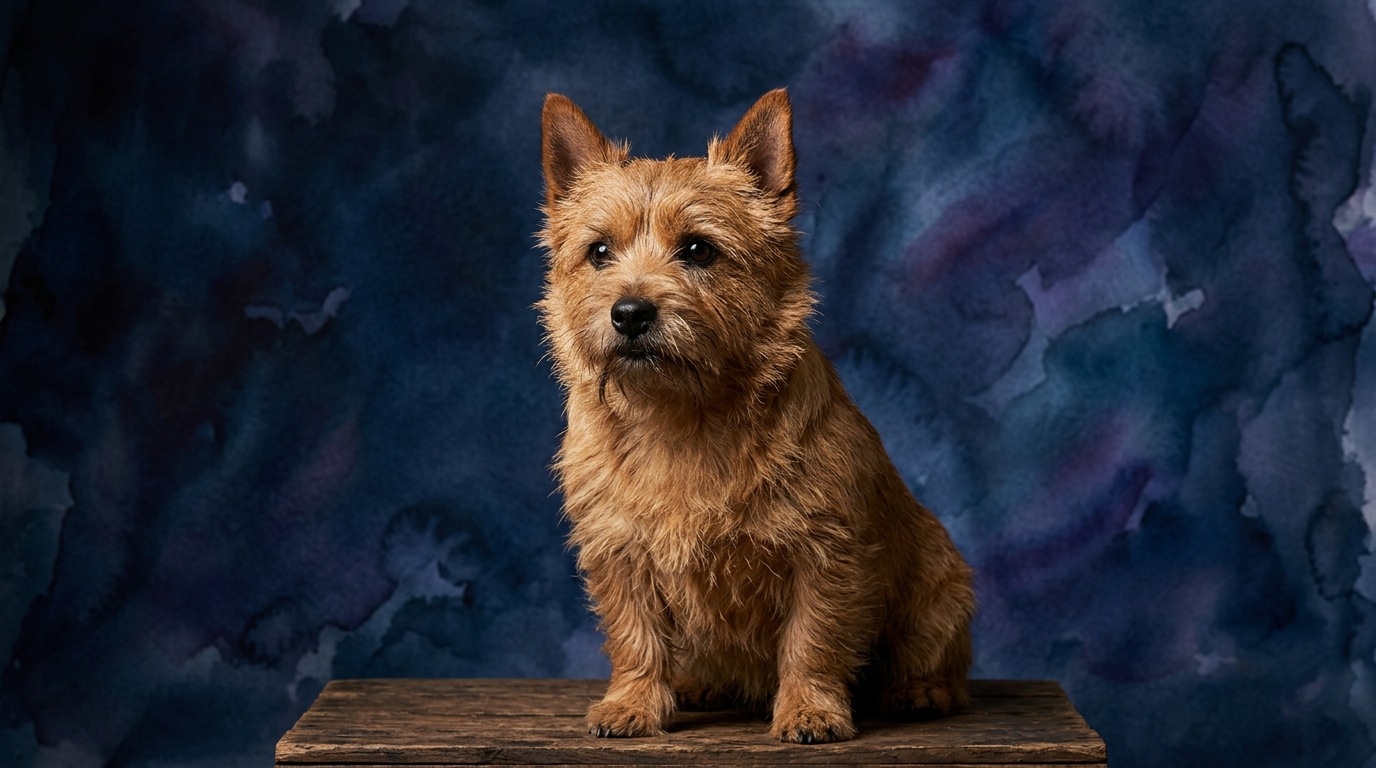
For the **Norwich Terrier**, a member of the tenacious Terrier group:
Their **Problem Solving (3/5)** acumen isn't about tackling abstract puzzles, but rather about practical, physical challenges. Imagine a Norwich confronted with a tight space where a favorite toy has rolled; their problem-solving manifests as persistent sniffing, pawing, and strategizing how to maneuver their compact body to retrieve it, often showing surprising ingenuity in manipulating objects or finding alternative routes. This is a direct echo of their historical role in navigating complex burrows, where quick, decisive choices were paramount.
Their **Training Speed (3/5)** indicates a moderate capacity for learning new commands and routines, often picking up on cues with reasonable repetition. However, their independent terrier spirit means they may quickly grasp what's expected but then choose to comply based on their own immediate interests or perceived value of the reward, sometimes displaying a charming stubbornness that requires a compelling incentive.
Their **Social Intelligence (3/5)** suggests a moderate understanding of human emotional states and social dynamics within their immediate family. They can be affectionate and attuned to their owners' moods, but might also exhibit typical terrier assertiveness, sometimes testing boundaries with other dogs or displaying reservedness towards strangers until trust is established.
Their **Instinctive Drive (3/5)** exhibits a moderate but discernible set of inherent behaviors tied to its terrier heritage, including a keen interest in chasing small scurrying things, a penchant for digging, and an alert vocalization. These drives are present and observable, contributing to their lively character, but are generally manageable with consistent guidance and appropriate outlets.
Their **Memory (3/5)** retains learned commands, routines, and experiences with moderate reliability. They remember past successes (and failures) in their problem-solving attempts and can recall specific people or places, contributing to their consistent character and habits, and often remembering where they last 'buried' a favorite toy.
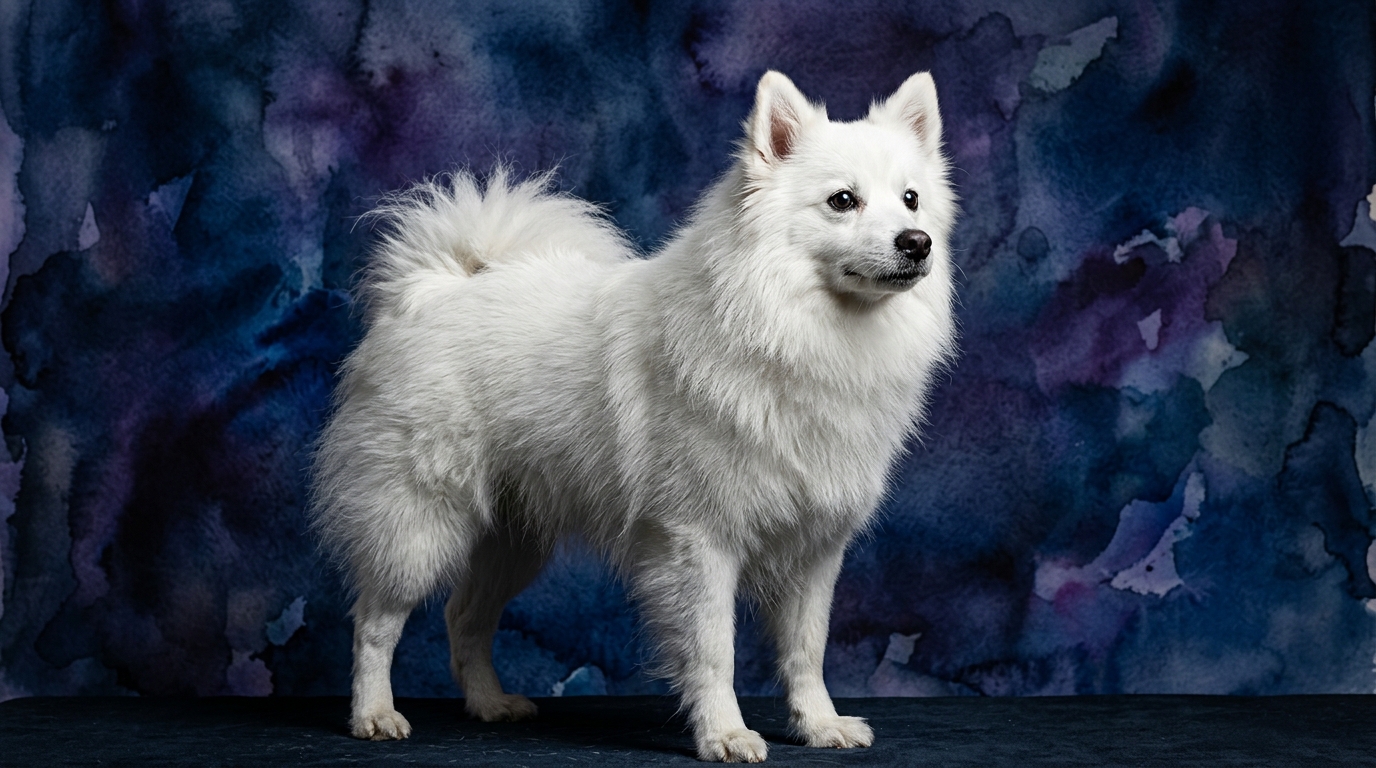
Now, let's consider the **American Eskimo Dog**, a charming companion from the Non-Sporting group:
For the American Eskimo Dog, a **Problem Solving (3/5)** score often presents itself through a keen observation of human behavior and household dynamics. They might not be tunneling after vermin, but they are adept at figuring out the precise sequence of events that leads to a walk, a treat, or a snuggle session. Their cognitive efforts are frequently directed towards understanding and influencing their social environment, perhaps learning to 'speak' on cue to get attention or creatively manipulating toys to encourage play. This pragmatic intelligence is rooted in their desire for companionship and engagement.
Their **Training Speed (3/5)** indicates they learn new behaviors at a moderate pace, capable of understanding and executing a range of commands. While generally eager to please their family, their independent Spitz nature can lead to moments of stubbornness, requiring engaging and positive reinforcement methods to maintain their focus and cooperation, particularly if they deem a task less rewarding than personal interaction.
Their **Social Intelligence (3/5)** possesses a moderate capacity for reading human emotions and social cues, often forming strong bonds with their primary caregivers and thriving on companionship. They can be quite sensitive to the family's mood, though they might also display a reserved or watchful demeanor towards unfamiliar individuals, reflecting their protective instincts.
Their **Instinctive Drive (3/5)** shows a moderate expression of inherent behaviors, including a strong tendency towards vocalization (barking, 'talking'), a natural alertness that makes them good watchdogs, and a desire to be part of their human 'pack.' These drives are integral to their character and require appropriate outlets for their energy and communication needs.
Their **Memory (3/5)** exhibits a moderate ability to recall learned behaviors, routines, and past interactions. They remember people, places, and specific training cues, contributing to their consistency in daily life and their capacity for building strong, lasting relationships, often anticipating daily events with enthusiasm.
Where the Norwich Terrier Excels Cognitively
Despite identical scores, the Norwich Terrier’s cognitive strengths often shine in areas requiring focused, physical persistence and an independent approach. Their problem-solving, while rated 3/5, is particularly adept when it involves spatial reasoning, such as navigating complex tunnels or figuring out how to access a hidden object through a series of obstacles. This is a direct echo of their historical role, where an individual terrier had to make quick, decisive choices underground, often without human direction. Their memory, also 3/5, can be particularly strong for recognizing patterns in their environment related to potential 'prey' or escape routes, demonstrating a practical application of recall. They might excel in scent work or earthdog trials, where their cognitive abilities are channeled into specific, driven tasks that reward their innate curiosity and physical dexterity. This breed's cognitive edge lies in its tenacity and resourceful application of intelligence to tangible, often challenging, physical environments.
Where the American Eskimo Dog Excels Cognitively
The American Eskimo Dog, also with 3/5 across the board, often demonstrates a different flavor of cognitive strength, leaning more towards social and observational intelligence. Their problem-solving, while rated 3/5, frequently manifests in understanding human routines and desires, such as figuring out the precise moment to nudge for attention or how to 'ask' for a walk using subtle cues. Their social intelligence (3/5) allows them to be highly attuned to the nuances of family dynamics, often anticipating moods and reacting with appropriate comfort or enthusiasm, making them exceptionally empathetic companions. This breed's memory (3/5) can be particularly sharp for recalling specific social interactions or learned cues that lead to positive human engagement, making them adept at 'reading the room' and adapting their behavior accordingly. They might excel in canine freestyle or trick training, where their cognitive abilities are used in a performative and interactive manner, showcasing their ability to learn and respond within a social context.
Ease of Training: Understanding Behavioral Drivers
Both breeds are rated 3/5 for training speed, suggesting a moderate learning curve. However, their inherent behavioral differences significantly impact the *ease* of training in practice. The American Eskimo Dog, a companion breed, generally possesses a stronger intrinsic desire to please its human family. While they can be stubborn—a common Spitz trait—their motivation often stems from deep attachment and a longing for interaction. This means consistent, positive reinforcement, coupled with engaging, varied sessions, often yields good results. They respond well to praise and attention, making them generally more cooperative if the trainer makes learning fun and rewarding, eager to maintain that positive social connection.
The Norwich Terrier, on the other hand, embodies the independent spirit of the terrier group. While capable of learning quickly (3/5 training speed), their primary motivation isn't always human approval. They are often driven by their own curiosity, instincts, or what *they* perceive as rewarding in the moment. This can translate into a 'what's in it for me?' attitude, or a tendency to get distracted by environmental stimuli if something more interesting catches their eye. Training a Norwich often requires more patience, creativity in motivation (high-value treats, exciting games), and a firm but fair hand that understands their strong will. They are not difficult to train, but they require a trainer who appreciates and can channel their self-assured nature, rather than expecting eager submission, and who can make training feel like a collaborative adventure rather than a command-and-obey session.
Matching Canine Cognition to Owner Lifestyles
The Norwich Terrier, despite its small size, is a robust and energetic dog. Its 3/5 instinctive drive, combined with its terrier heritage, means it benefits from regular physical activity and mental engagement. They thrive with owners who can provide daily walks, opportunities for off-leash exploration in secure areas, and interactive games that tap into their problem-solving and chasing instincts. Owners who enjoy agility, earthdog trials, or long hikes will find a willing companion, as the Norwich revels in using its body and mind to explore and accomplish tasks. A more relaxed owner might find the Norwich’s persistent energy and need for mental stimulation a bit overwhelming, potentially leading to boredom-induced behaviors like excessive barking or digging, as their active minds seek their own entertainment.
The American Eskimo Dog, while also active and playful, often expresses its 3/5 instinctive drive and energy in a more socially integrated manner. They require regular exercise, including walks and playtime, but their primary need is often to be *with* their people. They excel with owners who are active in the sense of including their dog in family activities, providing constant companionship, and engaging in interactive play and mental puzzles (like learning new tricks). They can adapt to a moderately active lifestyle, enjoying a good walk or a game of fetch, but are equally content snuggling on the couch after their needs are met, as long as they are part of the family unit. Owners who appreciate a dog that is deeply involved in family life and who can provide consistent attention and mental engagement will find the Eskie a rewarding fit. While they enjoy activity, they are less likely than a terrier to demand constant, high-intensity physical exertion, making them a better fit for owners who prioritize companionship and interactive engagement over rigorous outdoor pursuits.
The Verdict
Opt for a Norwich Terrier if you appreciate a spirited, independent companion who excels at practical, physical problem-solving and can keep up with an active, adventurous lifestyle, particularly if you're drawn to channeling their terrier instincts into engaging activities.
Select an American Eskimo Dog if you seek a highly social, companion-oriented dog who thrives on family interaction, displays nuanced social intelligence, and will flourish with owners who provide consistent engagement and mental stimulation in a deeply bonded relationship.
🧠 Find Your Pet's IQ Score
Our Pet IQ Lab assessment covers 25+ tests across 5 cognitive dimensions — personalized to your breed.
Take the Full IQ Test →Frequently Asked Questions
Are Norwich Terriers good with other pets?
Norwich Terriers, with their 3/5 social intelligence and instinctive drive, can coexist with other pets, especially if raised together from a young age. However, their terrier prey drive (instinctive drive 3/5) means small, scurrying animals might trigger their chasing instincts, so careful introductions and supervision are crucial to ensure harmonious living.
Do American Eskimo Dogs bark a lot?
American Eskimo Dogs do have a moderate tendency towards vocalization (instinctive drive 3/5), often using barking to communicate, alert, or express excitement. Consistent training and providing appropriate outlets for their energy and social needs can help manage this trait, but owners should expect a companion who is naturally quite communicative through sound.
How do both breeds handle being left alone?
Both breeds, with their 3/5 social intelligence and memory, generally thrive on companionship. The Norwich Terrier's independence might make it slightly more tolerant of solitude, but both can develop separation anxiety or boredom behaviors if left alone for extended periods without adequate mental and physical stimulation before and after, as they are dogs who value interaction.