
Side-by-Side IQ Profile: Unpacking Cognitive Dimensions
The Cosmic Pet Pet IQ Lab employs five distinct dimensions to map canine intelligence, offering a comprehensive view of how breeds process information and interact with their world. For the spirited Norwich Terrier, we observe a consistent pattern across the board: Problem Solving registers at 3/5, indicating a practical, often persistent approach to challenges, preferring hands-on exploration over abstract reasoning. Their Training Speed also stands at 3/5, suggesting they absorb commands at a moderate pace, often requiring consistent, patient repetition to solidify learning. Social Intelligence for the Norwich is 3/5, pointing to an ability to understand human cues and social dynamics, though perhaps with a characteristic terrier independence. Instinctive Drive, at 3/5, reflects their natural inclination towards hunting and exploring, a heritage of their vermin-catching past, manifesting as curiosity and determination. Finally, their Memory is 3/5, meaning they retain learned information and experiences reliably, but perhaps without the lightning-fast recall of some other breeds.
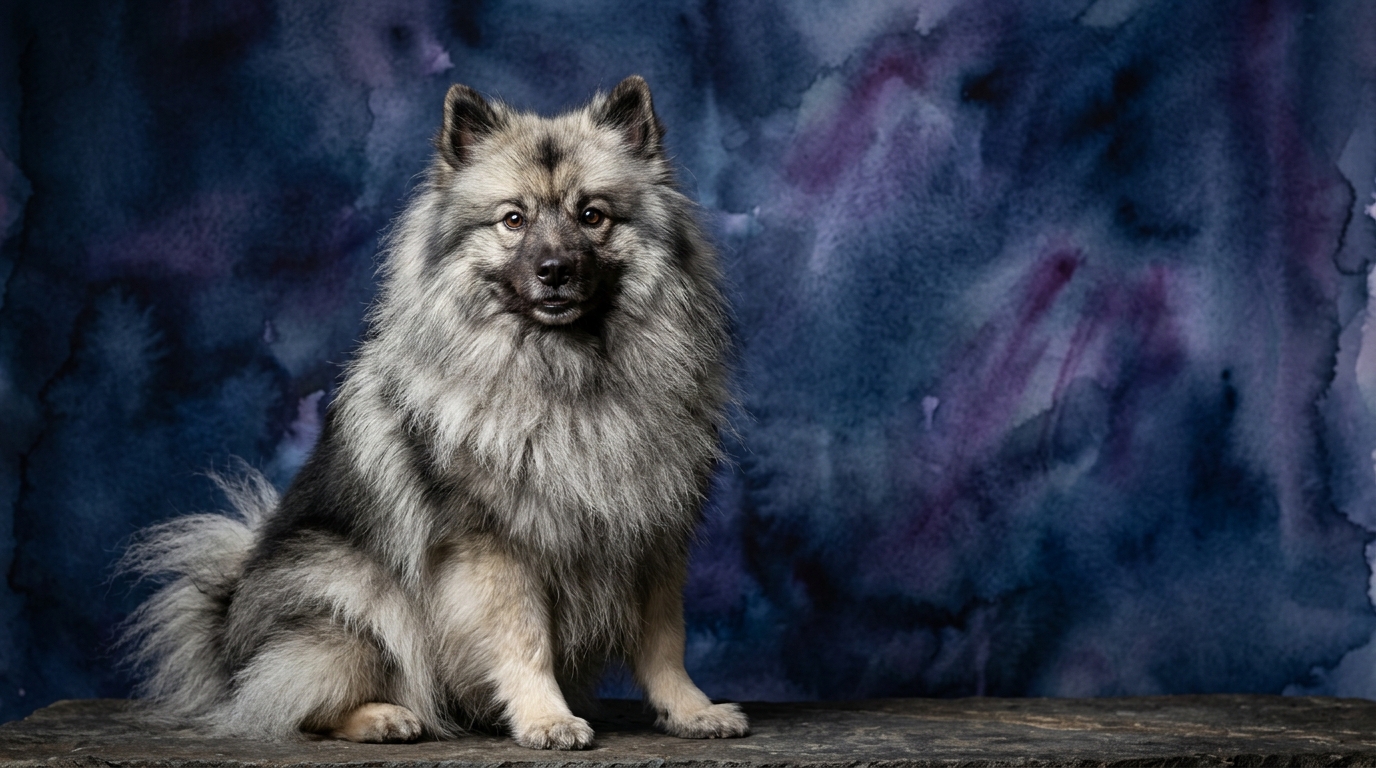
In contrast, the Keeshond presents a different cognitive signature, reflecting its role as a companion and watch dog. Its Problem Solving ability shines brighter at 4/5, indicating a more analytical and strategic approach to novel situations, often capable of figuring out multi-step puzzles with thoughtful consideration. Training Speed also excels at 4/5, suggesting a quicker grasp of new commands and a greater eagerness to please through cooperative learning. The Keeshond's Social Intelligence aligns with the Norwich at 3/5, demonstrating a similar capacity for reading human emotions and intentions, though perhaps with a greater emphasis on partnership. Their Instinctive Drive is also 3/5, reflecting a balanced blend of natural curiosity and vigilance without being overwhelmingly prey-driven. Where the Keeshond truly stands out is in its Memory, earning a remarkable 5/5. This perfect score signifies an exceptional capacity for retaining a vast array of information, from complex command sequences to the smallest details of daily routines, making them highly receptive to cumulative learning and consistent in their responses.
Where the Norwich Terrier Excels Cognitively
While the Keeshond boasts higher scores in several categories, the Norwich Terrier's cognitive strengths lie in its tenacious application of its moderate aptitudes, particularly within its instinctive framework. The Norwich's 3/5 in Problem Solving, combined with its 3/5 Instinctive Drive, translates into a robust, hands-on approach to challenges. They aren't necessarily the quickest to deduce a solution through abstract thought, but their persistent, trial-and-error method often leads to success. This means a Norwich might spend more time physically manipulating an object or exploring an environment to achieve a goal, rather than sitting back to strategize. For instance, a Norwich tasked with retrieving a toy from under furniture might try various angles, nudges, and pawing techniques until it succeeds, showcasing a practical, relentless determination. This isn't a deficiency; it's a distinct problem-solving style perfectly suited to their terrier heritage of independently navigating complex environments to flush out prey.
Furthermore, the consistent 3/5 across all dimensions for the Norwich suggests a balanced and predictable cognitive profile. Owners can rely on a certain level of practical intelligence and adaptability without encountering significant cognitive hurdles in any single area. Their 3/5 Social Intelligence, for example, means they are attuned to their human companions without being overly dependent or prone to anxiety from subtle cues. They possess a discerning awareness, choosing when to engage and when to pursue their own interests, reflecting a charming independence rather than a lack of understanding. This well-rounded, resilient cognitive makeup makes the Norwich Terrier a dependable and engaging companion for owners who appreciate a dog with a sturdy, self-reliant mind.
Where the Keeshond Shows Cognitive Dominance
The Keeshond clearly demonstrates cognitive superiority in three key areas, making it a particularly agile and retentive learner. Its Problem Solving score of 4/5 indicates a breed capable of more sophisticated reasoning than the Norwich Terrier. Keeshonds often approach new situations with a thoughtful, analytical perspective, quickly assessing variables and devising effective strategies. This means they are more likely to solve complex puzzles or navigate intricate sequences of commands with less trial-and-error, often anticipating outcomes. For example, a Keeshond might quickly understand the mechanics of a new dog puzzle, figuring out levers and sliding panels with a calculated approach, rather than relying solely on brute force or persistence.
The Keeshond's 4/5 Training Speed is another significant advantage, suggesting they pick up new commands and routines more rapidly and with greater enthusiasm. This quicker learning curve translates into a more efficient training process, where fewer repetitions are needed for a concept to stick. Coupled with their exceptional 5/5 Memory, the Keeshond becomes a powerhouse of retention. This superior memory allows them to recall a vast repertoire of commands, social protocols, and past experiences with remarkable accuracy, making them highly consistent in their responses once a lesson is learned. An owner teaching a Keeshond a multi-step routine will likely find the dog remembers the sequence faithfully over long periods, demonstrating a deep capacity for cumulative learning and reliable execution, which is a significant cognitive edge.
Training Aptitude: Which is Easier and Why?
Comparing the ease of training between the Norwich Terrier and the Keeshond reveals distinct differences rooted in their cognitive profiles and breed temperaments. The Keeshond, with its 4/5 Training Speed and unparalleled 5/5 Memory, generally presents as the easier breed to train for a wide variety of tasks. Their quicker grasp of new concepts means they can learn basic obedience commands, advanced tricks, or even complex agility sequences with fewer repetitions. This is supported by their strong memory, ensuring that once a lesson is learned, it is retained effectively over time, leading to highly consistent performance. Behavioral differences also play a role; Keeshonds, bred as companions and watchdogs, often possess a stronger desire to cooperate and please their human partners, making them highly receptive to positive reinforcement and eager to engage in training sessions.
The Norwich Terrier, with a 3/5 in both Training Speed and Memory, will require a more patient and persistent approach to training. While certainly capable of learning, they may take longer to solidify commands and might occasionally test boundaries, a common trait among terriers known for their independent spirit. Their moderate memory means that while they retain information, consistent reinforcement and regular practice are crucial to prevent skills from fading. A key behavioral difference is the Norwich’s strong independent streak and instinctive drive; they might be more easily distracted by environmental stimuli or prefer to follow their own nose rather than a command, especially if the command isn't immediately rewarding or engaging. Training a Norwich often requires creativity, short, fun sessions, and a very high-value reward system to maintain their focus and enthusiasm against their inherent terrier determination.
Lifestyle Suitability: Active vs. Relaxed Owners
Considering the cognitive profiles, both breeds can adapt to various lifestyles, but their innate tendencies might align better with specific owner types. The Keeshond, with its higher problem-solving ability, quicker training speed, and exceptional memory, often thrives with owners who enjoy mental engagement and structured activities. These dogs appreciate learning new things, participating in dog sports like agility or obedience, and engaging in interactive puzzle toys that challenge their analytical minds. While they possess a moderate instinctive drive, they are generally content with regular walks and interactive play, making them suitable for active owners who enjoy incorporating their dog into daily activities and continuous learning, but without the intense physical demands of a working breed. Their social intelligence also makes them excellent companions for owners who appreciate a dog deeply attuned to family dynamics and eager to participate in household life.
The Norwich Terrier, with its consistent 3/5 scores across the board and a robust instinctive drive, might appeal to owners who appreciate a dog with a spirited, independent character and a need for consistent, purposeful activity. While they don't necessarily demand complex mental challenges like the Keeshond, they thrive on opportunities to explore, sniff, and engage in activities that tap into their terrier instincts, such as earthdog trials or structured scent work. Their moderate training speed and memory mean that owners need to be committed to ongoing, engaging training that respects their independent nature. They are well-suited for active owners who enjoy regular, vigorous walks, outdoor adventures, and structured play that satisfies their curious and determined spirit. They can also suit more relaxed owners who understand the need for consistent, mentally stimulating outlets that don't necessarily involve advanced obedience, but rather channel their natural terrier zest for life in appropriate ways.
The Verdict
Choose the Norwich Terrier if you appreciate a resilient, independent companion with a practical, persistent approach to challenges and a balanced, sturdy cognitive profile.
Opt for the Keeshond if you seek a highly trainable, exceptionally retentive, and analytically sharp dog that thrives on mental engagement and cooperative learning.
🧠 Find Your Pet's IQ Score
Our Pet IQ Lab assessment covers 25+ tests across 5 cognitive dimensions — personalized to your breed.
Take the Full IQ Test →Frequently Asked Questions
Is a Norwich Terrier difficult to train due to its independence?
Norwich Terriers are capable learners, but their 3/5 Training Speed and independent terrier spirit mean they require consistent, positive reinforcement and engaging training methods. They may take longer to master commands compared to some breeds, but patience yields a well-mannered companion.
How does Keeshond's superior memory benefit owners?
A Keeshond's 5/5 Memory means they excel at recalling a vast array of commands, routines, and social cues, leading to highly consistent behavior once trained. This makes them reliable partners for complex tasks and ensures lessons learned tend to stick long-term.
Which breed is better for first-time dog owners?
The Keeshond's higher Training Speed and exceptional Memory generally make it a more forgiving and easier breed for first-time owners to train and manage. Norwich Terriers, while charming, might present more challenges for novice trainers due to their independent nature and moderate training aptitude.