Side-by-Side Cognitive Profiles: Norwich Terrier vs. PBGV
The Cosmic Pet IQ Lab’s 3/5 rating for all five cognitive dimensions suggests a balanced, moderate level of cognitive function for both breeds, yet their application of these faculties is profoundly different, shaped by their distinct histories and primary drives.
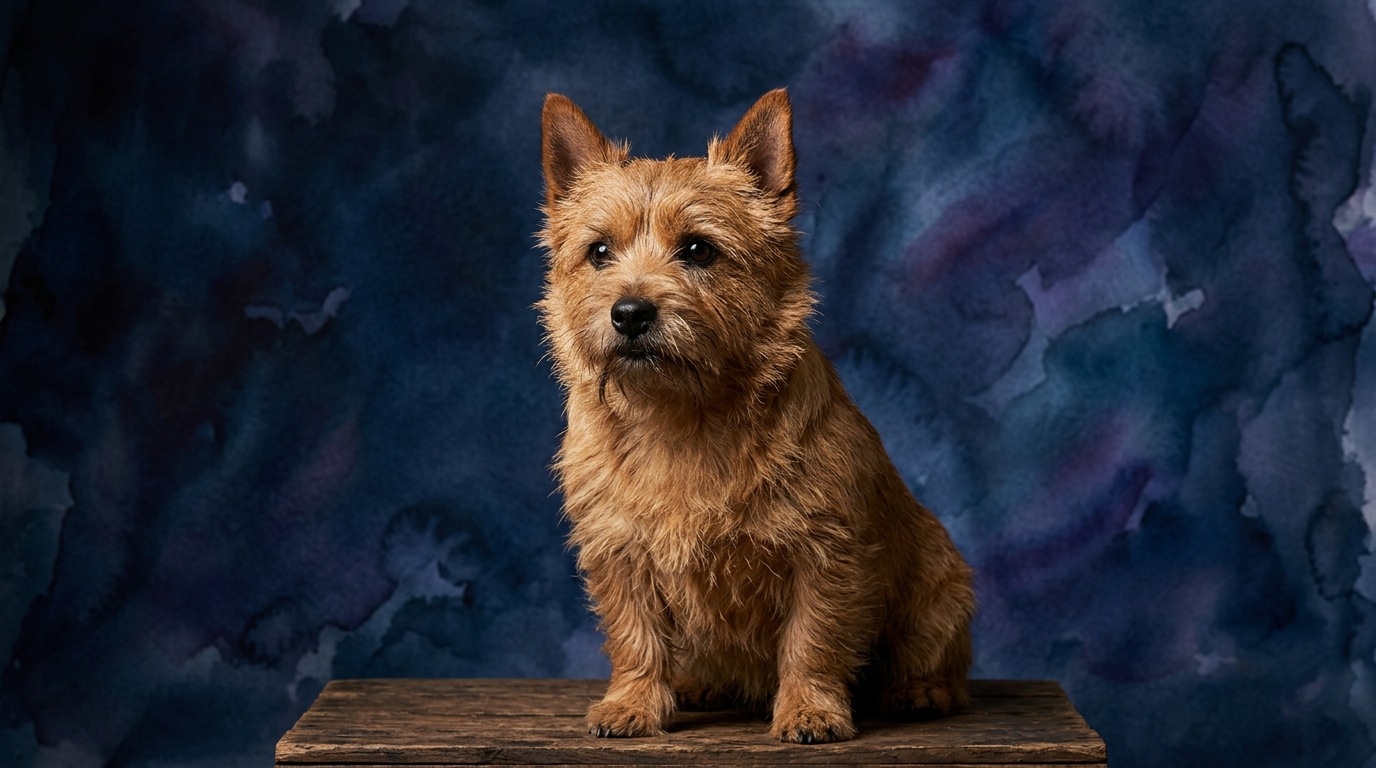
For the Norwich Terrier, a tenacious and independent terrier, their Problem Solving (3/5) manifests as an active, trial-and-error approach, relying on physical dexterity and persistent digging to overcome obstacles like retrieving a hidden toy. Their Training Speed (3/5) is moderate; they learn quickly when motivated, but their self-assured nature means they can be selective about when to apply that knowledge, often weighing rewards against immediate desires. Social Intelligence (3/5) sees them adept at reading human emotions and navigating dog dynamics within their family, though their confident nature requires careful introductions. Their Instinctive Drive (3/5) is a robust prey drive, compelling them to chase small critters with enthusiasm. Memory (3/5) is practical, aiding their problem-solving and instinctive pursuits by recalling routines and environmental layouts.
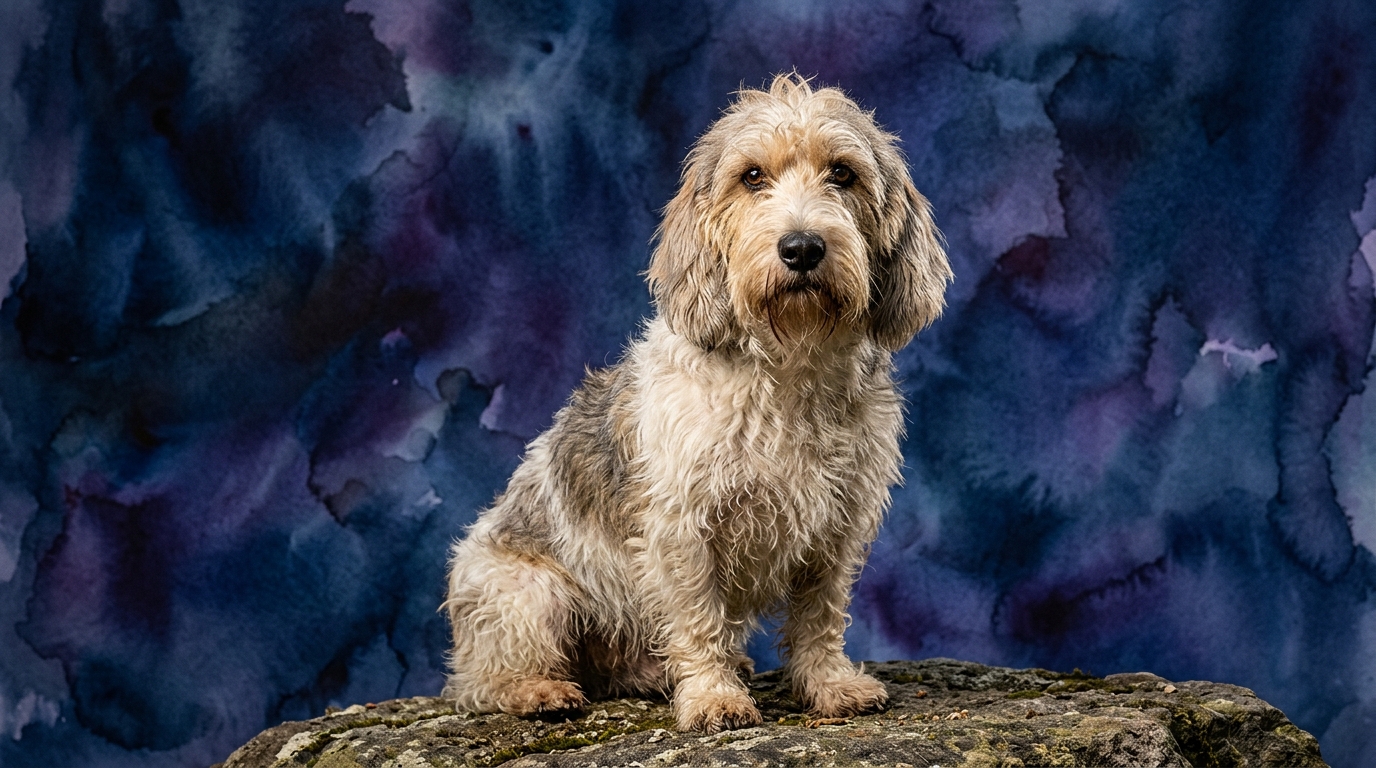
The Petit Basset Griffon Vendéen (PBGV), a cheerful and scent-driven hound, approaches Problem Solving (3/5) with a methodical, olfactory focus. They excel at following complex scent trails, piecing together sensory information from their nose to locate a target, a specialized form of practical, sensory-based problem-solving. Training Speed (3/5) is also moderate, but their profound instinctive drive means a compelling scent can easily override their attention, leading to "selective hearing." Social Intelligence (3/5) is strong in pack-like environments; they are good at reading social cues, eager to please, and thrive on companionship. Their Instinctive Drive (3/5) is overwhelmingly centered on scent work, guiding their actions and perceptions with relentless determination. Memory (3/5) is excellent for scent trails and locations associated with interesting smells, a crucial asset for their original purpose as hunting dogs.
Where the Norwich Terrier Excels Cognitively
While both breeds score equally in problem-solving, the Norwich Terrier often demonstrates a quicker cognitive pivot in novel, non-scent-related situations. Their terrier tenacity translates into an immediate, hands-on approach to overcoming physical obstacles or manipulating objects to their advantage, like devising a strategy to open a tricky gate. This agile, adaptive problem-solving prioritizes immediate environmental manipulation. Their social intelligence, while rated the same, often manifests as a more nuanced understanding of complex household dynamics, allowing them to subtly influence situations or individuals to their benefit within a domestic setting.
Where the Petit Basset Griffon Vendéen Excels Cognitively
Conversely, the Petit Basset Griffon Vendéen's cognitive strengths shine brightest when their profound instinctive drive for scent work is engaged. Their ability to discriminate between complex odors and follow a trail with unwavering focus represents a specialized form of problem-solving. This involves processing intricate sensory data, holding it in memory, and making logical deductions based on scent patterns to navigate a confusing environment. Their social intelligence, while also 3/5, excels in cooperative pack-like scenarios, making them exceptional at working alongside other dogs or handlers in shared pursuits like tracking.
Training Dynamics: Independence vs. Instinct
Both breeds share a 3/5 rating for training speed, yet the *nature* of their training challenges differs significantly. The Norwich Terrier, with its independent and sometimes stubborn streak, requires an owner who can make training sessions consistently engaging and rewarding. They learn quickly when motivated, but their self-assured nature means they might choose to ignore a command if a more interesting alternative arises, requiring firm but fair consistency. Their social intelligence means they understand expectations, but their terrier drive might occasionally prioritize their own agenda. The Petit Basset Griffon Vendéen, while eager to please, faces a constant battle with its overwhelming scent drive. A PBGV can grasp a command swiftly, but an enticing odor can instantly hijack their attention. Training a PBGV demands immense patience, a highly controlled environment, and innovative methods to compete with a compelling scent. Therefore, while both require dedication, the PBGV's training is more about managing environmental distractions, whereas the Norwich's is about channeling their independent will.
Lifestyle Match: Active Engagement vs. Olfactory Adventure
The choice between these breeds largely hinges on an owner's lifestyle. The Norwich Terrier, despite its compact size, is a robust and energetic dog requiring regular physical activity and substantial mental stimulation. They thrive with owners who provide consistent routines, engage them in interactive play, and offer problem-solving opportunities through games or agility. While adaptable to apartment living, they are not suited for purely relaxed owners; their instinctive drive and problem-solving minds need an outlet to prevent boredom. They need an active owner who appreciates an independent streak and family involvement. The Petit Basset Griffon Vendéen, on the other hand, demands a truly active owner who embraces their hound nature. Their powerful instinctive drive for scent work means they need daily opportunities to follow their nose in a safe, secure environment. A leisurely stroll is insufficient; they need to "work" their nose through scent games, controlled off-leash exploration, or dog sports like tracking. Owners preferring a relaxed companion will find the PBGV's persistent need for olfactory adventure challenging. They are best suited for owners who enjoy outdoor activities and accommodate a dog whose world revolves around scent exploration and vigorous exercise.
The Verdict
Choose the Norwich Terrier if you appreciate a compact, tenacious companion with a quick, independent mind, perfect for an active household that values interactive play and consistent, engaging training methods.
Opt for the Petit Basset Griffon Vendéen if you are an adventurous owner eager to accommodate a dog whose world is driven by scent, prepared for vigorous outdoor activities and specialized training to manage their powerful tracking instincts.
🧠 Find Your Pet's IQ Score
Our Pet IQ Lab assessment covers 25+ tests across 5 cognitive dimensions — personalized to your breed.
Take the Full IQ Test →Frequently Asked Questions
Do Norwich Terriers and PBGVs shed much?
Norwich Terriers have a wiry double coat that sheds minimally but requires regular hand-stripping or professional grooming to maintain. Petit Basset Griffon Vendéens have a harsh, rough coat that sheds moderately and also benefits from regular brushing and occasional hand-stripping to keep it healthy and free of mats.
Are these breeds good with children or other pets?
Norwich Terriers generally do well with respectful children and can coexist with other pets if socialized early, though their prey drive means small, fast-moving critters might be viewed as quarry. PBGVs are typically cheerful and outgoing with children and often thrive in multi-dog households due to their pack-oriented social intelligence, but their strong prey drive can also be a factor with smaller non-canine pets.
What are the key differences in their exercise needs, given their similar IQ scores?
While both require activity, the Norwich Terrier needs varied physical and mental challenges to satisfy its problem-solving mind and terrier drive. The Petit Basset Griffon Vendéen's exercise is primarily driven by its powerful scent instinct, demanding opportunities for extensive sniffing and tracking in secure areas to truly fulfill its cognitive and physical needs.