A Closer Look at Their Cognitive Profiles
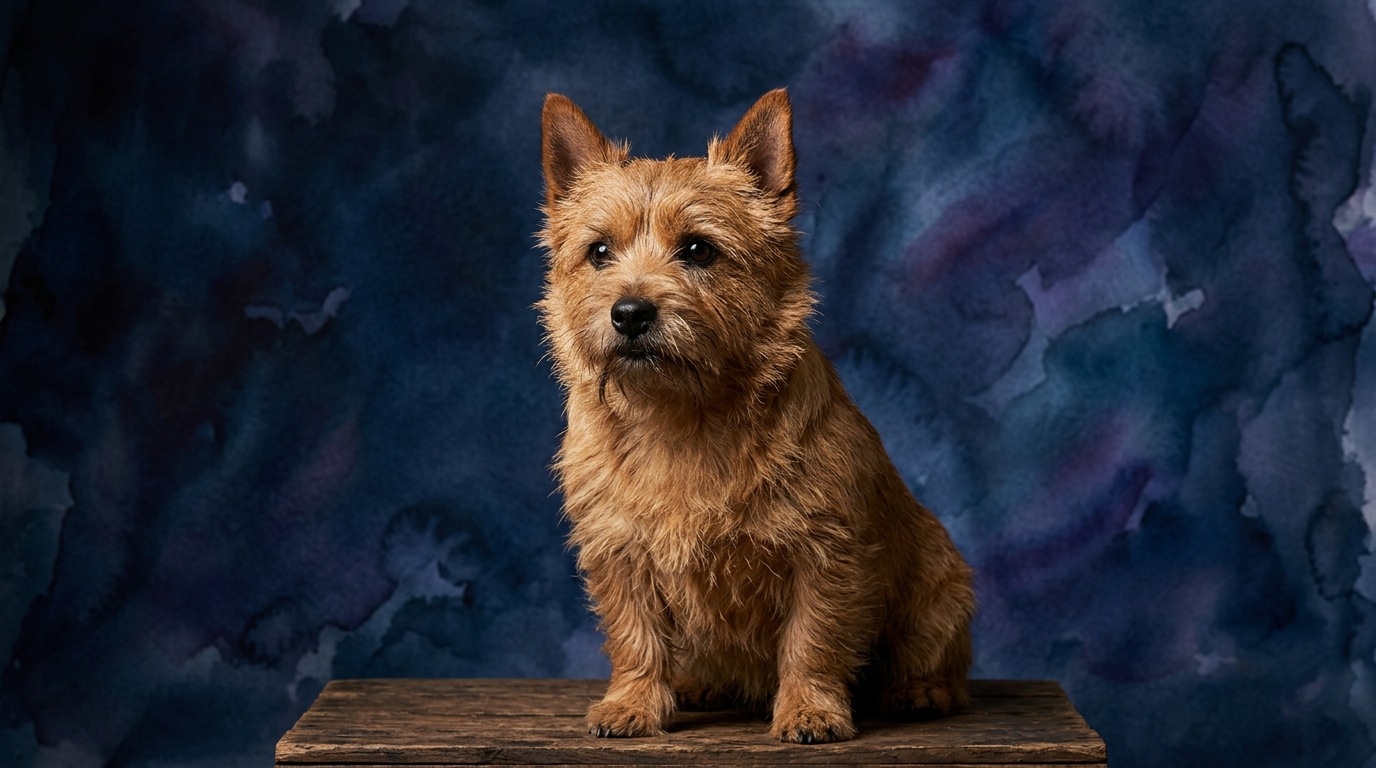
Despite matching 3/5 scores for Problem Solving and Memory, these traits manifest differently in each breed. The Norwich Terrier’s problem-solving often involves figuring out how to access small spaces, manipulate objects, or outwit perceived obstacles to a goal, typically related to prey drive or acquiring a desired item. Their memory is robust for routines, people, and places, allowing them to recall learned solutions and consistent experiences.
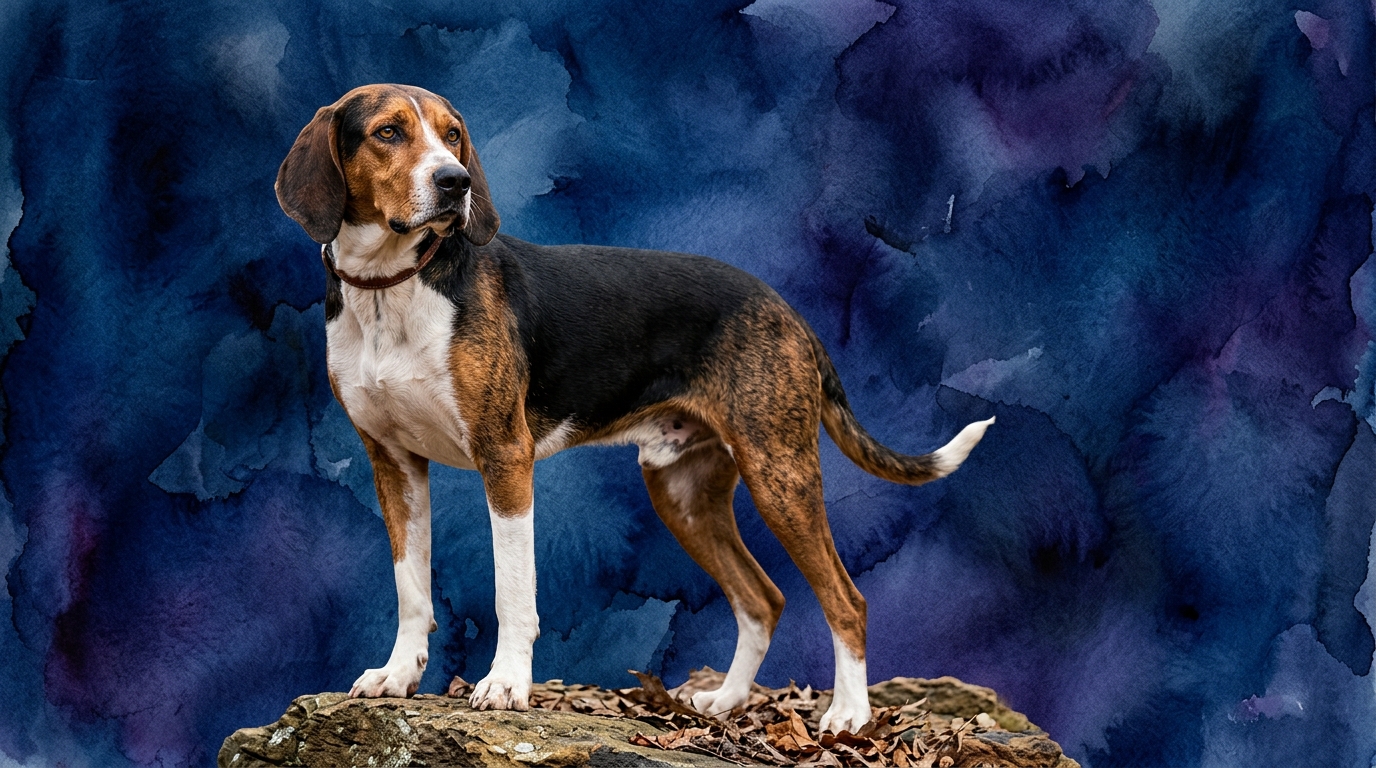
The Treeing Walker Coonhound’s problem-solving is deeply rooted in scent work and navigation. They excel at deciphering complex scent trails, overcoming environmental challenges like varied terrain, and maintaining focus on a distant target. Their memory is exceptional for scent patterns and geographical layouts, allowing them to retrace steps or remember locations where scents were previously encountered.
When it comes to Training Speed and Social Intelligence, both breeds score 3/5, but the underlying mechanisms vary. The Norwich Terrier learns steadily with consistent, positive reinforcement, especially when motivated by play or food, yet retains an independent streak. Their social intelligence involves keen observation of human emotions and household dynamics; they understand social cues and are quite attuned to their family's moods. The Treeing Walker Coonhound's learning speed is moderate, but their strong scent drive can make them appear less responsive when actively engaged in tracking. Socially, they are typically amiable and group-oriented, understanding pack hierarchy and enjoying companionship, though their focus can quickly shift to an interesting scent regardless of social context. Finally, their 3/5 Instinctive Drive also diverges: the Norwich possesses a strong terrier drive for digging, chasing, and "dispatching" small critters, fueling persistent exploration, while the Treeing Walker Coonhound is dominated by an intense scent-tracking drive, compelling them to follow trails for long distances, baying to alert their presence.
Where the Norwich Terrier's Mind Shines
The Norwich Terrier's 3/5 problem-solving manifests as a distinct advantage in navigating the human home environment. Their tenacity and compact size mean they are adept at figuring out how to retrieve fallen toys from tight spaces, open cabinets (if not secured), or creatively reach desired items. This is a practical, object-oriented intelligence, fueled by their independent spirit and terrier drive to 'get to it.'
Their 3/5 social intelligence allows them to be highly interactive and responsive within a family setting. They are quick to pick up on household routines and emotional nuances, making them engaging companions who can anticipate needs or react appropriately to a family member's mood. While they possess an independent streak, their keen awareness of their immediate human 'pack' fosters a strong bond and facilitates a different kind of cooperation than a hound's pack dynamic.
Where the Treeing Walker Coonhound's Intellect Excels
The Treeing Walker Coonhound's 3/5 problem-solving truly comes alive in complex, outdoor environments. Their cognitive strength lies in their ability to process and interpret intricate scent information, discerning specific trails amidst countless others and navigating varied terrain with unwavering focus. This isn't about manipulating objects, but about sophisticated sensory analysis and persistent, long-term pursuit, a testament to their specialized hunting heritage.
Their 3/5 instinctive drive is not just a compulsion, but a highly refined cognitive skill. This drive translates into an incredible capacity for sustained focus and endurance, allowing them to maintain a mental map of a vast, scent-rich landscape for hours. While a Norwich might solve a quick puzzle, the Coonhound solves a continuous, evolving puzzle over miles, demonstrating a remarkable form of sustained cognitive engagement and spatial memory tied directly to their primary purpose.
Ease of Training: A Tale of Two Motivations
Both breeds share a 3/5 training speed, but the path to achieving trained behaviors differs significantly. The Norwich Terrier, while possessing an independent terrier spirit, is often motivated by interactive play and food rewards. Their focus is generally on their immediate human companion, making them receptive to learning commands that offer a clear payoff. However, their stubborn streak means consistency and firm, fair leadership are crucial to prevent them from deciding their own rules.
The Treeing Walker Coonhound's training journey is heavily influenced by their powerful scent drive. While capable of learning commands, their attention can be abruptly commandeered by an enticing scent, making recall particularly challenging in unfenced areas. Training success hinges on competing effectively with this primal instinct, often requiring high-value, novel rewards and an understanding that their nose will often dictate their priorities. Owners must be patient, persistent, and creative in making training more compelling than the call of the trail.
Matching Cognitive Profiles to Lifestyles
For owners seeking an engaging companion who thrives on human interaction and adaptable activities, the Norwich Terrier's cognitive profile aligns well. Their intelligence lends itself to learning tricks, participating in agility, or simply enjoying interactive play within a smaller living space. They suit active owners who enjoy mental games and daily walks, but can also adapt to more relaxed indoor periods, provided they receive sufficient mental engagement to prevent boredom-driven behaviors like excessive barking or digging. Their compact size and alertness make them excellent companions for varied lifestyles.
The Treeing Walker Coonhound, conversely, demands an owner whose lifestyle revolves around extensive outdoor activity and an appreciation for their specialized scenting abilities. Their cognitive strengths are best utilized when they have opportunities for long walks, runs, or even scent work games in secure, spacious environments. They are not suited for purely relaxed owners; their intense instinctive drive and need for physical and mental stimulation mean a sedentary life would lead to frustration and destructive behaviors. They thrive with owners who understand and can channel their hound nature into productive outlets.
The Verdict
Choose the Norwich Terrier if you seek a compact, tenacious companion who thrives on interactive engagement, adapts well to various home environments, and provides constant amusement with their problem-solving antics and keen social awareness.
Choose the Treeing Walker Coonhound if you are an active, dedicated owner prepared to provide extensive outdoor exercise, channel their powerful scenting instincts, and appreciate a vocal, enduring partner for adventures in open spaces.
🧠 Find Your Pet's IQ Score
Our Pet IQ Lab assessment covers 25+ tests across 5 cognitive dimensions — personalized to your breed.
Take the Full IQ Test →Frequently Asked Questions
Which breed is better suited for apartment living?
The Norwich Terrier is generally better suited for apartment living due to their smaller size and adaptability to indoor activities, provided they receive regular mental stimulation and walks. The Treeing Walker Coonhound's strong vocalizations, substantial exercise needs, and intense scent drive make apartment life challenging for both the dog and neighbors.
How do their social intelligence scores (3/5) translate to interactions with other pets?
For the Norwich Terrier, their 3/5 social intelligence can mean they are selective and sometimes assertive with other dogs, especially smaller ones due to their prey drive, but can coexist peacefully with proper introductions. Treeing Walker Coonhounds, with their pack-oriented nature, often do well with other dogs, viewing them as part of their social group, though their prey drive might challenge cohabitation with small, non-canine pets.
What kind of mental enrichment is most effective for each breed given their identical IQ scores?
For the Norwich Terrier, puzzle toys, interactive games like fetch or hide-and-seek, and learning new tricks effectively engage their problem-solving and memory. For the Treeing Walker Coonhound, scent games, 'find it' exercises in large yards, and structured tracking activities are paramount to satisfying their deep instinctive drive and leveraging their specialized cognitive abilities.