
Side-by-Side IQ Profile: Toller vs. Terrier
The Cosmic Pet Pet IQ Lab assesses canine intelligence across five key dimensions, offering a nuanced understanding of each breed's cognitive architecture. For the Nova Scotia Duck Tolling Retriever, we observe a balanced profile, consistently registering a 3/5 across all categories. Their Problem Solving ability at 3/5 indicates they are capable of navigating straightforward challenges and understanding cause-and-effect relationships, though complex, multi-step puzzles might require more time or guidance. A Training Speed of 3/5 suggests they are receptive to learning new commands and routines, achieving proficiency with consistent, patient instruction. Social Intelligence also at 3/5 means they are generally attuned to human cues and social dynamics, capable of forming strong bonds and understanding appropriate interaction within a family unit. Their Instinctive Drive, also 3/5, reflects their heritage as working dogs with a moderate but present urge to retrieve and engage in purposeful activity. Finally, a Memory score of 3/5 indicates they retain learned behaviors and recall past experiences reliably over time, though perhaps not with the instantaneous precision of some higher-scoring breeds.
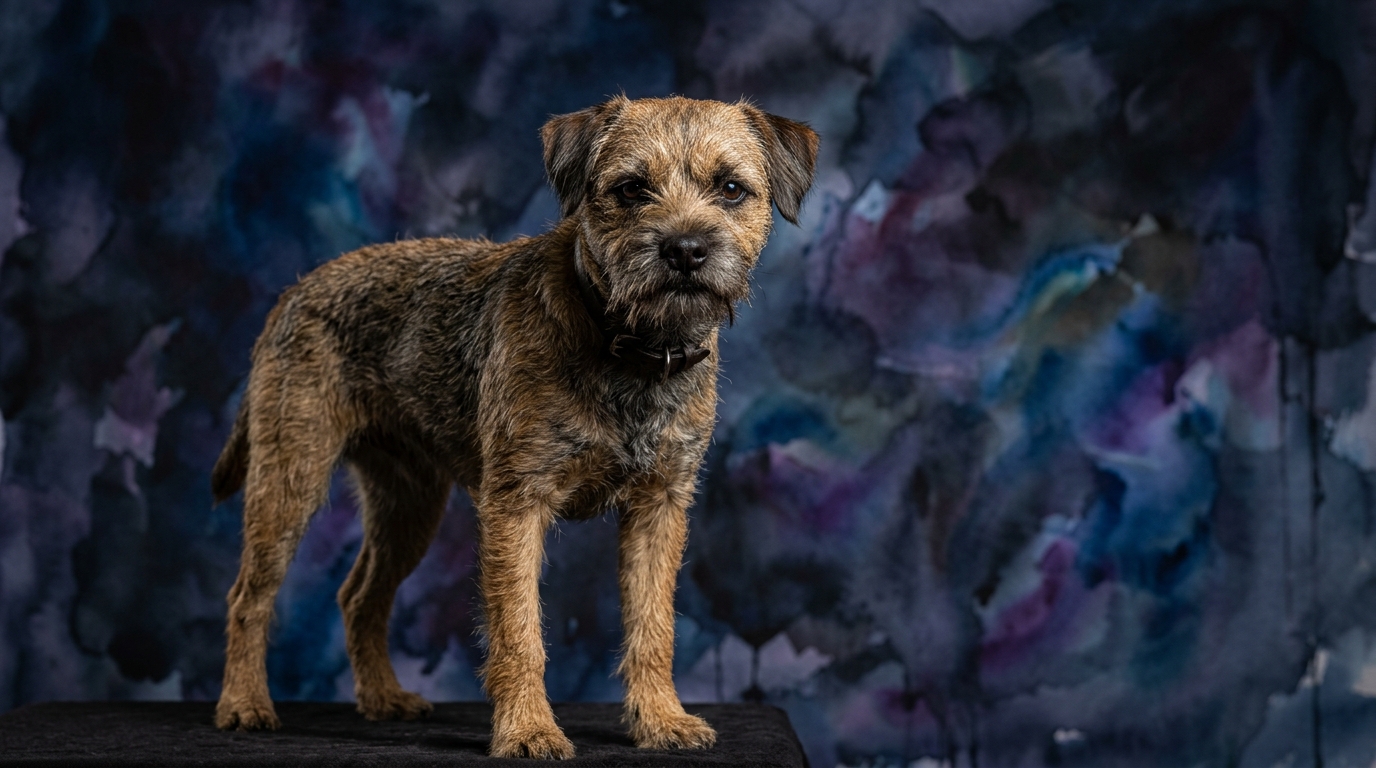
In contrast, the Border Terrier presents a slightly different cognitive landscape, marked by several higher scores. Their Problem Solving capability shines at 4/5, demonstrating a keen aptitude for figuring out intricate puzzles, devising strategies, and overcoming obstacles independently. This often manifests as cleverness in navigating their environment or achieving desired outcomes. A Training Speed of 4/5 means Border Terriers typically pick up new commands and routines with impressive swiftness, often requiring fewer repetitions to solidify learning. Their Social Intelligence aligns with the Toller at 3/5, indicating a good understanding of social cues and a capacity for connection, though their independent terrier spirit might temper overt displays of deference. Instinctive Drive is also 3/5, reflecting their strong prey drive and desire to explore, dig, and hunt, a core part of their terrier identity. Where they truly stand out is in Memory, scoring 4/5. This suggests Border Terriers possess a robust ability to recall past lessons, locations, and experiences, contributing to their quick learning and adaptability. It's also worth noting the Border Terrier holds a Coren rank of #30, placing them within the top tier for working intelligence and obedience, a distinction the Toller does not carry in this specific ranking system.
Where the Nova Scotia Duck Tolling Retriever Wins Cognitively
While the Border Terrier edges out the Toller in several individual dimensions, the Nova Scotia Duck Tolling Retriever's cognitive strength lies in its remarkable balance and cooperative aptitude. Their consistent 3/5 across all IQ dimensions—Problem Solving, Training Speed, Social Intelligence, Instinctive Drive, and Memory—creates a highly adaptable and predictable companion. This means a Toller is less likely to present extreme challenges in any one area; they are not prone to excessive independent problem-solving that might lead to mischief, nor do they typically struggle with basic training or social cues. Their 3/5 Social Intelligence, coupled with their instinctive retrieving drive, makes them exceptionally eager to work *with* their human partners. This cooperative spirit is a distinct cognitive advantage for owners seeking a dog that thrives on shared activities and collaboration, rather than one that might prefer to figure things out on its own. They embody a harmonious blend of mental faculties, making them excellent partners for activities like obedience, agility, and, of course, their namesake retrieving tasks, where working in sync with a handler is paramount.
Where the Border Terrier Wins Cognitively
The Border Terrier's cognitive profile showcases distinct strengths in areas demanding quick wit and retention. Their 4/5 in Problem Solving allows them to independently assess situations and devise solutions, whether it's figuring out how to open a gate or navigating a complex scent trail. This translates to a dog that is often resourceful and capable of self-directed tasks. Coupled with a 4/5 in Training Speed, they absorb new information and commands rapidly, often mastering complex sequences with fewer repetitions than many other breeds. This quick uptake is a significant advantage for owners who enjoy teaching a wide variety of tricks, advanced obedience, or competitive dog sports where speed of learning is crucial. Furthermore, their 4/5 Memory score ensures that these lessons are retained effectively over time, building a robust behavioral repertoire. The Border Terrier's cognitive wins highlight a sharp, agile mind that excels at rapid acquisition and application of knowledge, making them formidable competitors in dog sports and highly engaging companions for those who appreciate a mentally nimble partner.
Which is Easier to Train and Why
When it comes to ease of training, the Border Terrier generally holds an advantage, primarily due to its superior scores in Training Speed (4/5) and Memory (4/5). These higher ratings mean that Border Terriers typically grasp new commands and concepts more quickly and retain that information more effectively than Nova Scotia Duck Tolling Retrievers, who score 3/5 in both categories. A Border Terrier's keen problem-solving ability also contributes to their trainability; they are often quicker to understand the 'why' behind a command or the sequence required to achieve a reward. This translates to fewer repetitions needed during training sessions and a faster progression through different skill levels. For instance, teaching a Border Terrier a complex multi-step retrieve might take fewer sessions to solidify than with a Toller, as the Terrier's memory and quick uptake allow for more rapid chaining of behaviors.
However, the Toller's 3/5 in Social Intelligence and its cooperative nature mean it is generally eager to please and work alongside its handler. While they may take a bit longer to master a new skill compared to the Border Terrier, their willingness to engage in a partnership can make the training process enjoyable and rewarding. The Border Terrier, despite its rapid learning, possesses a 3/5 Instinctive Drive that includes a strong independent streak and prey drive, characteristic of terriers. This means while they learn fast, they might occasionally choose to prioritize their own interests (like chasing a squirrel) over a handler's command if not consistently reinforced. The Toller's retrieving drive is also 3/5, but it's typically directed towards working with a human, making their focus potentially more consistent in a structured training environment. Ultimately, both breeds are trainable, but the Border Terrier offers a quicker learning curve, while the Toller offers a more consistently cooperative temperament.
Which Suits Active Owners vs. Relaxed Owners
Neither the Nova Scotia Duck Tolling Retriever nor the Border Terrier are ideally suited for truly 'relaxed' owners in the sense of a low-energy, minimal-engagement companion. Both breeds originate from working backgrounds and possess significant mental and physical exercise requirements. However, their specific cognitive profiles suggest different types of 'active' engagement. The Nova Scotia Duck Tolling Retriever, with its balanced 3/5 scores across the board, particularly in Instinctive Drive and Problem Solving, thrives with owners who enjoy structured activities. They are excellent partners for activities like dock diving, agility, obedience, and especially retrieving games, where their cooperative nature and moderate drive can be channeled. They require consistent physical exercise and mental stimulation, but their problem-solving and independent decision-making are not as pronounced as the Border Terrier, making them potentially more predictable in their energy outlets. They need an active owner who is willing to engage them in purposeful, shared tasks.
The Border Terrier, with its 4/5 Problem Solving and 4/5 Training Speed, demands a more mentally stimulating and varied active lifestyle. Owners who enjoy teaching complex tricks, engaging in advanced dog sports like earthdog trials, or solving intricate puzzle games will find the Border Terrier's sharp mind incredibly rewarding. Their 3/5 Instinctive Drive, coupled with their higher cognitive scores, means they need outlets for their curiosity and terrier tenacity. They can become bored or destructive if their active minds are not adequately challenged with new scenarios and opportunities to 'figure things out.' Therefore, they are best suited for owners who are not only physically active but also committed to providing consistent and diverse mental enrichment, embracing a companion that often thinks for itself and needs guidance to channel its cleverness constructively.
The Verdict: When to Choose Each Breed
The Verdict
Choose the Nova Scotia Duck Tolling Retriever if you seek a consistently balanced, cooperative, and highly trainable companion eager to engage in shared activities and structured work. Their moderate cognitive demands make them a rewarding partner for active families who appreciate a predictable and adaptable dog.
Opt for the Border Terrier if you desire a quick-witted, independent problem-solver that excels at rapid learning and retains information exceptionally well. They are ideal for owners who thrive on providing diverse mental challenges and appreciate a tenacious, clever companion that constantly seeks new intellectual engagement.
🧠 Find Your Pet's IQ Score
Our Pet IQ Lab assessment covers 25+ tests across 5 cognitive dimensions — personalized to your breed.
Take the Full IQ Test →Frequently Asked Questions
Is the Nova Scotia Duck Tolling Retriever a good family dog?
Yes, their 3/5 Social Intelligence means Tollers generally form strong bonds with family members and are attuned to household dynamics. They thrive on inclusion and are typically patient and playful with children, making them excellent companions for active families.
Do Border Terriers require a lot of mental stimulation?
Absolutely. With a 4/5 in Problem Solving and 4/5 in Memory, Border Terriers possess agile minds that require consistent mental engagement. Without adequate challenges like puzzle toys, training, or varied activities, they can become bored and potentially destructive.
Which breed is better for first-time dog owners?
The Nova Scotia Duck Tolling Retriever's balanced cognitive profile and cooperative nature (all 3/5) might make them a slightly more manageable choice for dedicated first-time owners willing to provide consistent training and exercise. The Border Terrier's higher problem-solving and independent drive (4/5) might require a more experienced hand to channel their cleverness effectively.