Side-by-Side IQ Profile
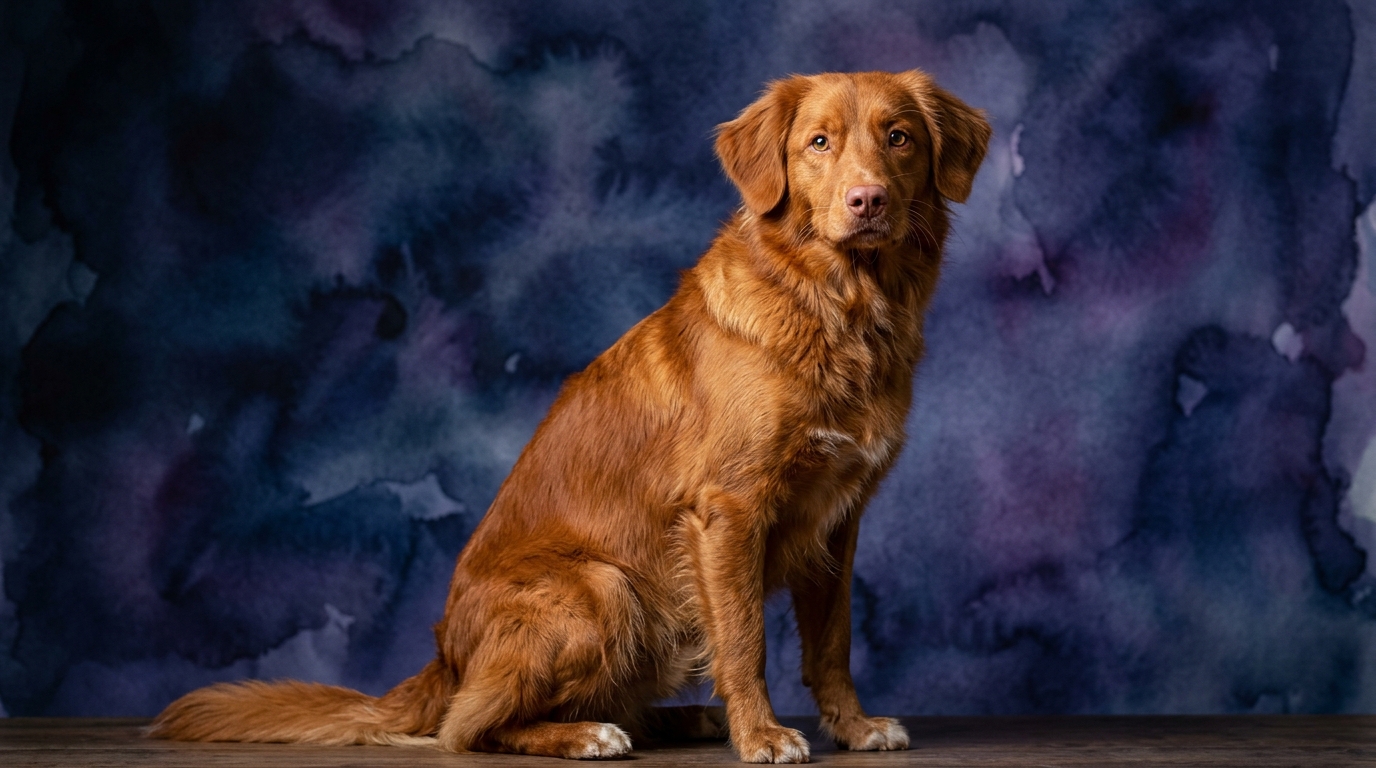
**Nova Scotia Duck Tolling Retriever (Sporting Dog):** Tollers are dynamic sporting dogs, and their IQ profile reflects their ancestral purpose. Their **Problem Solving (3/5)** is geared towards practical application in complex outdoor environments, enabling them to strategize efficient retrieval paths, adapting to varying conditions like wind and water currents. This requires rapid, independent decisions crucial for successful fieldwork. Their **Training Speed (3/5)** indicates a moderate pace for learning new commands, aided by a cooperative spirit and an eagerness to please; consistent positive reinforcement helps channel their natural enthusiasm effectively. **Social Intelligence (3/5)** for a Toller involves a keen understanding of human cues and emotions, fostering strong handler bonds, though they can be reserved with strangers. Their **Instinctive Drive (3/5)** is powerfully focused on retrieving, swimming, and active engagement, a core component of their cognitive makeup. Finally, their **Memory (3/5)** ensures reliable retention of learned tasks, routines, and specific locations, vital for sequential retrieves and consistent performance.
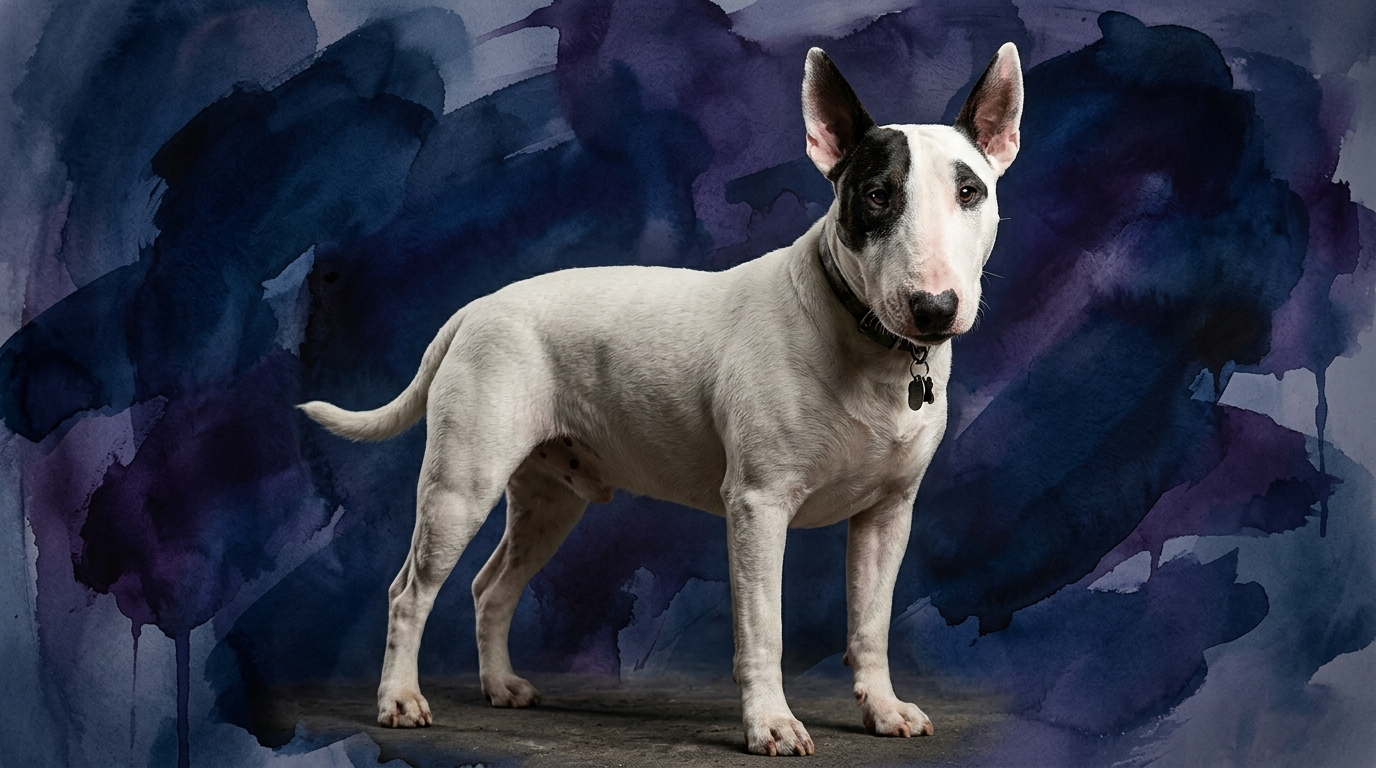
**Bull Terrier (Terrier, Coren Rank #66):** The Bull Terrier, a robust Terrier breed, approaches cognitive tasks with a distinct flair. Their **Problem Solving (3/5)** often manifests as clever, independent thought, allowing them to ingeniously figure out how to achieve personal desires, such as opening cabinets or circumventing rules, rather than purely cooperative task completion. This reflects a unique, sometimes mischievous, ingenuity. Their **Training Speed (3/5)**, while moderate, is often influenced by a strong will and independent nature, aligning with their Coren rank of #66; they learn, but sustained motivation and a creative, consistent approach are crucial for reliable compliance. **Social Intelligence (3/5)** in a Bull Terrier means deep devotion to their immediate family, adeptly reading household dynamics and emotional states, though they may be discerning towards outsiders. Their **Instinctive Drive (3/5)** is characterized by terrier tenacity, a strong prey drive, and a determined spirit, often manifesting in spirited play or persistent pursuits. Their **Memory (3/5)** is good for commands and routines, yet their willingness to act upon them can vary, often tied to their independent motivation and strong emotional associations.
Where Nova Scotia Duck Tolling Retriever Wins Cognitively
The Toller's cognitive strengths are most apparent in cooperative, goal-oriented scenarios. Their 3/5 in Problem Solving is optimized for dynamic, real-world application, such as strategically navigating complex terrain to retrieve. This demands not just physical effort but a nuanced understanding of environmental cues, wind direction, and a fallen bird's trajectory. Their Instinctive Drive (3/5) is uniquely aligned with human partnership, fostering an exceptional focus on retrieving tasks. This specific drive, combined with their Social Intelligence (3/5), often makes them more attuned to a handler's subtle signals and intentions during shared activities. While both breeds score 3/5 in Memory, the Toller's memory is specifically honed for sequential tasks and remembering precise locations over varying periods, crucial for multi-bird retrieves or recalling specific cover where a bird fell.
Where Bull Terrier Wins Cognitively
The Bull Terrier's cognitive prowess, despite identical scores, excels in independent thought and a distinct form of resilience. Their 3/5 in Problem Solving often translates into a remarkable capacity for creative ingenuity in navigating their human-centric world, adept at figuring out how to achieve personal goals or circumvent household regulations. This isn't about following instructions but about outsmarting situations. Their Social Intelligence (3/5) is characterized by profound loyalty and an astute ability to read their immediate family, often providing comfort or companionship in ways that require a deep understanding of human emotional states. The Bull Terrier's 3/5 Instinctive Drive manifests as a tenacious spirit and determination, allowing them to pursue their interests with singular focus, sometimes to the exasperation of their owners, but undeniably a cognitive strength in terms of persistence. Their memory, while rated 3/5, is often tied to strong emotional associations, meaning they remember experiences, both positive and negative, with vivid clarity, shaping their future interactions.
Which is Easier to Train and Why
Based on their breed histories and typical behavioral traits, the Nova Scotia Duck Tolling Retriever generally presents an easier training journey than the Bull Terrier. Tollers were purpose-bred as cooperative hunting companions, meaning their Instinctive Drive (3/5) and Social Intelligence (3/5) are naturally aligned with working alongside a human. Their inherent biddability is a functional aspect of their intelligence, making their 3/5 Training Speed more responsive to positive reinforcement. They thrive on clear direction and enjoy the mental stimulation of learning new tasks that engage their natural drives.
The Bull Terrier, conversely, with its Coren rank of #66, often requires a more nuanced and patient training approach. While they also score 3/5 in Training Speed, their strong independent streak and tenacious nature mean they might learn commands at a similar pace but are less consistently motivated to perform them without compelling incentives or a strong, respectful bond. Their 3/5 in Problem Solving can sometimes lead them to 'think for themselves' rather than simply obeying, requiring trainers to be creative, consistent, and understand the Bull Terrier's unique motivations. Training a Bull Terrier is often about convincing them that compliance is their idea or highly rewarding, rather than simply instructing.
Which Suits Active Owners vs Relaxed Owners
The Nova Scotia Duck Tolling Retriever, with its strong Instinctive Drive (3/5) for retrieving and its background as a working sporting dog, is unequivocally suited for active owners. These dogs require substantial physical exercise, including running, swimming, and engaging in mentally stimulating activities like fetch or scent work. Their cognitive profile, particularly their Problem Solving and Memory scores (both 3/5), means they thrive when given tasks that engage their minds as well as their bodies. A Toller with insufficient outlets for its energy and intelligence can become restless or destructive, suggesting they are a poor fit for relaxed, sedentary owners.
The Bull Terrier, while robust and capable of intense bursts of activity, can adapt to a slightly less rigorous daily exercise routine than a Toller, making them a potentially better fit for owners who are active but perhaps not marathon runners or avid hunters. Their 3/5 Instinctive Drive and Problem Solving capabilities mean they still need regular physical activity and mental engagement to prevent boredom and destructive behaviors. However, their activity needs can often be met with vigorous walks, playtime in a secure yard, or short, intensive training sessions. While they appreciate activity, their preference for deeply bonding with their family (Social Intelligence 3/5) means they also value relaxed time spent with their human companions, making them suitable for owners who enjoy a mix of activity and downtime.
The Verdict
Choose the Nova Scotia Duck Tolling Retriever if you are an active individual or family seeking a cooperative, biddable partner for outdoor adventures, dog sports, or a working role. Their intelligence is geared towards partnership and practical application, thriving with consistent mental and physical engagement.
Choose the Bull Terrier if you appreciate an independent, resilient companion with a unique personality and a profound loyalty to their family, and are prepared for a consistent, creative approach to training. Their intelligence shines in their cleverness and strong will, thriving in a home that understands and respects their distinct character.
🧠 Find Your Pet's IQ Score
Our Pet IQ Lab assessment covers 25+ tests across 5 cognitive dimensions — personalized to your breed.
Take the Full IQ Test →Frequently Asked Questions
Do Nova Scotia Duck Tolling Retrievers and Bull Terriers learn at the same pace?
While both breeds score 3/5 in Training Speed, the Toller's cooperative nature often makes them more consistently responsive to training, whereas the Bull Terrier's independence and Coren rank #66 mean they might learn at a similar rate but require more motivation and patience to comply.
Which breed is better with children, considering their social intelligence?
Both breeds score 3/5 in Social Intelligence, but it manifests differently; Tollers can be gentle and patient with familiar children, while Bull Terriers are famously devoted to their families, including children, often becoming protective and playful companions.
How do their problem-solving skills differ in daily life?
A Toller's 3/5 problem-solving often involves navigating complex environments or tasks for their handler, while a Bull Terrier's 3/5 manifests as cleverness in figuring out how to get what they want or circumvent household rules, showcasing their independent wit.