Side-by-Side IQ Profile: Nuances of Identical Scores
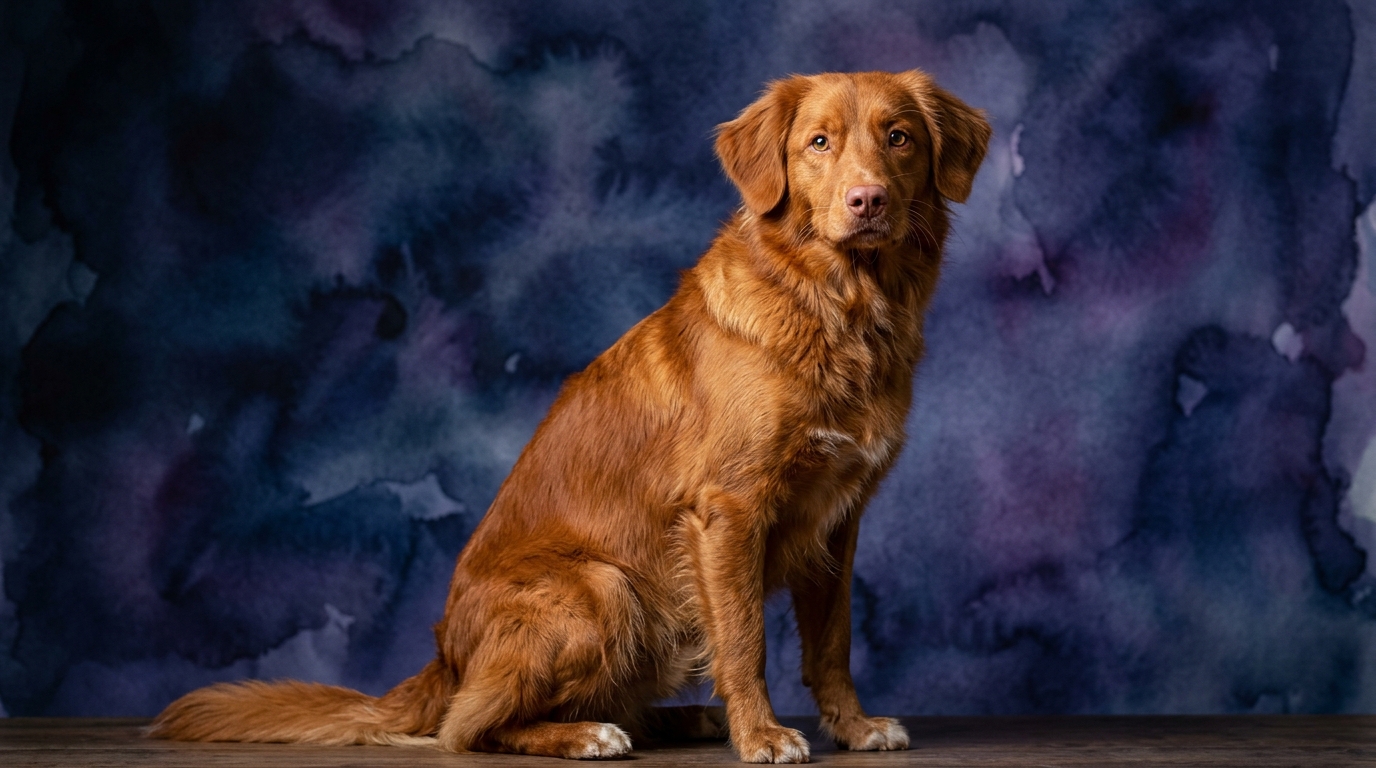
The Nova Scotia Duck Tolling Retriever, a member of the Sporting Group, exhibits its cognitive abilities through the lens of its retrieving purpose.
Problem Solving (3/5): Tollers demonstrate practical problem-solving geared towards their retrieving heritage, like navigating complex environments or understanding multi-step commands. Their intelligence is applied to achieving handler-directed goals rather than independent, creative solutions.
Training Speed (3/5): Their cooperative spirit aids in learning new commands at a moderate pace. Tollers absorb lessons effectively due to their focus on handler interaction, though consistent repetition helps solidify understanding.
Social Intelligence (3/5): A Toller's social acumen is directed towards human companions, showing attentiveness to cues and a desire to work in partnership. They foster strong bonds but might be reserved with strangers, assessing new social situations.
Instinctive Drive (3/5): Their drive is strongly tied to retrieving – chasing, fetching, and luring waterfowl. This is channeled into productive, handler-directed activities, showing focused, persistent pursuit of their innate calling.
Memory (3/5): Tollers exhibit good working memory, essential for remembering complex retrieving patterns, object locations, and command sequences. This allows consistent performance of intricate tasks and retention of learned behaviors.
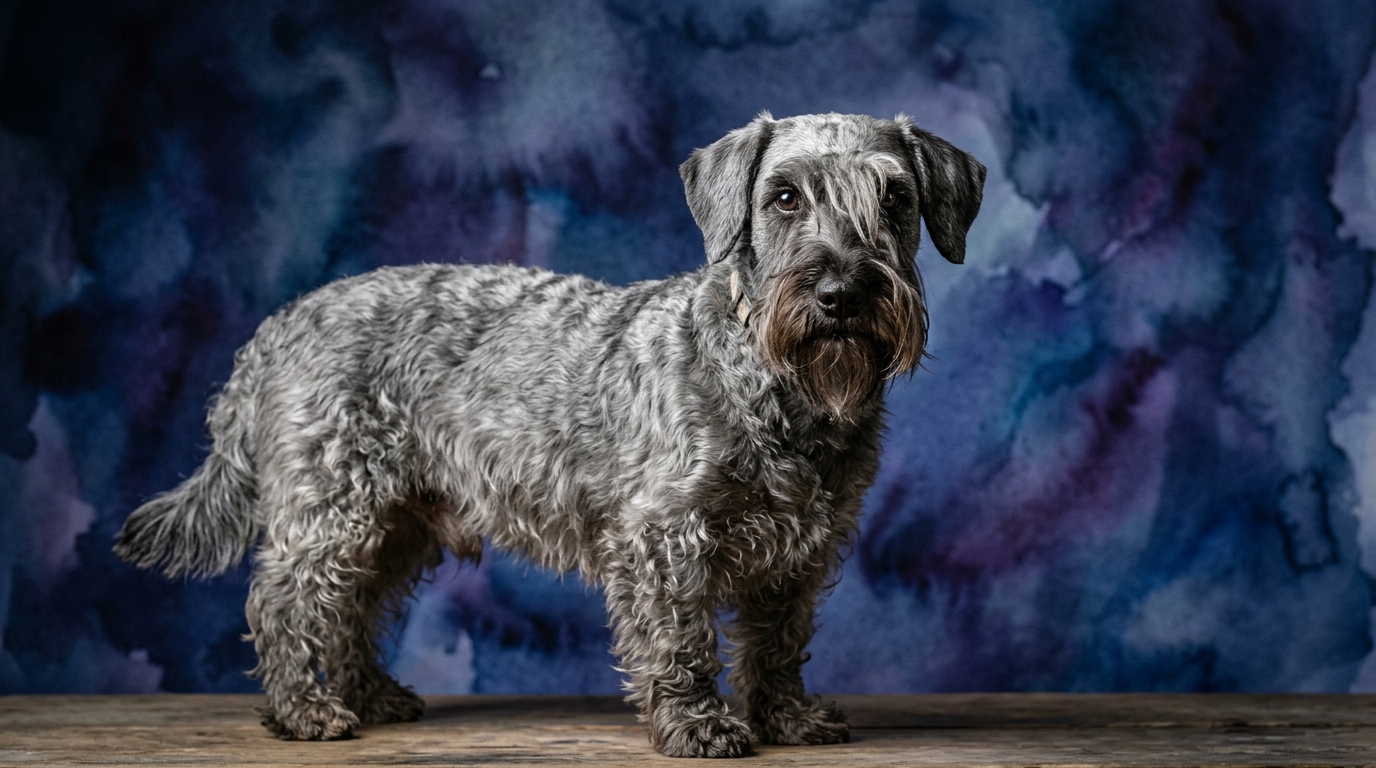
The Cesky Terrier, from the Terrier Group, showcases its intelligence with a distinct independent streak, honed by its vermin-hunting origins.
Problem Solving (3/5): For a Cesky, this score indicates tenacious ability to overcome obstacles through independent thought, like accessing a burrow or navigating tight spaces. Their problem-solving is driven by curiosity and prey drive, not primarily by a desire to please.
Training Speed (3/5): Ceskys learn commands moderately, but their Terrier independence demands consistent, patient methods. They understand requests but may comply based on their own assessment or reward, making their adoption speed about motivation.
Social Intelligence (3/5): A Cesky's social intelligence is often expressed through deep loyalty to family. While sensitive to owner emotions, they can be reserved with outsiders, preferring close relationships over broad acquaintances.
Instinctive Drive (3/5): Rooted in vermin-hunting, this involves a strong prey drive, digging desire, and keen scent tracking. This powerful, often self-directed drive requires careful management to channel appropriately.
Memory (3/5): Ceskys possess good memory, especially for locations, routines, and experiences. They recall where they buried a toy or the best digging spot, retaining learned behaviors even if their application is selective.
Where the Nova Scotia Duck Tolling Retriever Excels Cognitively
Tollers demonstrate a particular aptitude for cooperative intelligence. Their 3/5 training speed is often amplified by an innate desire to work alongside their handler, making them highly receptive to intricate, multi-step tasks that require teamwork. This collaborative spirit is a hallmark of their cognitive profile.
Their problem-solving, while rated 3/5, is distinctly geared towards achieving shared objectives. A Toller might more readily master complex agility courses or obedience routines, leveraging their memory for sequences and social intelligence to interpret subtle handler cues and anticipate next steps. Their instinctive drive, also 3/5, is inherently channelable into sport or work, serving as a powerful asset for directed activity within a human-dog team.
Where the Cesky Terrier Shows Unique Cognitive Strengths
The Cesky Terrier, despite identical scores, shines in areas of independent problem-solving and tenacity. Their 3/5 problem-solving isn't about pleasing a handler, but about achieving their own goals, such as finding a way around an obstacle to follow a scent or figuring out how to open a gate to explore. This self-directed ingenuity is a core cognitive advantage.
Their instinctive drive, also 3/5, is intensely focused and self-motivated, making them incredibly persistent in tasks like scent work or tracking, even in challenging conditions. This unwavering dedication to their primary drives, while requiring careful management, means they can excel in activities that demand independent thought and resilience. The Cesky’s memory (3/5) often includes a strong spatial component, allowing them to recall the best routes, hiding spots, or areas of interest with precision.
Training Dynamics: Cooperation vs. Independence
The Nova Scotia Duck Tolling Retriever is generally perceived as more straightforward to train for obedience and complex tasks. Their 3/5 training speed is significantly bolstered by a high intrinsic motivation to work *with* their handler. Tollers thrive on positive reinforcement and clear communication, eager to please and form a strong working partnership. Their 3/5 social intelligence means they are more attuned to human cues and approval, making them highly responsive. While consistency is still vital, their cooperative nature typically leads to quicker adoption of commands and a more willing, consistent execution.
The Cesky Terrier, conversely, presents a different training dynamic. While their training speed is also 3/5, their strong independent streak and inherent Terrier tenacity mean they often require more patience, creativity, and a deeper understanding of their motivations. A Cesky might understand a command perfectly but choose not to execute it if they perceive a more interesting alternative or if the reward isn't sufficiently enticing. Their 3/5 problem-solving is less about following instructions and more about achieving personal objectives, making 'compliance' a nuanced negotiation. Training a Cesky demands engaging their independent spirit rather than expecting blind obedience, focusing on making the desired behavior their idea or highly rewarding.
Matching Breeds to Lifestyles: Active vs. Engaged Owners
For truly active owners, the Nova Scotia Duck Tolling Retriever is an excellent match. Tollers are robust, energetic dogs with a strong desire for activity. Their 3/5 instinctive drive translates into a need for regular, vigorous exercise and mental stimulation, often involving retrieving games, swimming, agility, or hiking. An owner who can provide daily outlets for their physical energy and engage their minds with training and 'work' will find a Toller to be a fulfilling companion. Their cooperative nature means they enjoy participating in family activities, making them ideal for individuals or families with an adventurous, outdoor-oriented lifestyle.
While neither breed is suited for truly 'relaxed' owners in the sense of minimal engagement, the Cesky Terrier might be a better fit for an owner who appreciates focused interaction rather than constant high-intensity activity. Ceskys also require daily exercise and mental engagement due to their 3/5 instinctive drive, but their activity needs might be fulfilled with focused walks, scent games in the yard, or short bursts of play, rather than the sustained, high-intensity output of a Toller. An owner for a Cesky should be committed to consistent, engaging mental tasks and moderate physical activity, understanding that their independent spirit means less constant 'on-the-go' energy and more focused, directed engagement. They are not sedentary but can be content with less overall activity if their needs for mental stimulation and companionship are met effectively.
The Verdict
Choose the Nova Scotia Duck Tolling Retriever if you seek a highly cooperative partner for active pursuits like dog sports, hunting, or long hikes, appreciating a dog eager to engage in shared tasks. Their intelligence shines in directed, collaborative efforts.
Opt for the Cesky Terrier if you admire a dog with independent spirit and tenacious problem-solving, valuing a loyal companion who excels in focused activities like scent work or digging, even if training requires more patience and creativity. Their unique charm lies in their self-directed cognitive abilities.
🧠 Find Your Pet's IQ Score
Our Pet IQ Lab assessment covers 25+ tests across 5 cognitive dimensions — personalized to your breed.
Take the Full IQ Test →Frequently Asked Questions
Are Nova Scotia Duck Tolling Retrievers good with children?
Tollers, with their 3/5 social intelligence and generally good-natured temperament, can be wonderful family dogs. They are typically patient and playful, especially when raised with children, but their energy levels mean supervision is always wise to ensure polite interactions and prevent accidental bumps during play.
Do Cesky Terriers bark a lot?
Cesky Terriers, possessing a 3/5 instinctive drive rooted in their hunting heritage, can be prone to barking, particularly at perceived intruders or interesting sounds. Early training and socialization are crucial to manage this tendency, channeling their vigilance into appropriate responses rather than excessive vocalization.
How much exercise does a Nova Scotia Duck Tolling Retriever need daily?
A Toller, with its 3/5 instinctive drive and sporting background, requires substantial daily exercise, typically 60-90 minutes of vigorous activity. This should include a mix of mental stimulation and physical exertion, such as retrieving games, swimming, brisk walks, or dog sports, to keep them content and prevent boredom.
What kind of mental stimulation do Cesky Terriers enjoy?
Cesky Terriers, with their 3/5 problem-solving and instinctive drive, thrive on mental challenges that engage their hunting instincts. Scent work, puzzle toys, digging boxes, and short, engaging training sessions that reward their independent thought are excellent ways to keep their minds sharp and satisfied.