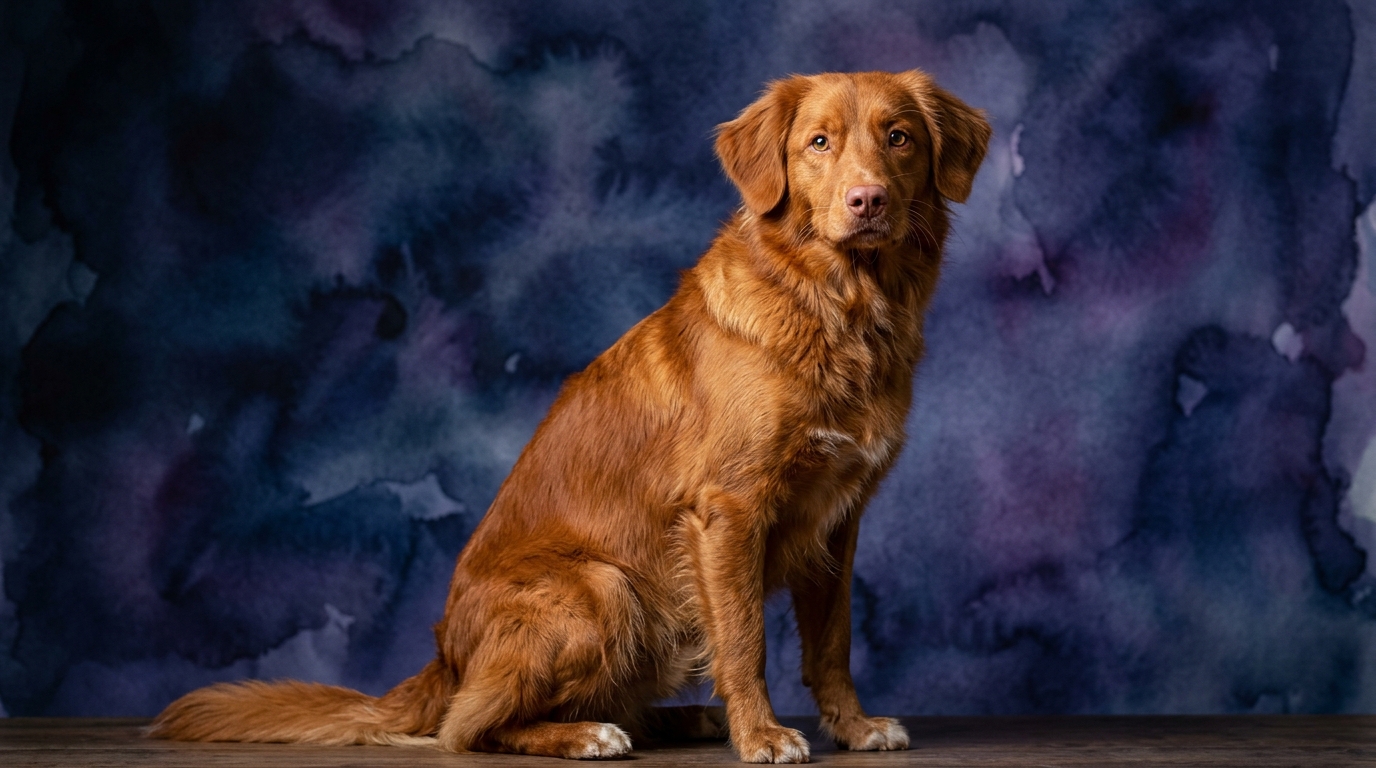
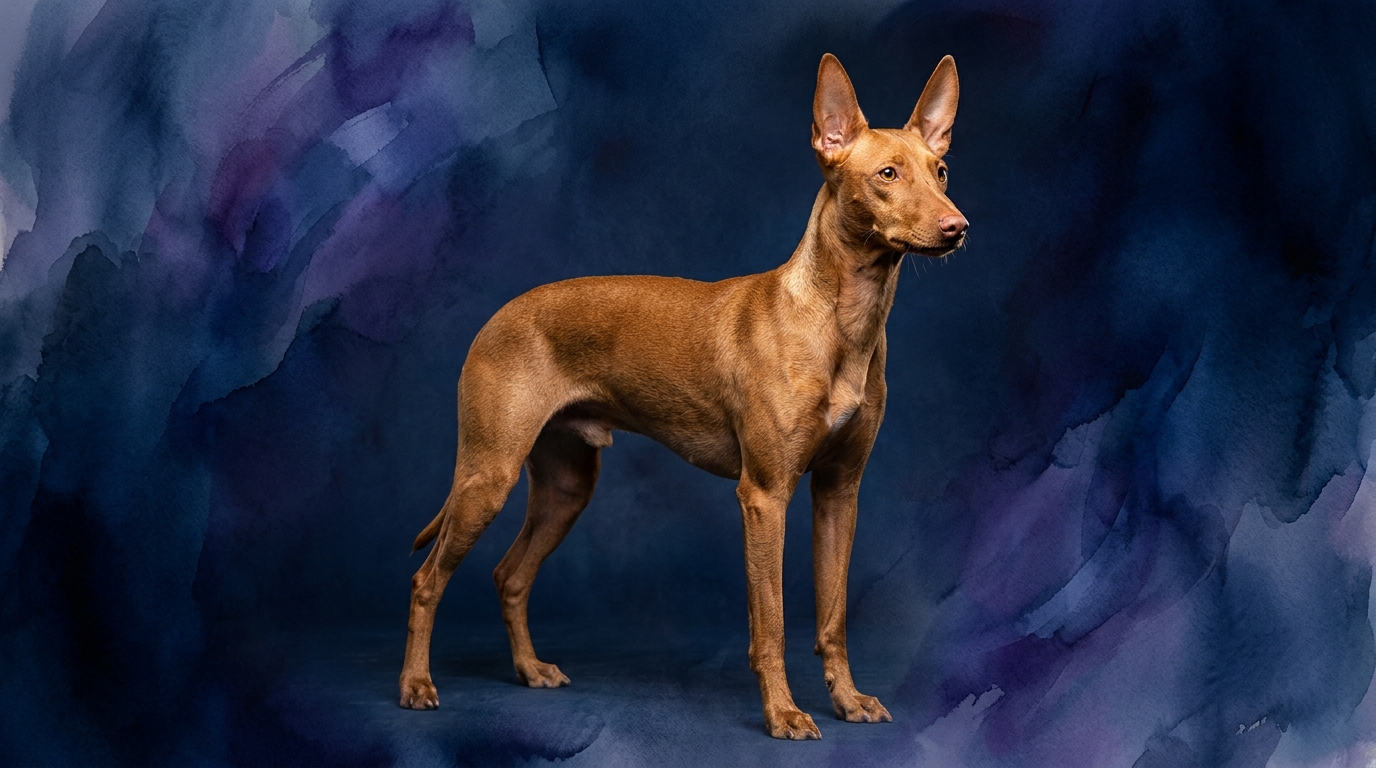
Side-by-Side IQ Profile: Identical Scores, Distinct Expressions
Both the Nova Scotia Duck Tolling Retriever (Toller) and the Cirneco dell'Etna exhibit a consistent 3/5 across Problem Solving, Training Speed, Social Intelligence, Instinctive Drive, and Memory. While the numerical scores are the same, the *application* of these cognitive strengths is profoundly shaped by their breed group and centuries of selective breeding. It's not just about what they can do, but how and why they do it.
For the Toller, a Sporting group dog, a 3/5 in Problem Solving often translates to figuring out complex retrieving scenarios, navigating dense cover to find a fallen bird, or understanding the sequential steps in a dog sport. Their Training Speed at 3/5 reflects a willingness to learn and repeat tasks when motivated by their handler, making them generally responsive to structured lessons. Social Intelligence at 3/5 for a Toller typically means they are attuned to human cues and moods, eager to cooperate in a working partnership, though they might be reserved with strangers. Their Instinctive Drive, also 3/5, is powerfully geared towards retrieving, swimming, and 'tolling' (luring waterfowl), manifesting as focused, goal-oriented energy directed towards a task. Finally, their 3/5 Memory supports recalling complex training routines, locations of previous retrieves, and the intricate patterns of their handler's commands.
The Cirneco dell'Etna, a member of the Hound group, expresses these same 3/5 scores quite differently. Their 3/5 Problem Solving often involves independent decision-making in the field, such as navigating challenging terrain to follow a scent trail or identifying the optimal path to chase small game. A 3/5 in Training Speed for a Cirneco means they can grasp concepts quickly, but their compliance is often contingent on their own motivation and independent nature, requiring creative, positive reinforcement. Social Intelligence at 3/5 for a Cirneco implies a deep, sensitive bond with their family, reading subtle cues within their trusted circle, but they can be more aloof or discerning with unfamiliar individuals. Their 3/5 Instinctive Drive is a strong, independent urge to hunt by sight and scent, chase, and explore, often overriding human commands when a compelling stimulus is present. Their 3/5 Memory is robust for remembering hunting grounds, specific scent patterns, and the location of prey, rather than necessarily complex human-initiated sequences.
Where the Nova Scotia Duck Tolling Retriever Wins Cognitively
The Toller's cognitive strengths truly shine in cooperative, task-oriented environments. Their 3/5 in Training Speed and Social Intelligence, when combined with their Sporting group heritage, makes them particularly adept at understanding and executing multi-step commands from a human handler. They excel at deciphering human intent and adapting their actions to fulfill a shared objective, whether it's navigating an agility course, performing a complex retrieving drill, or participating in scent work for detection. This cooperative intelligence means they are often more 'tuned in' to their owner's directions and desires, making them excellent partners for structured activities.
Their 3/5 Instinctive Drive is uniquely channeled towards working alongside humans in a productive capacity. They display a remarkable ability to focus their energy on retrieving and water work, demonstrating ingenuity in solving problems directly related to these tasks. For instance, a Toller might figure out the most efficient way to retrieve a decoy from a tricky water current or navigate through dense brush to locate a hidden object, all while maintaining awareness of their handler's position and commands. This specific manifestation of their problem-solving and memory skills gives them an edge in roles requiring consistent, guided performance.
Where the Cirneco dell'Etna Wins Cognitively
The Cirneco dell'Etna's cognitive prowess is most evident in its independent problem-solving and sensory-driven intelligence. Their 3/5 in Problem Solving often manifests as self-directed ingenuity, particularly when pursuing a scent or visual target. A Cirneco might independently strategize the best route to follow a rabbit, bypassing obstacles with speed and agility, or meticulously 'read' a scent trail with intense focus. This breed's strength lies in autonomous decision-making in dynamic environments, where a handler's direct intervention might be less effective or even counterproductive.
Their 3/5 Instinctive Drive, deeply rooted in their sighthound/scent hound heritage, fuels an exceptional capacity for sensory discrimination and sustained pursuit. They possess a keen ability to filter out irrelevant stimuli and lock onto the faint scent or fleeting movement of prey. This focused, independent drive, supported by their 3/5 Memory for terrain and scent patterns, allows them to operate with impressive self-reliance, making them highly effective in tasks that demand individual initiative and perseverance, rather than constant human direction.
Which is Easier to Train and Why
Despite identical 3/5 scores in Training Speed, the Nova Scotia Duck Tolling Retriever is generally perceived as 'easier' to train for most owners due to their inherent desire to work cooperatively with humans. Their Sporting group background means they often find satisfaction in pleasing their handler and engaging in structured activities. They are typically eager to learn new commands and cues, readily entering into a partnership where their instinctive drive for retrieving can be channeled into specific tasks. This cooperative nature means they often require fewer repetitions and respond more consistently to traditional positive reinforcement methods.
The Cirneco dell'Etna, conversely, can present more training challenges for an inexperienced owner, not because they lack cognitive capacity (they also score 3/5 in Training Speed), but because their independent hound nature means they are less inherently driven to comply with human commands when a compelling instinctual urge takes over. Their keen senses and strong prey drive can lead to selective hearing, especially outdoors where scents and movements provide powerful distractions. Training a Cirneco requires immense patience, understanding of their independent spirit, and creative, high-value motivation to make training more rewarding than following a scent. Recall, in particular, can be a lifelong endeavor, as their 3/5 Instinctive Drive to chase often overrides other considerations, highlighting a significant behavioral difference despite shared cognitive scores.
Which Suits Active Owners vs. Relaxed Owners
Both breeds require active owners, but the *type* of activity they thrive on differs. The Nova Scotia Duck Tolling Retriever is suited for owners who enjoy structured, interactive activities. They need consistent mental stimulation through training, dog sports like agility or obedience, and plenty of physical exercise that often involves retrieving, swimming, or long walks with a purpose. Their 3/5 instinctive drive means they are not content to be couch potatoes; they need a job or engaging activities that channel their energy and intelligence, making them ideal for owners who want a true working partner for outdoor adventures.
The Cirneco dell'Etna also demands an active lifestyle, but one that caters to their sighthound/scent hound instincts. They require opportunities for secure, off-leash running in a fenced area where they can stretch their legs at full speed and indulge their chase drive. While they can be calm and relaxed indoors, their 3/5 instinctive drive means bursts of intense, high-speed exercise are non-negotiable. Owners must understand their need for independent exploration through scent and sight, making them a fit for those who appreciate a dog that needs to run freely and explore, rather than always engaging in structured, human-directed tasks.
The Verdict: When to Choose Each
The Verdict
Choose the Nova Scotia Duck Tolling Retriever if you seek a cooperative, eager-to-please partner for structured training, dog sports, and outdoor adventures that involve working closely with you. They thrive with owners who can provide consistent mental and physical challenges tailored to their retrieving and water-loving nature.
Opt for the Cirneco dell'Etna if you appreciate an independent, sensitive companion who excels at autonomous problem-solving and requires ample opportunities for secure, high-speed running and scent exploration. They are best for owners who understand and respect a hound's inherent drives, providing love and patience for a unique and loyal bond.
🧠 Find Your Pet's IQ Score
Our Pet IQ Lab assessment covers 25+ tests across 5 cognitive dimensions — personalized to your breed.
Take the Full IQ Test →Frequently Asked Questions
Do identical IQ scores mean these breeds are equally easy to train?
Not necessarily; while both have a Training Speed of 3/5, the Toller's cooperative nature often makes them seem more compliant and easier to guide through structured training. The Cirneco's independence means they learn quickly but require more nuanced, motivation-based approaches due to their strong, self-directed instincts.
How does 'Instinctive Drive 3/5' differ between a Sporting dog and a Hound?
For a Sporting dog like the Toller, a 3/5 Instinctive Drive manifests as a strong urge to retrieve and work cooperatively with a human for specific tasks. For a Hound like the Cirneco, the same 3/5 score translates to a powerful, independent drive to hunt by sight and scent, often leading them to follow their nose or eyes regardless of human commands.
Can a Cirneco dell'Etna be a good family dog despite its independent nature?
Absolutely. Cirnechi often form deep, sensitive bonds with their immediate family, displaying loyalty and affection indoors. Their independence primarily manifests outdoors during exercise or when their hunting instincts are engaged; inside, they can be calm and affectionate companions for those who understand their need for space and respect their discerning social intelligence.